
INTRODUCTION
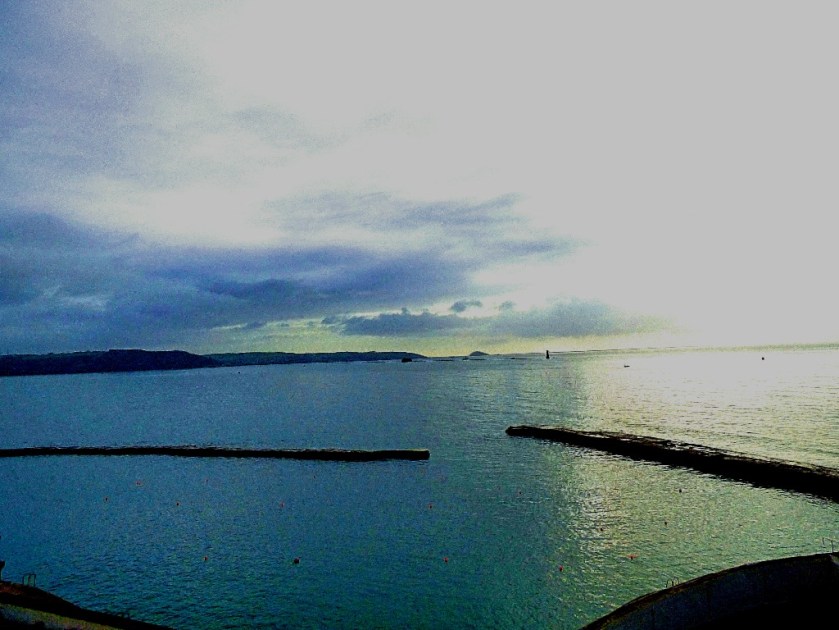
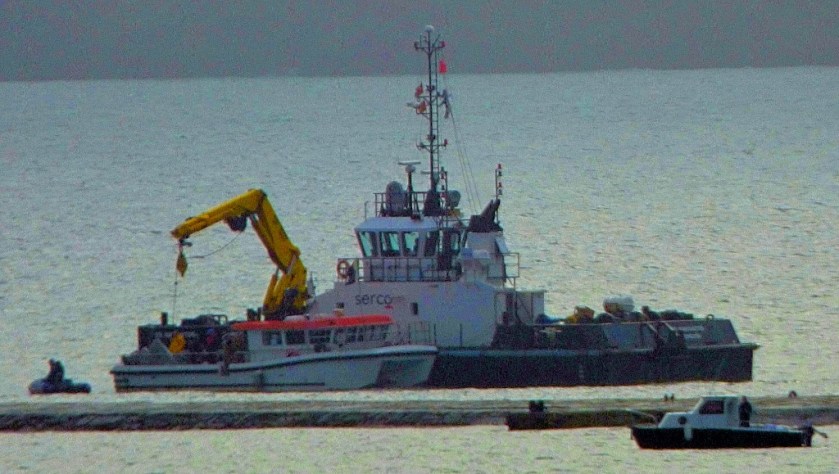
This brief post is dedicated to the various ships that I have seen while down here overlooking the sea. Yesterday was a bonanza, with many warships in evidence.
SHIP PICTURES
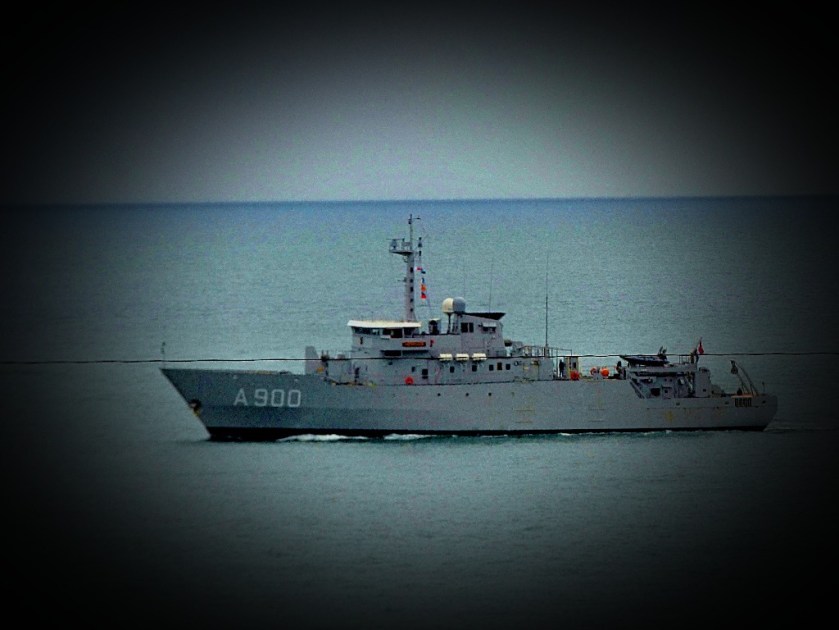
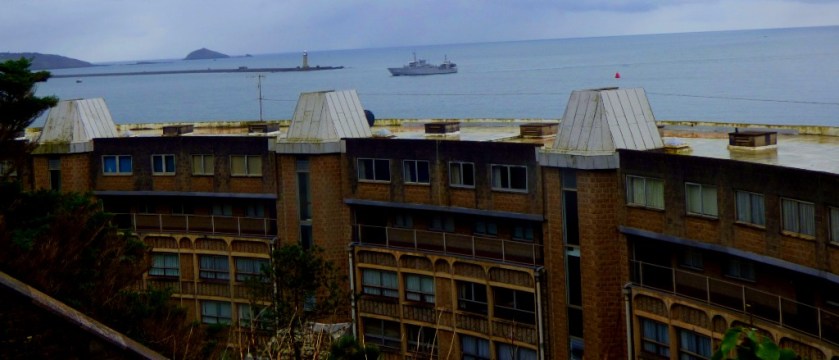




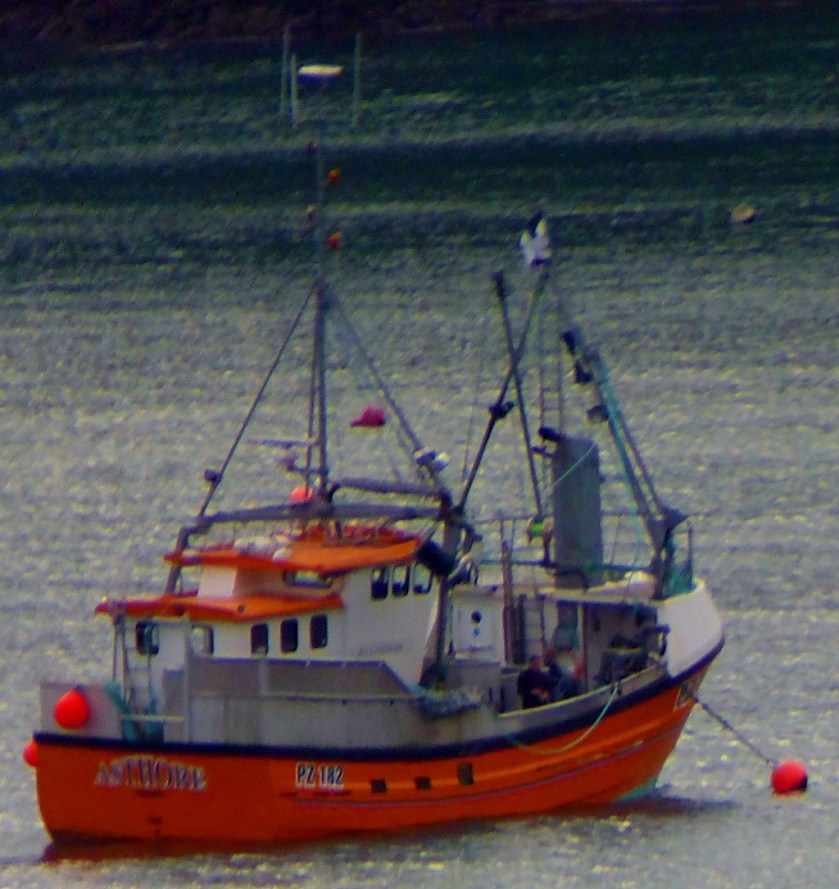
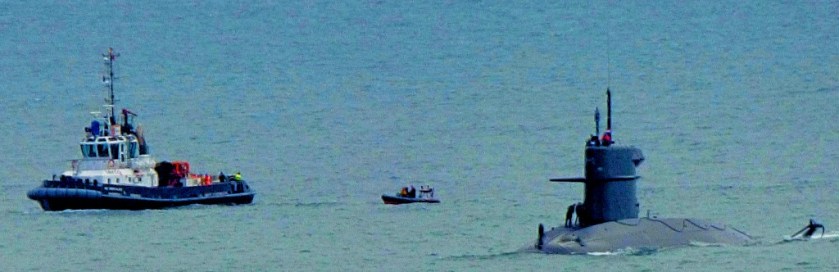
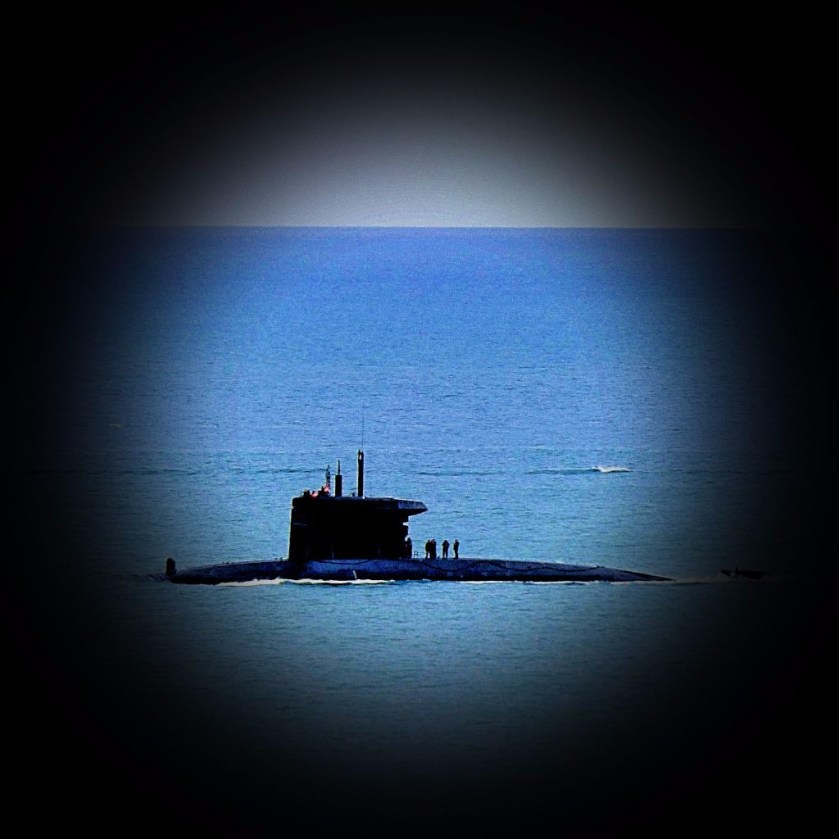
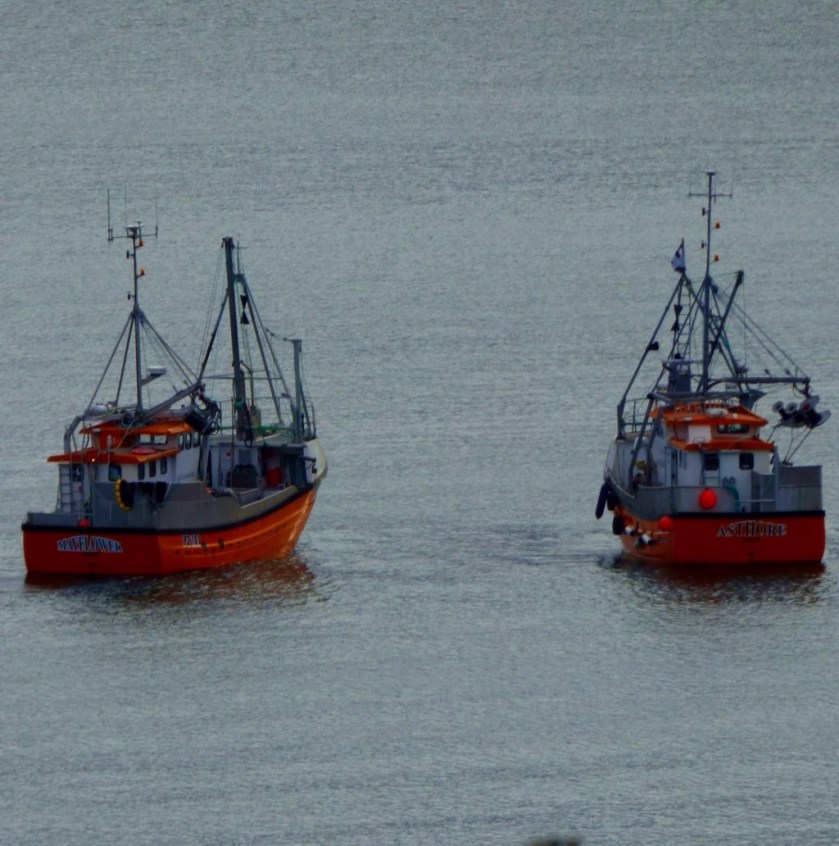
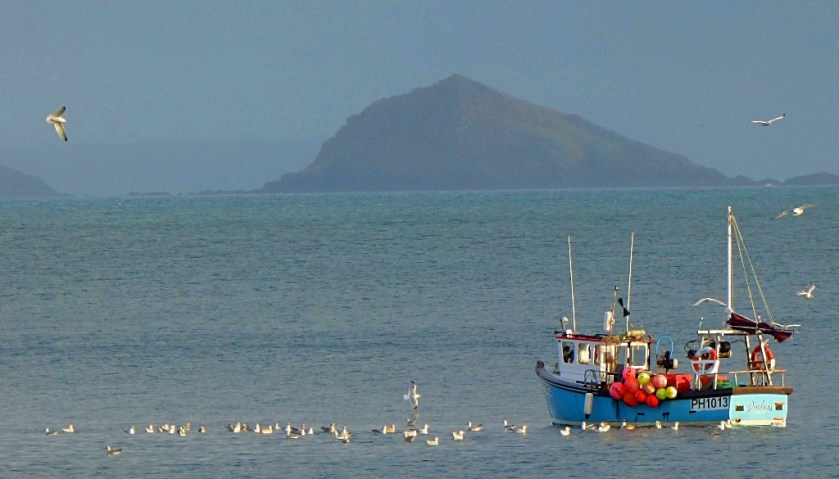
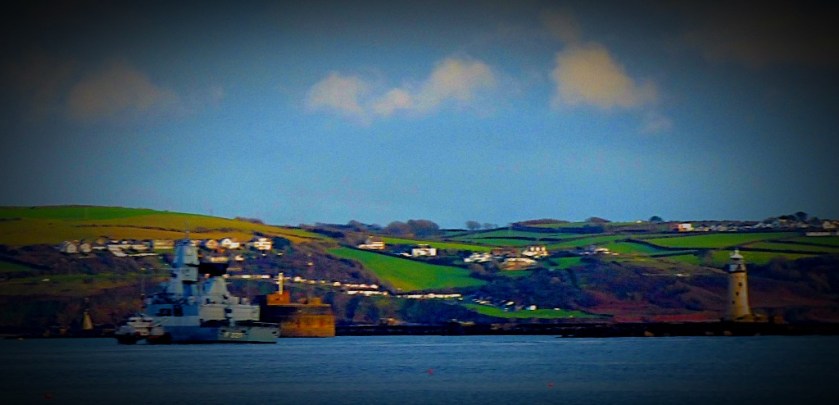
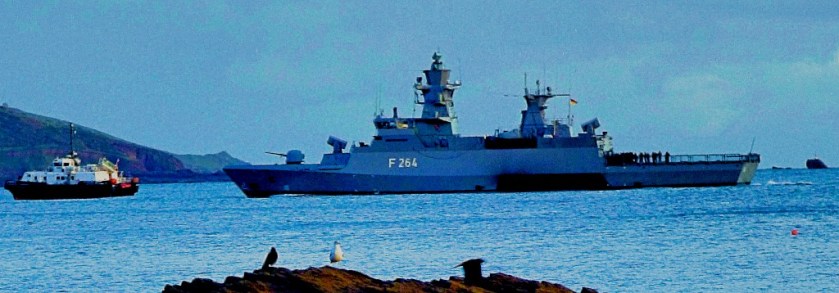
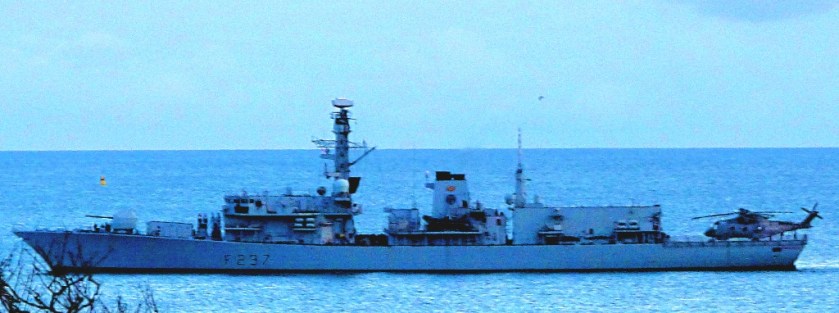


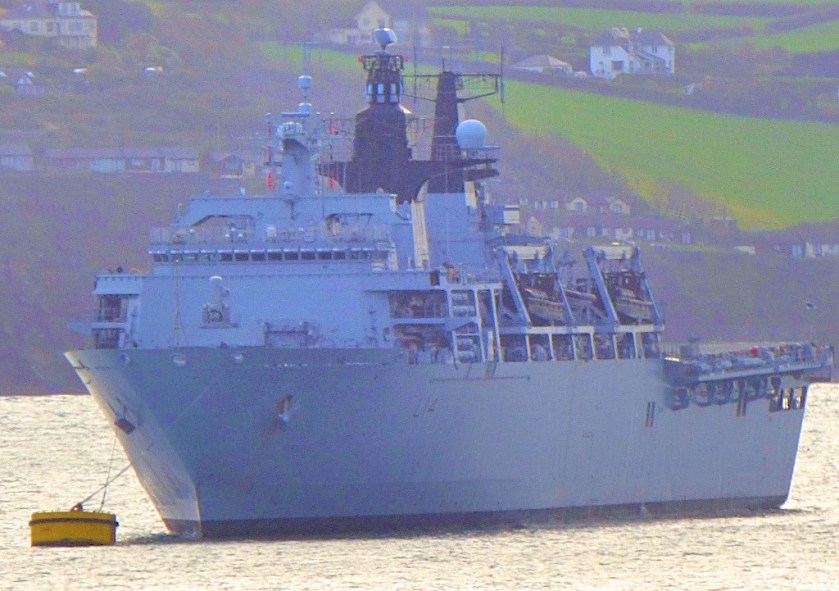
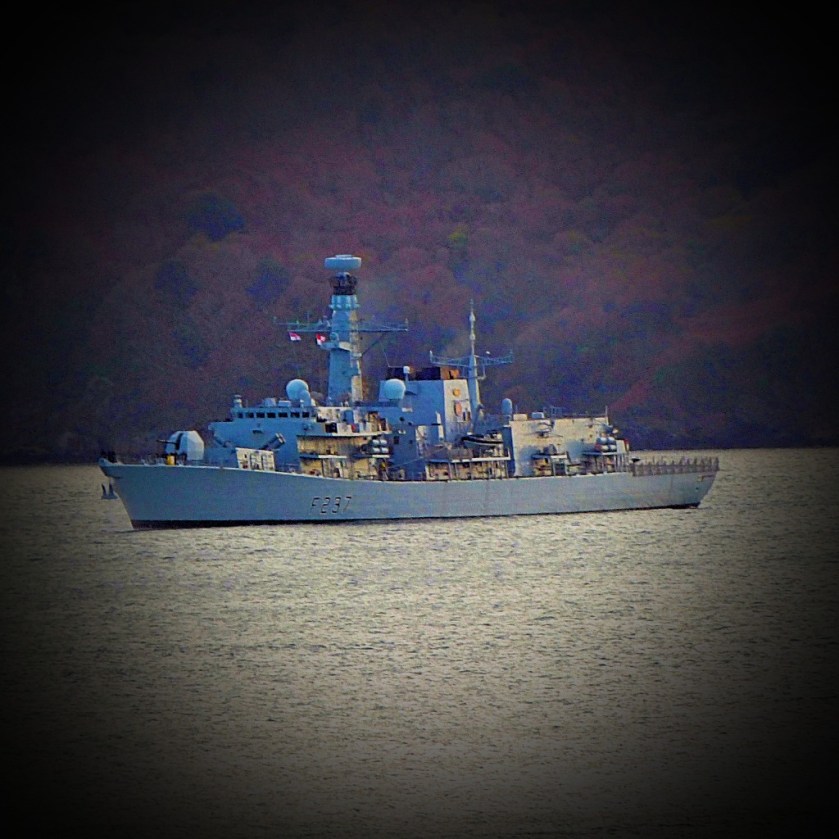
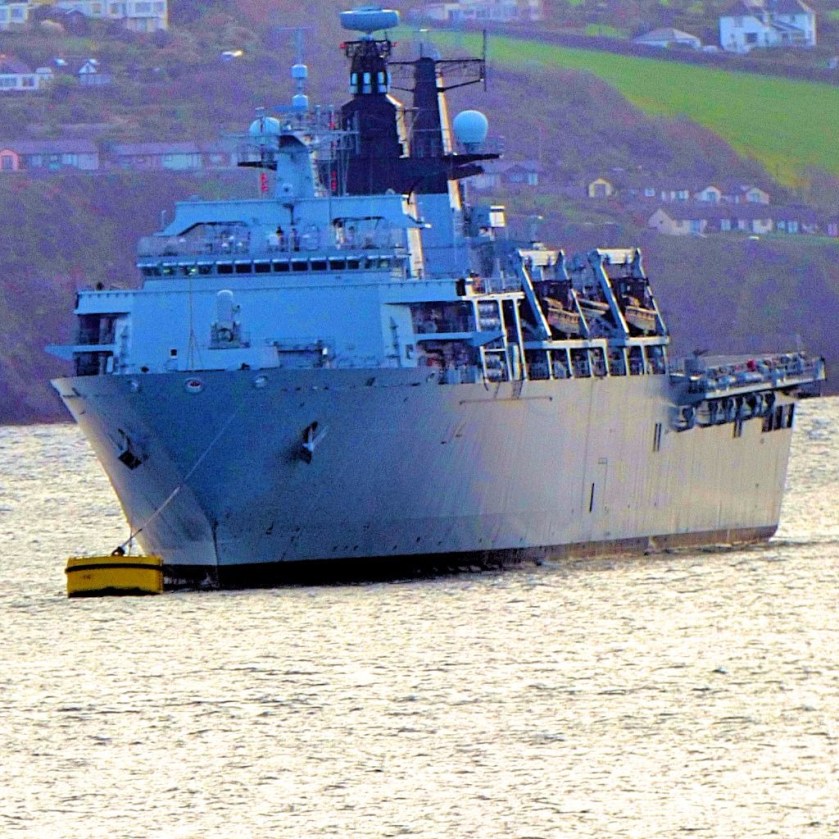

This brief post is dedicated to the various ships that I have seen while down here overlooking the sea. Yesterday was a bonanza, with many warships in evidence.
An account of a visit to the villages of Kingsand and Cawsand.
The feature of yesterday was a walk along the coast from Fort Picklecombe to the villages of Kingsand and Cawsand, and then back. I have many photos from yesterday, and will be sharing the general ones here. I have a fairly sizeable collection of pictures of boats and ships already, and I will be doing a special post about these immediately I have completed this one.
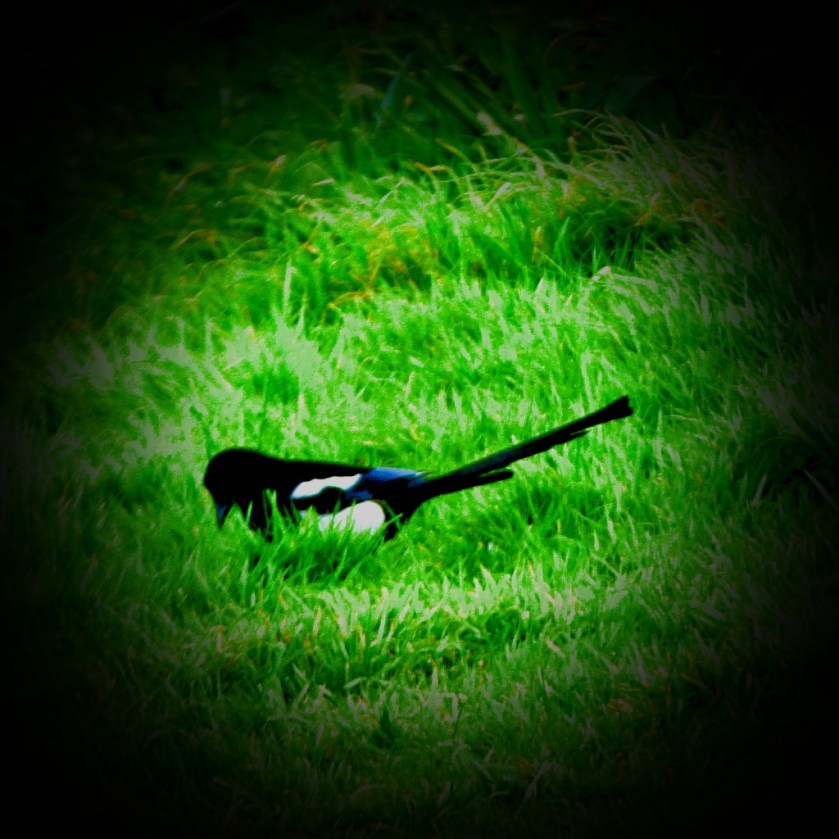
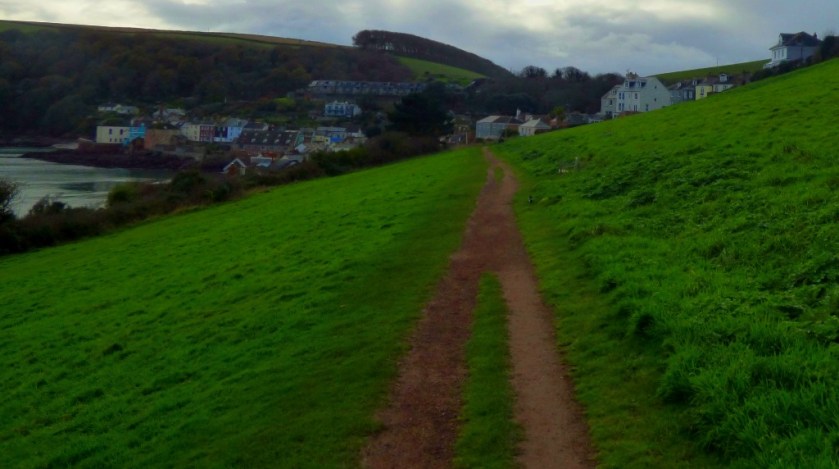
In olden times the two villages in this post were on opposite sides of the Devon/ Cornwall boundary – Kingsand in Devon and Cawsand in Cornwall, but nowadays both are comfortably within Cornwall, since the county boundary is the Tamar River. This part of Cornwall, known as the Rame Peninsula has its own official website. The coast path which we followed on our way to the villages is good although a little sticky in places (prolonged heavy rain would undoubtably turn it into a quagmire). Here are some photos from this section of the journey:
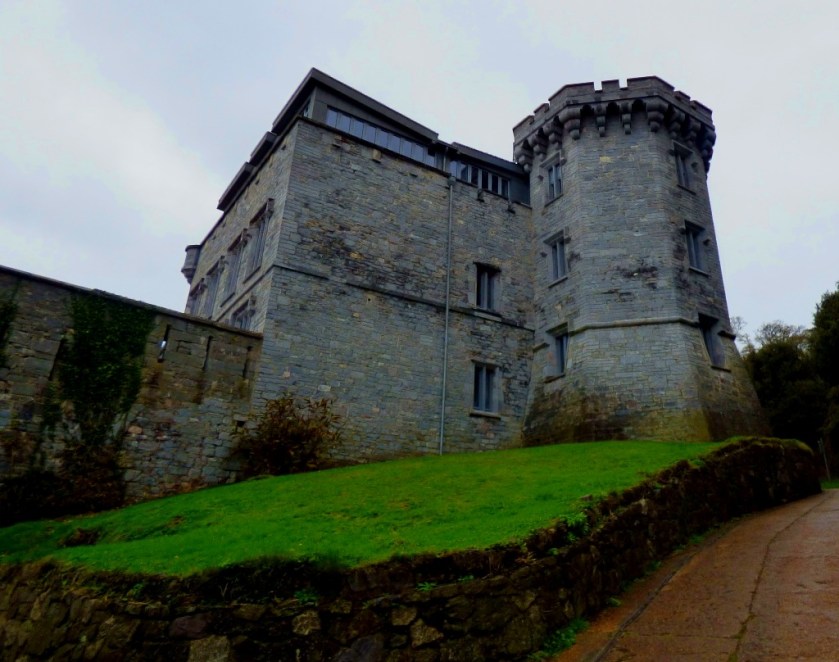
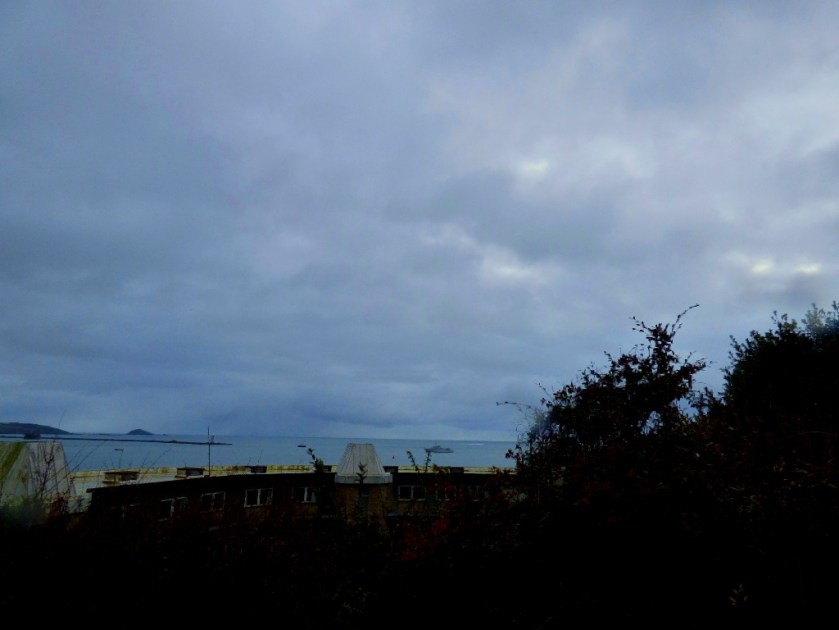


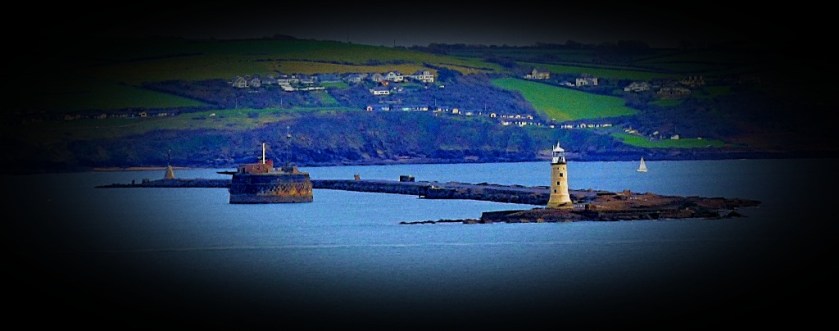
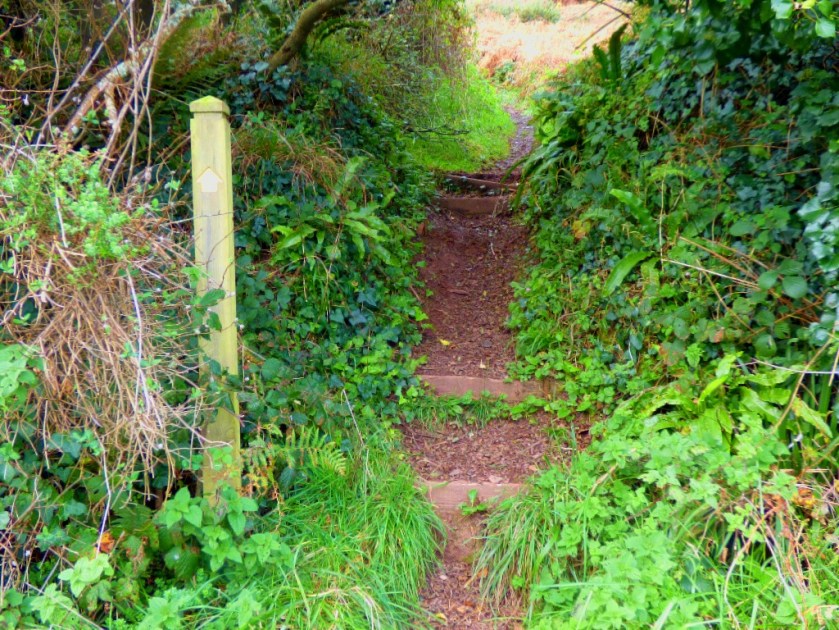


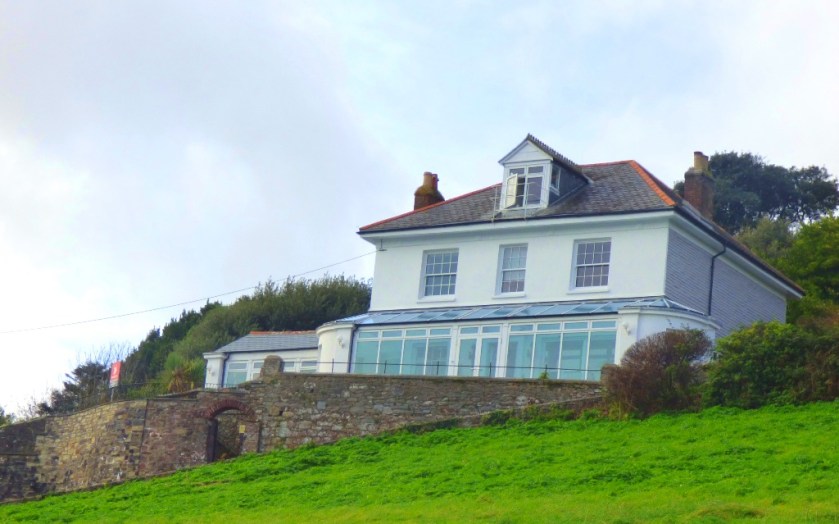


We visited the Post Office, where my parents had some stuff to post and something to collect, and then walked down to the sea front by way of a road that was unsuitable for motor vehicles. Here are some pictures from Kingsand and Cawsand…


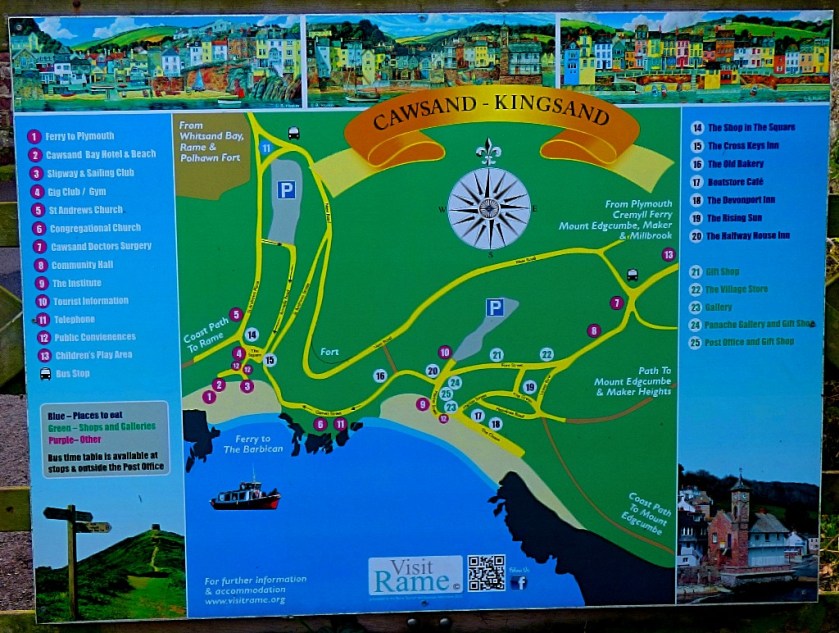
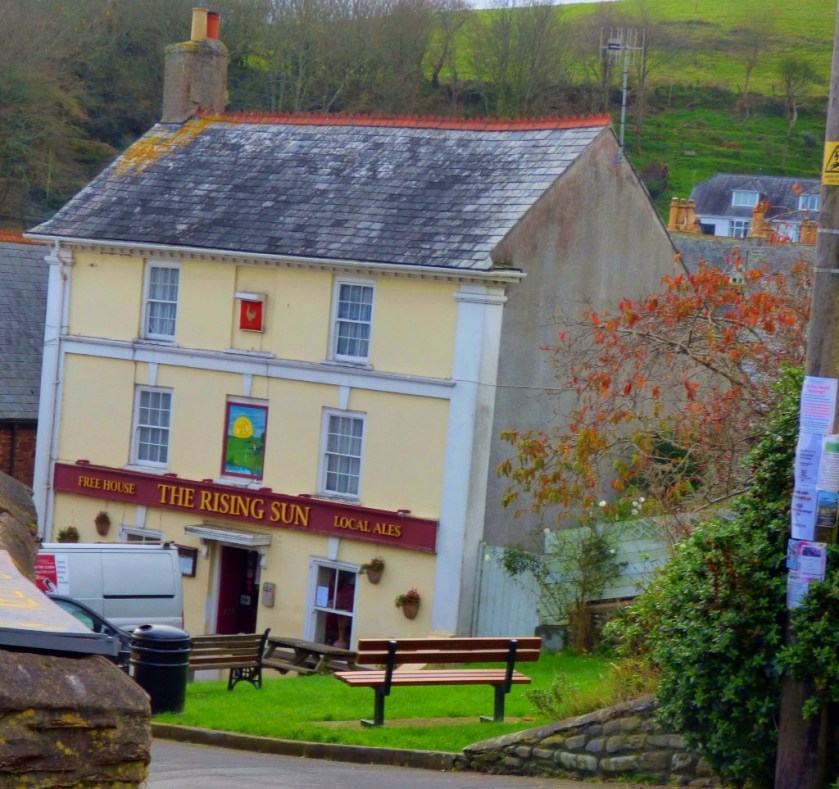

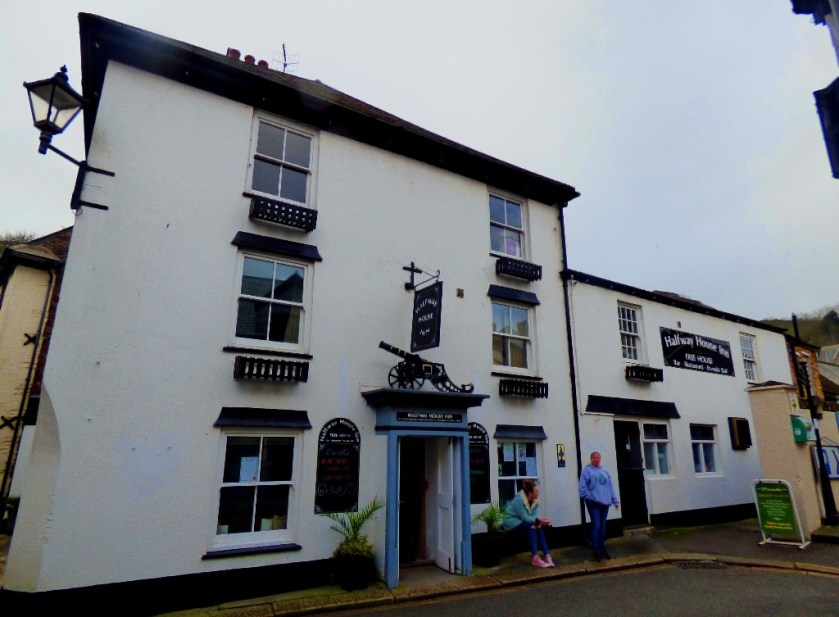
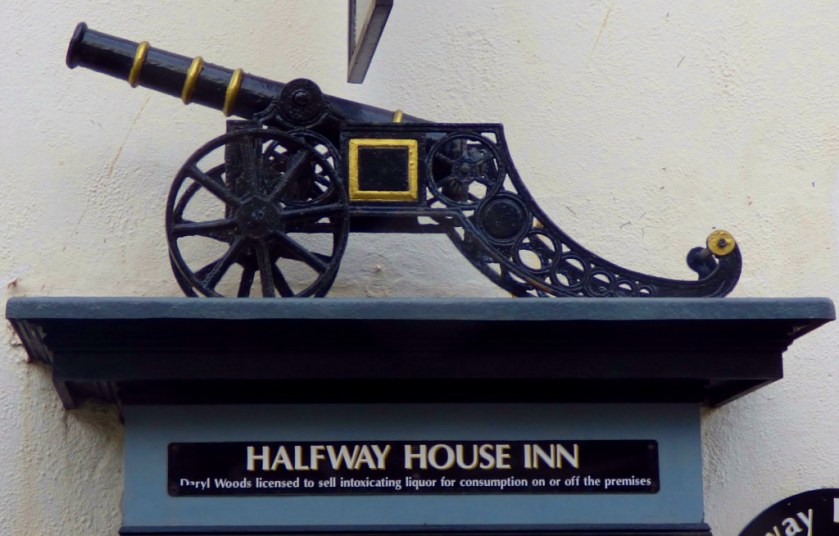
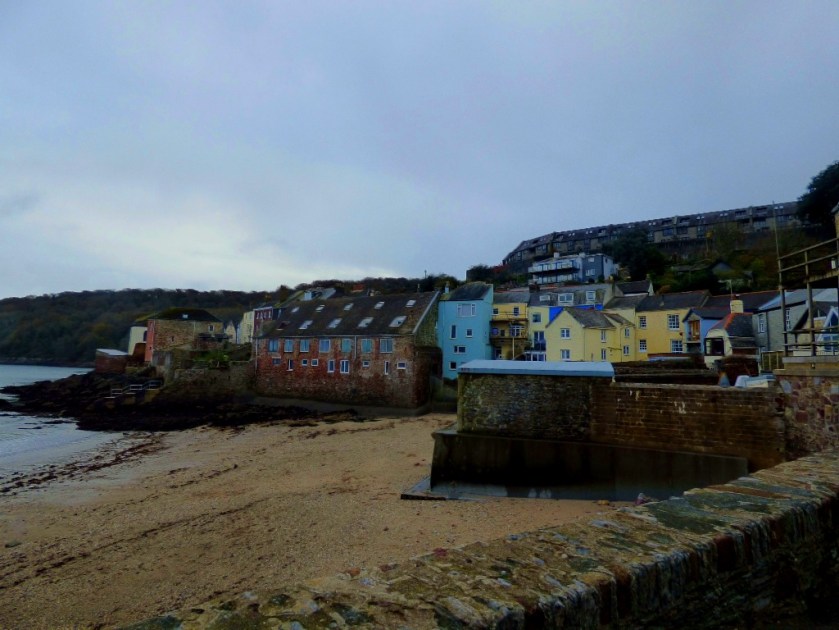
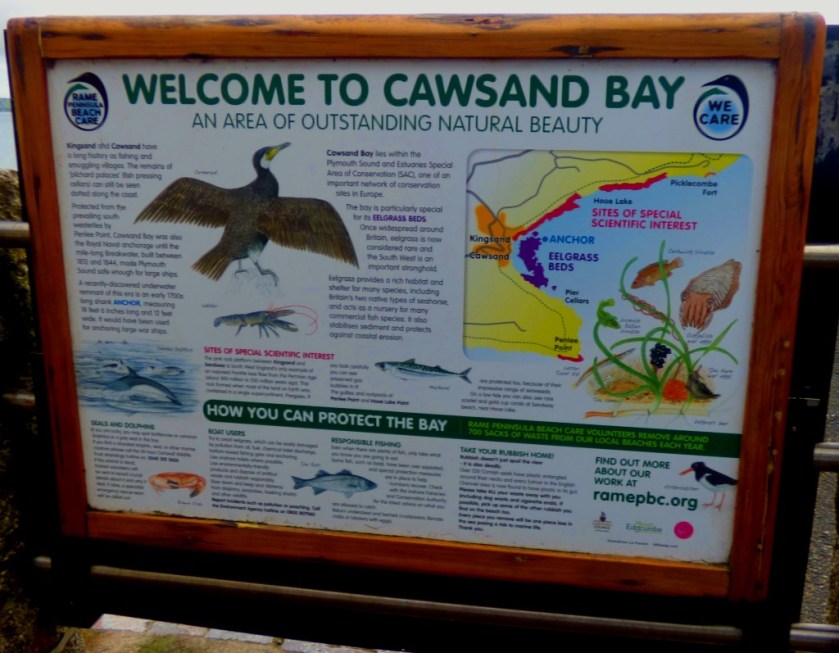

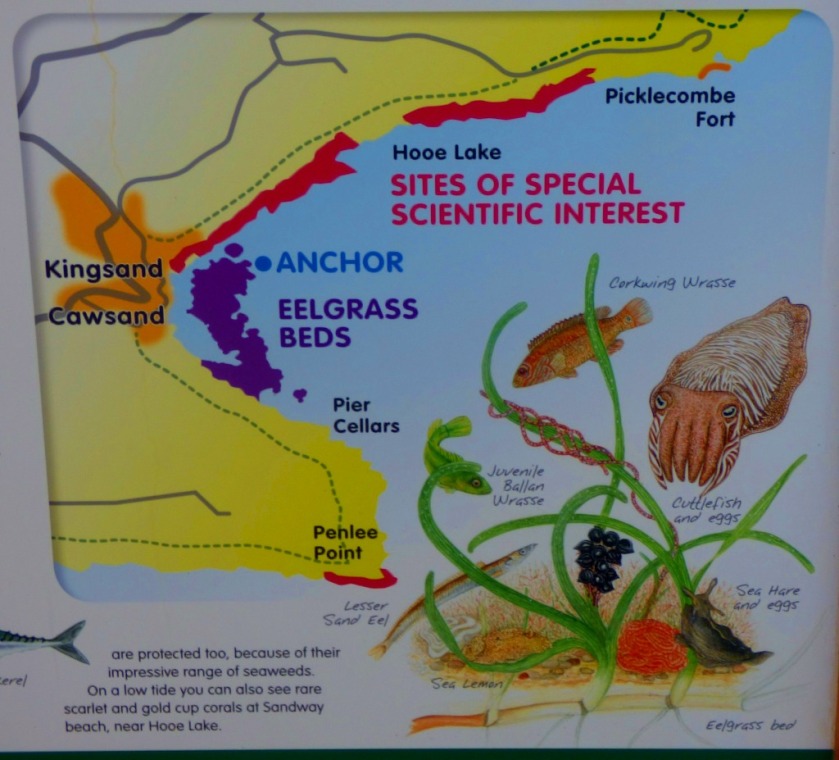
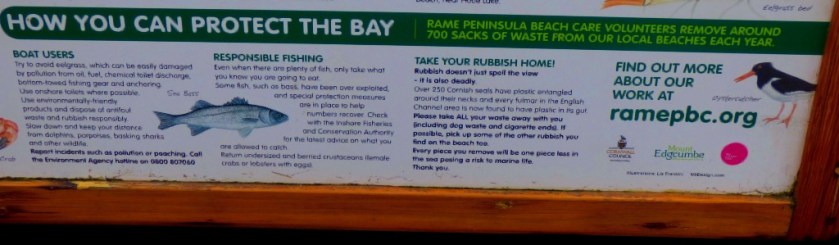

At this point we paid a visit to…
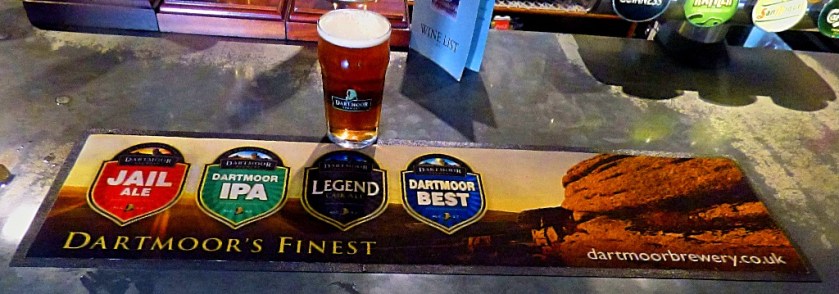
This establishment ticked one box instantly – investigation of the bar revealed the presence of locally brewed cask ale. They had three of the Dartmoor Brewery’s products available, and as someone who is a dedicated Holmesian as well as a fan of locally brewed ales I opted for “Legend”, with its connection to “The Hound of the Baskervilles”. This proved to be a very good choice – it was an excellent drink. As well as the website, which I linked to in the heading of this section they have a twitter account, @devonport_inn. Here are some pictures taken while enjoying my pint…
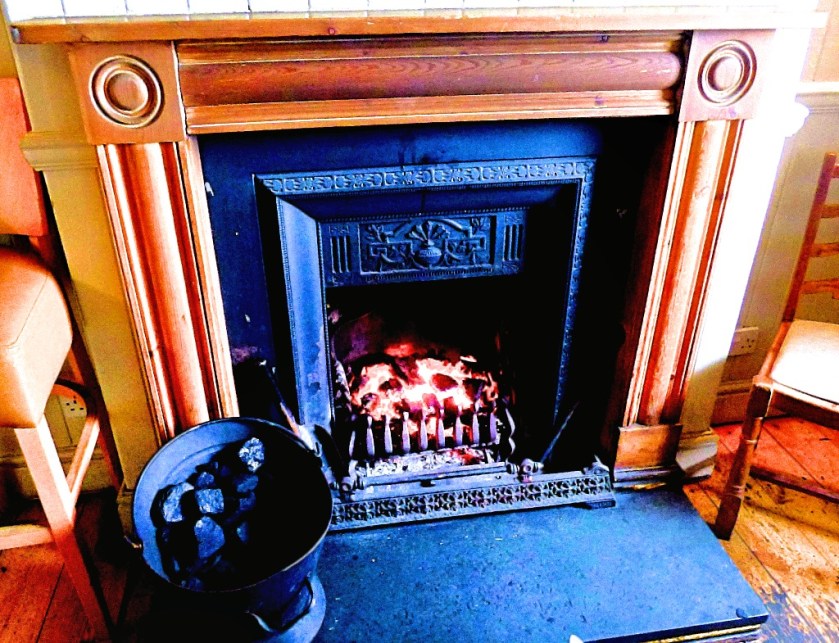





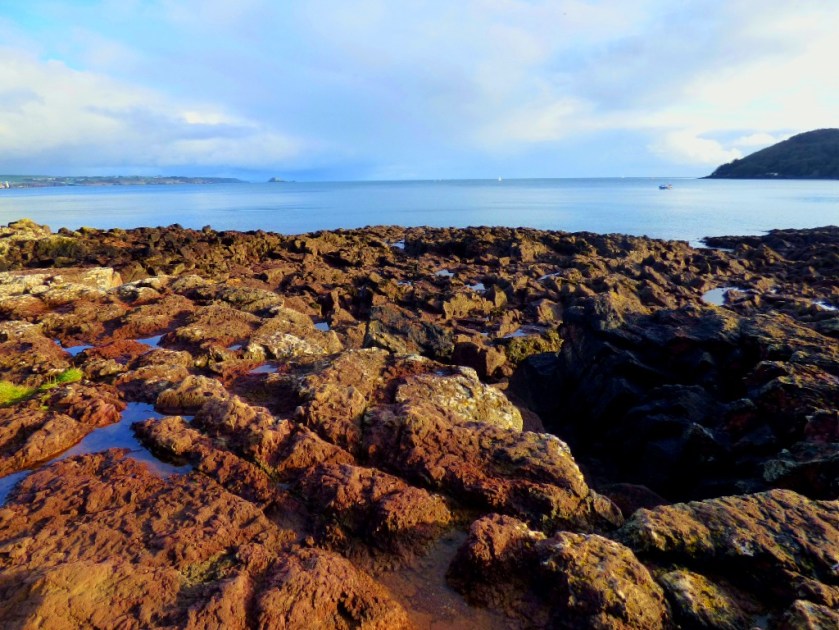
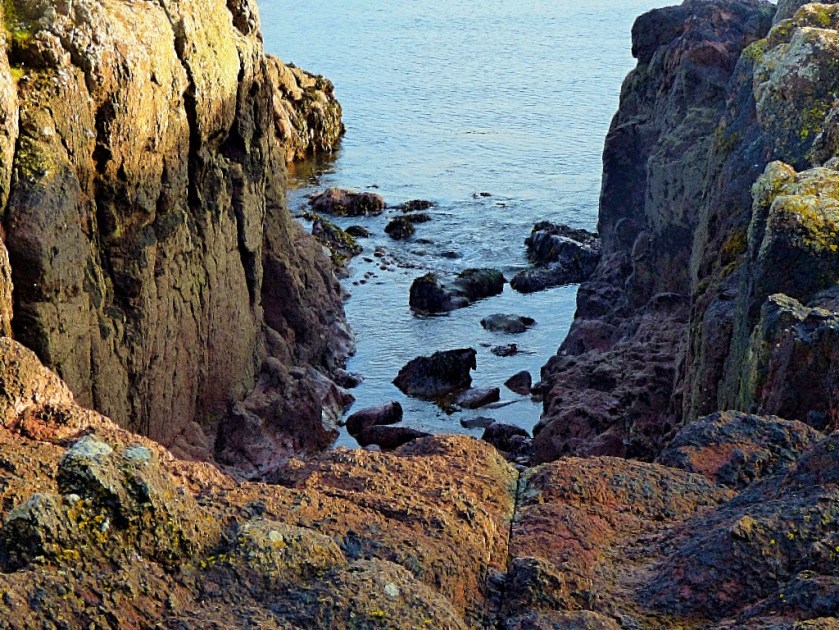
We started out along the sea front. My mother abandoned this route quite earlu, but my father and I continued along the sea front rather longer (in retrospect this was an over adventurous decision given some of the terrain we had to contend with). By the time we saw a wooden staircase leading up to a campsite near the fort we were glad of a definite way back to the official route. I conclude this post with some photos from the walk back…











Setting the scene for my Cornish holiday.
To explain the title of this post, Kernow is the Cornish name for Cornwall, and that is where I am at the moment, staying for a few days in my parents new home. Here is a map to start things off:
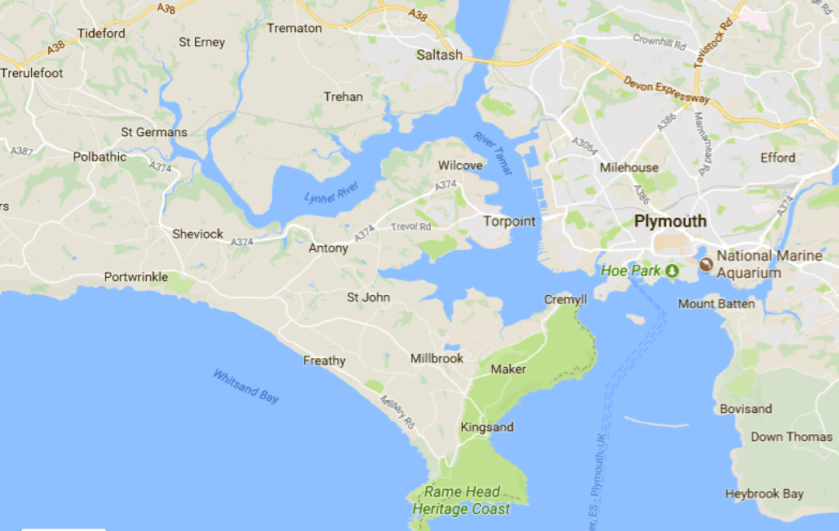
My parents new place is near Kingsand, towards the bottom centre of the map.
In this post I will tell you about the stage I left the November auction in, describe my journey down from King’s Lynn and finish with a few pictures from the new house.
I had booked Thursday and Friday as leave, and in order to be as up to date as possible before going on leave I agreed to work Monday as well as Tuesday. By the end of Tuesday the imaging was as complete as possible, and I had given my colleague Andrew a start towards the printed catalogue, with a front cover image selected and placed appropriately on the page and the back cover completed. I offer links to the files and also screenshots:
CatalogueCatalogue – coin book version
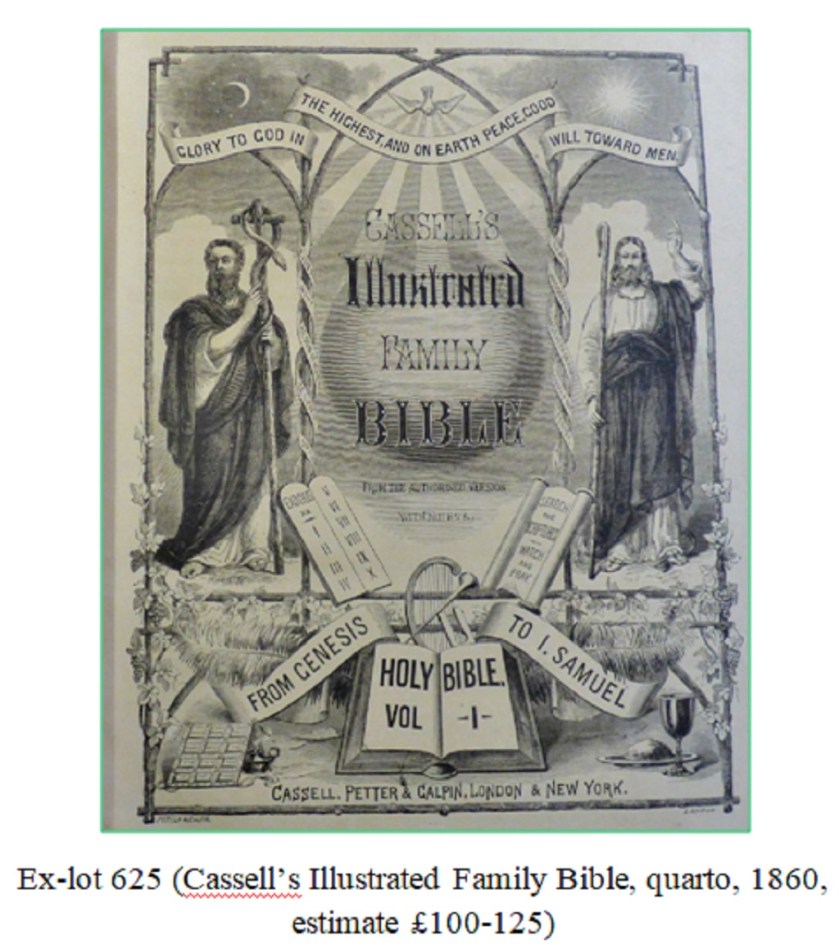
Why two versions of the front cover? Well my employer did not like my initial choice of front cover image, requesting the coin book in its place, and being me I kept both versions.
The first part of my journey was on the 9:54 train from King’s Lynn to London, which mirabile dictu ran to time. As far as Cambridge I had the company of Jo Rust, Labour candidate at the last two general elections in my constituency. Ely Cathedral was, as often, a target for my photographic attentions:


On arrival at King’s Cross I headed down to the Circle/ Hammersmith & City/ Metropolitan lines to get a train across to Paddington. The first train was heading for Uxbridge, therefore not one for me to take, but the second was bound for Hammersmith, and hence going by way of the right Paddington, the one that is structurally part of the mainline station, as opposed to the Circle/ District line station that should revert to it’s original name of Praed Street.

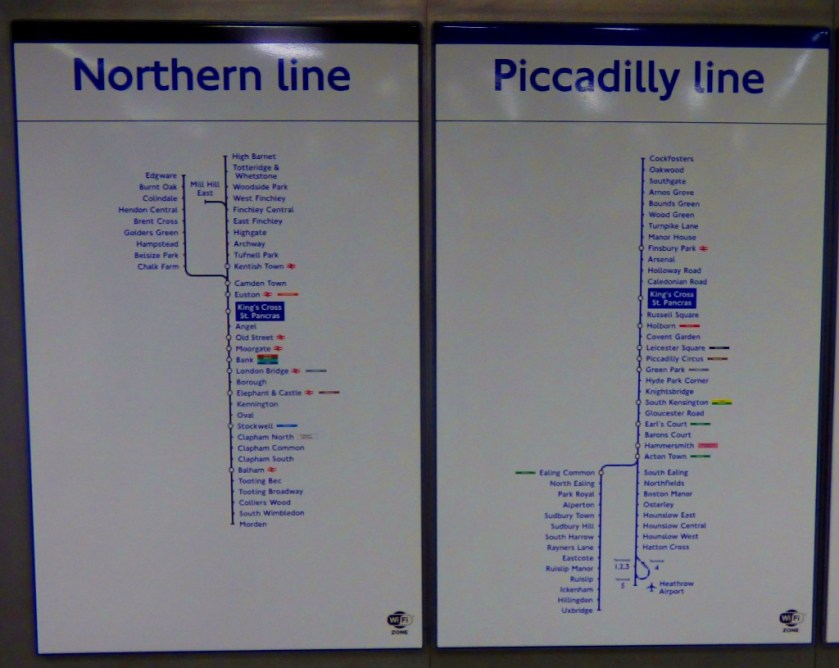
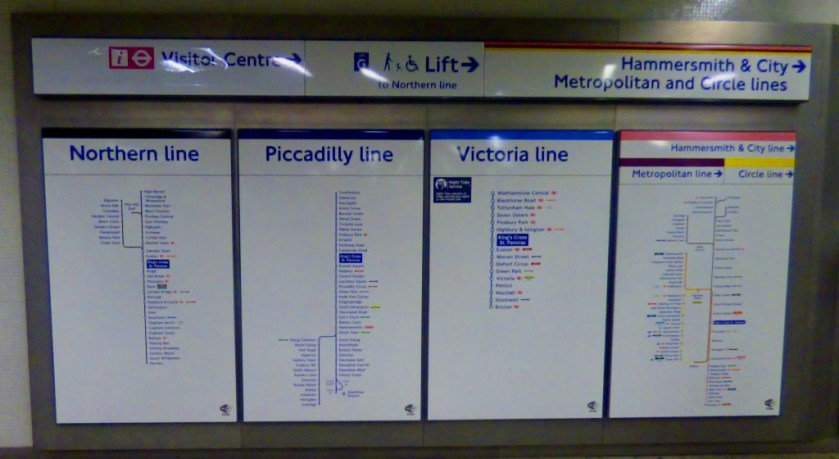
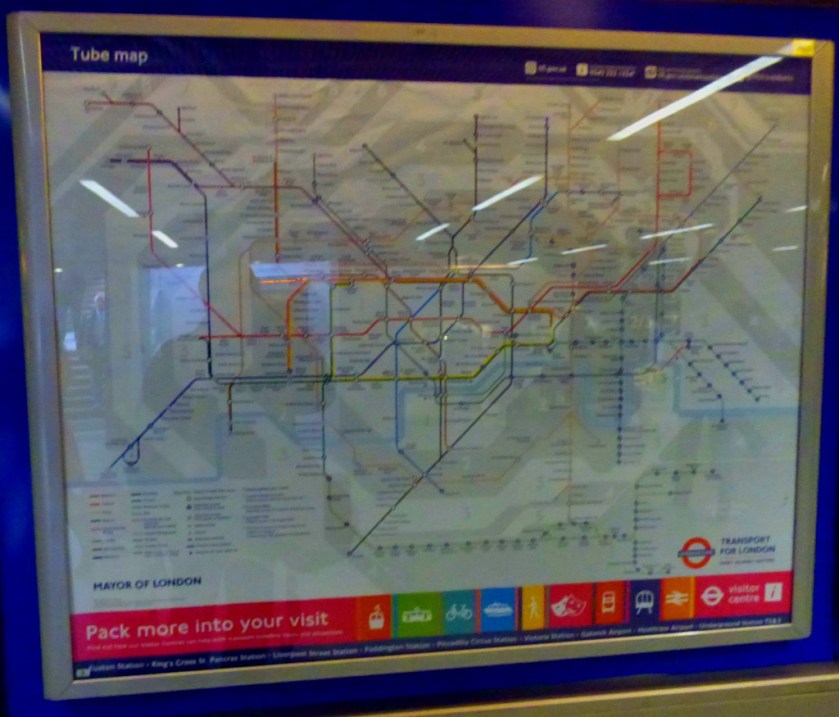


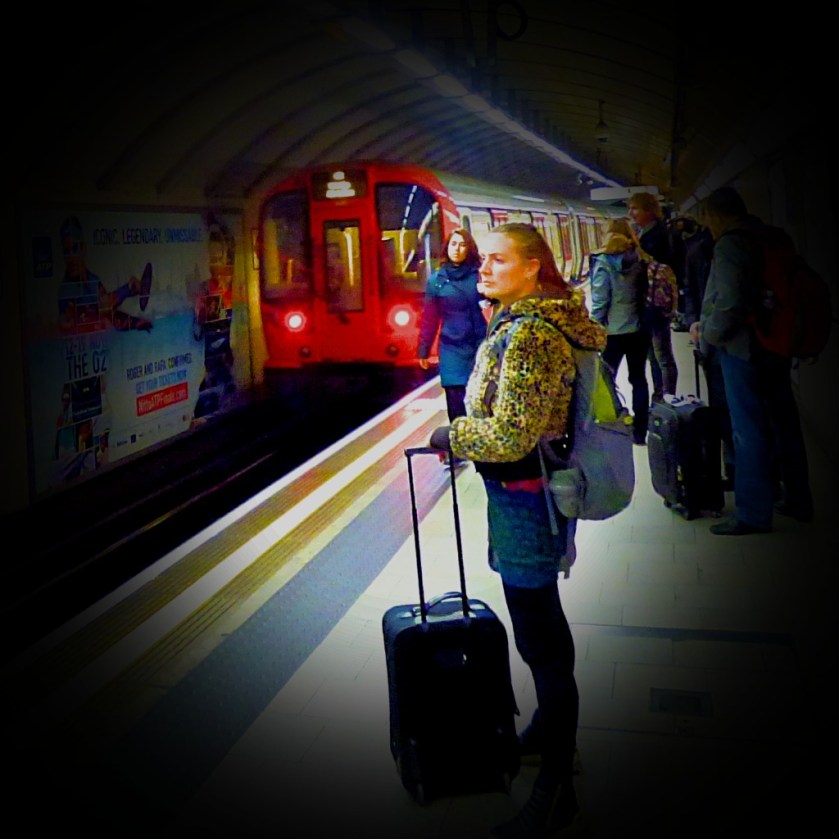

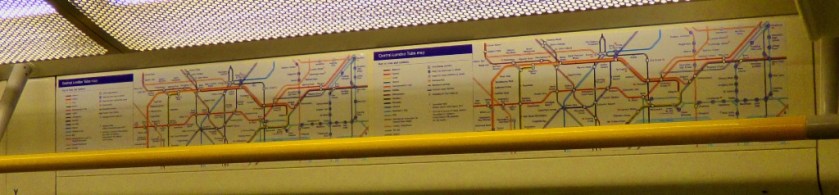

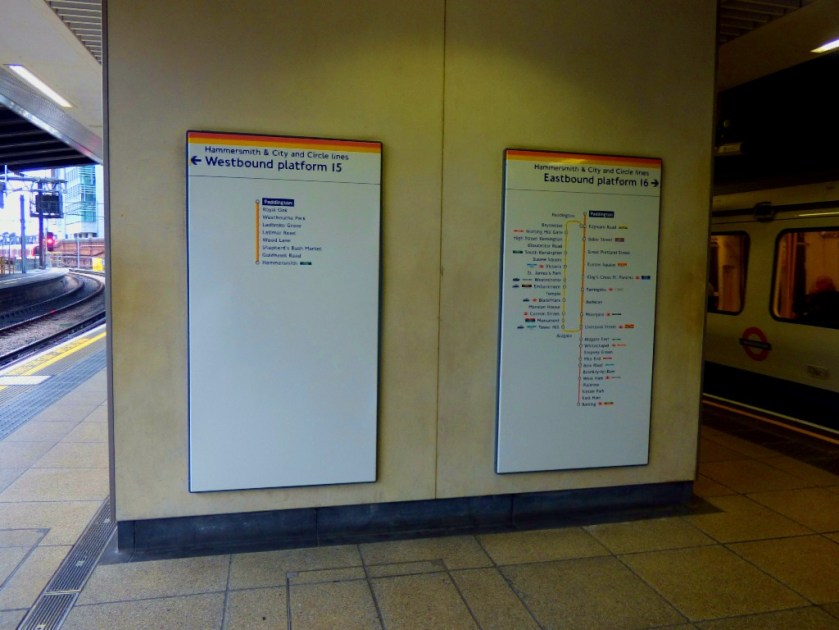

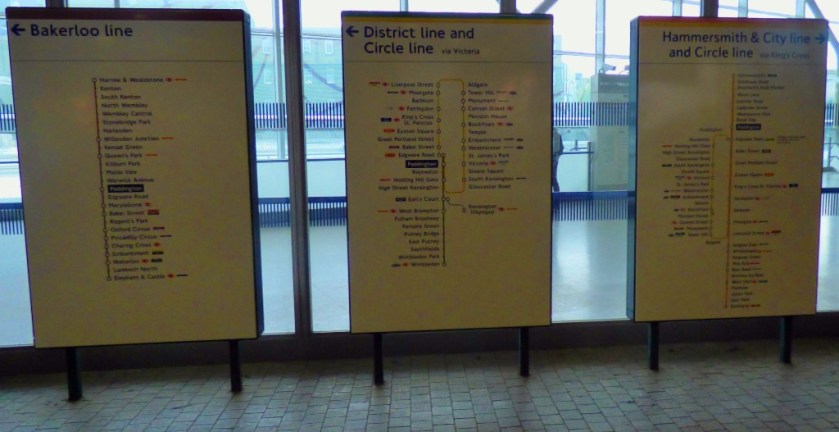
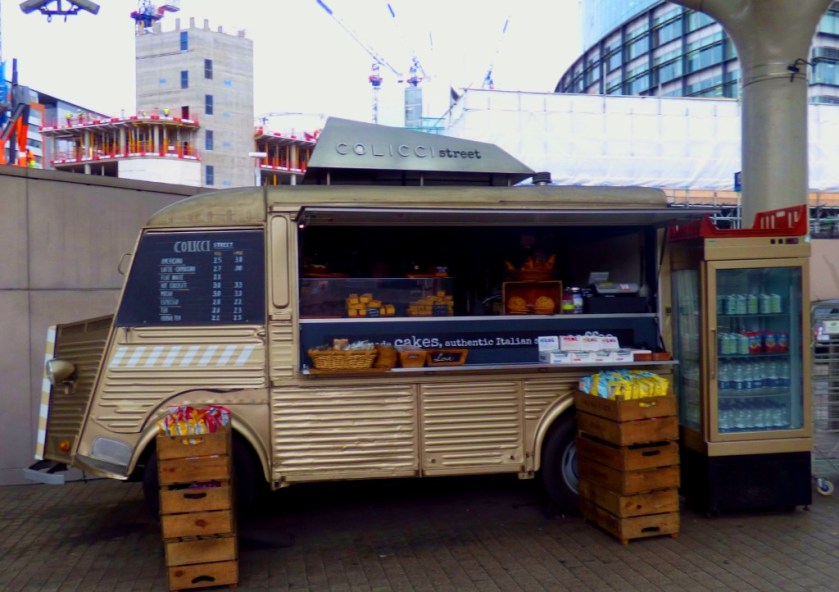
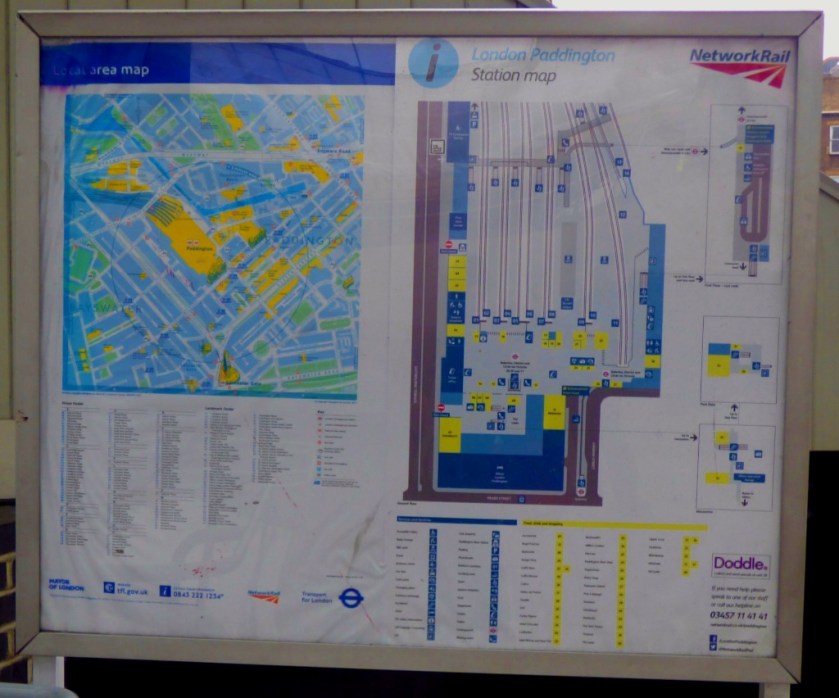
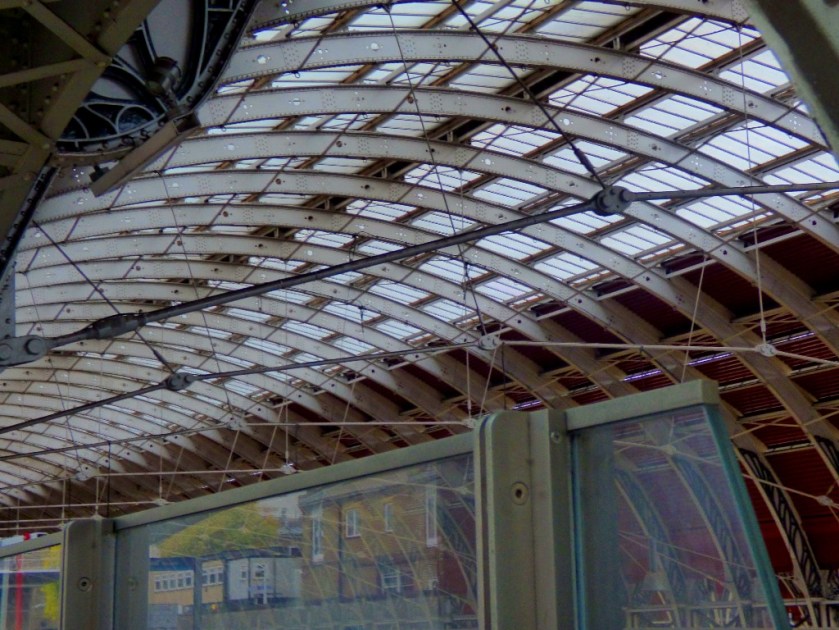
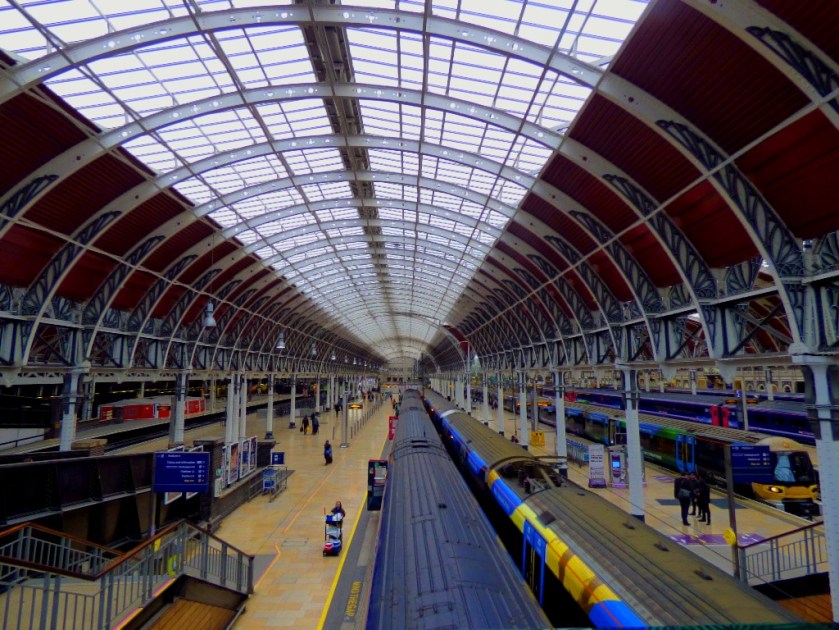
Having a had a decent but not stellar connection at King’s Cross I arrived at Paddington with just under an hour to go before my train for the long-haul section of the journey was due to depart. Although careful to stay close to the information screens that I would not miss the platform number for my train when it came up I did get some photos while I waited for this information.
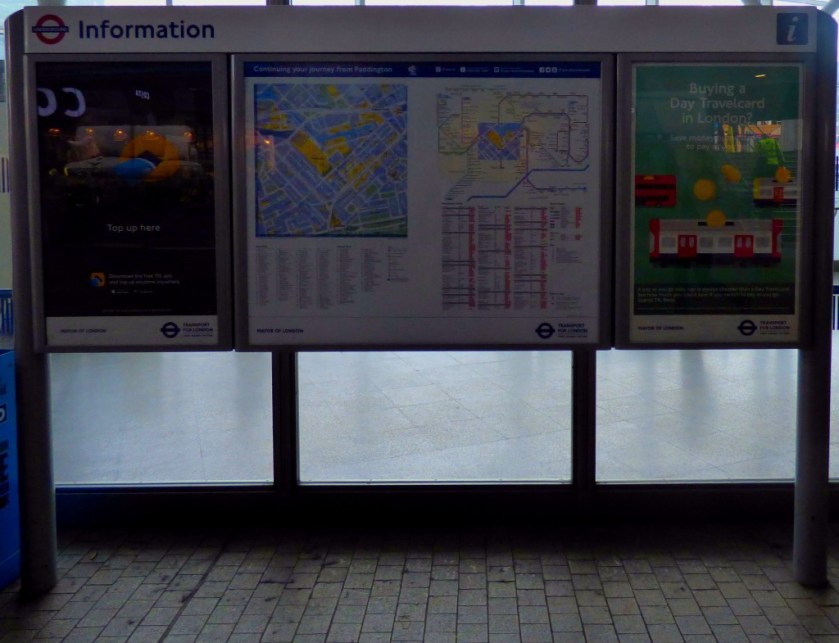


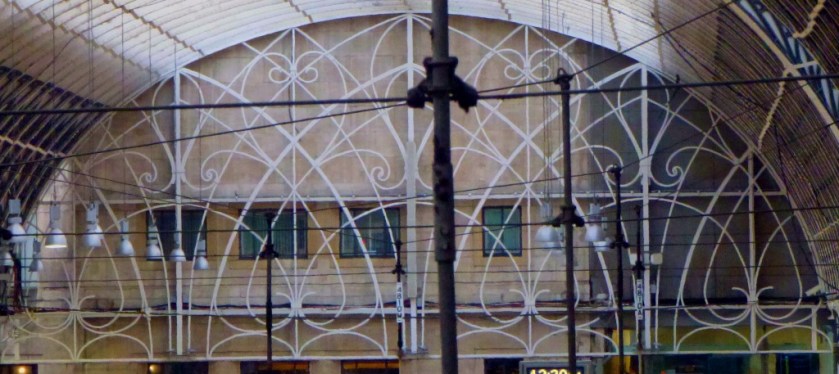


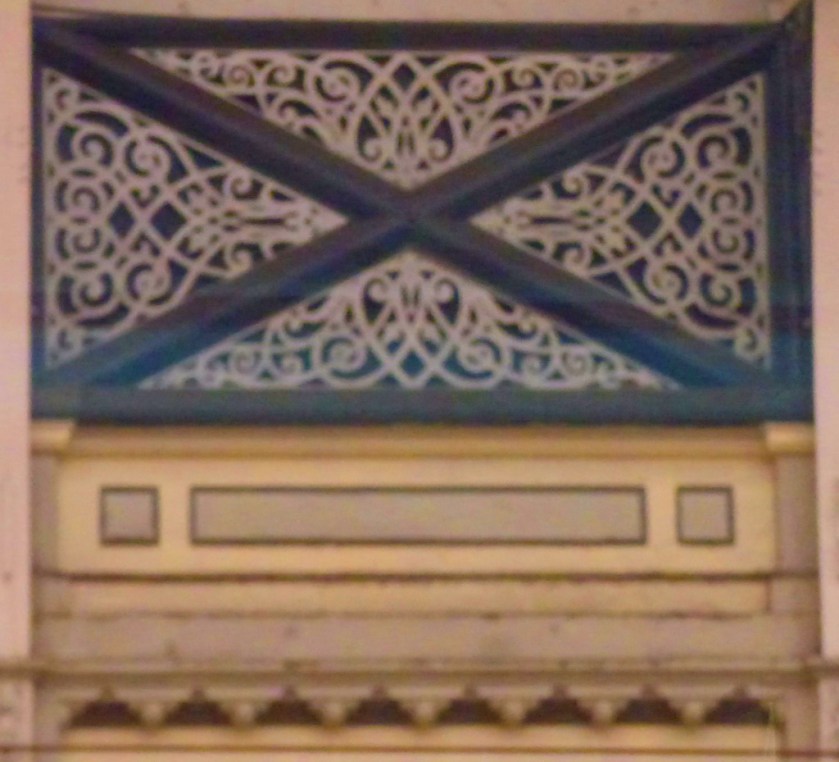
I did not get as many pictures as I would have liked during the train journey to Plymouth, as my camera’s battery ran out of charge just beyond Exeter (so no pics from Newton Abbot, Totnes or the approach to Plymouth). The train arrived in Plymouth exactly on schedule, making it a jackpot-like two train journeys in Britain on one day that had run to time!
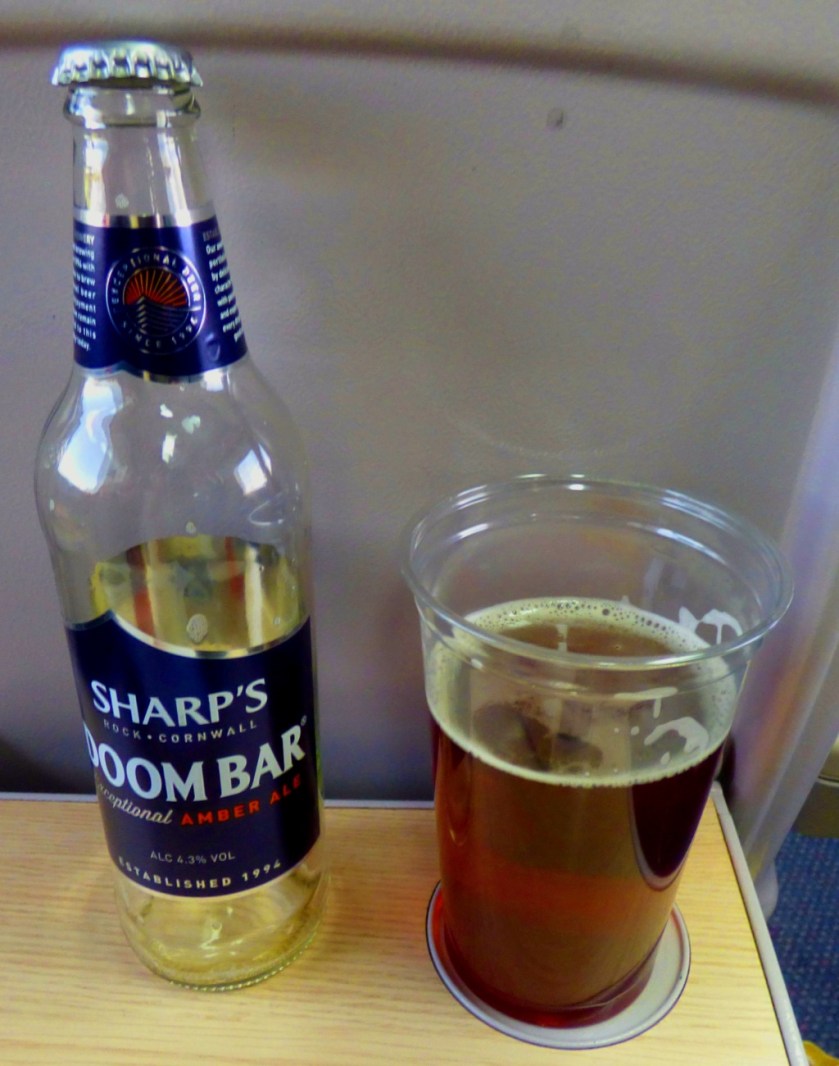
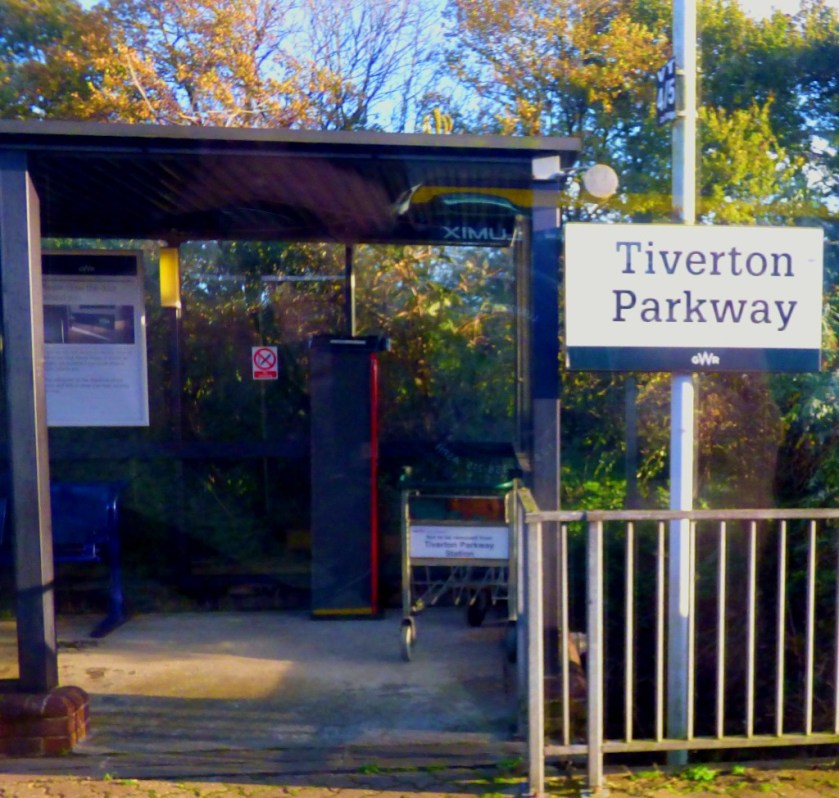
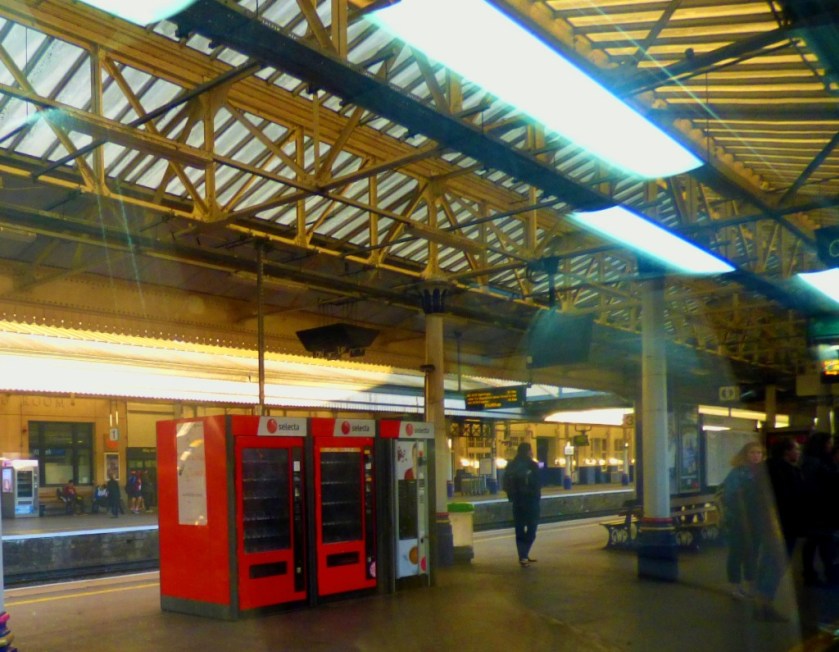
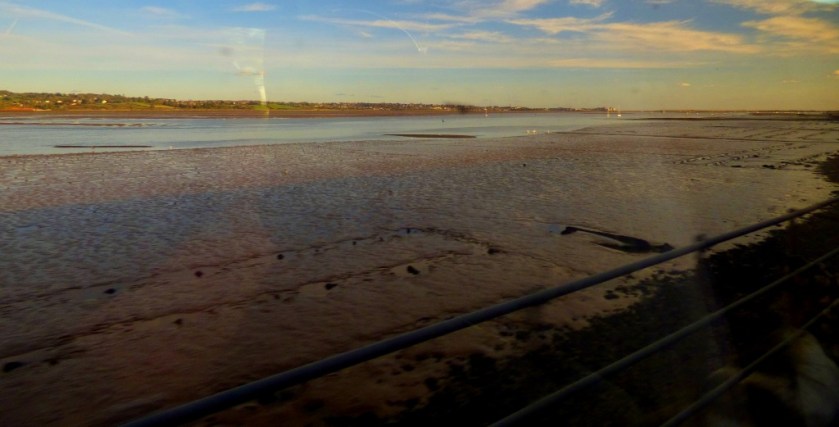
Picklecombe Fort, wherein my parents have their new apartment is about 2.5 miles from Plymouth as the crow flies, but the road journey is so roundabout that this portion of the journey took almost the same amount of time as King’s Lynn – London had at the start of the day!
This morning, with my camera battery fully charged I took some pictures here at Picklecombe Fort.


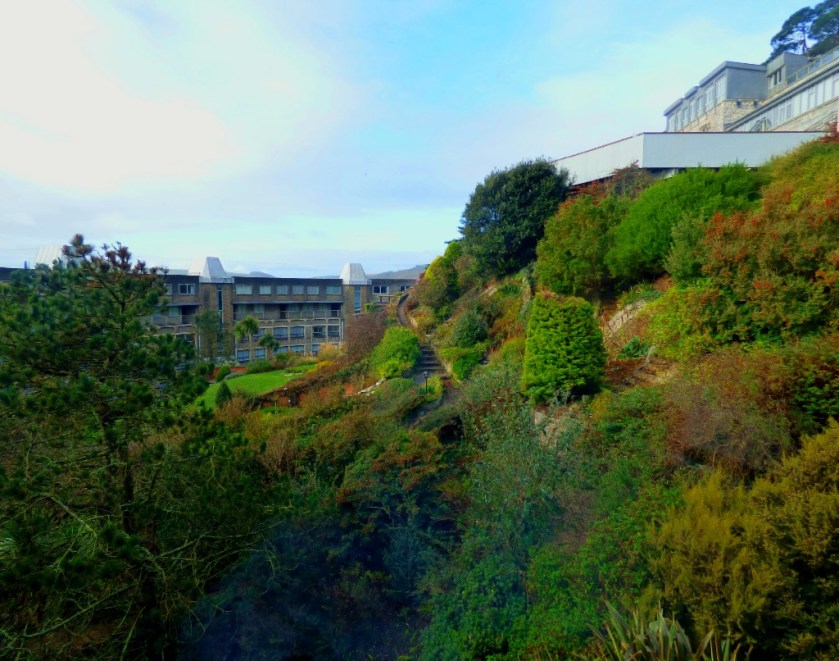
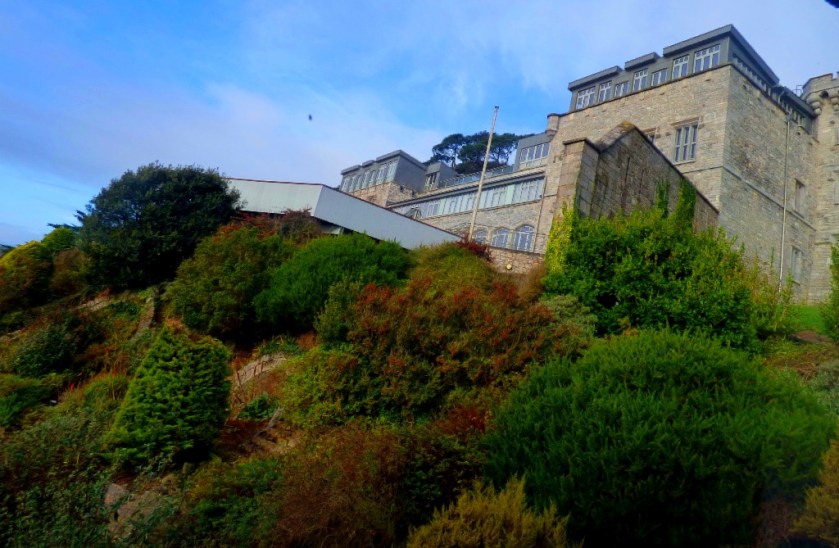
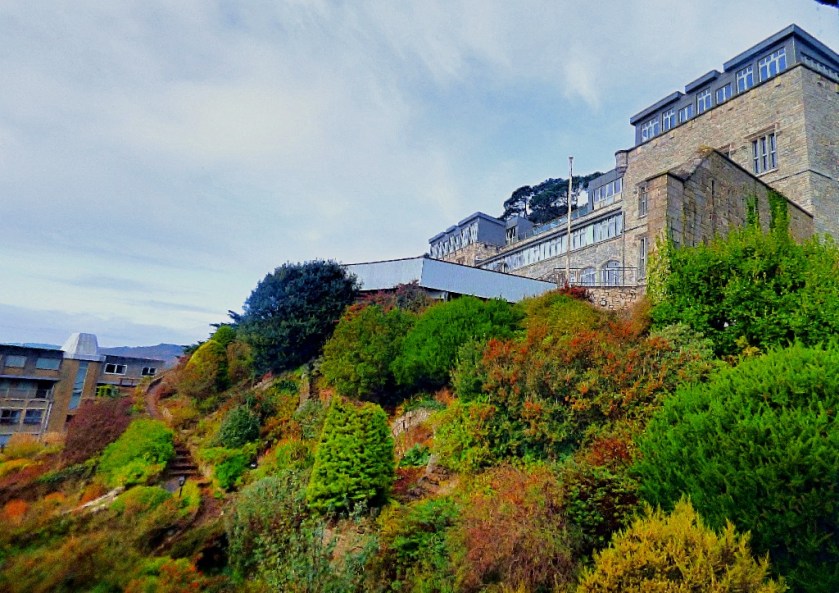

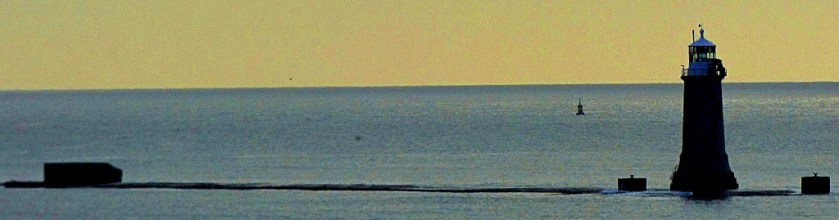


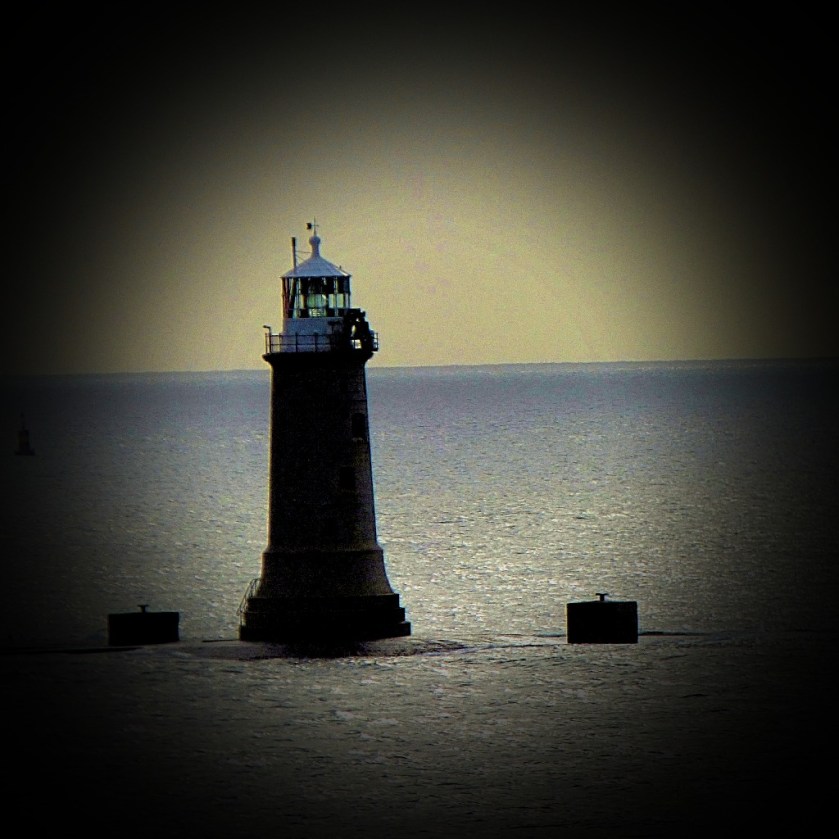
Pictures from the last few days.
It has been three days since I last posted here, and five since I created anything new here. Just to keep things going here are some pictures that I have taken during that period.
The pictures I have from work that I consider worth sharing come in two sections. First…
We have some very old books going under the hammer in our auction at the end of November, and our printed catalogue will feature a page of some the finest frontispices and title pages, so here is a sneak preview:

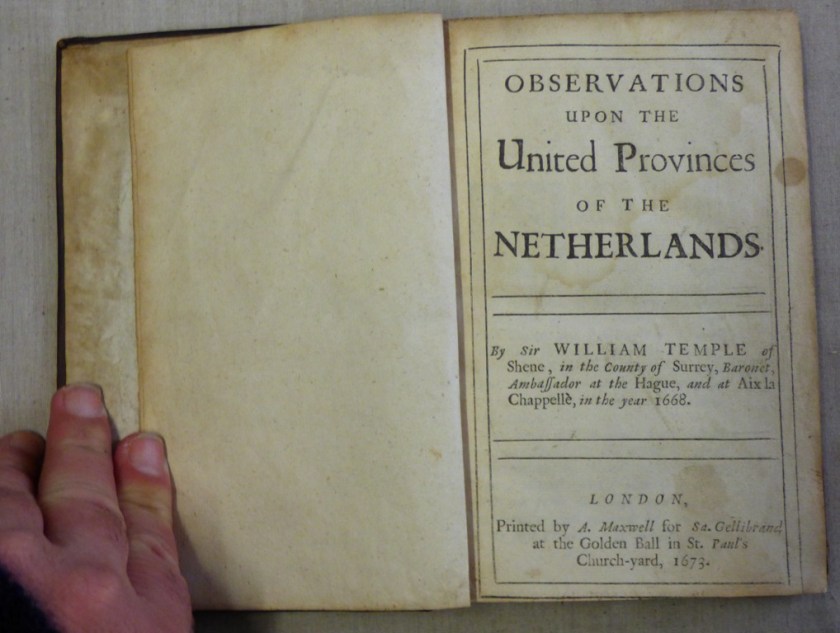
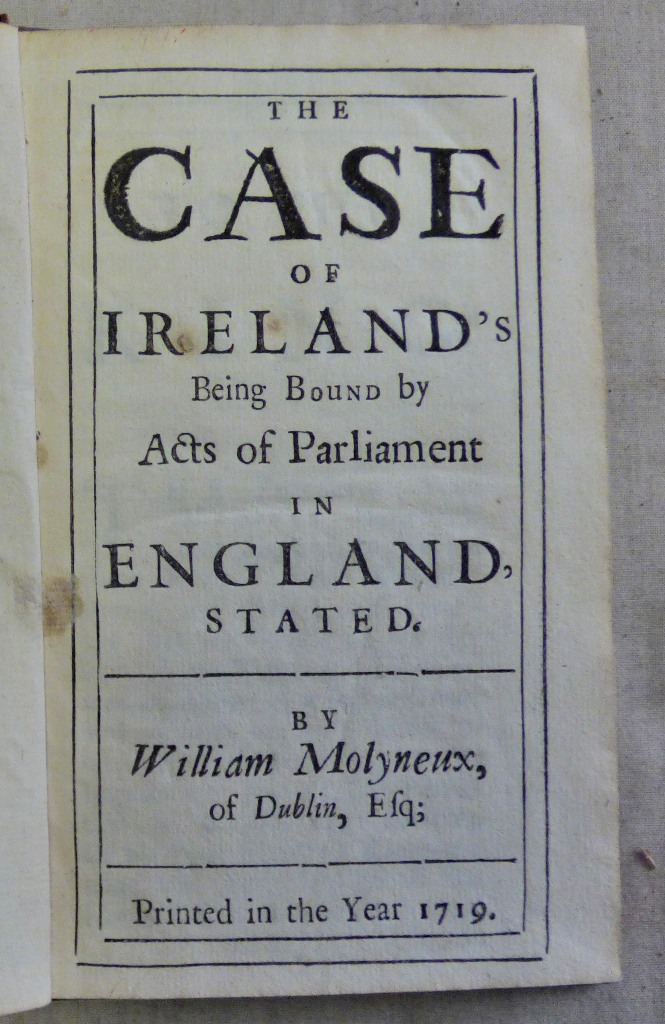
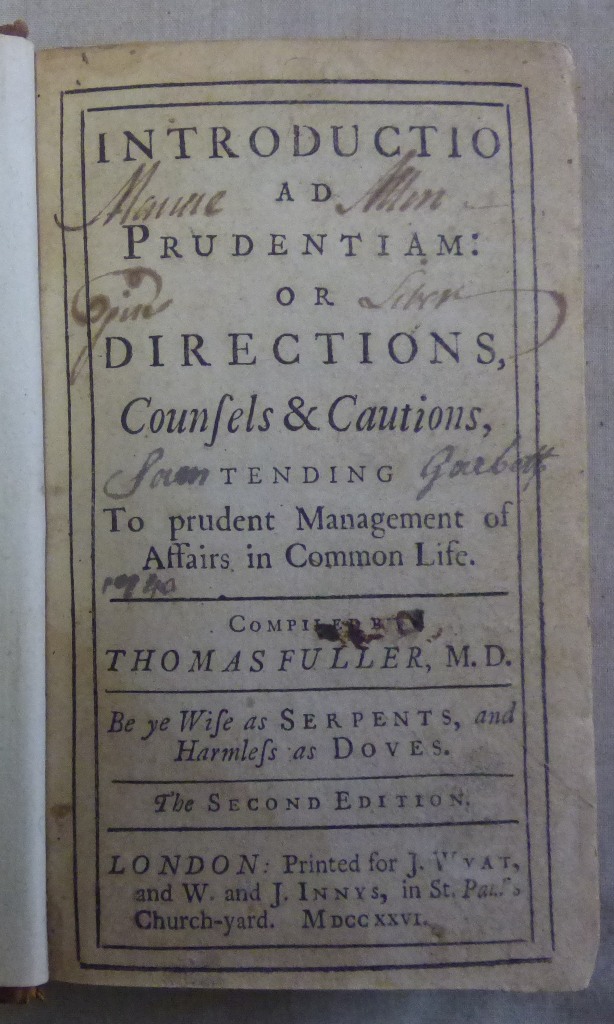
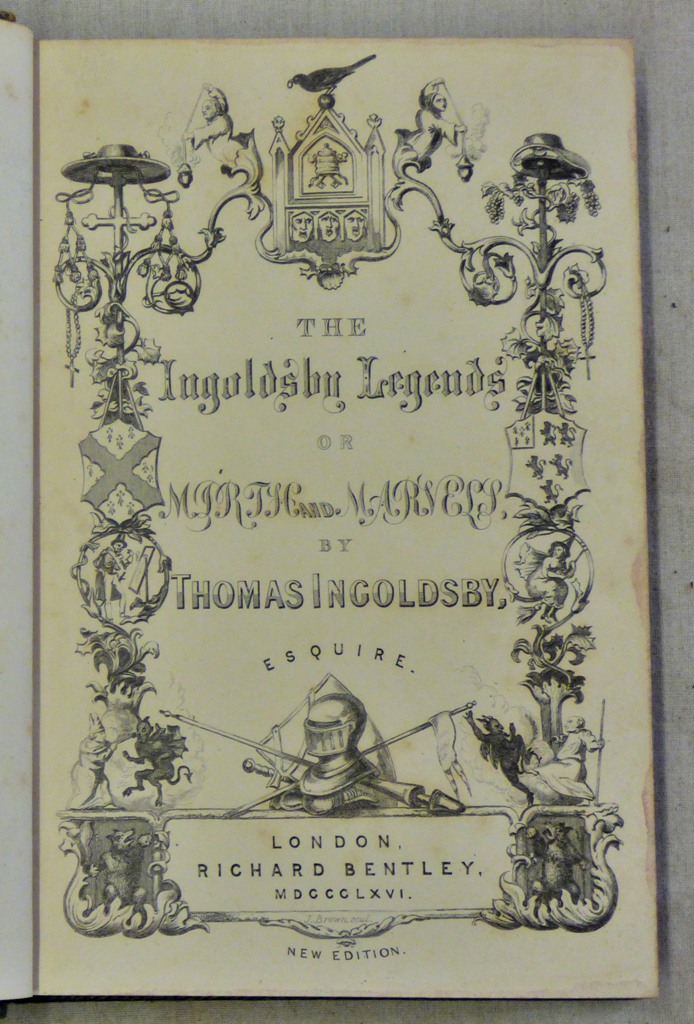
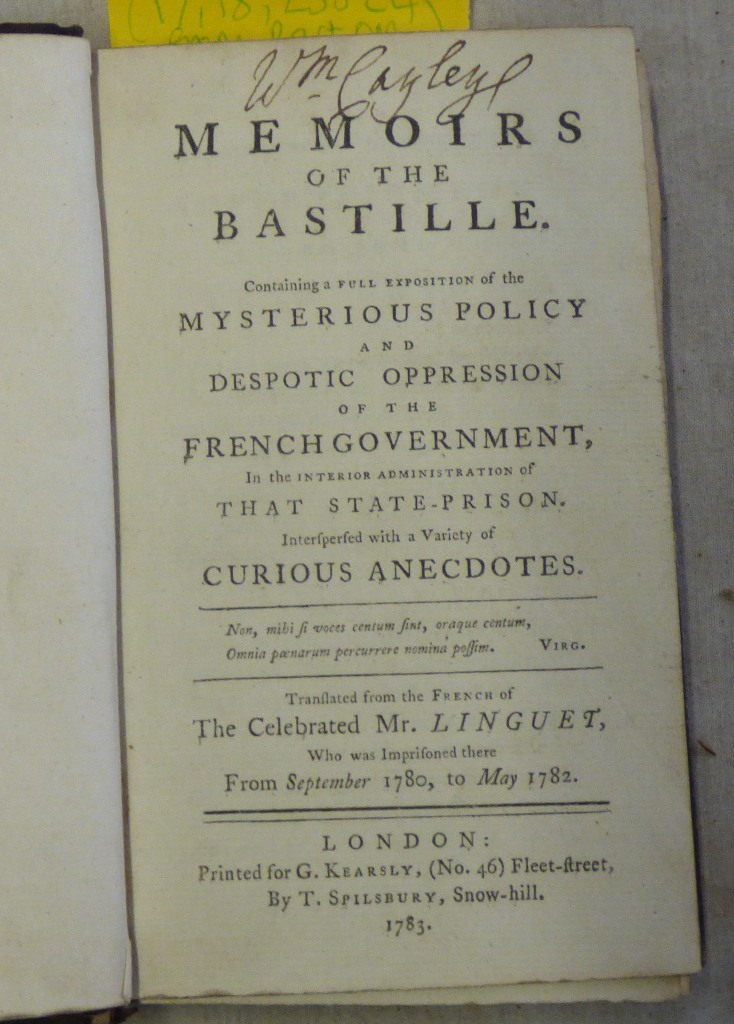

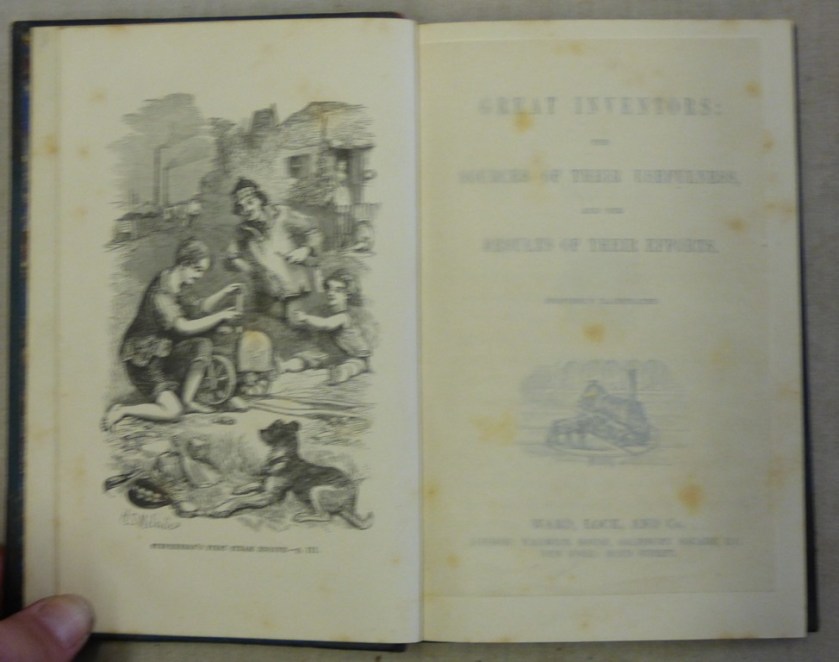
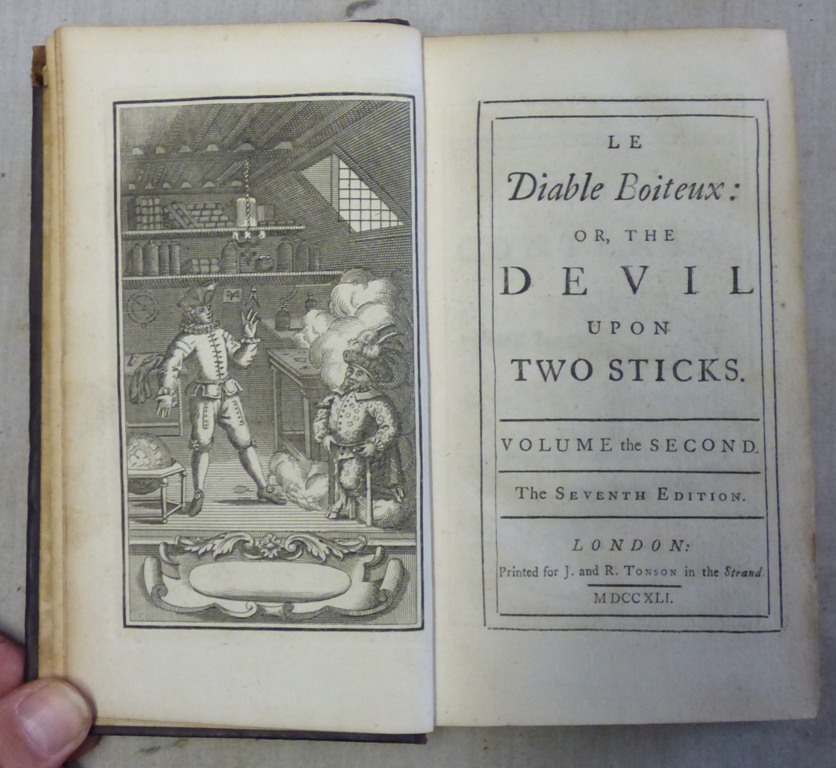
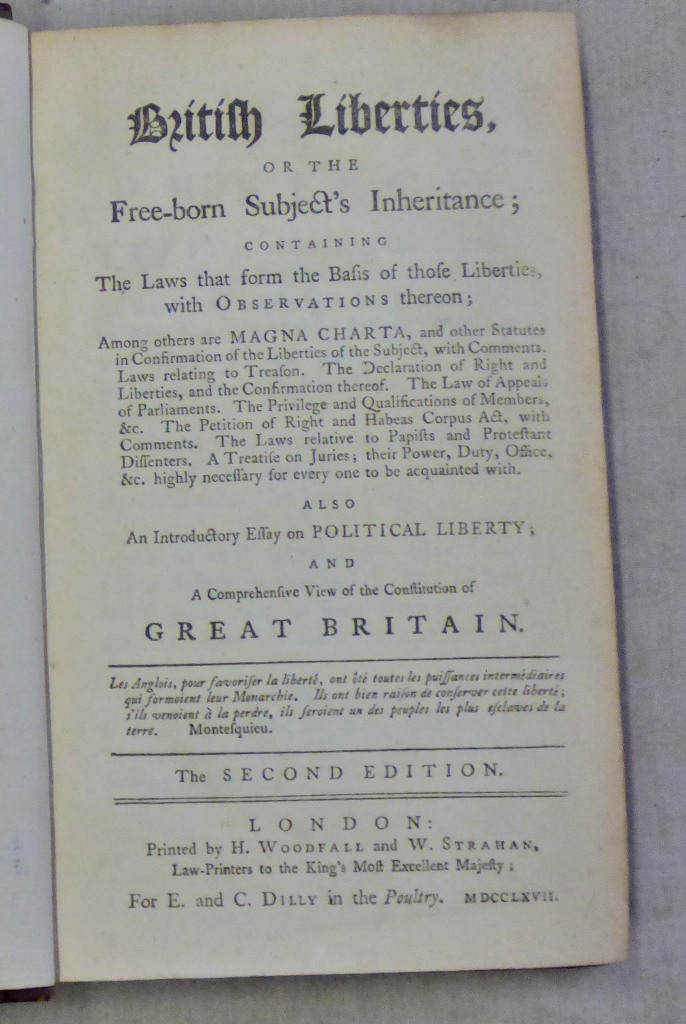
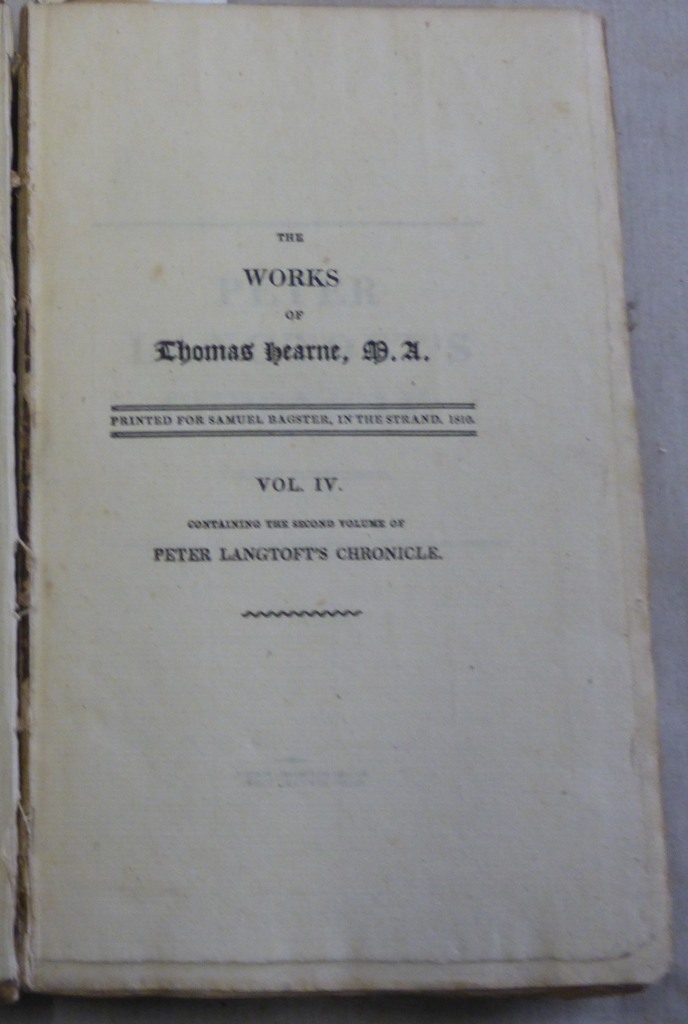
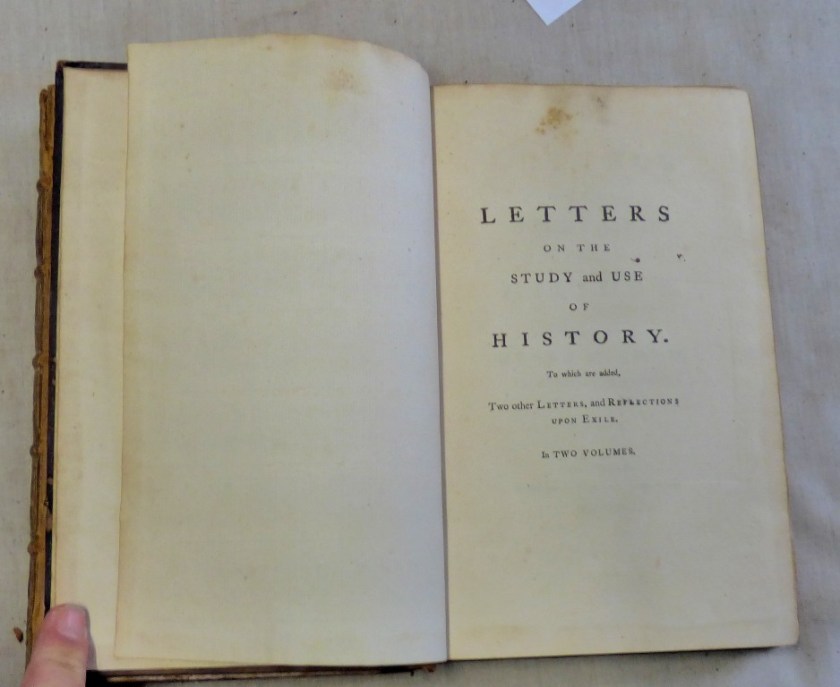
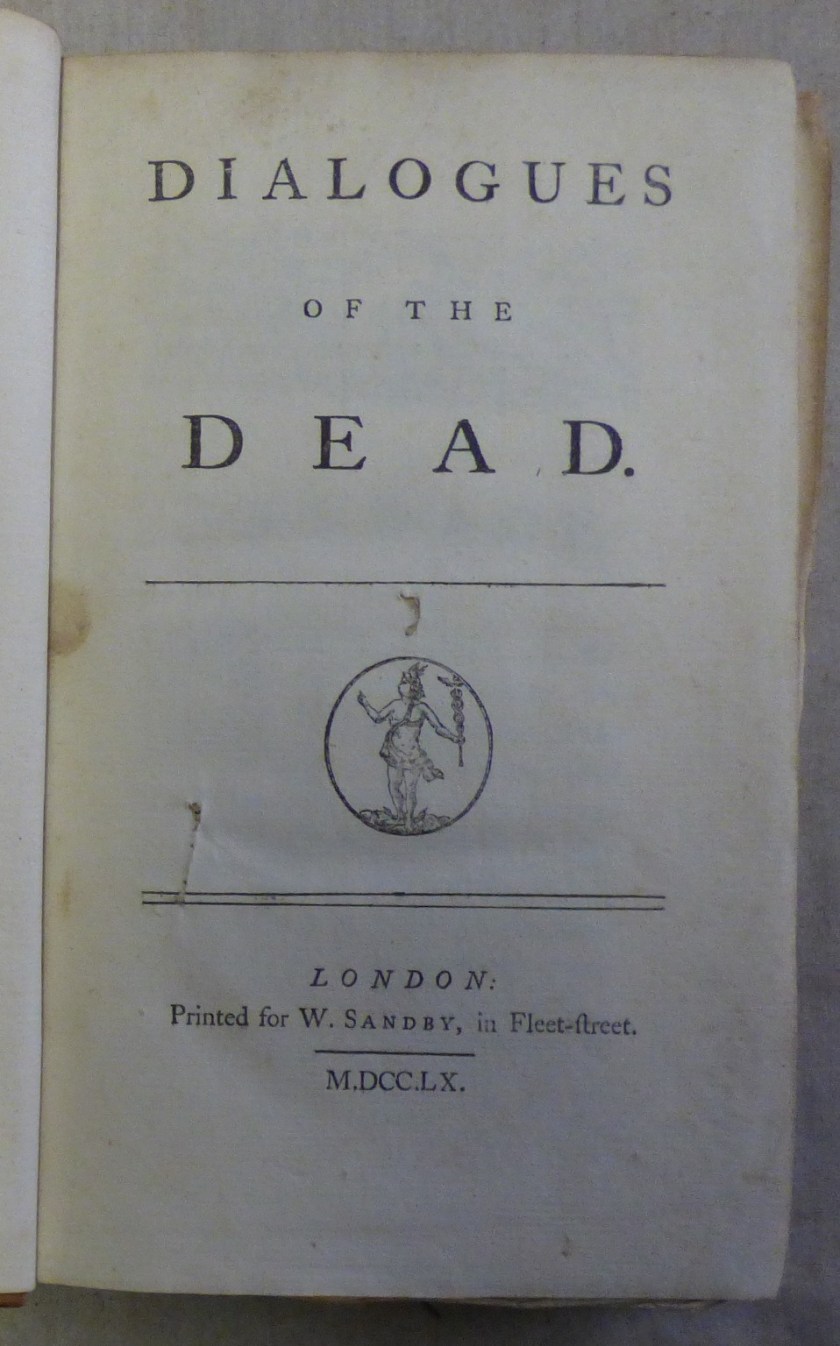


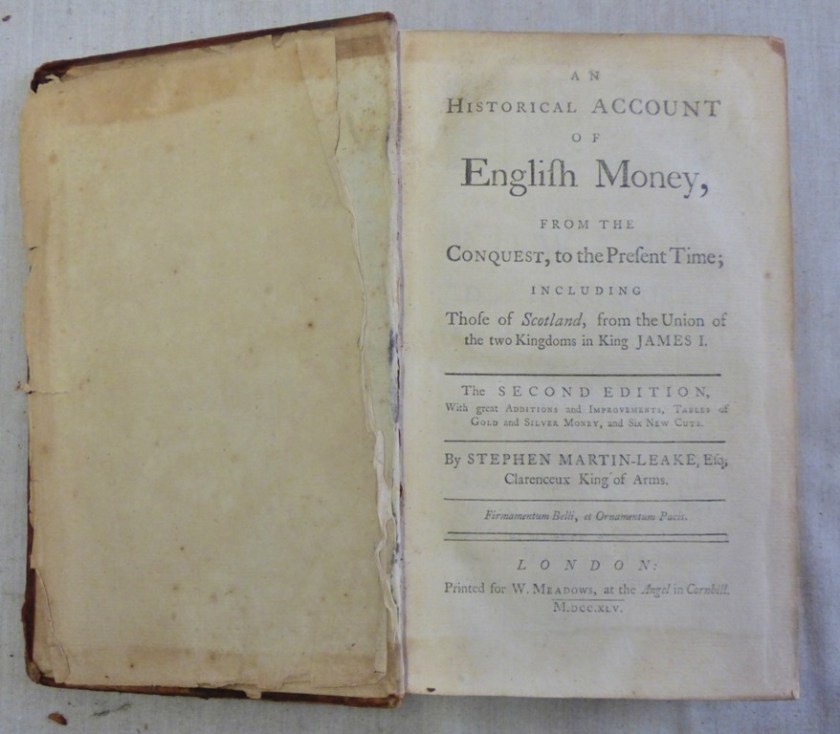
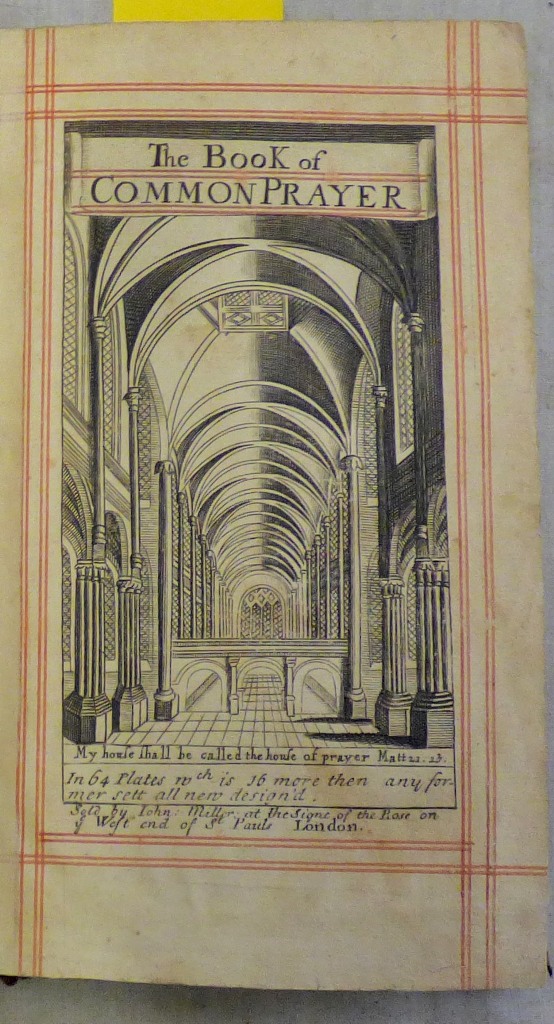
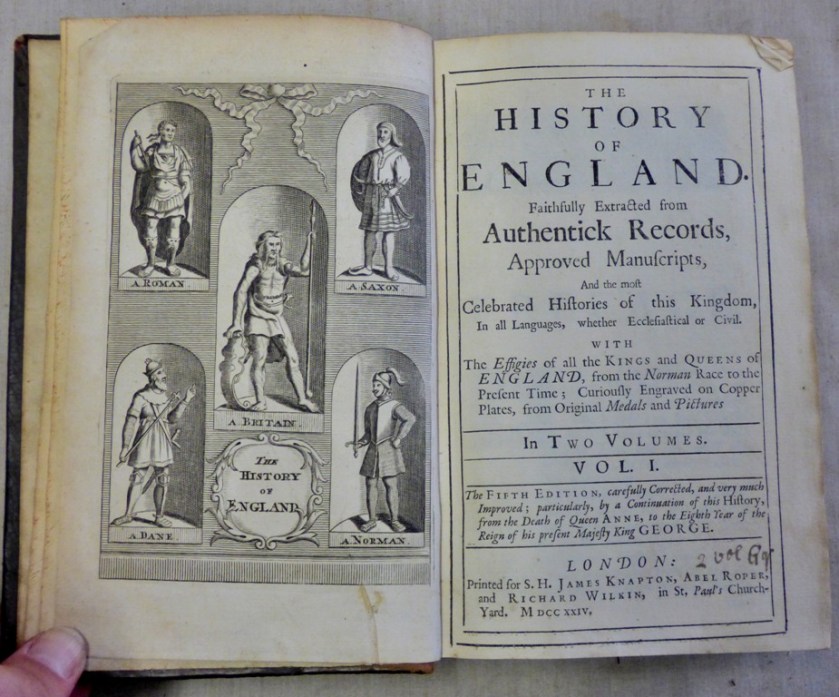
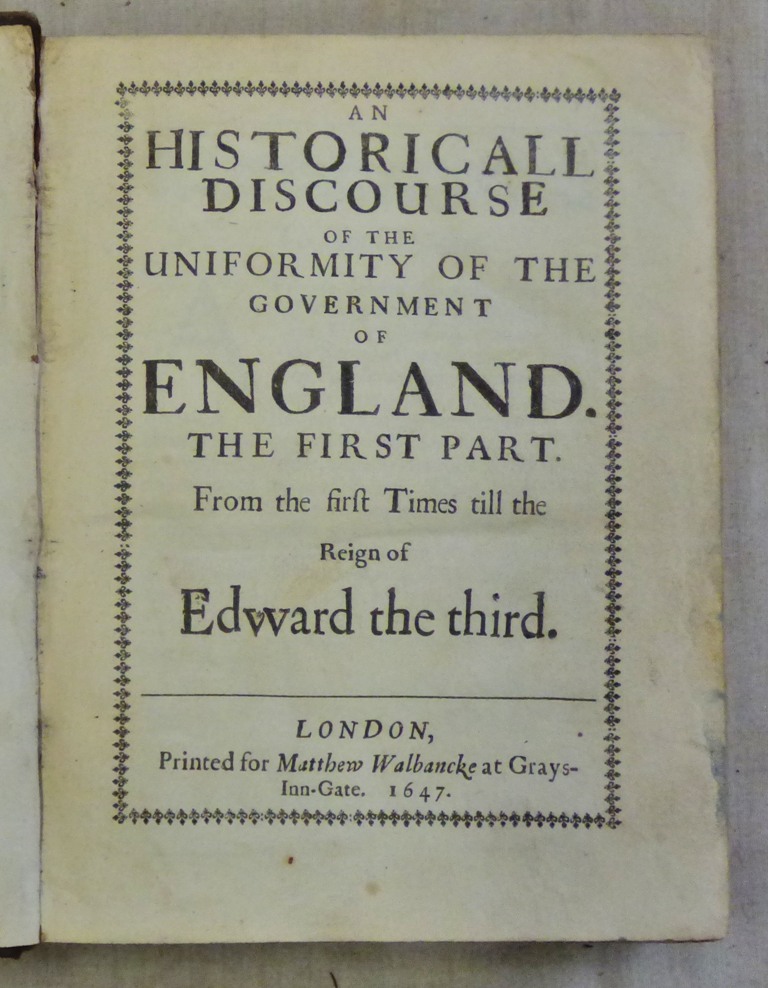
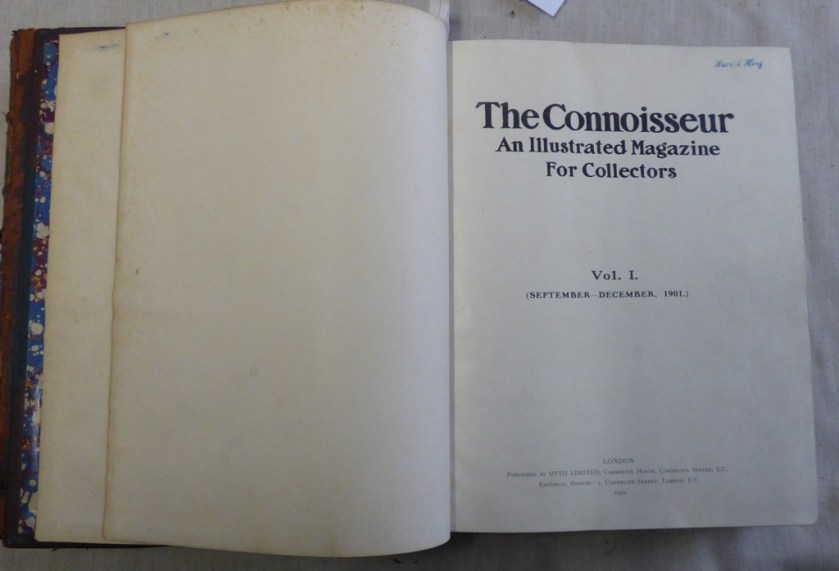
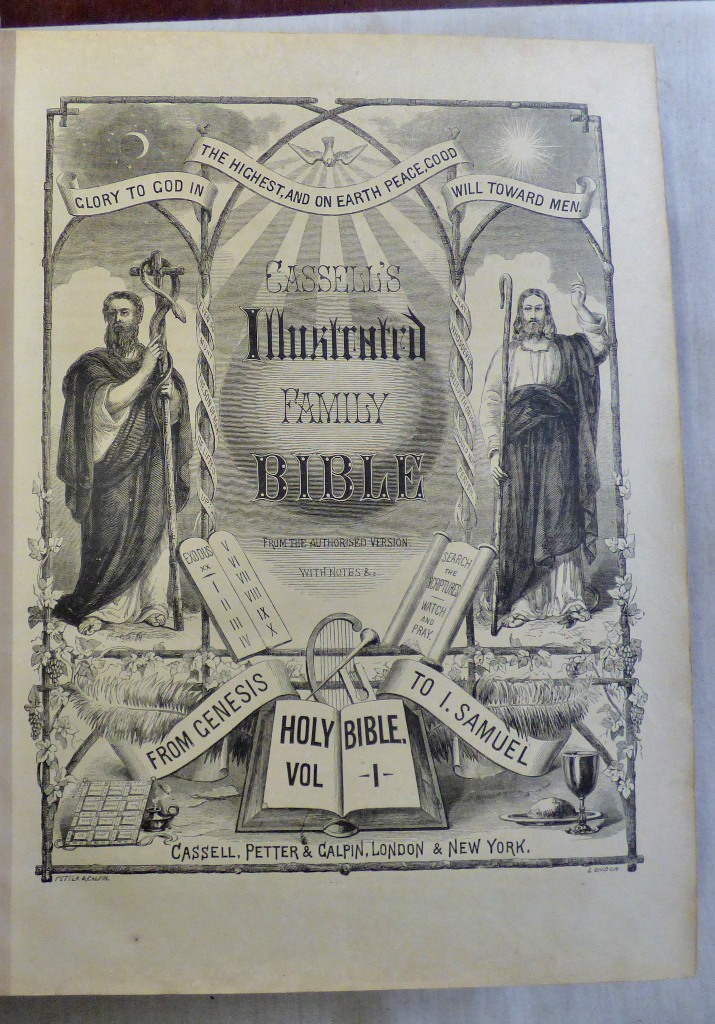
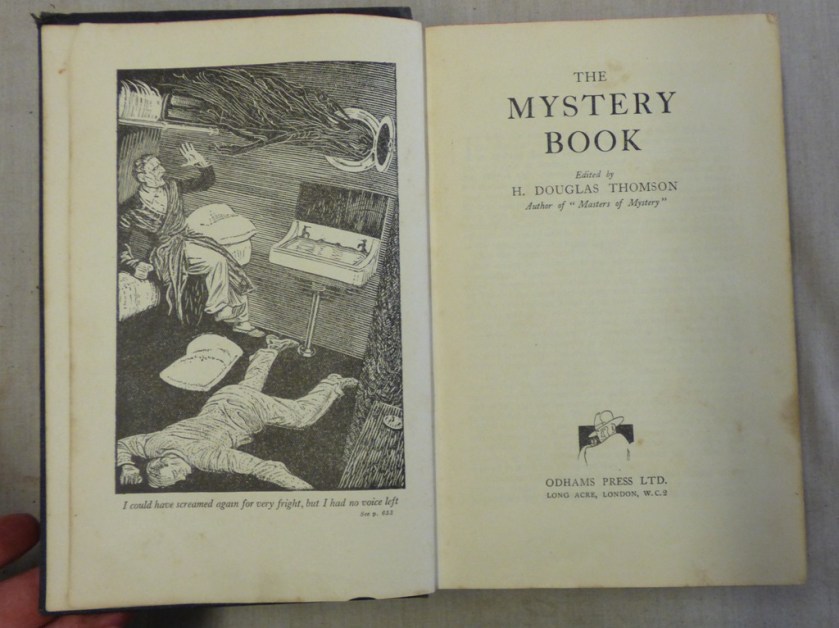
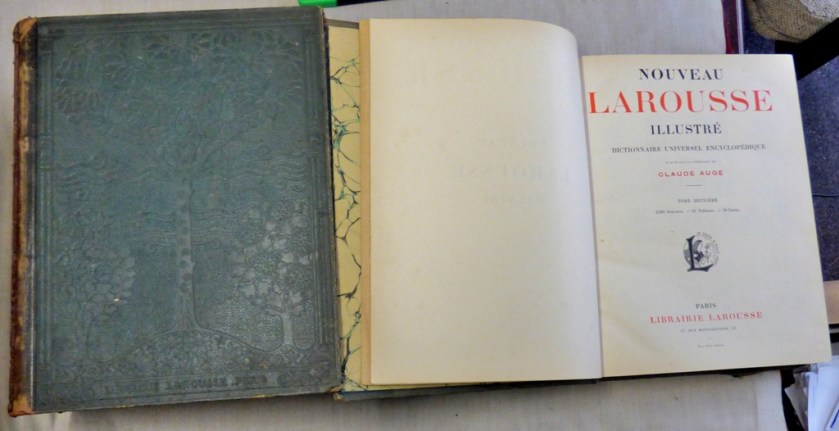

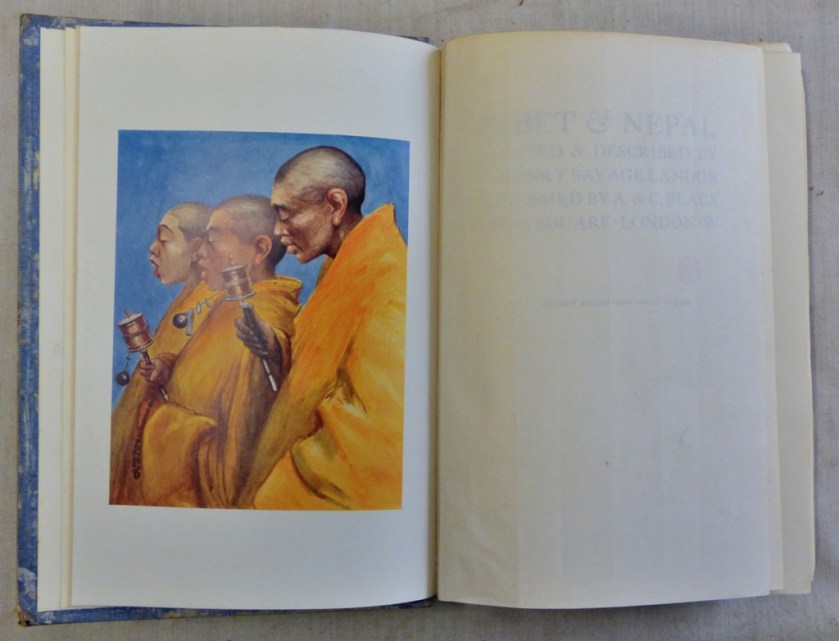

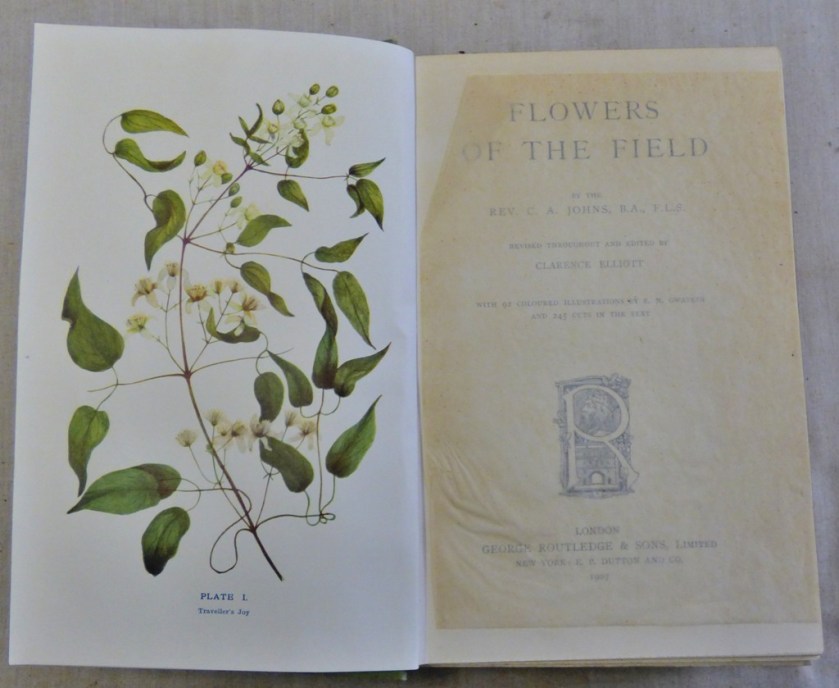

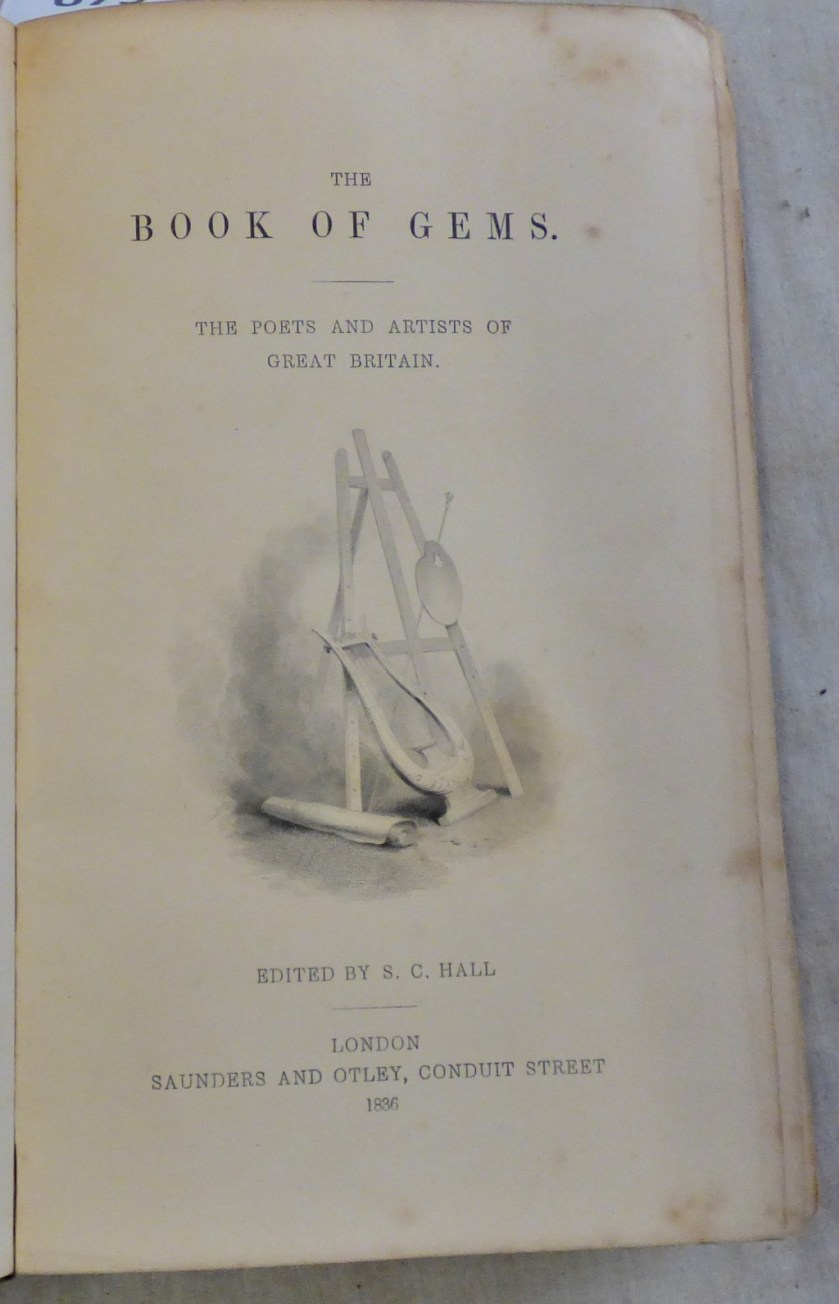
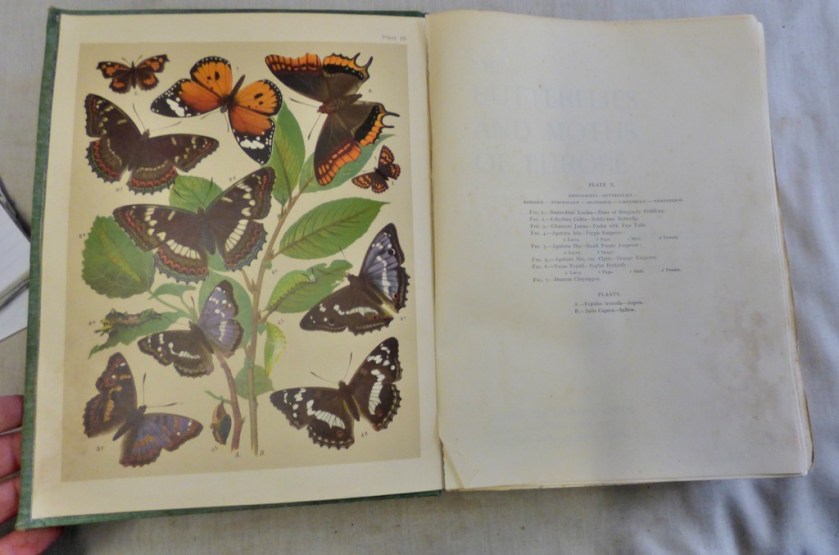

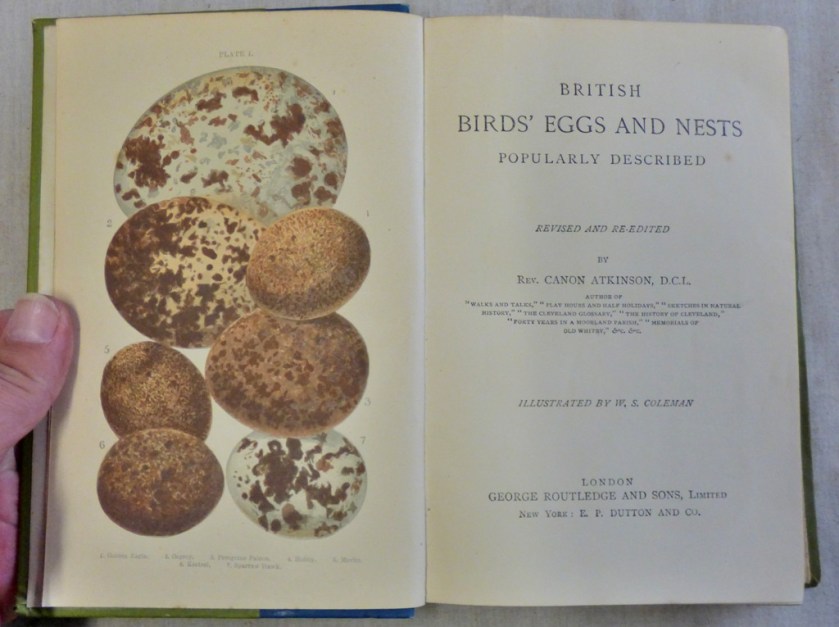

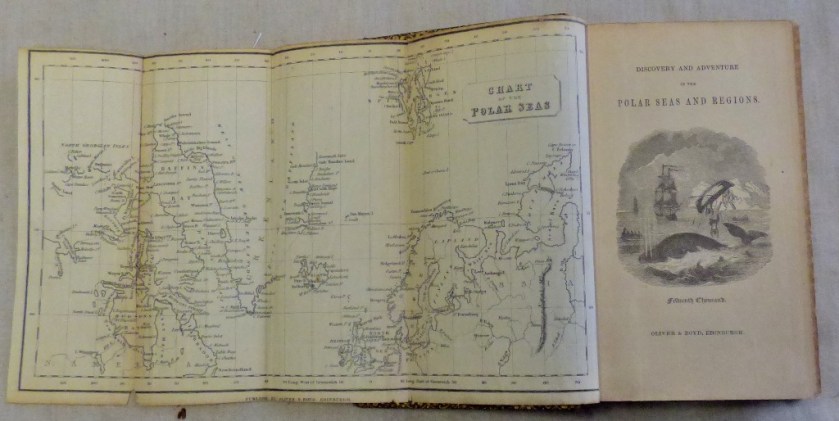
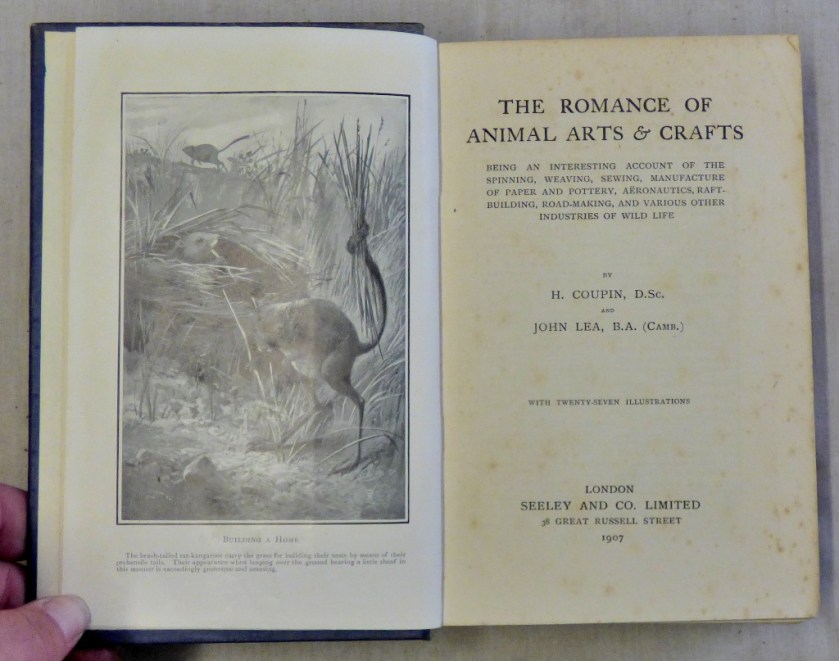
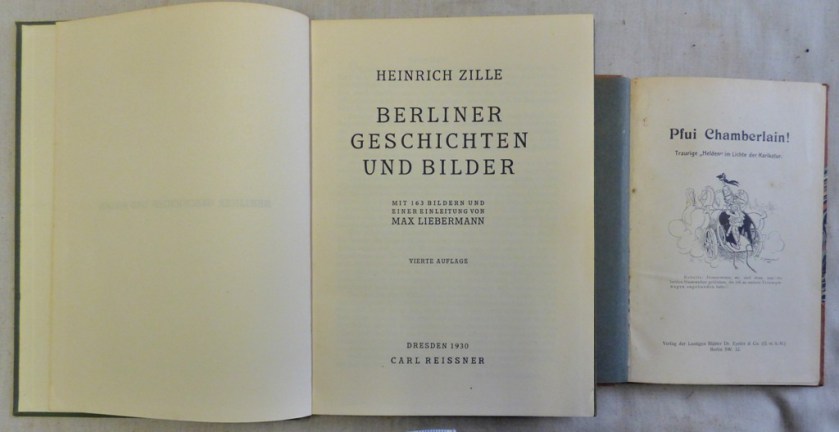

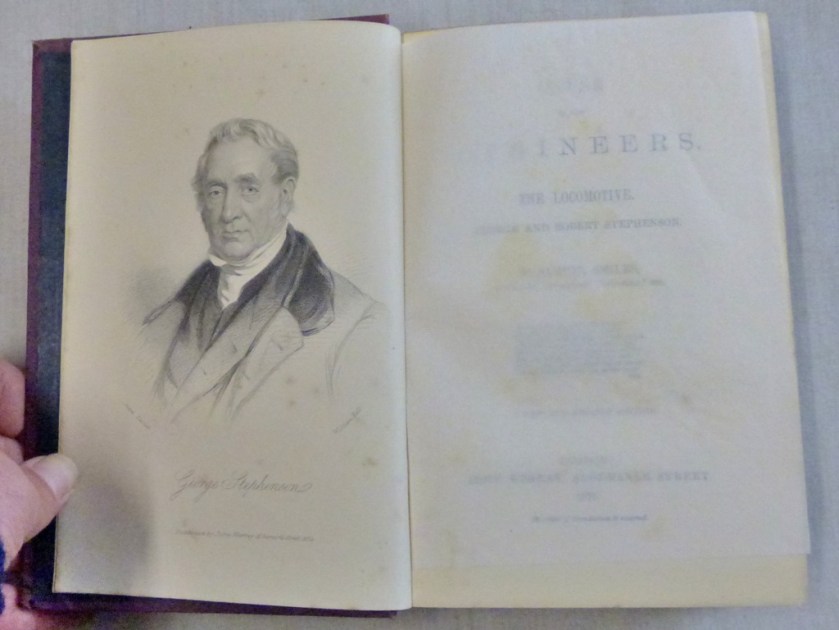
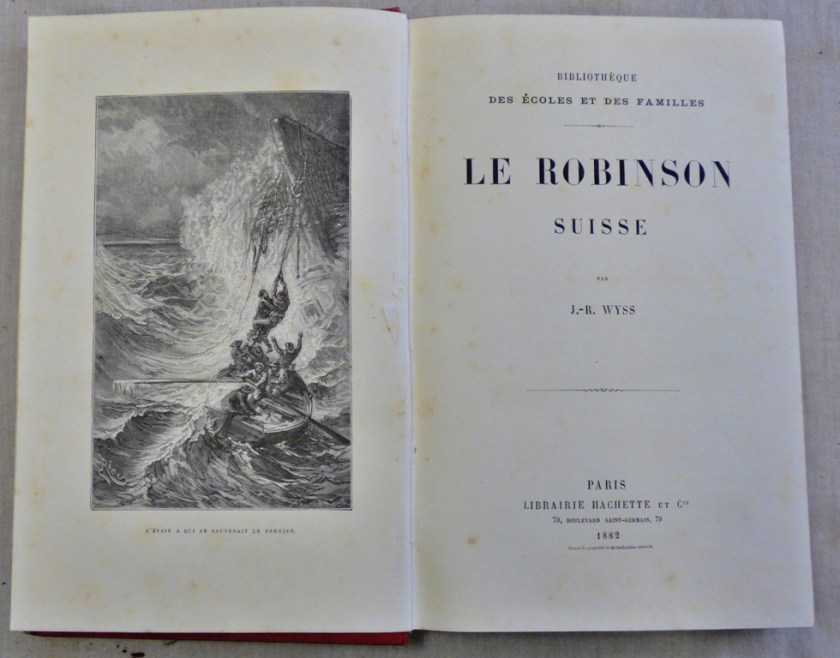
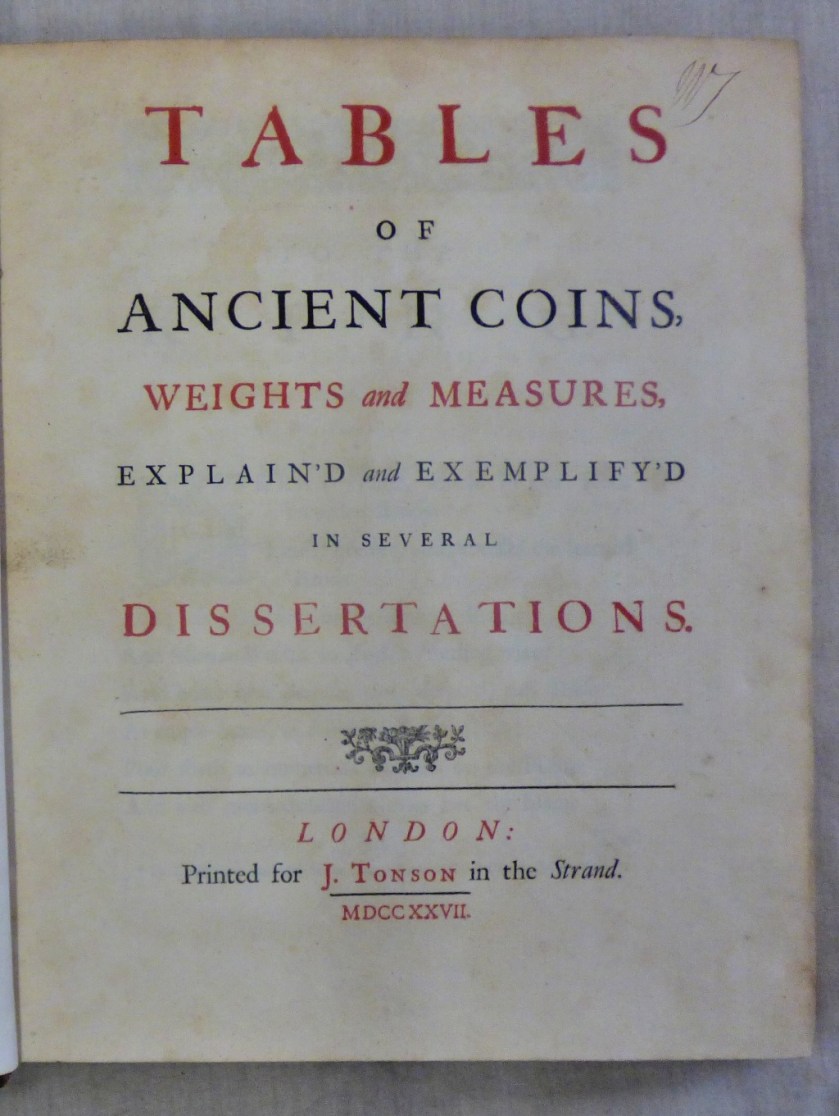

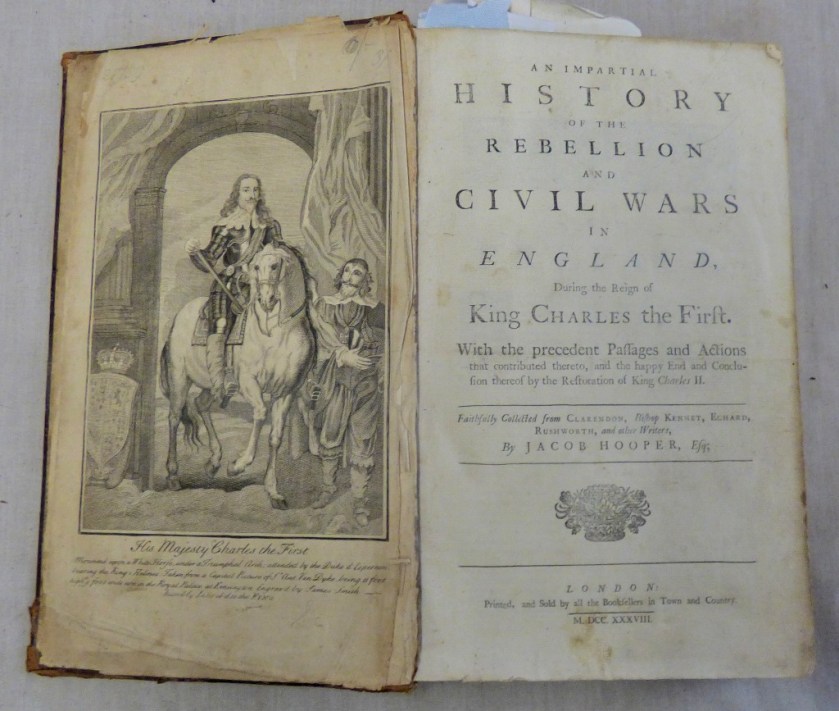
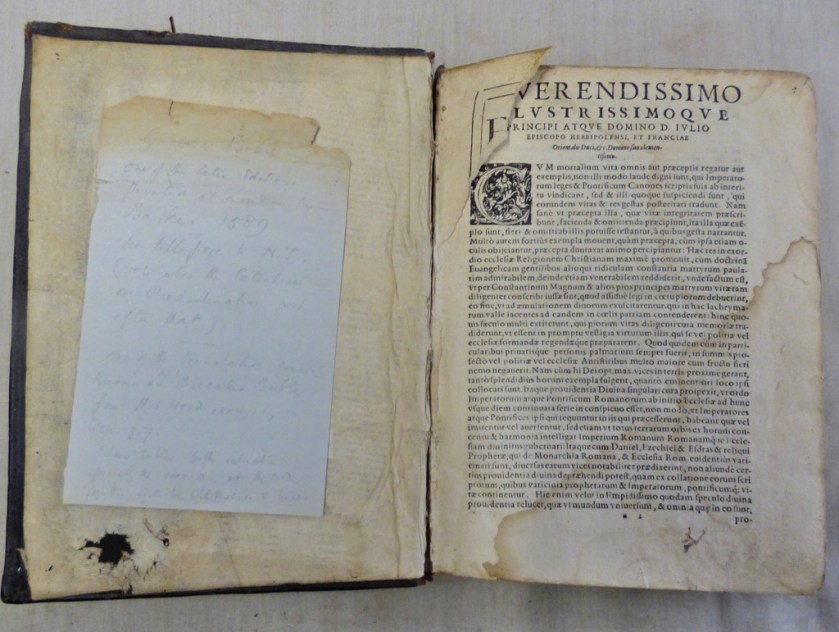
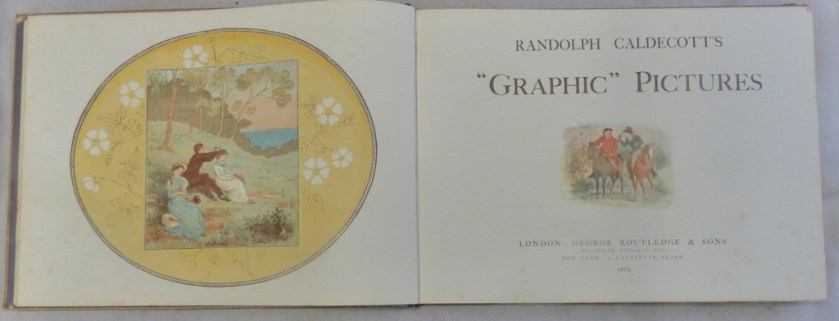
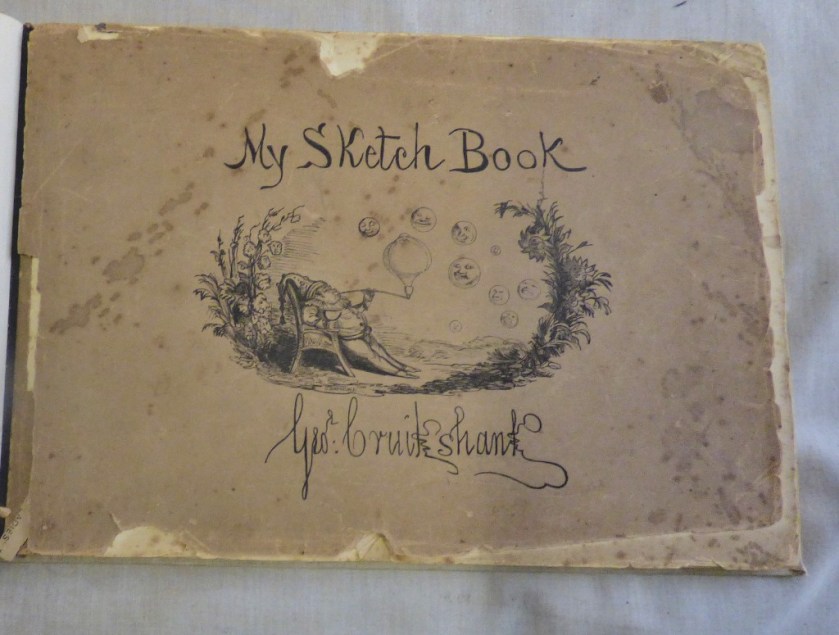
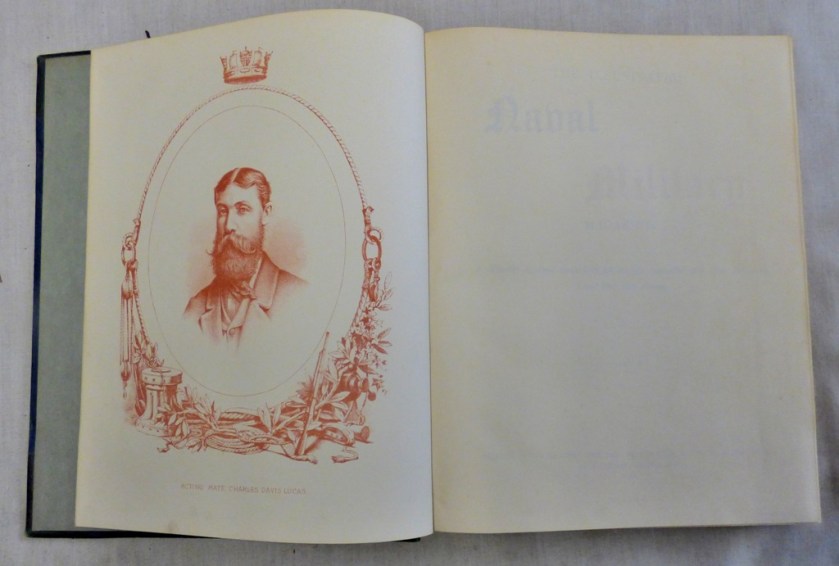

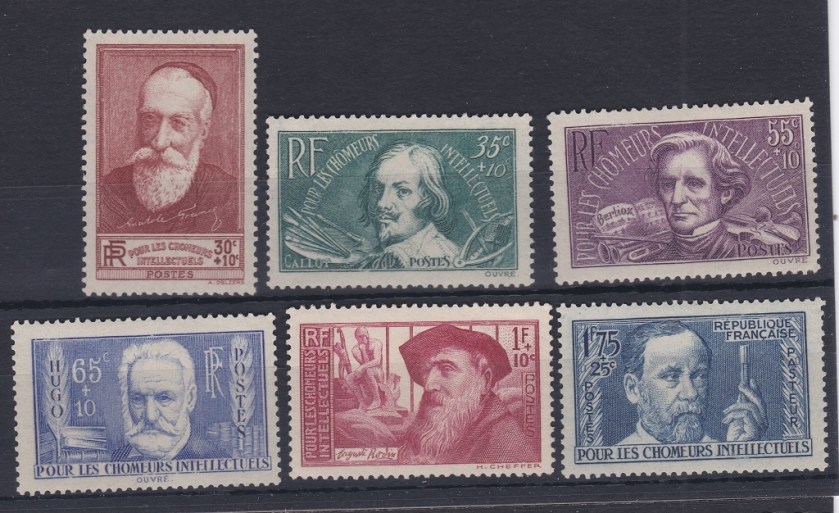
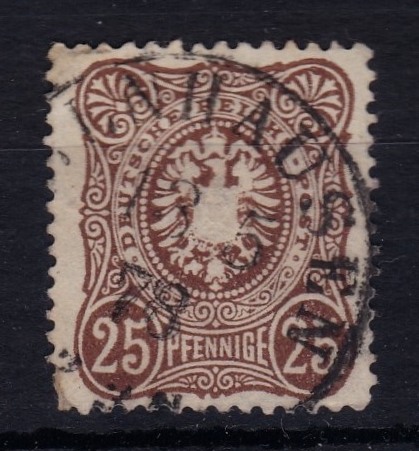
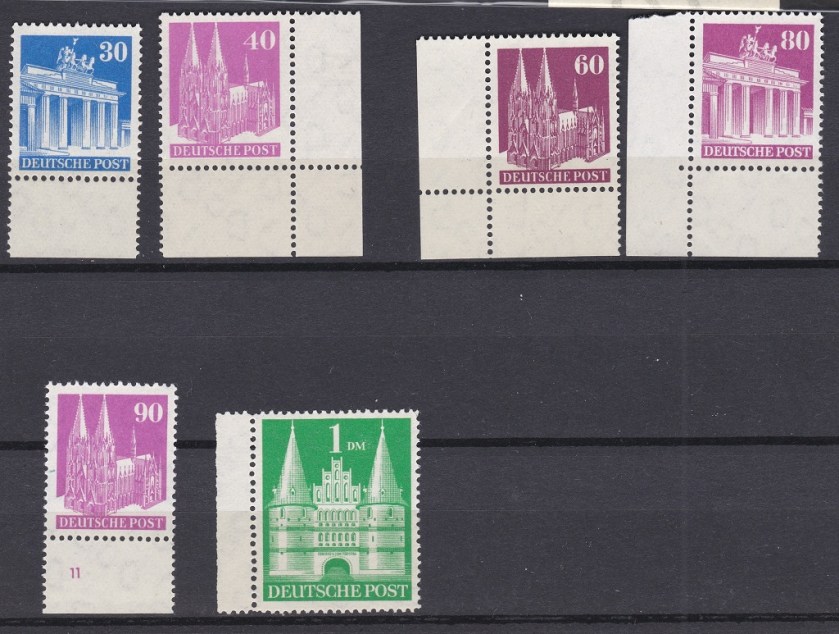
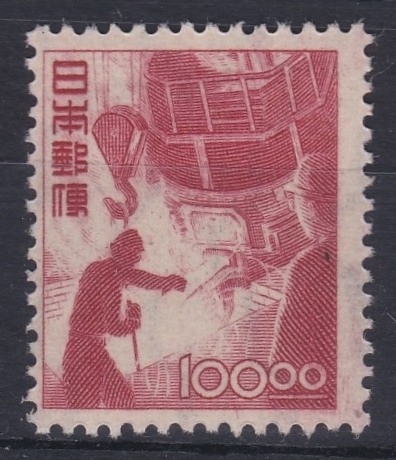
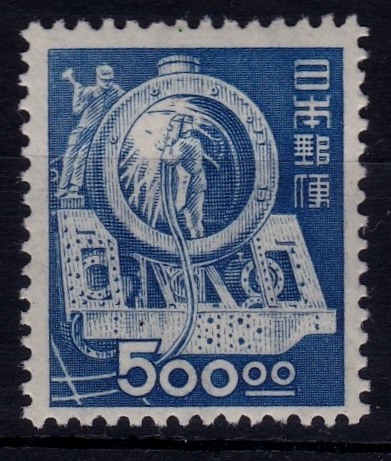
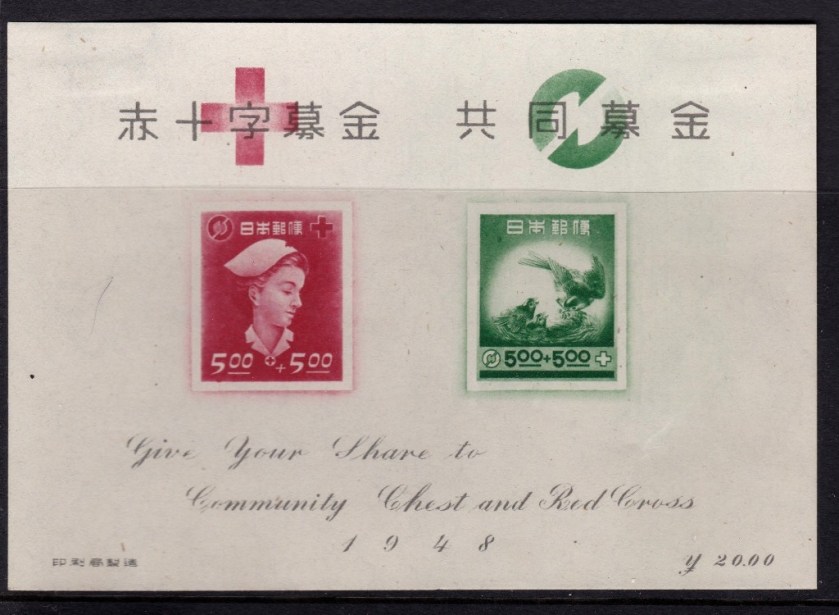
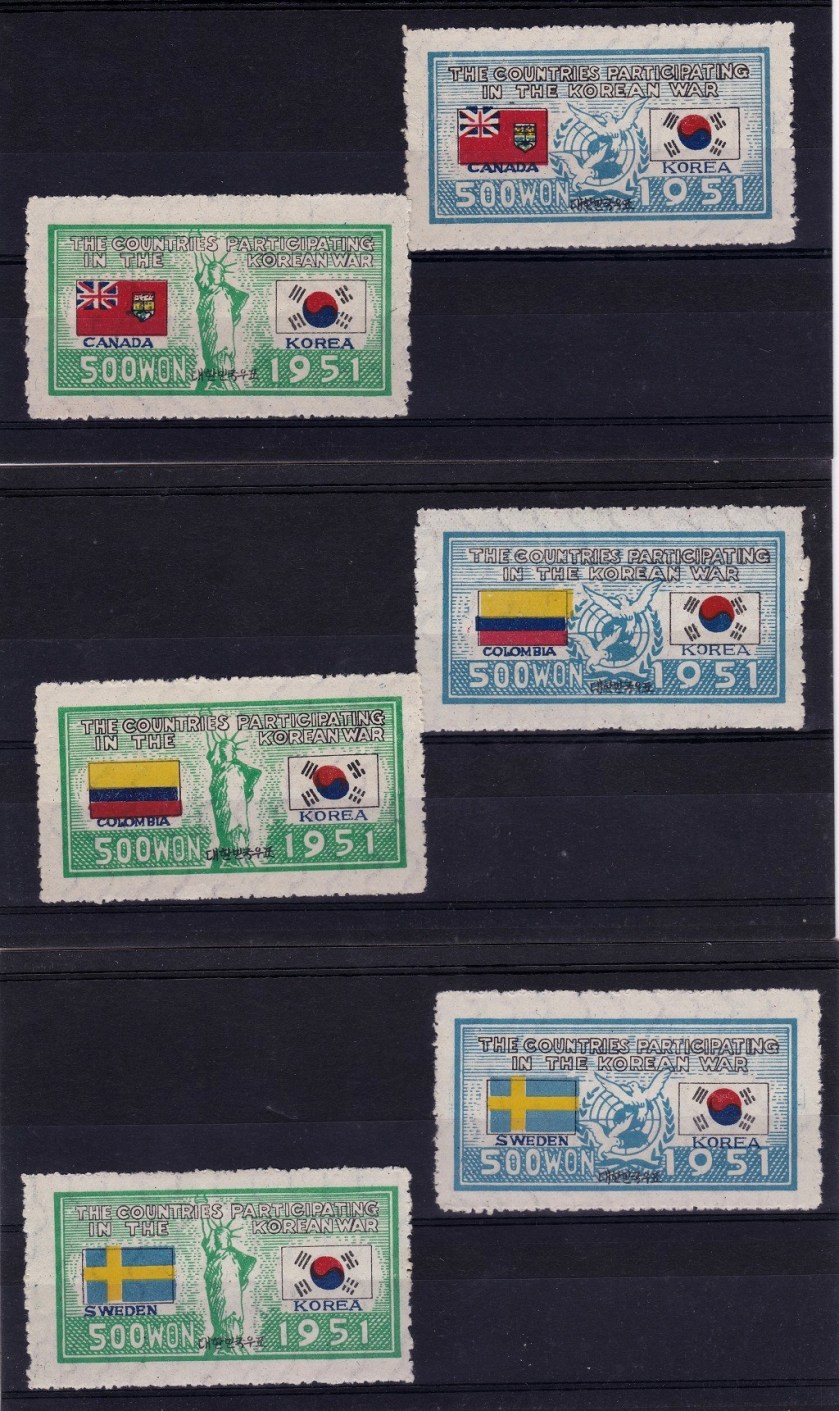
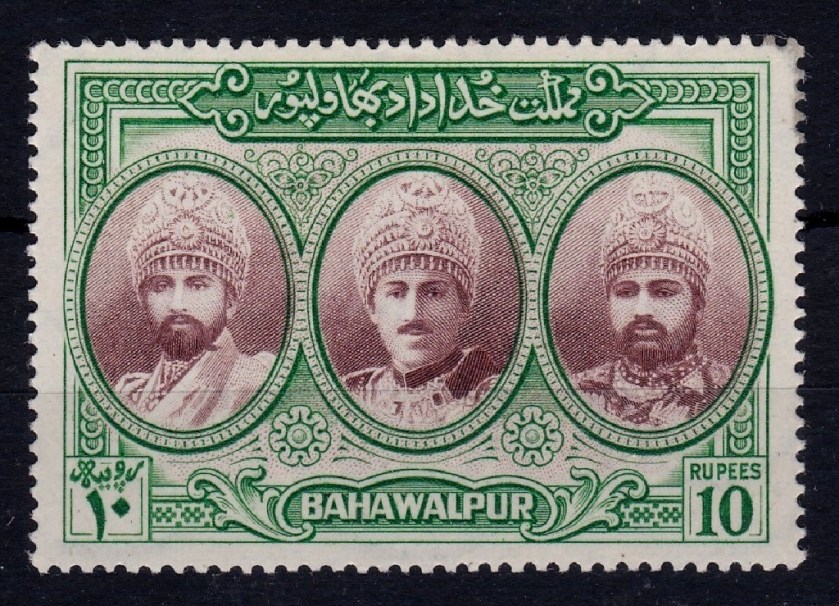
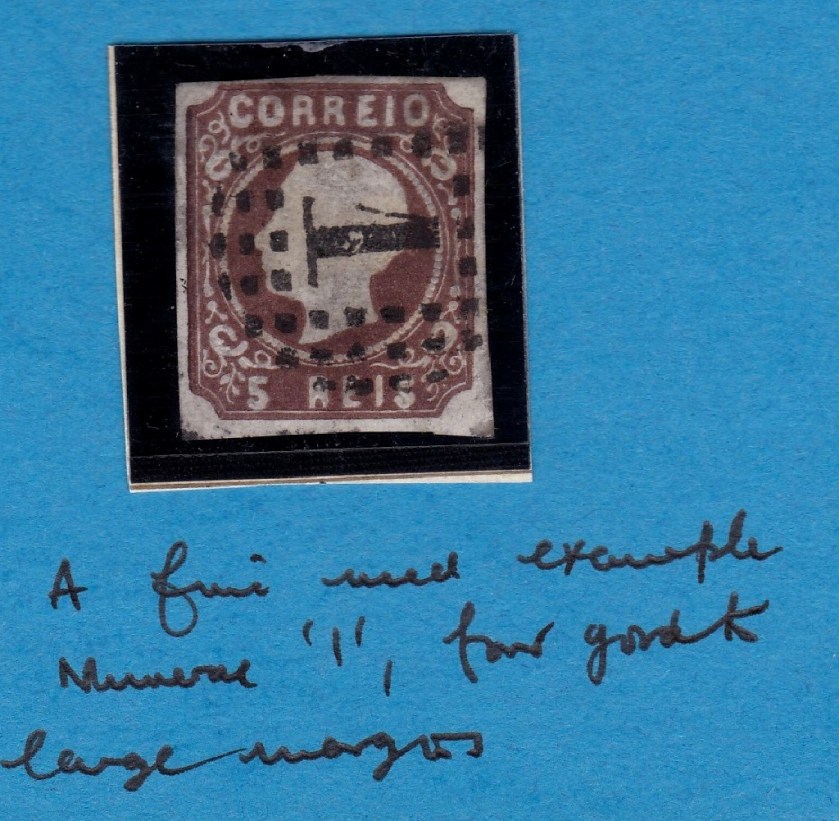
My second set of work related pictures are of stamps, which were done yesterday using the scanner (400dpi, full platen being the setting used).


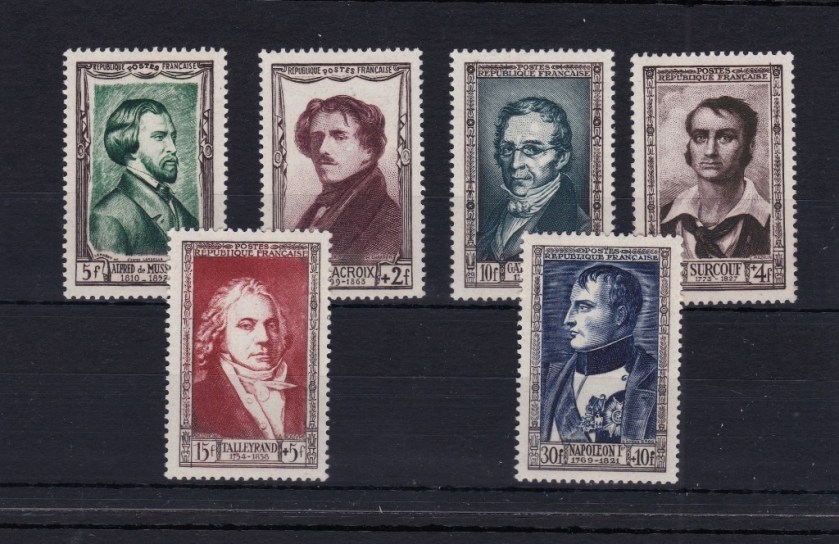
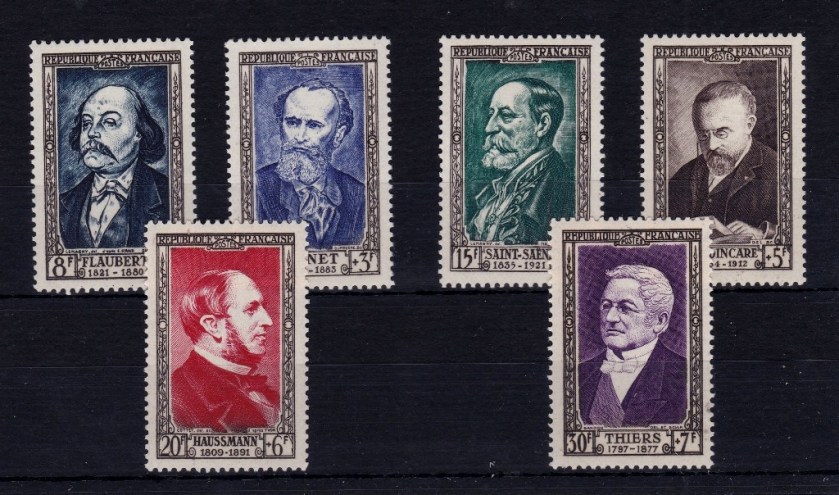

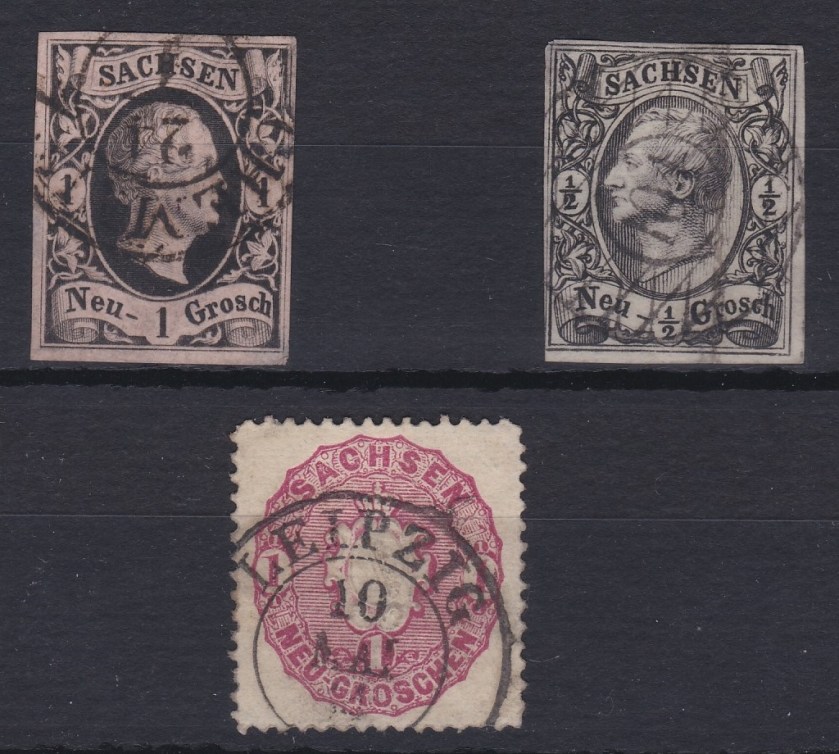
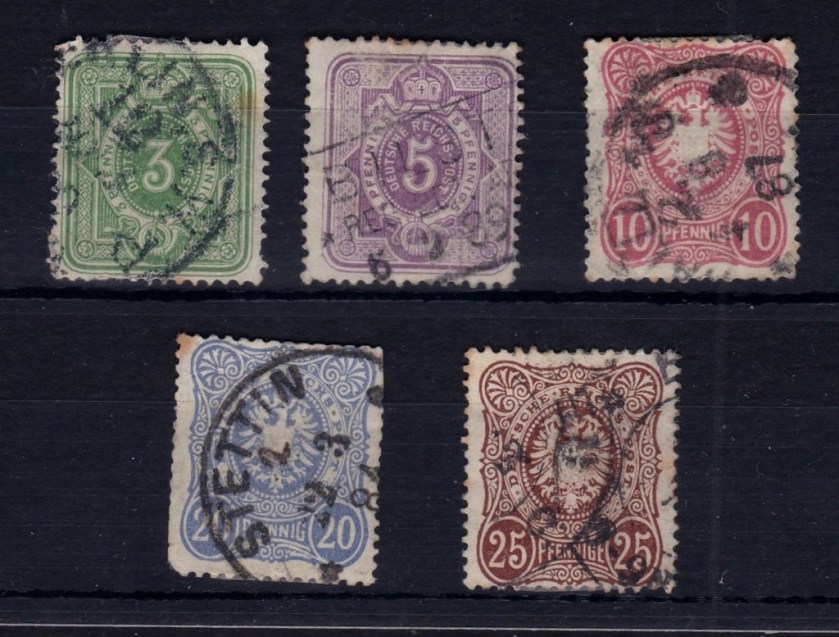


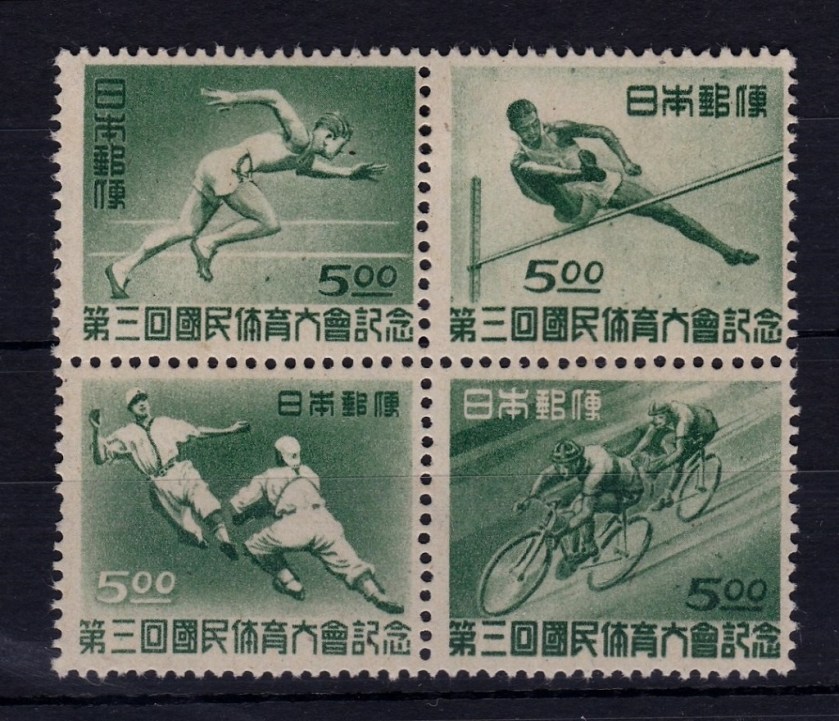

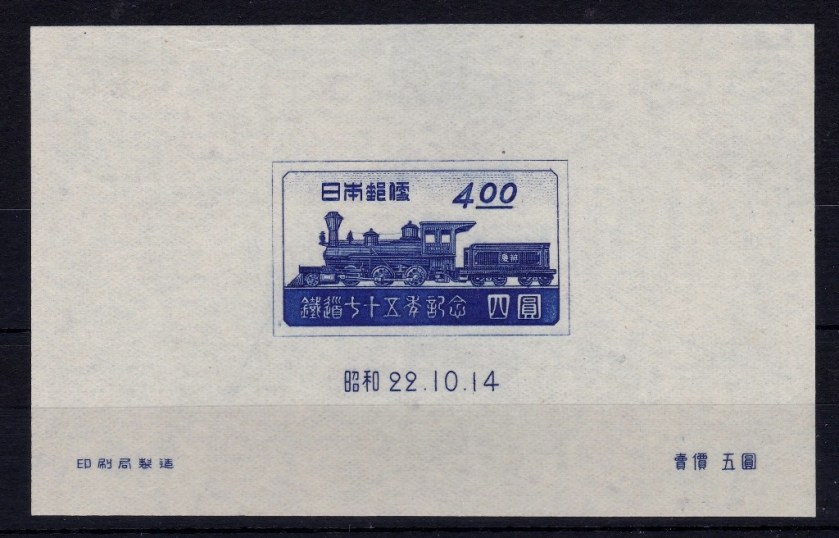

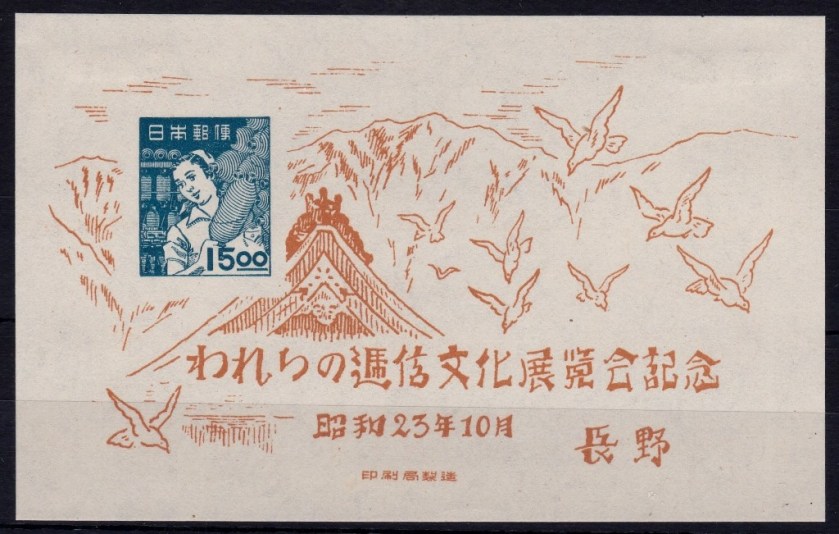
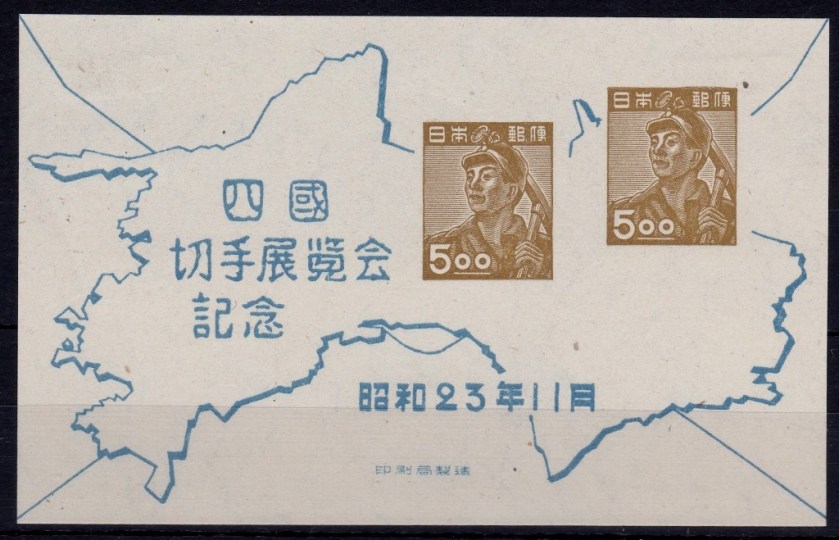

These are from a week ago – the moon in question was in a twilight sky.


A final few pictures…



A photographic account of Downham Market, an old market town in Norfolk.
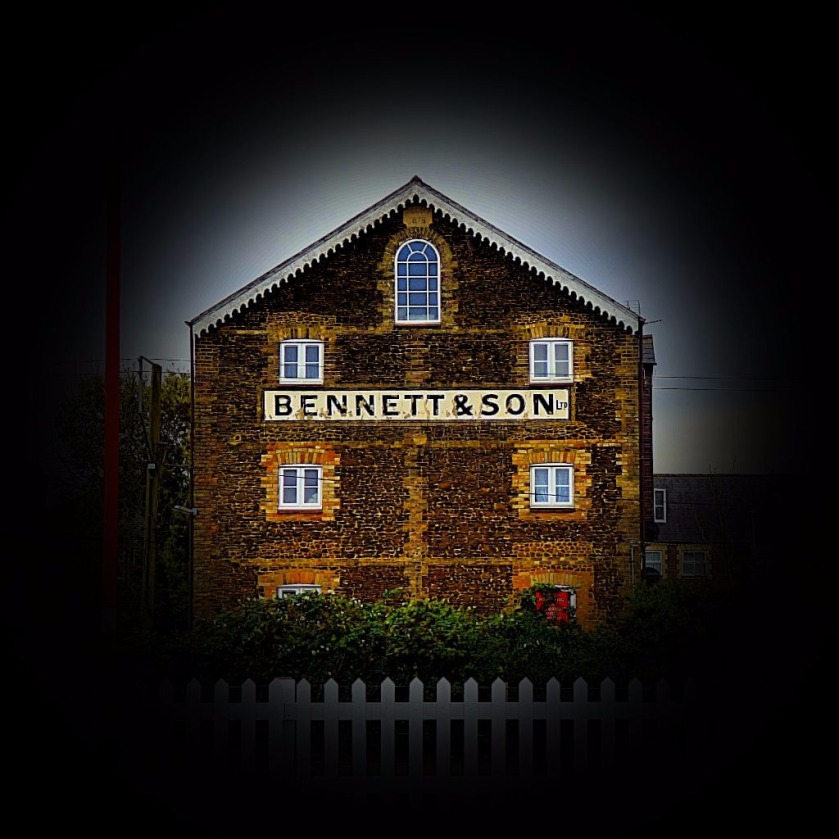
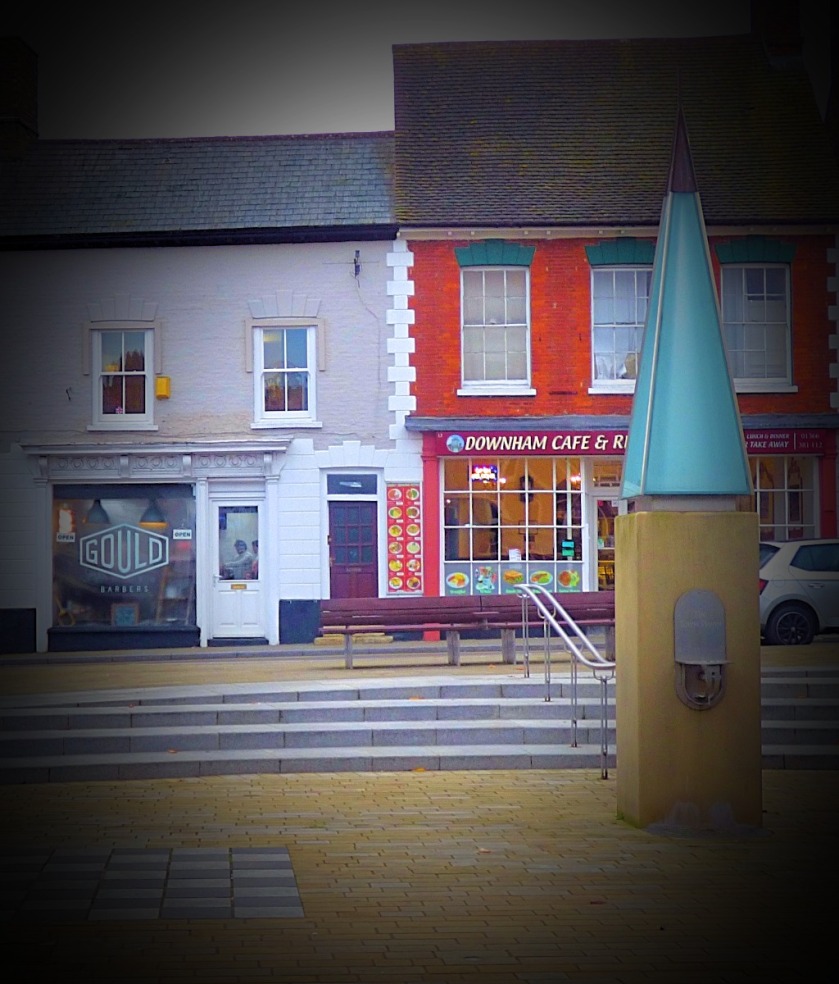
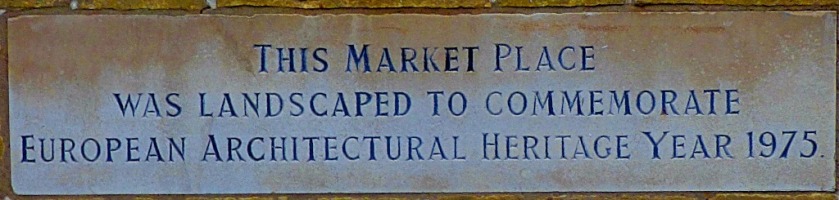
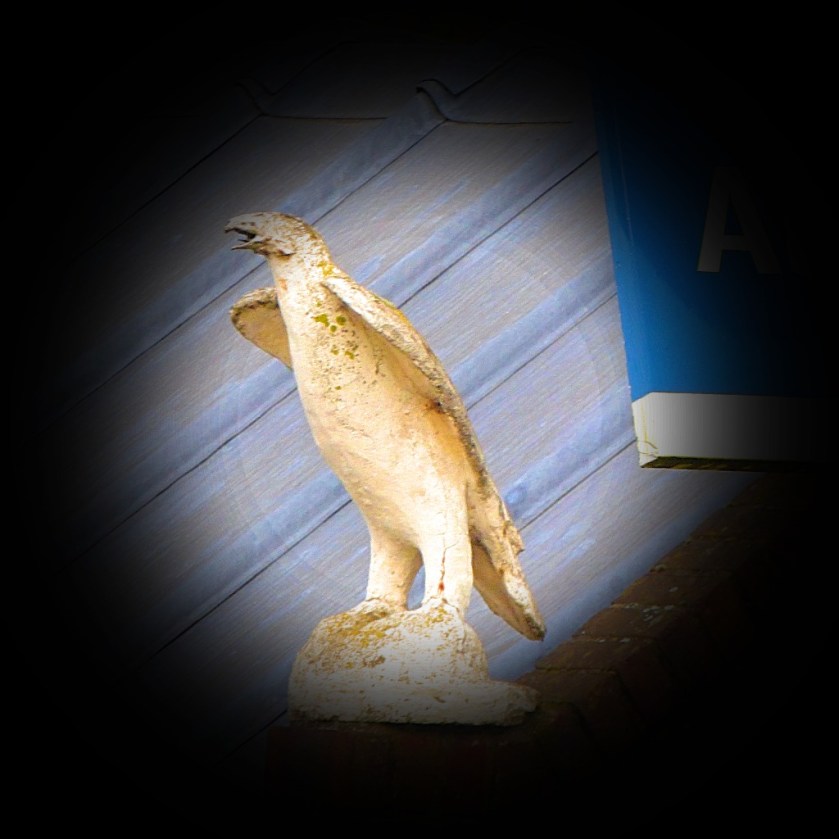
As those of you who read the post I put up earlier today will know I spent part of Saturday in the town of Downham Market. These post showcases everything I saw there other than the Town Hall.
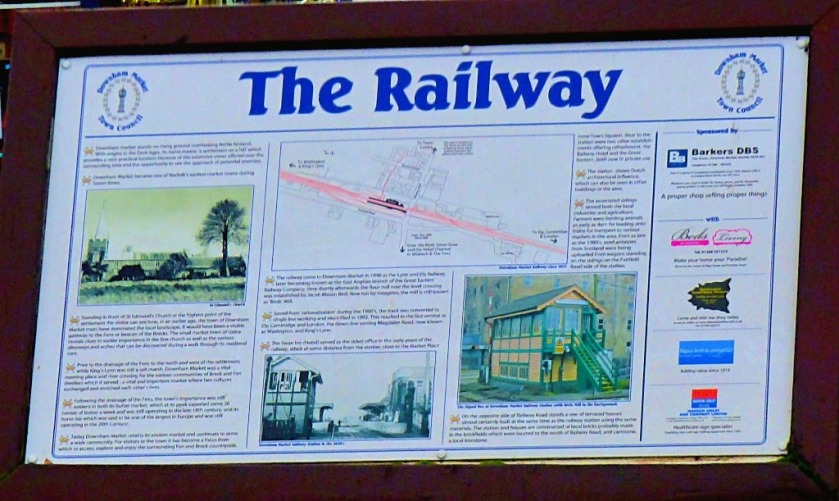
This was my first visit to Downham Market, as opposed to passing through the station en route to further afield destinations. The pictures here were taken at two distinct periods, in the morning immediately post arrival, and in the afternoon when I had rather more time to kill than I would have wished. The only way across the tracks at Downham Market is by way of a level crossing, and the train from London to King’s Lynn arrives just before the one going the other way. The crossing gates close a couple of minutes before the King’s Lynn train arrives and stay closed until the London train has departed, which means that if you are looking to catch the King’s Lynn train, which departs from the far platform from the town centre and the crossing gates close you have missed it, and such was my fate on Saturday. For those affected this also explains both my later than usual arrival at the venue for Musical Keys and the fact that I was a tad breathless when I got there – I had stepped off a train at 15:20 at King’s Lynn and walked straight out to the Scout Hut in something of a hurry.
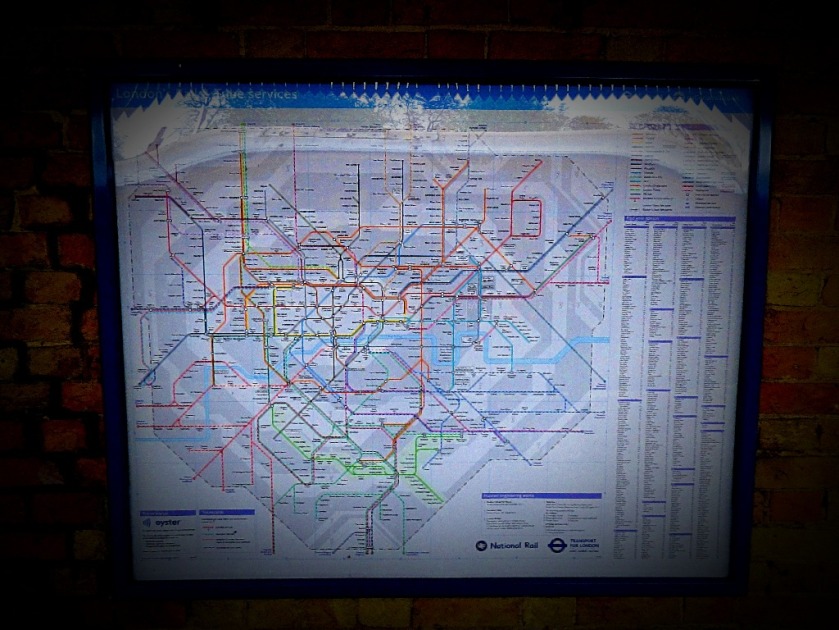
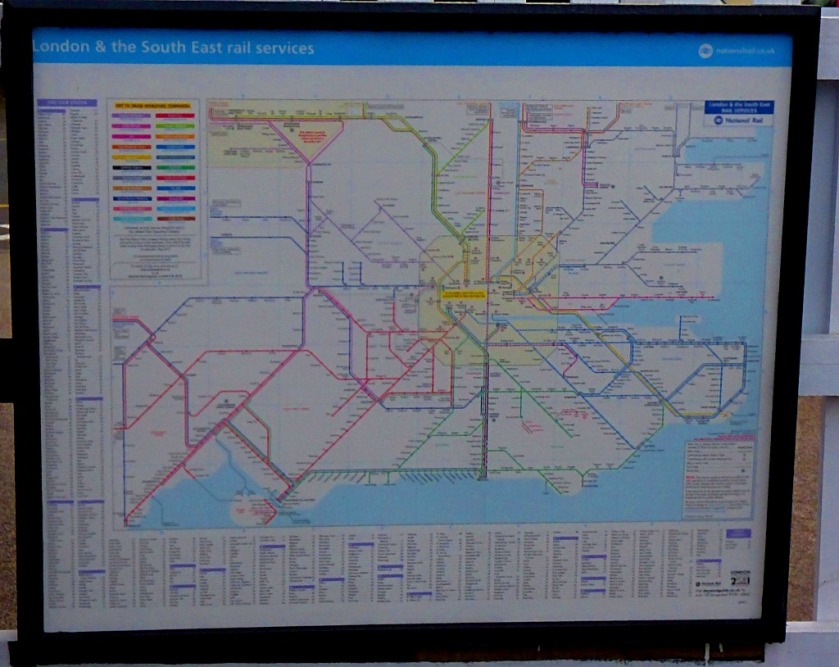

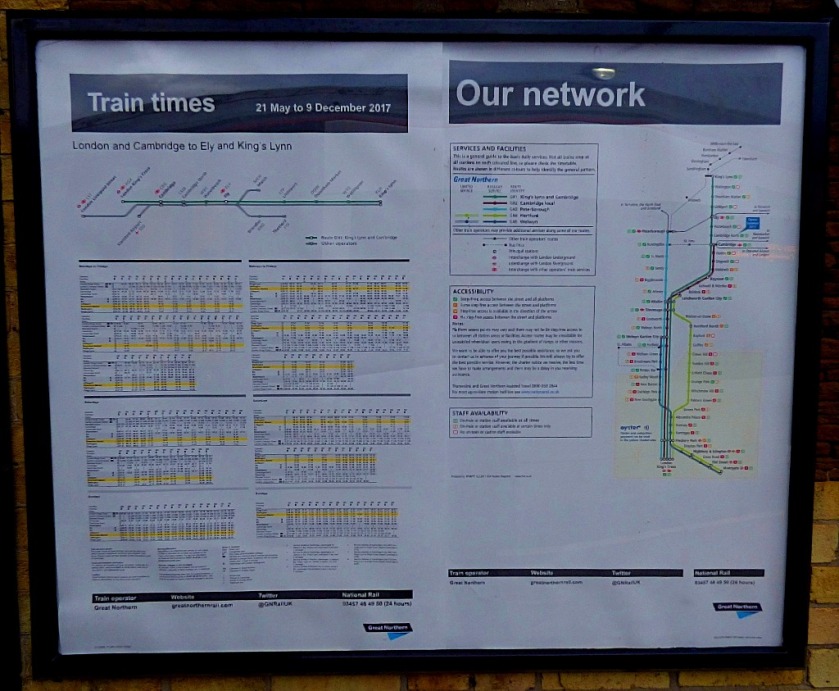

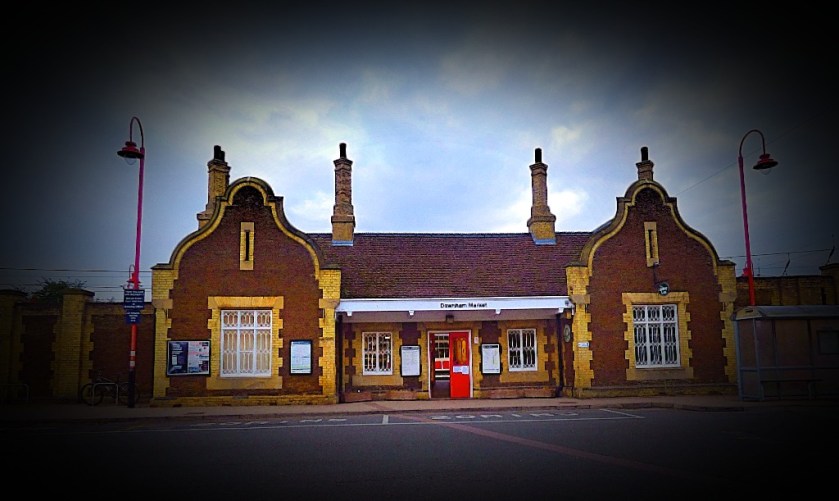

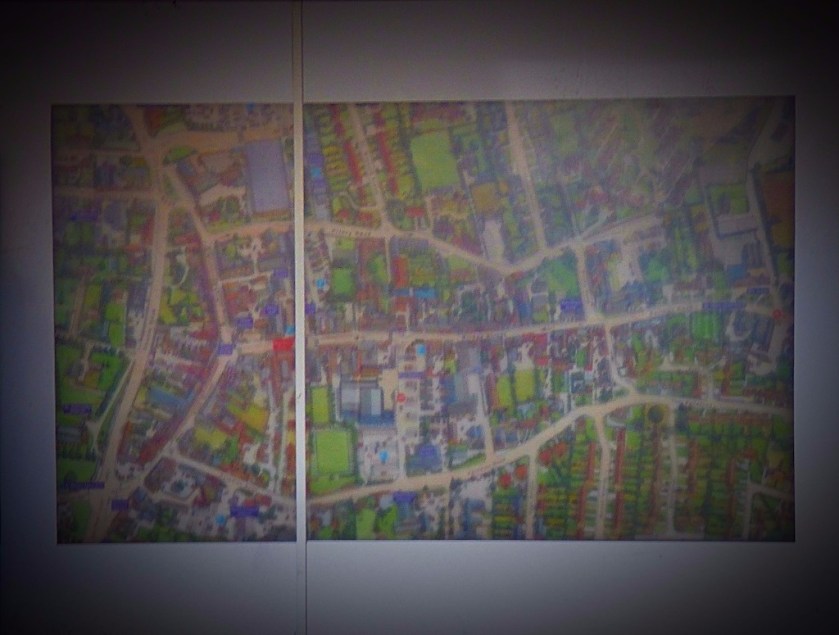
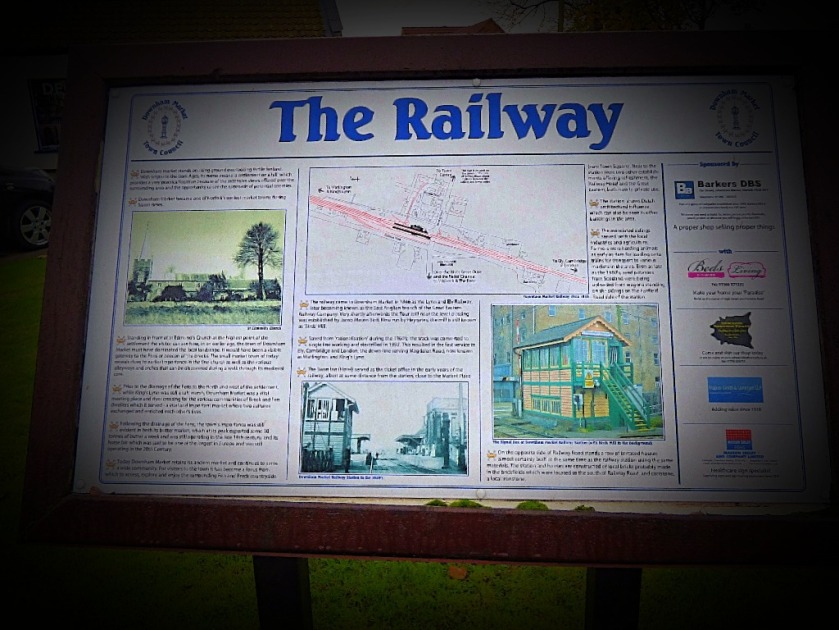
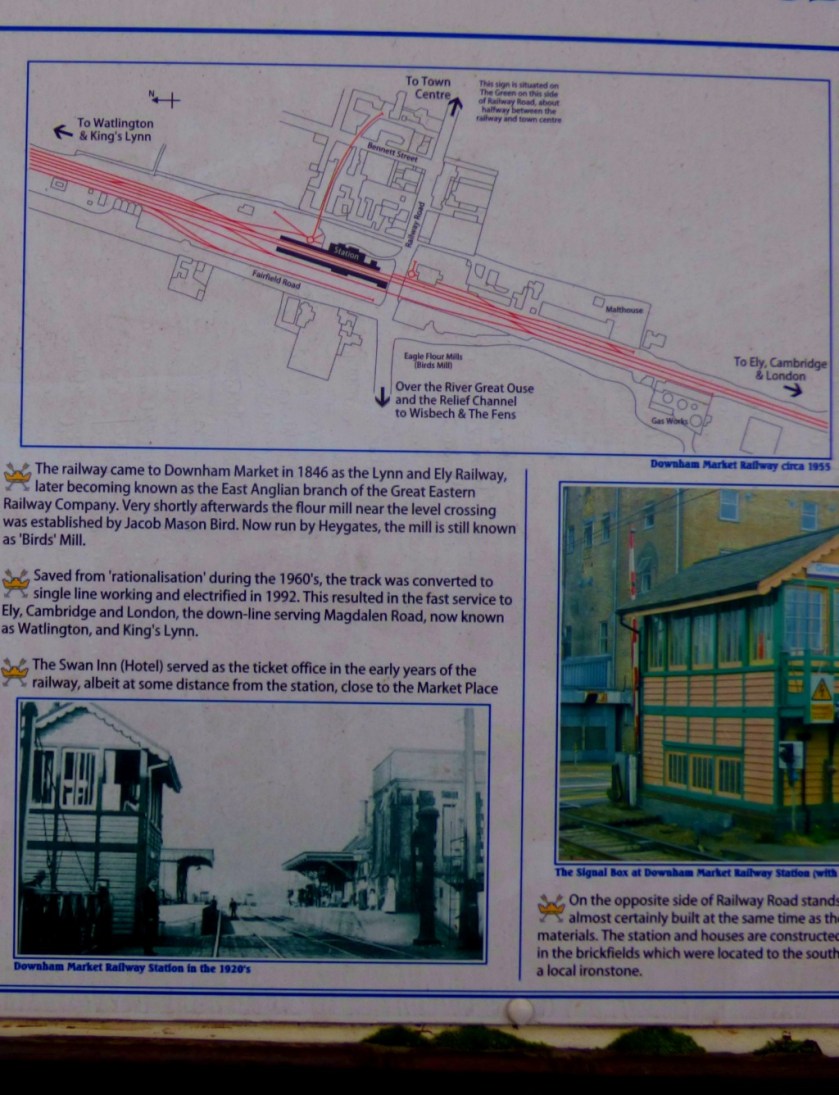
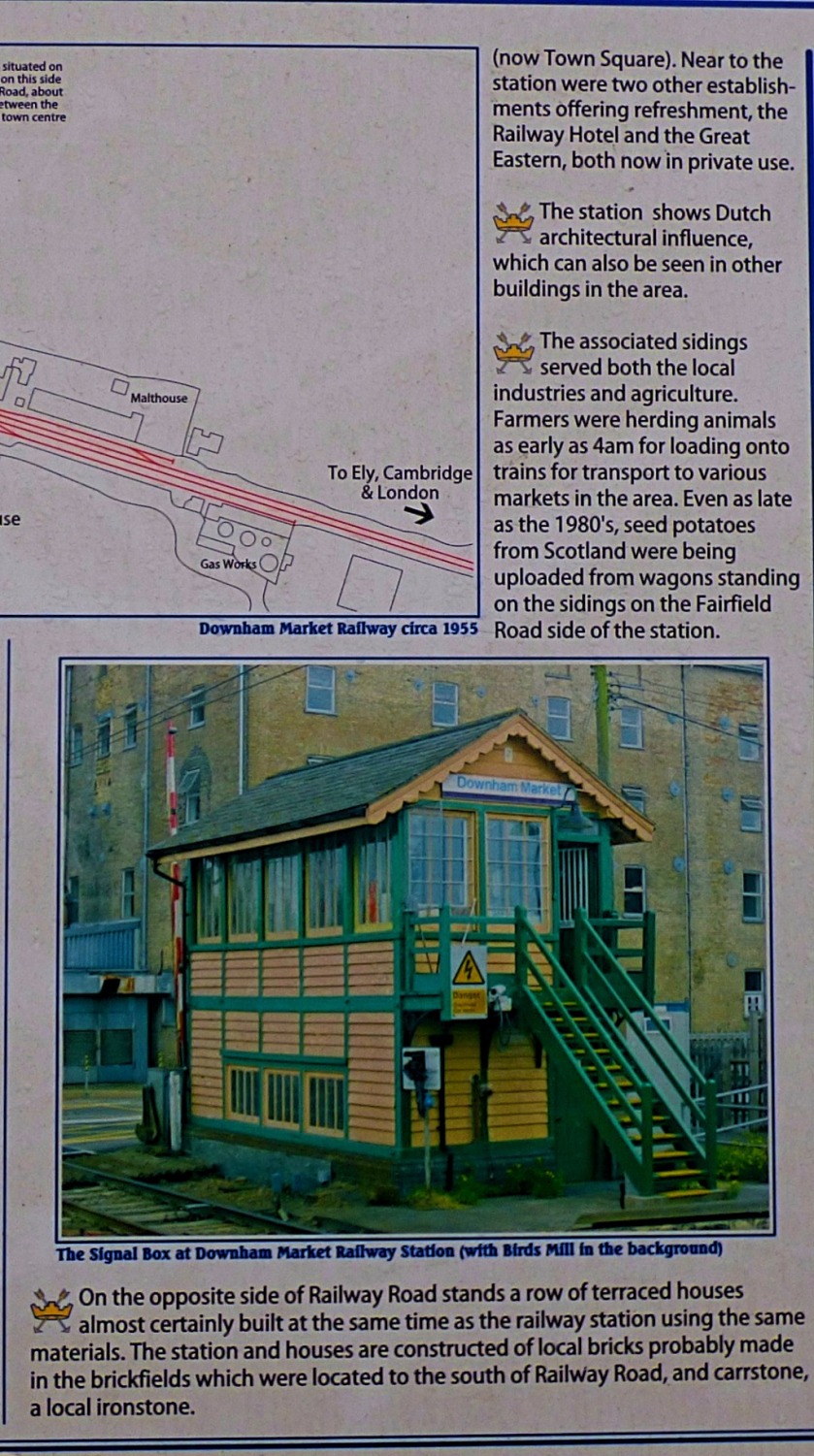
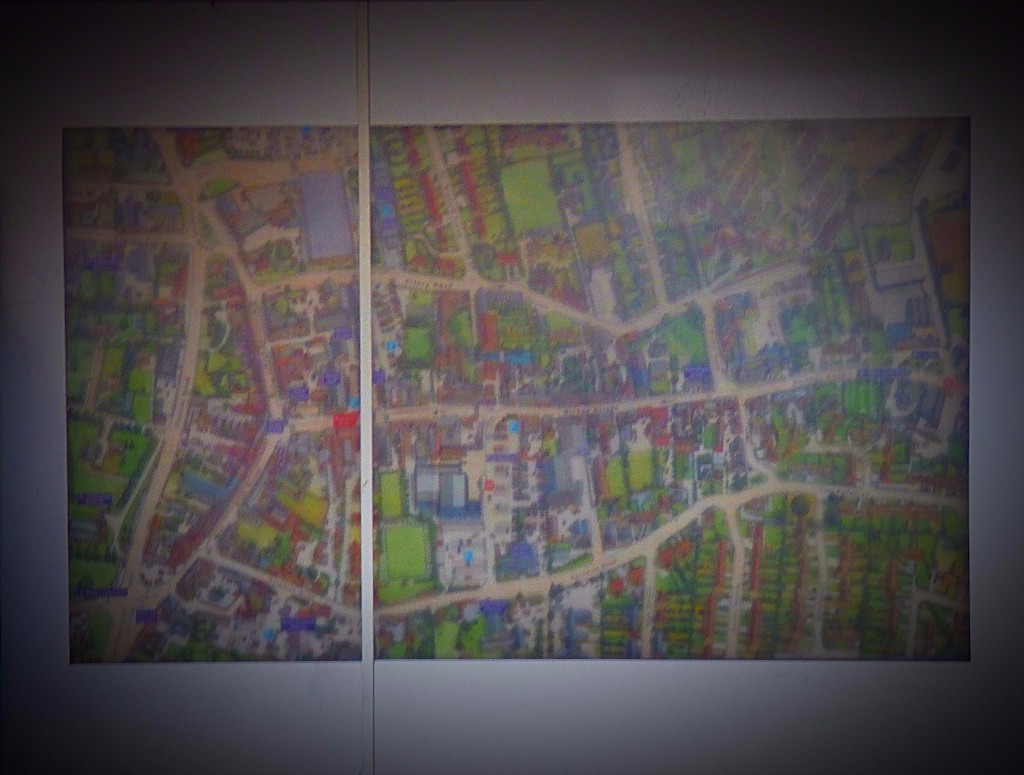
I start with two pictures to set the scene, a huge pictorial map which can be seen in the town centre and the information board about the railway:
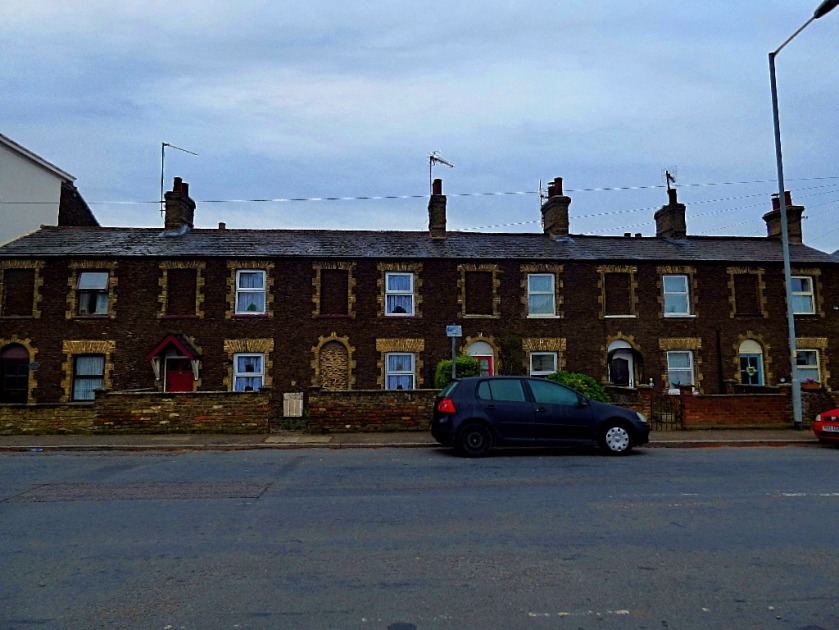
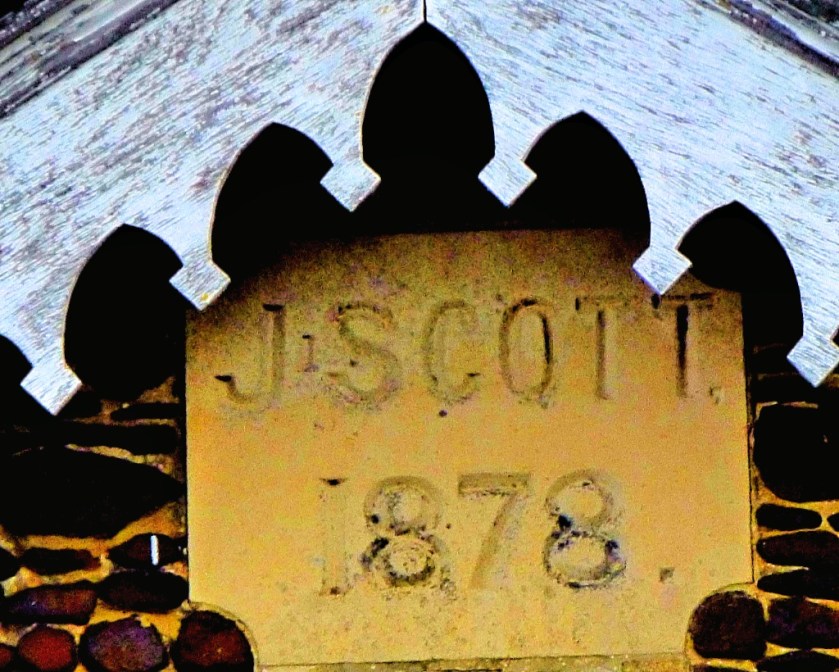
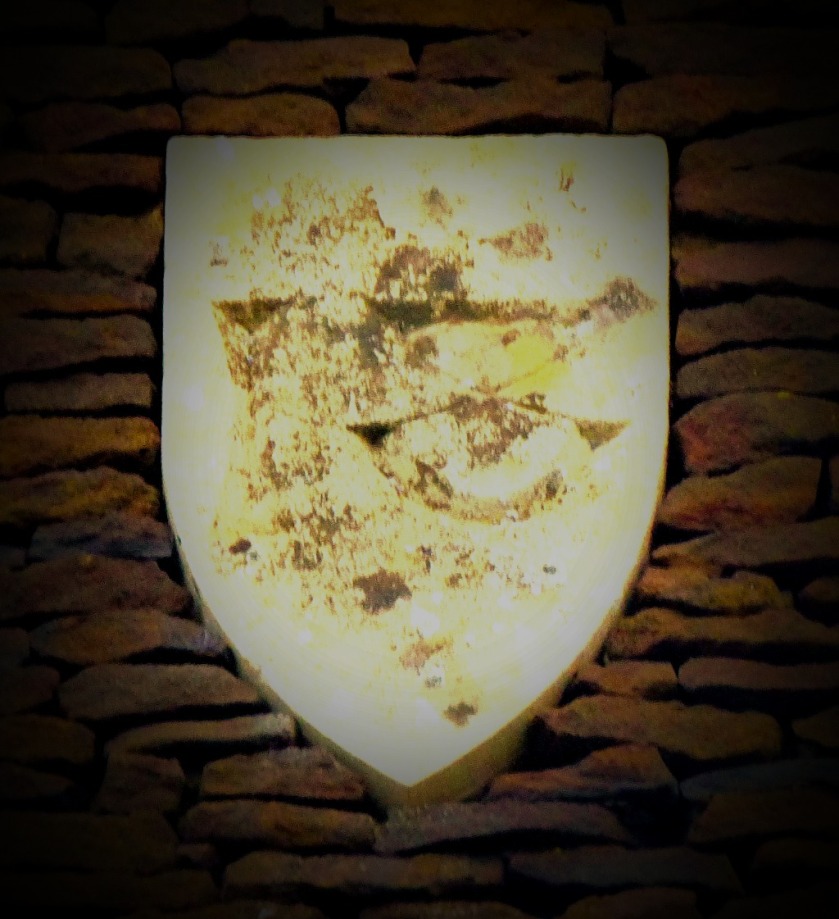
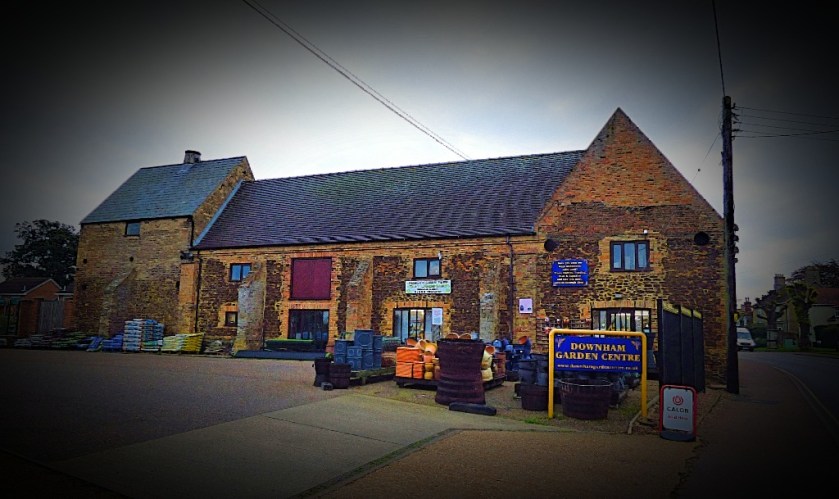
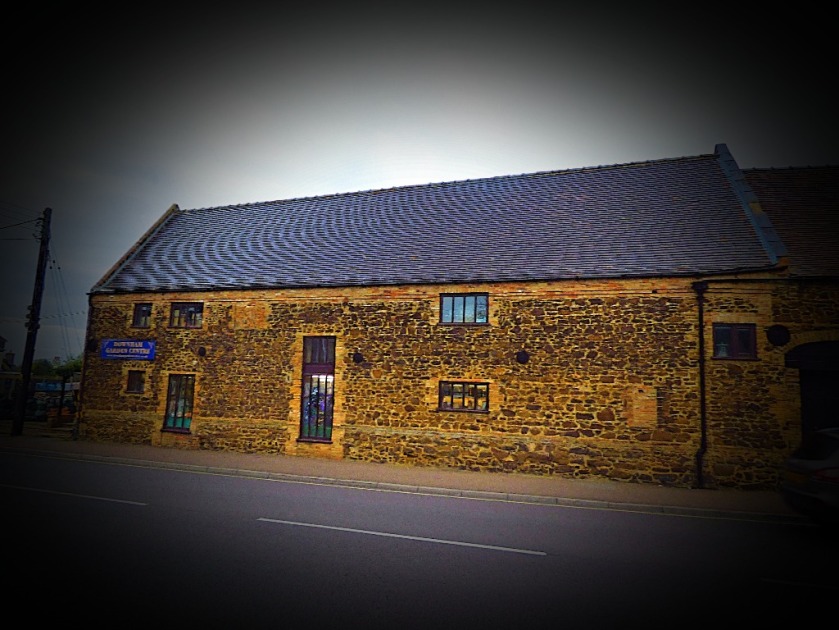
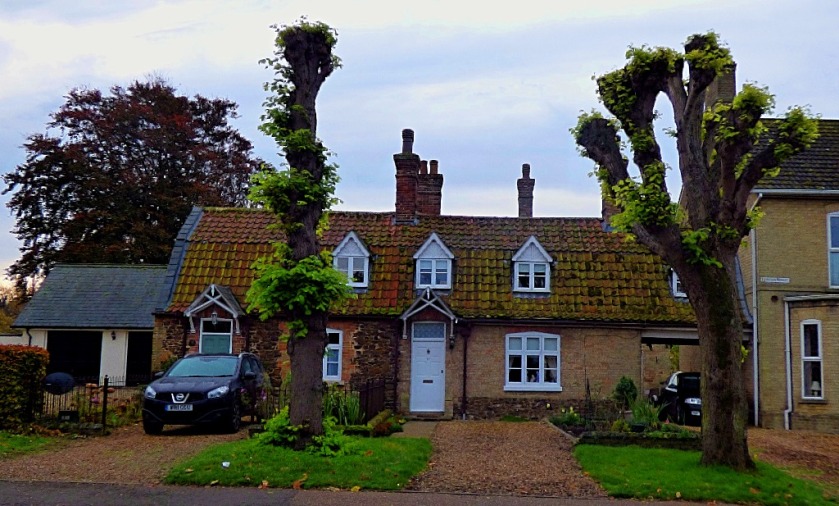
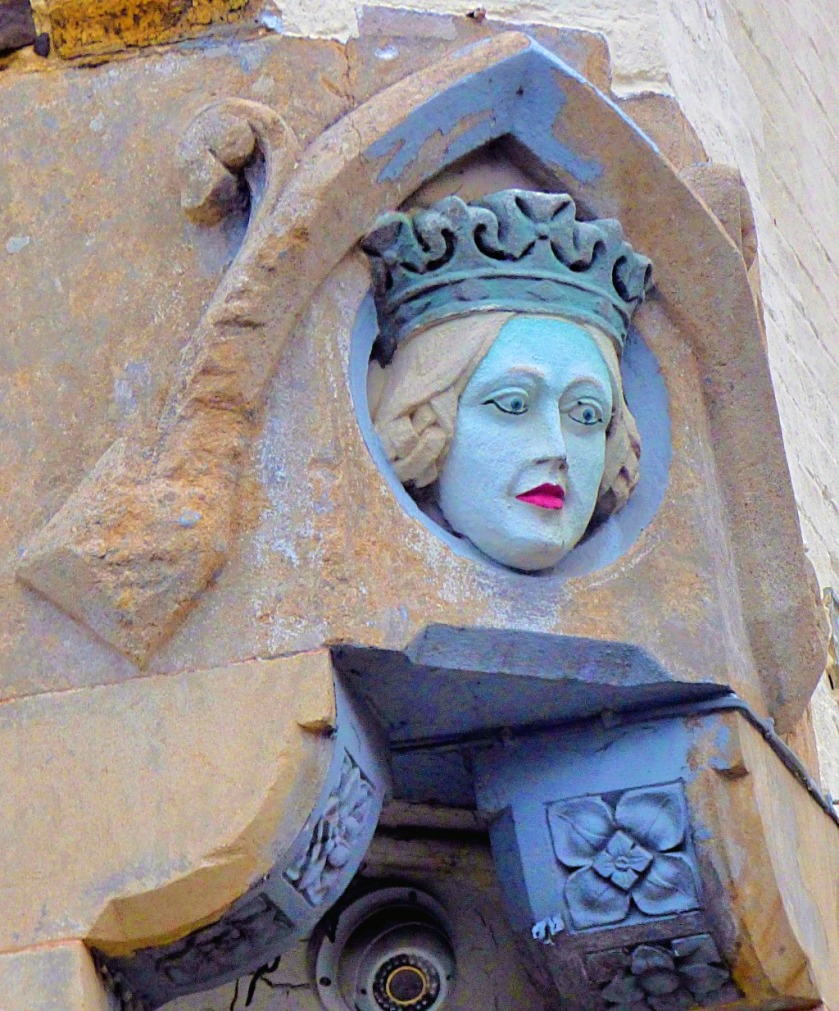
The ‘Downham’ part of Downham Market comes from Anglo-Saxon (afterall, we are in the lands of the North Folk of the East Angles) and literally means ‘homestead on a hill’, and indeed the market town that grew up around that homestead (it has been a market town since Anglo-Saxon times) is slightly elevated from the surrounding countryside, which in Norfolk constitutes being on a hill! These photos are presented in the order in which they were taken.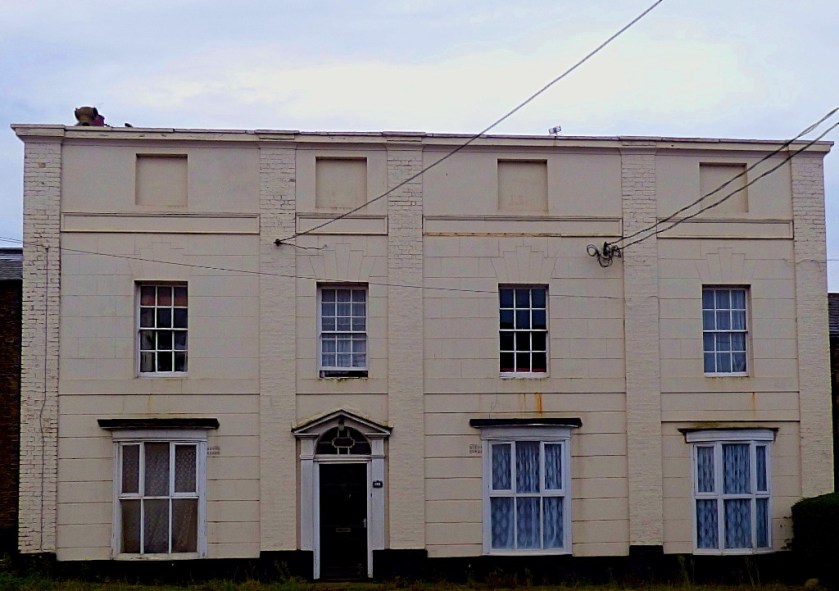
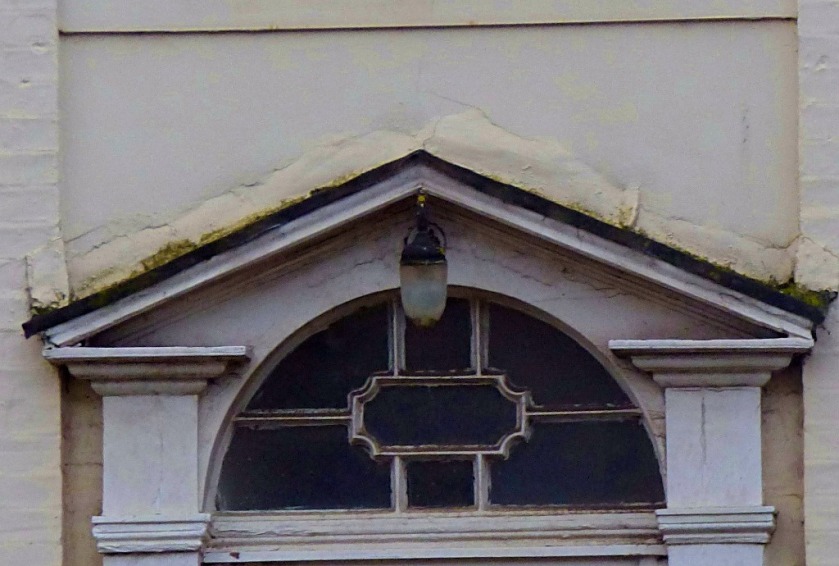

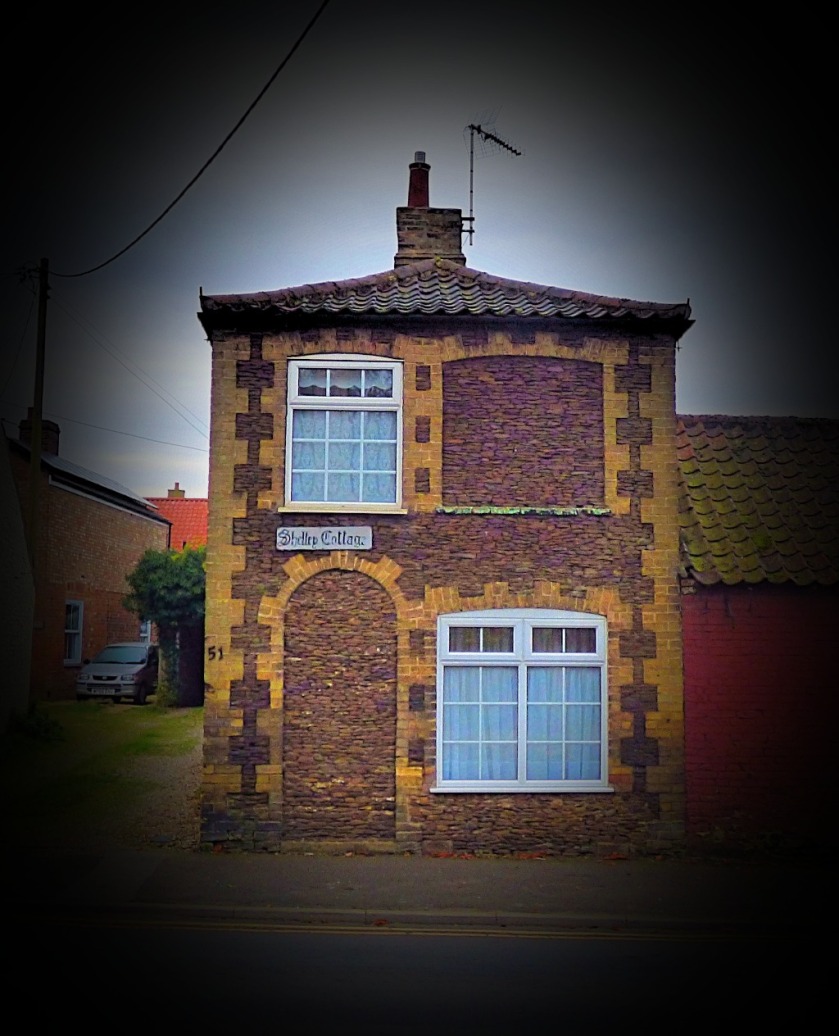

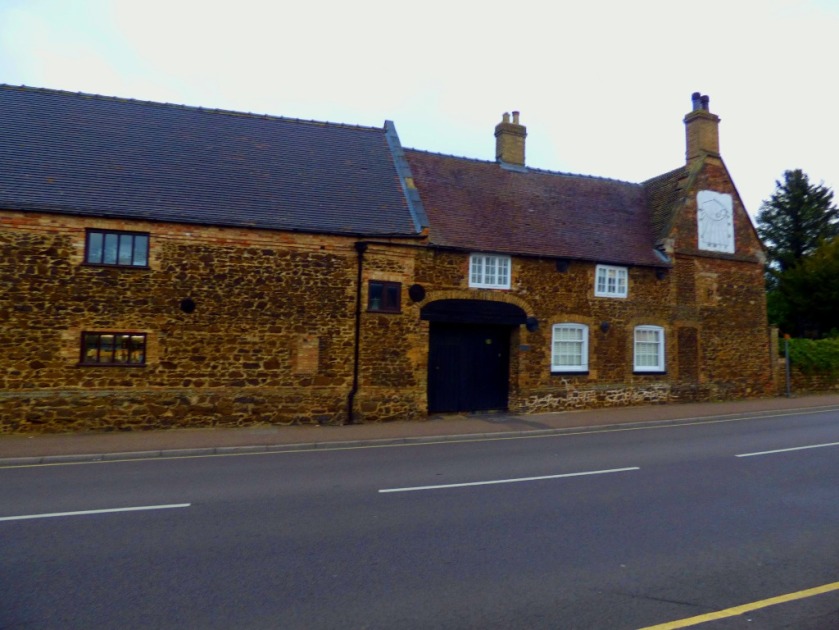
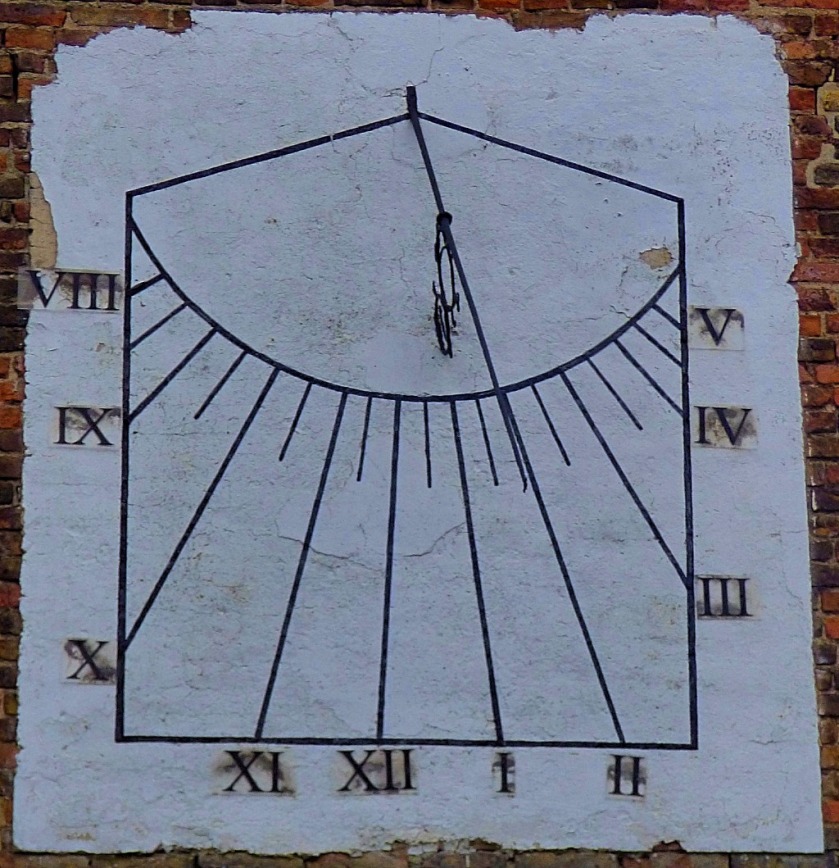
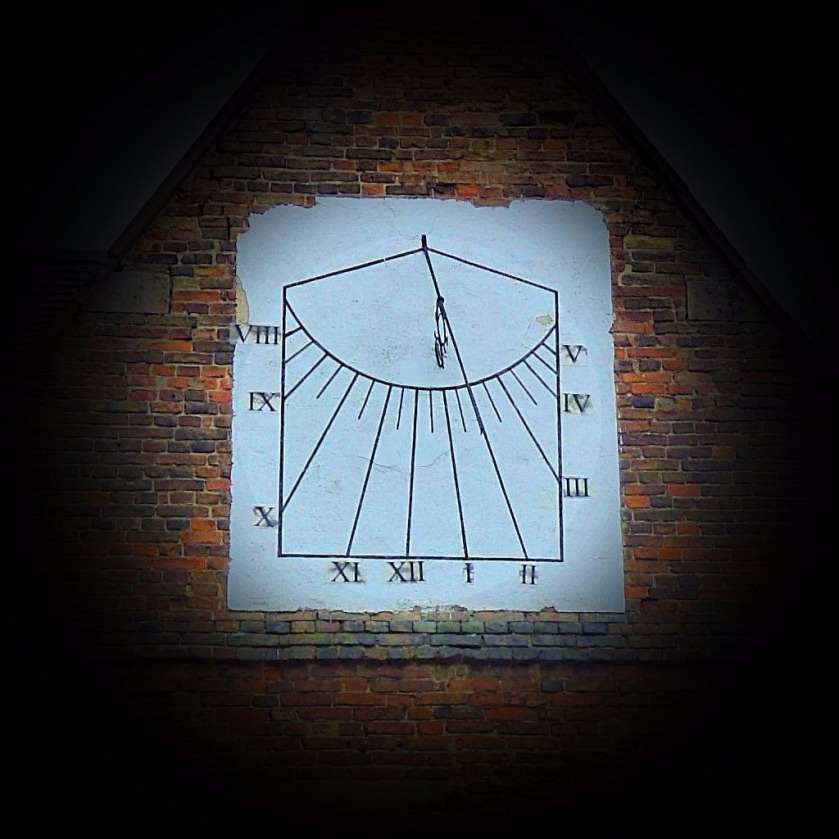
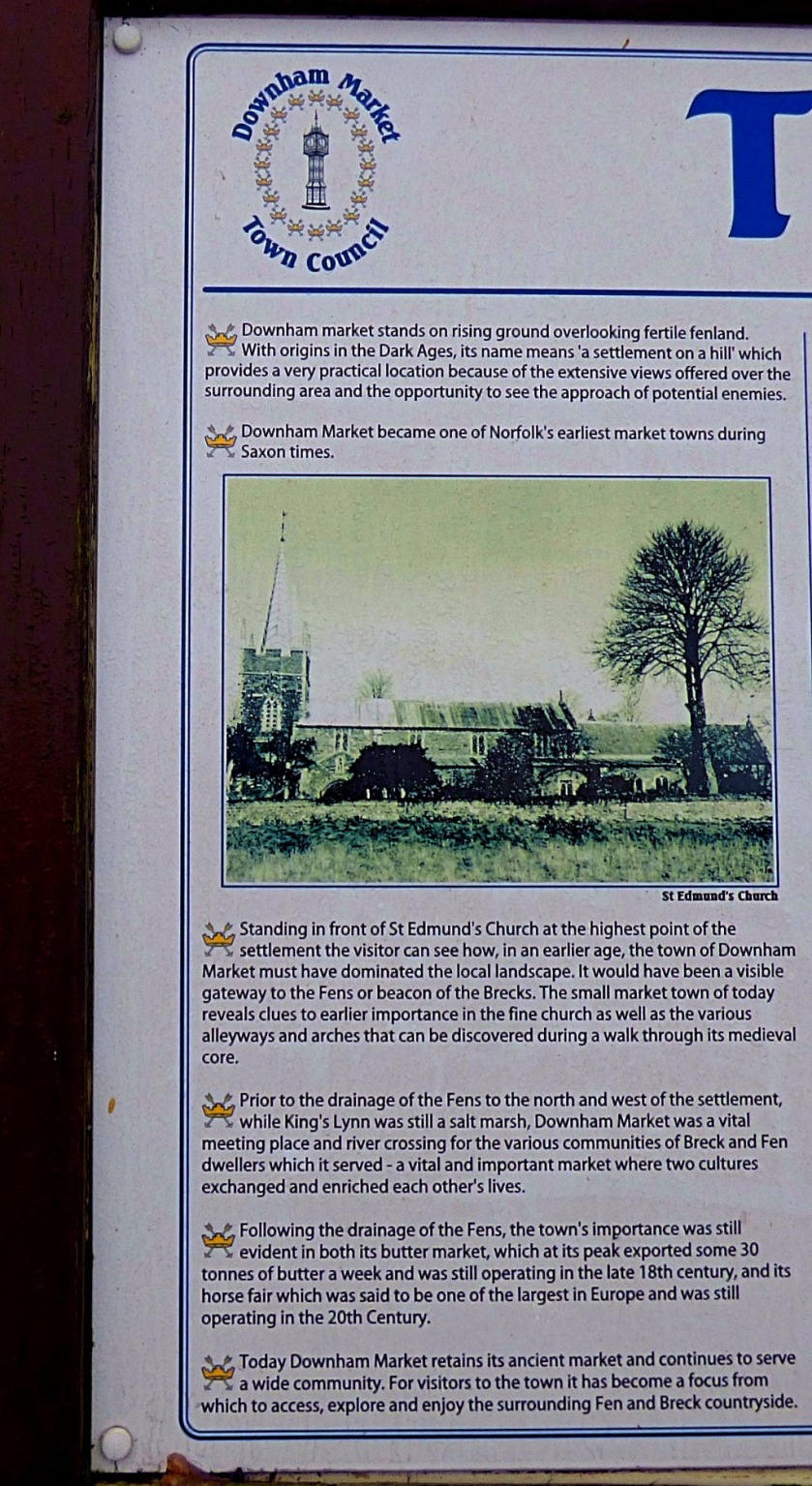
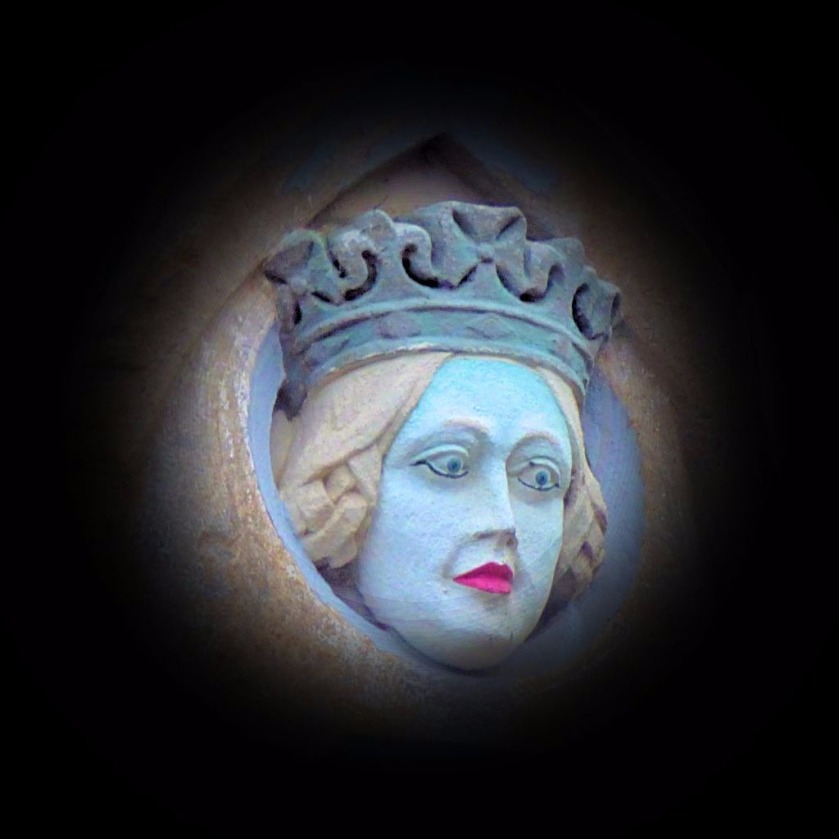

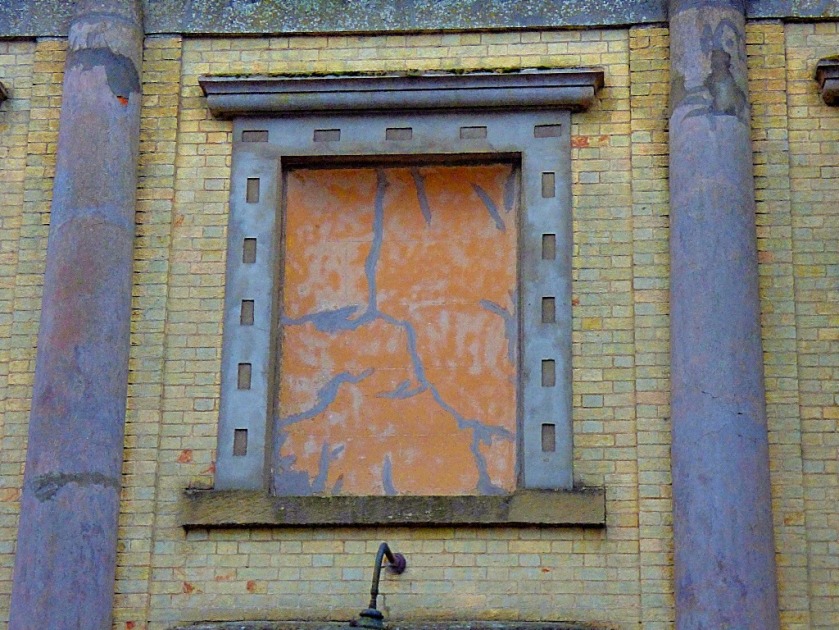
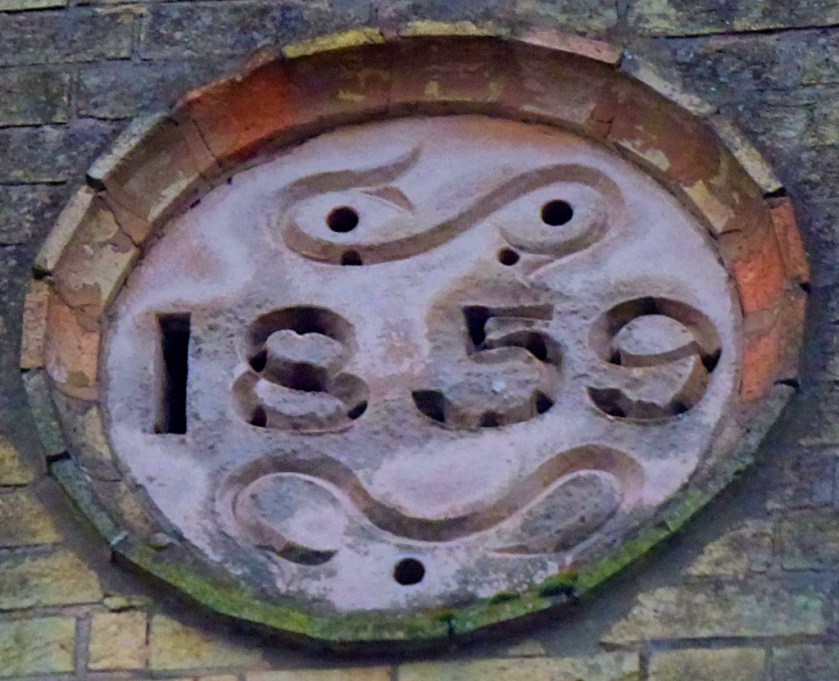
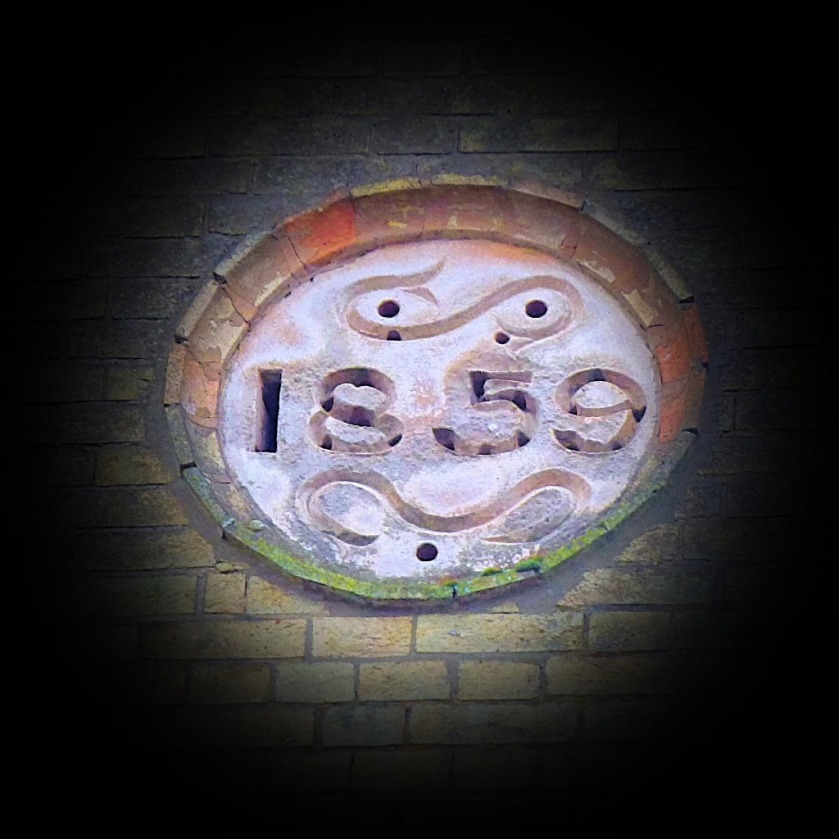
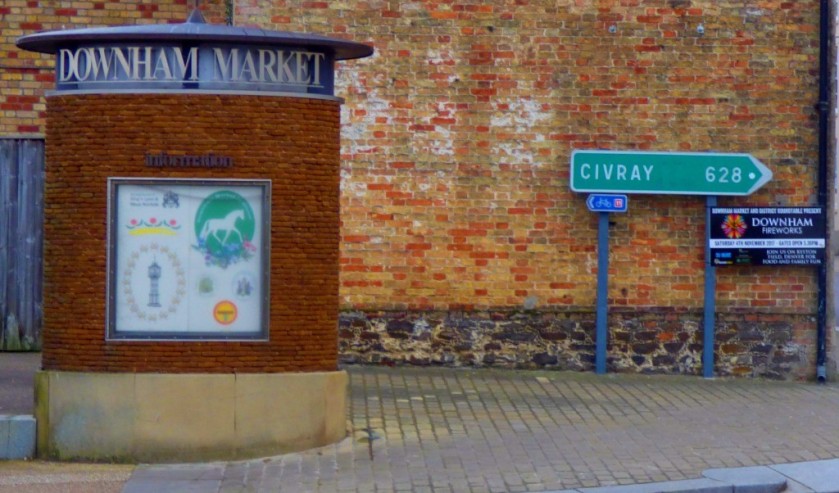
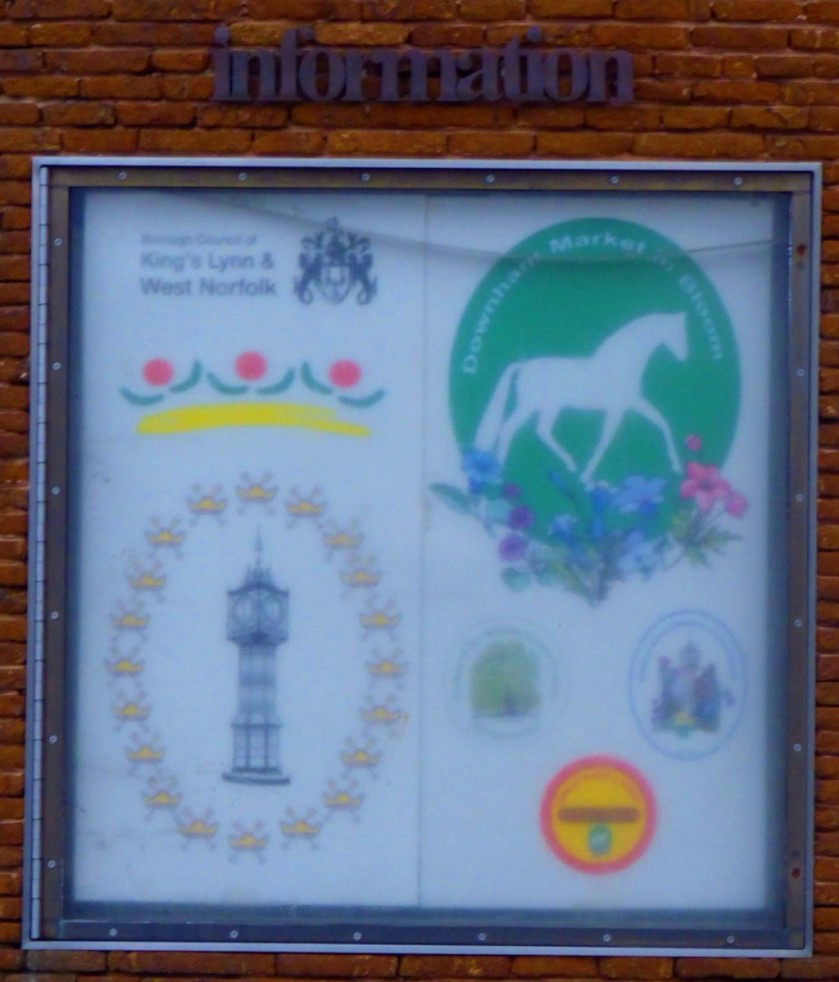
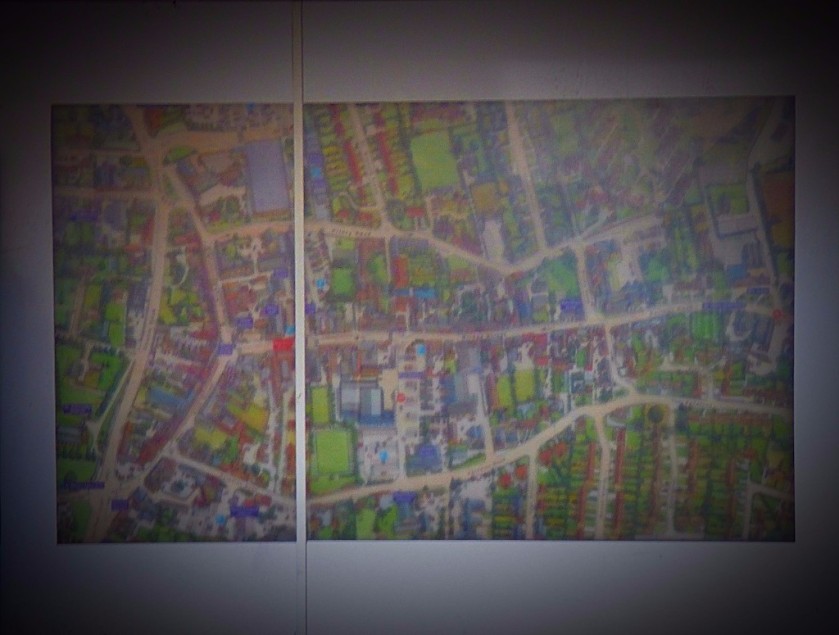
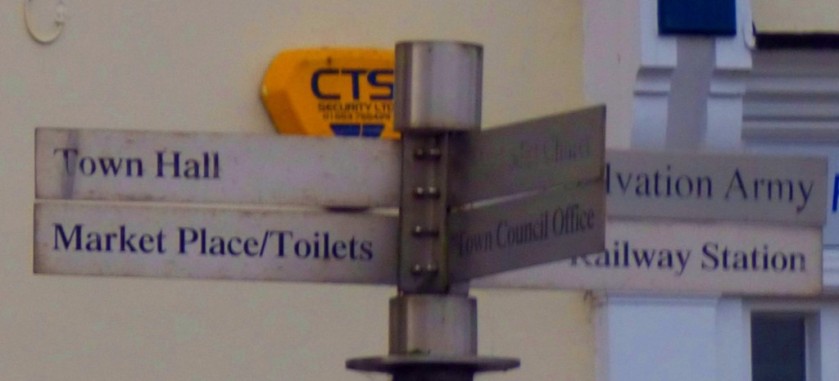


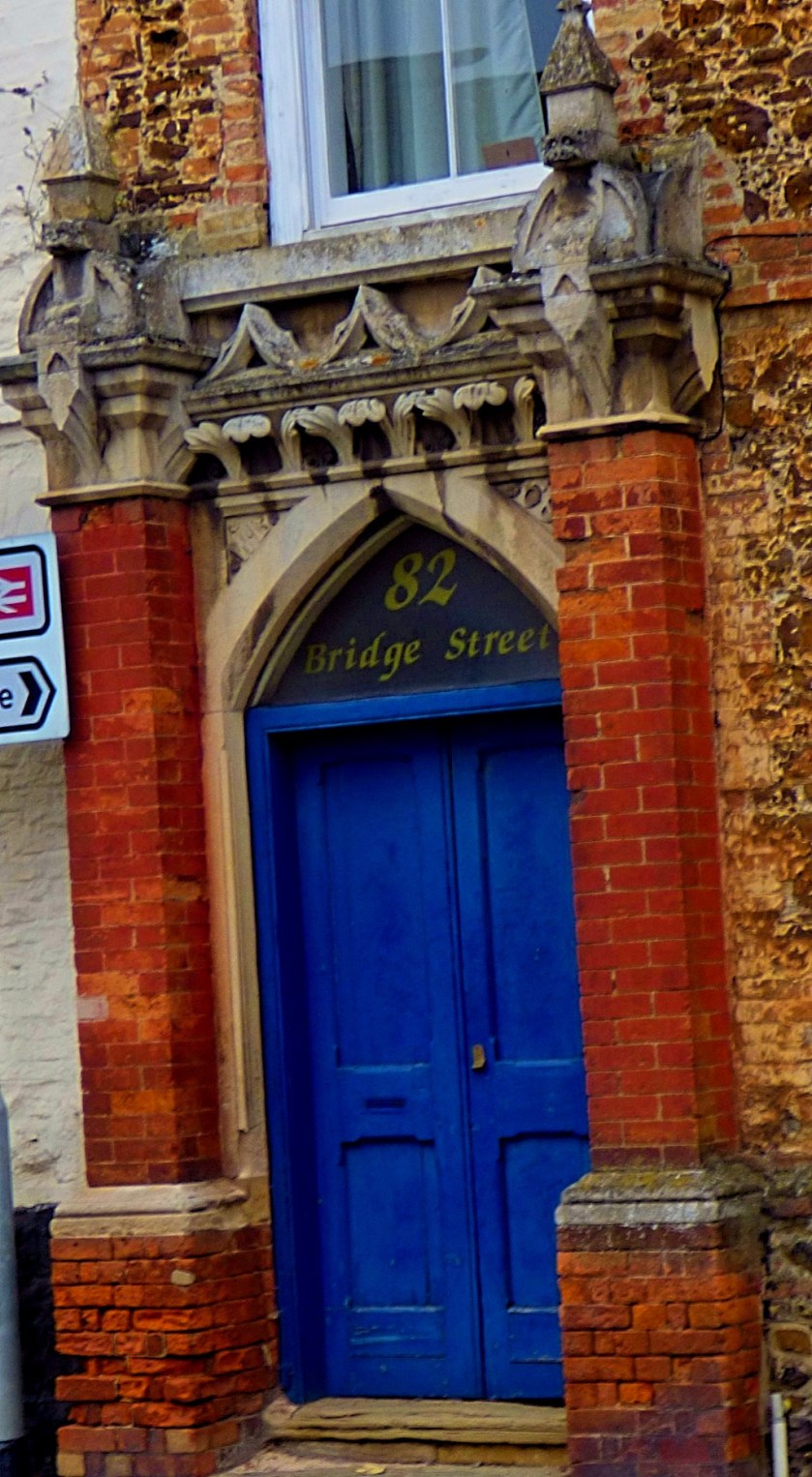
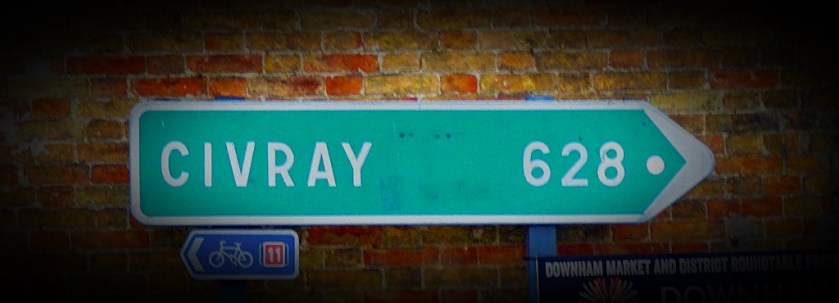
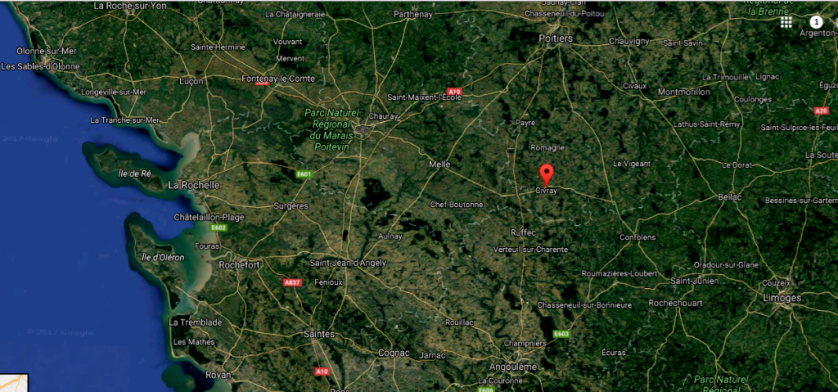
I realised that there could be only one explanation for a signpost in cengtral Downham Market giving the distance to the town of Civray, namely that the two towns are twinned. Civray for the record is pretty much exactly halfway between Poitiers and Angouleme, due east of La Rochelle. I include a map as well as a close up of the sign.
An account of running the NAS West Norfolk stall at the Downham Market Community Fair on Saturday.
NAS West Norfolk were invited to run a stall at the Downham Market Community Fair, which took place on Saturday, with stalls setting up from 9AM and the event itself running from 10AM to 2PM. This post is my account from my perspective running the NASWN stall on the day. There will be plenty of photographs. I have stated elsewhere that while it is not ideal to have a stall covered by only one person if NAS West Norfolk are going to have only one person running the stall that person should be me.

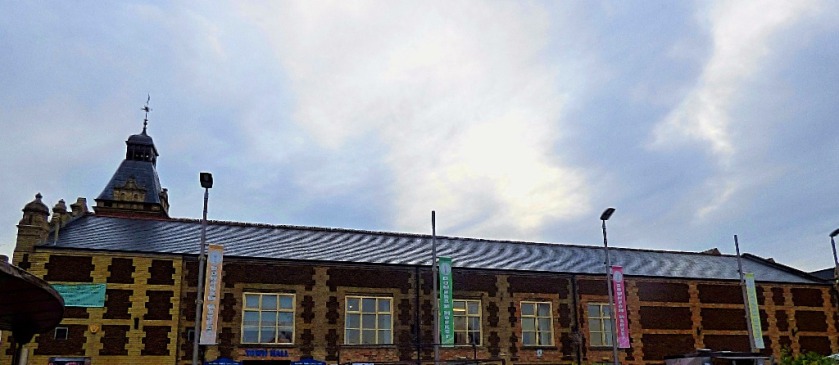
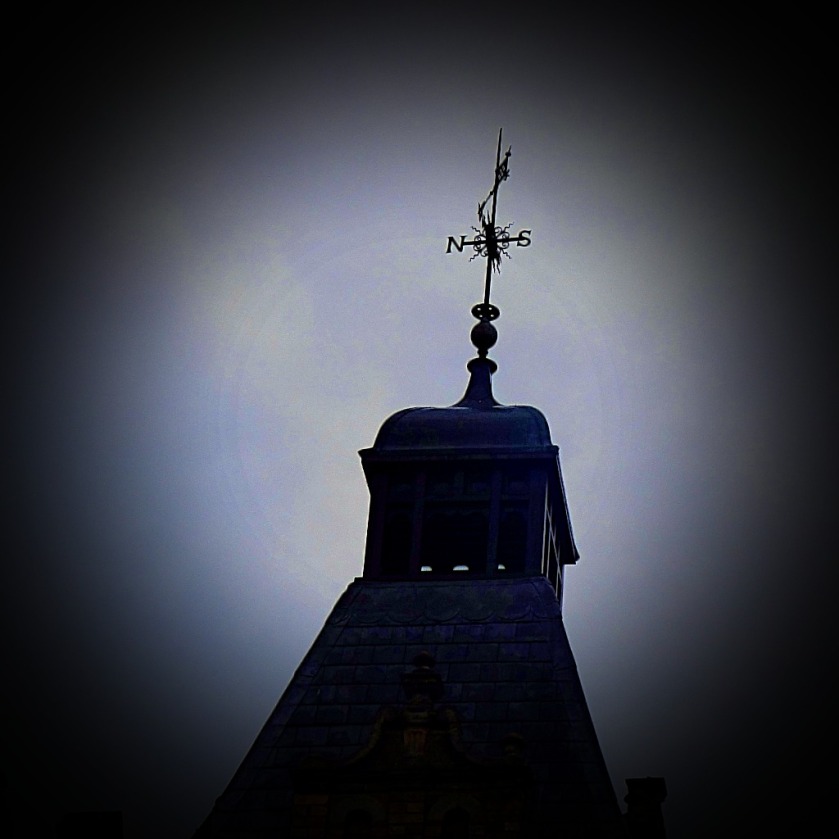
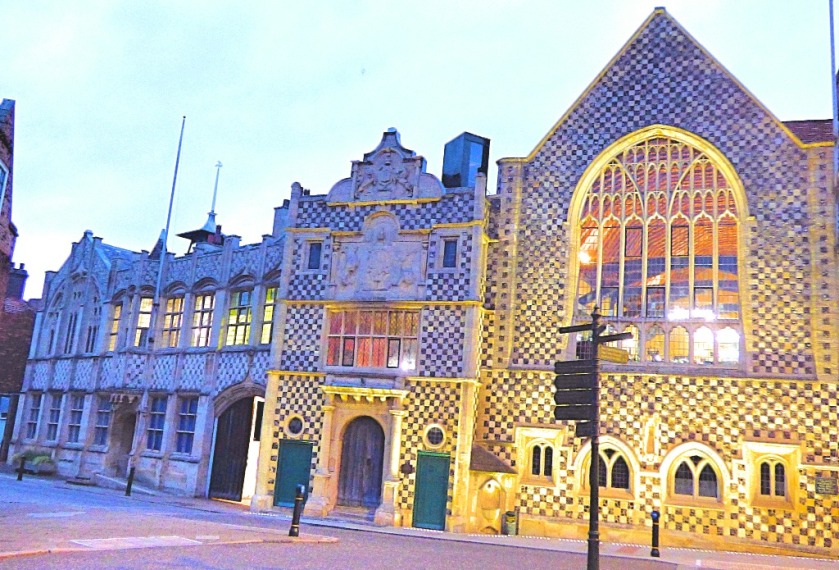
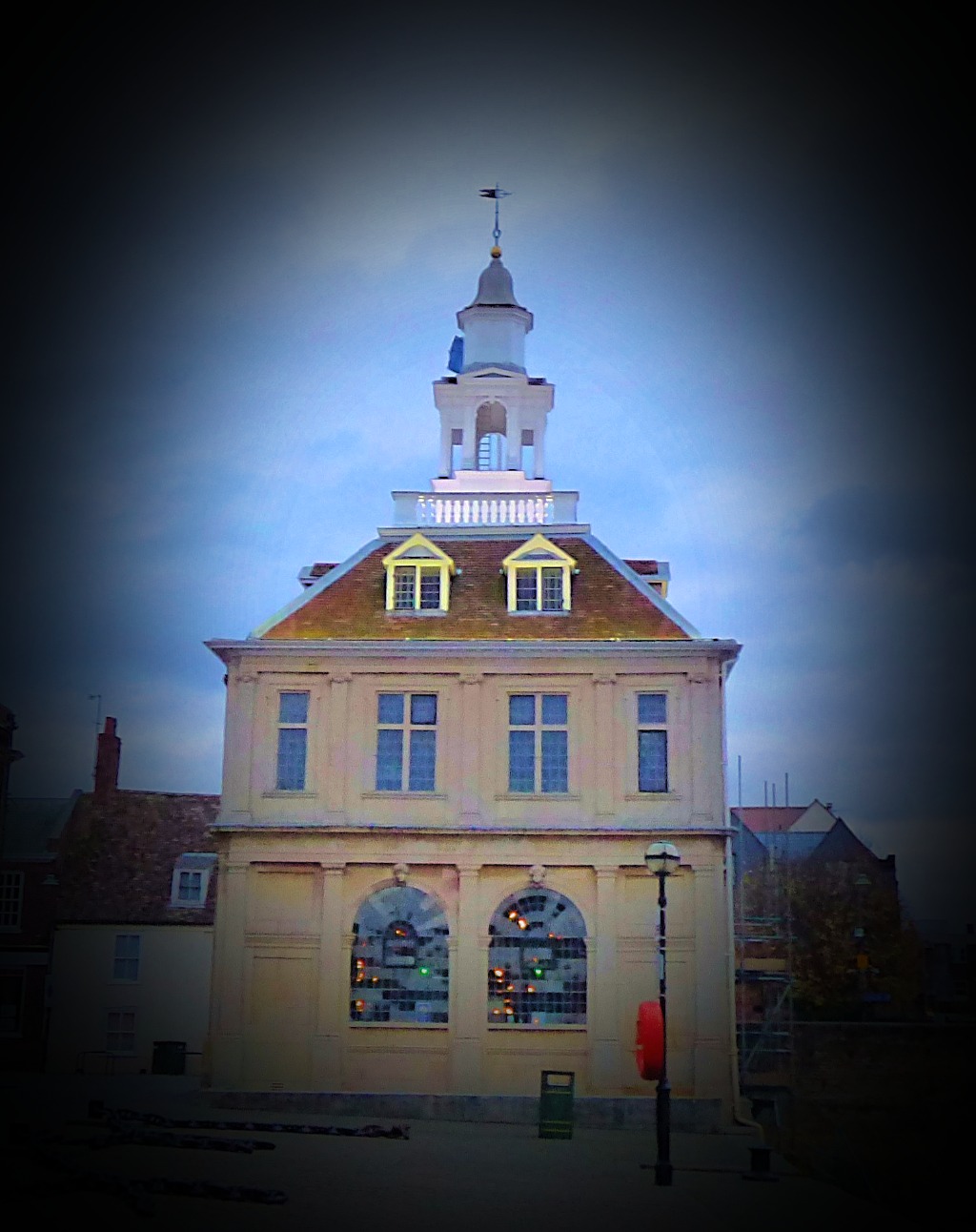
I travelled to Downham Market by train (£3 return when making the journey at the weekend), selecting the 7:54AM, which would see me arrive at the station at about 8:10AM. I saw sufficiently much to take the eye as I walked through the town that I shall be putting up a separate post about that. I arrived outside the Town Hall at 8:35AM, giving me plenty of time to take some photographs of the outside of the building.




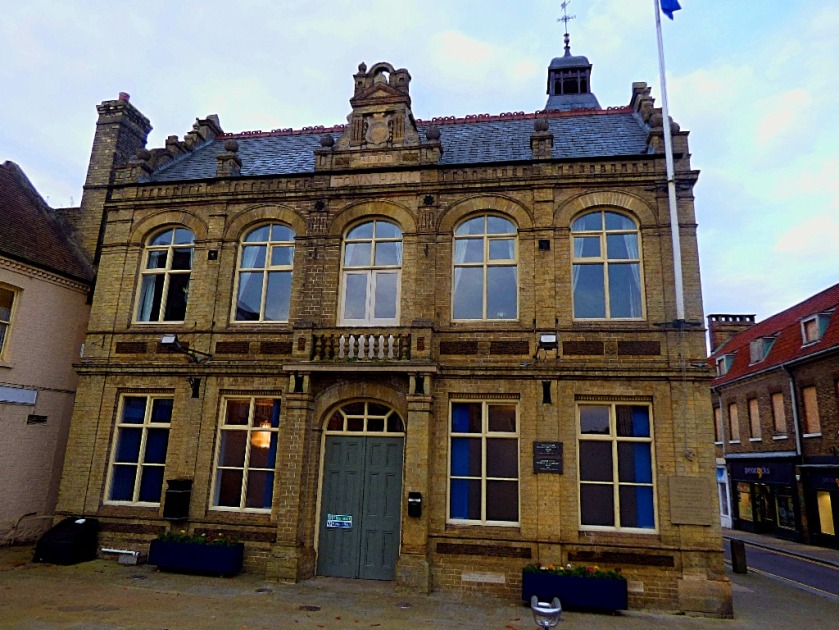


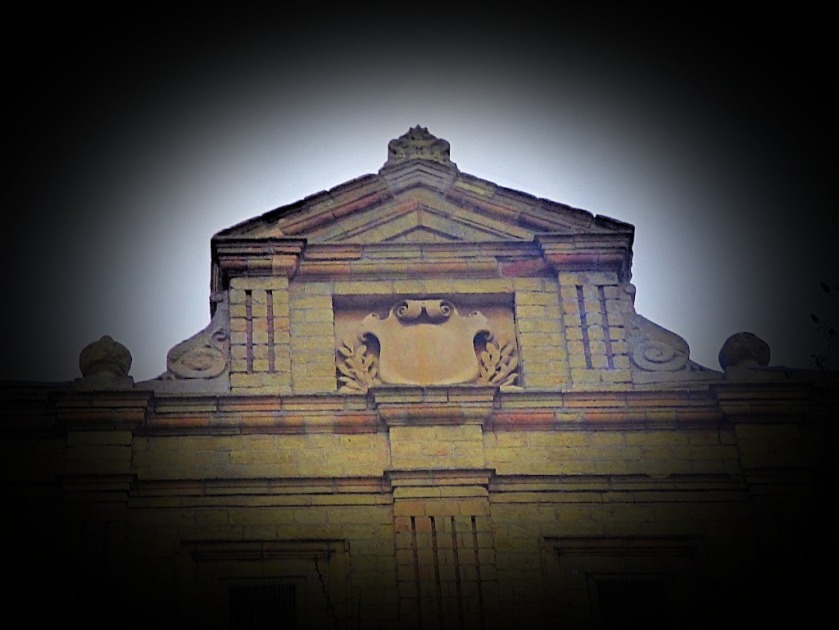
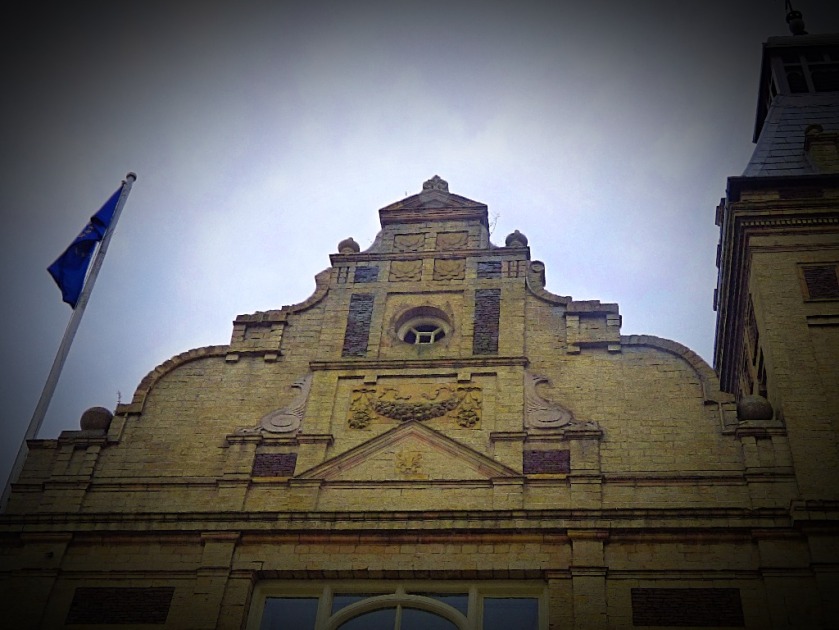


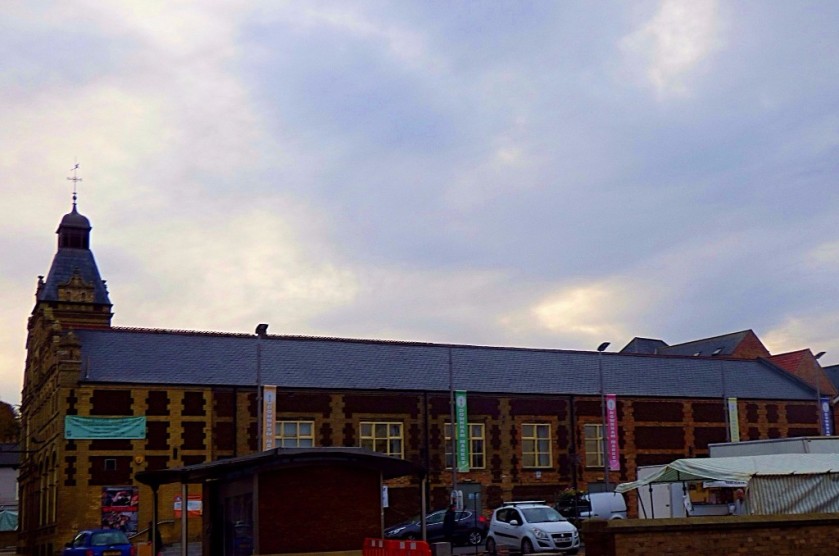

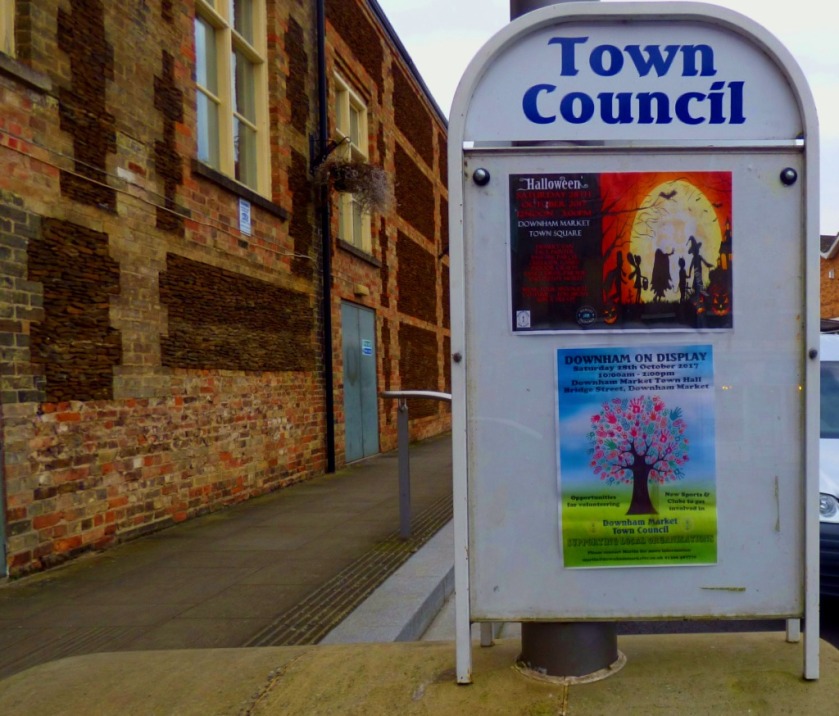

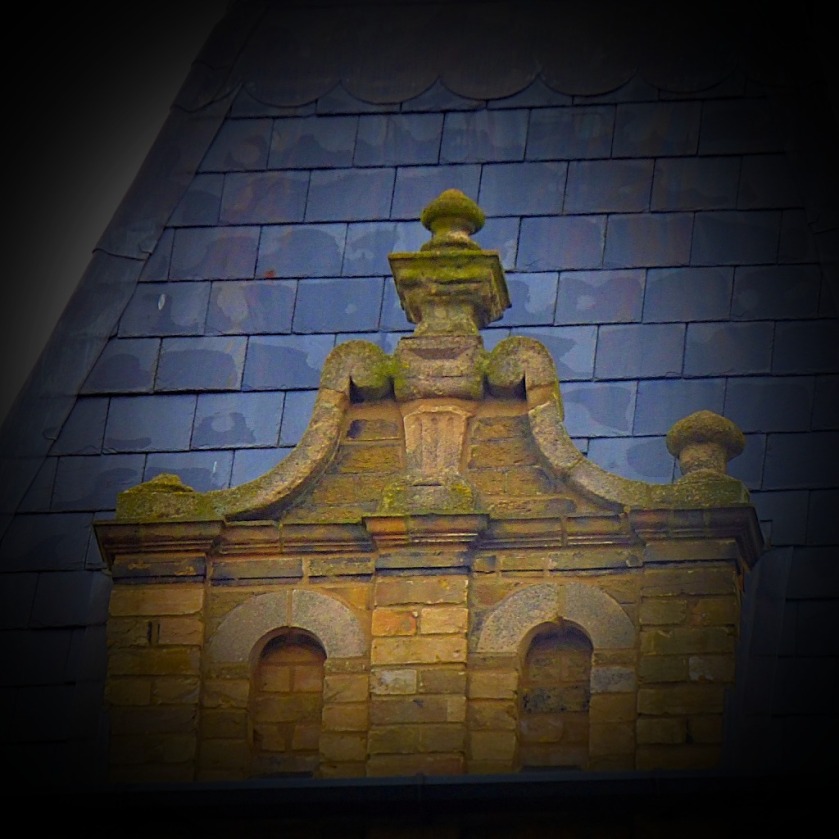
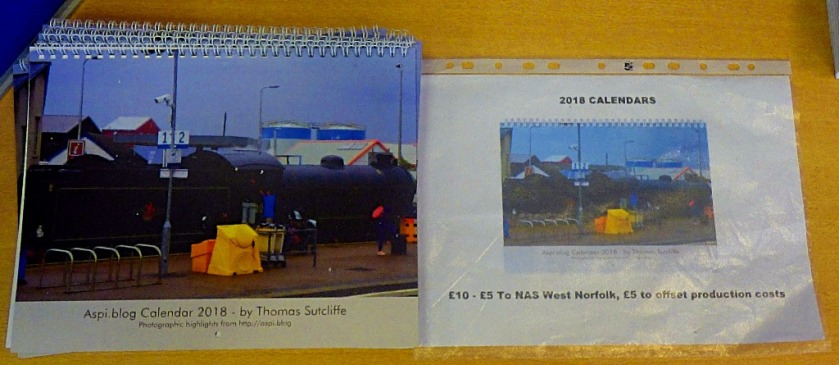
As arranged the person bringing the stall and some new leaflets arrived at 9AM, and the setup was swiftly accomplished. This was the first occasion in which the aspi.blog calendars for 2018 were on public display.
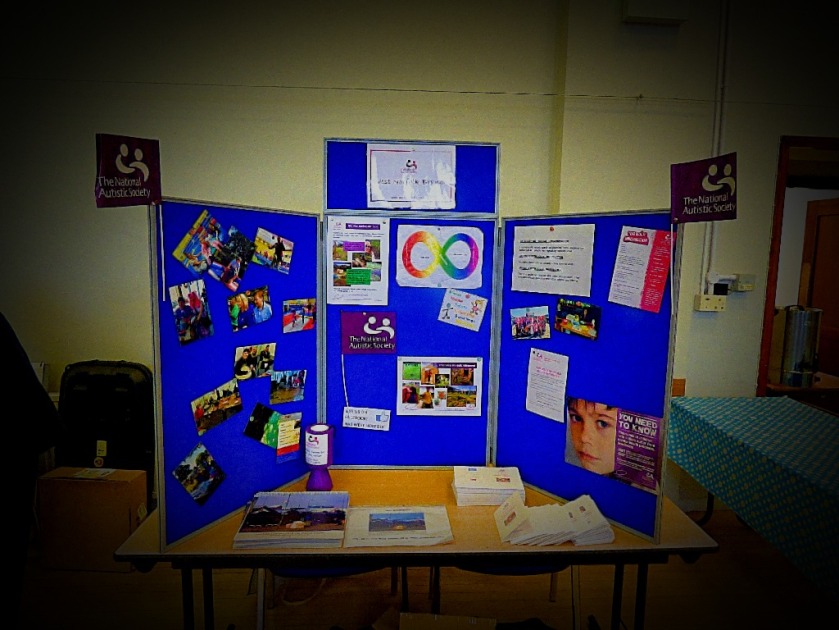
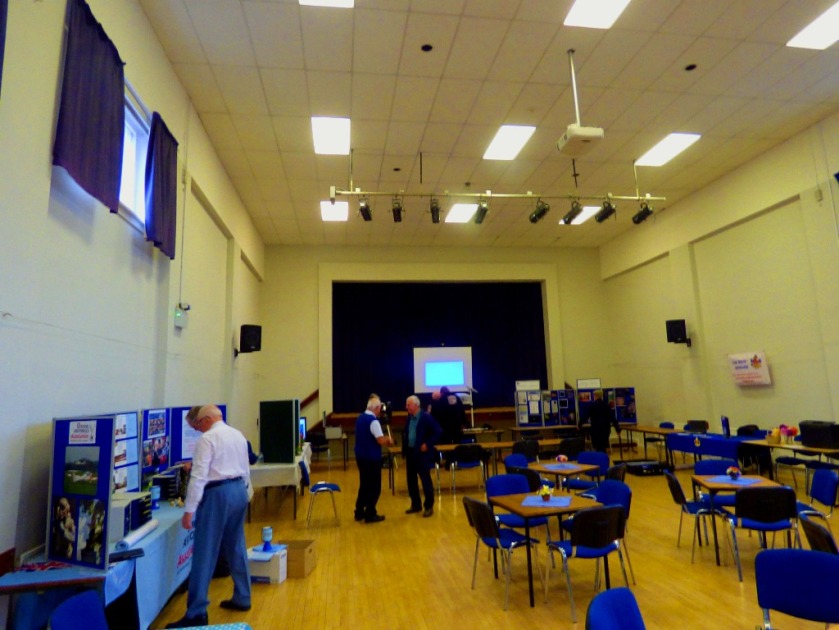
Obviously, being in sole charge of the stall I did not have much opportunity for moving about once the event was underway, but I did get sufficient pictures from a combination of the occasions on which I did move about and those taken from the stall to give a feel for the event. We start with some general pictures of the inside of the building.




Moving on to inidviudal stalls, I got pictures of the Downham Market Horticultural Society stall, the RBL stall, and various others. The most impressive stall of the day was that being run by the King’s Lynn and District Astronomy Society. They had a big screen displaying some very impressive slides as well their display board. The Cats Protection group had a stall, that like the NASWN stall was being run by a single person.
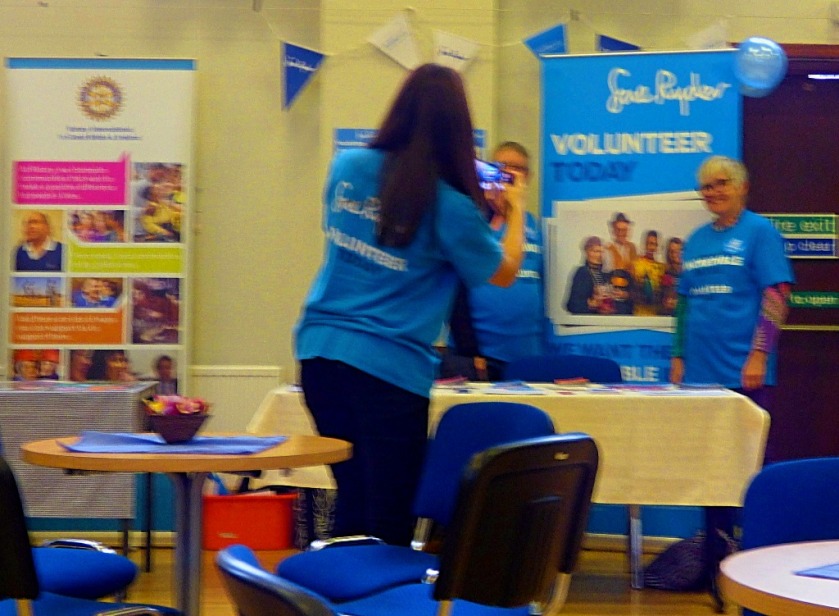

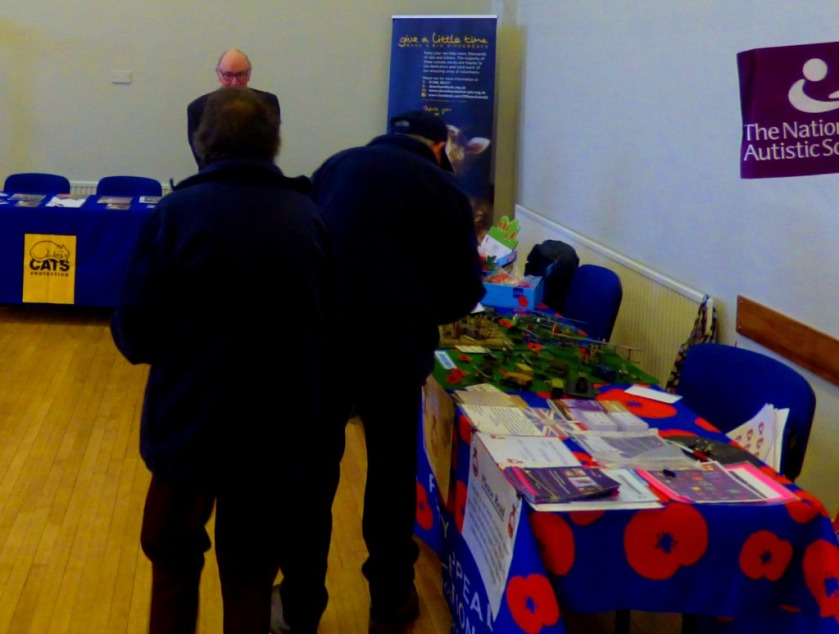


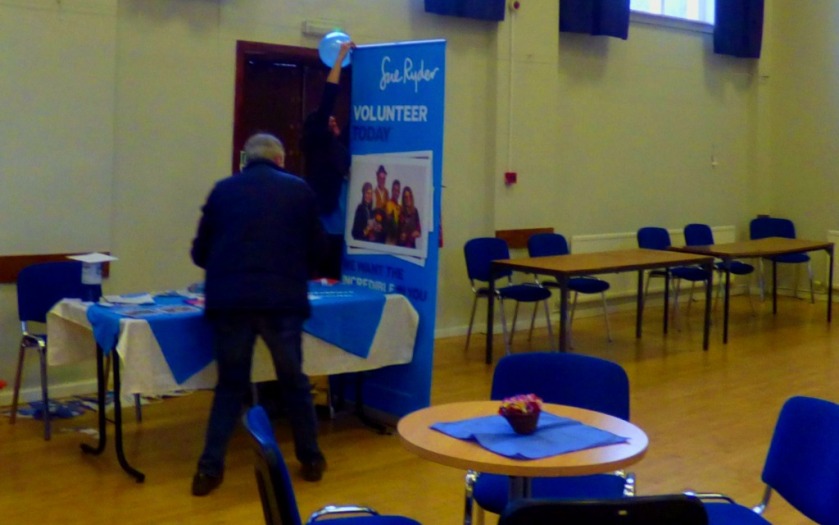
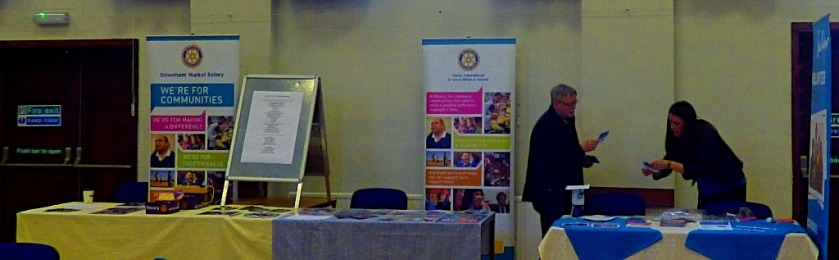
These are all the pictures of stalls other than the Astronomy Society one that I got, and it is to that group that I now turn:
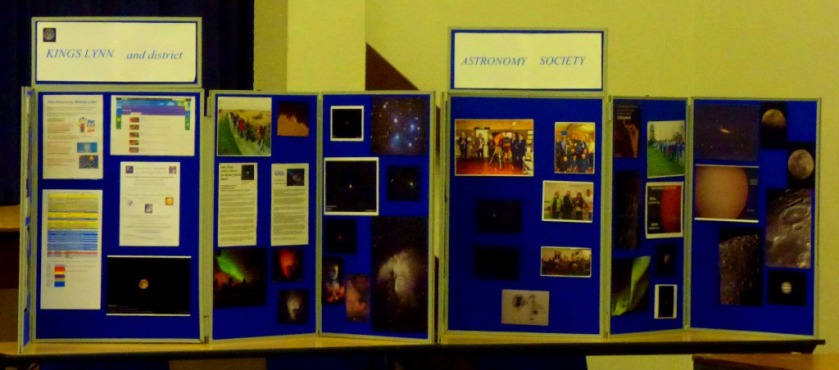
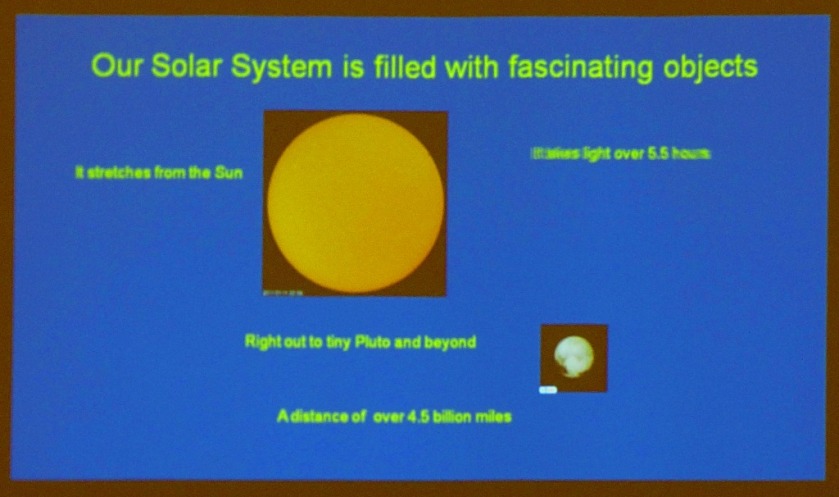

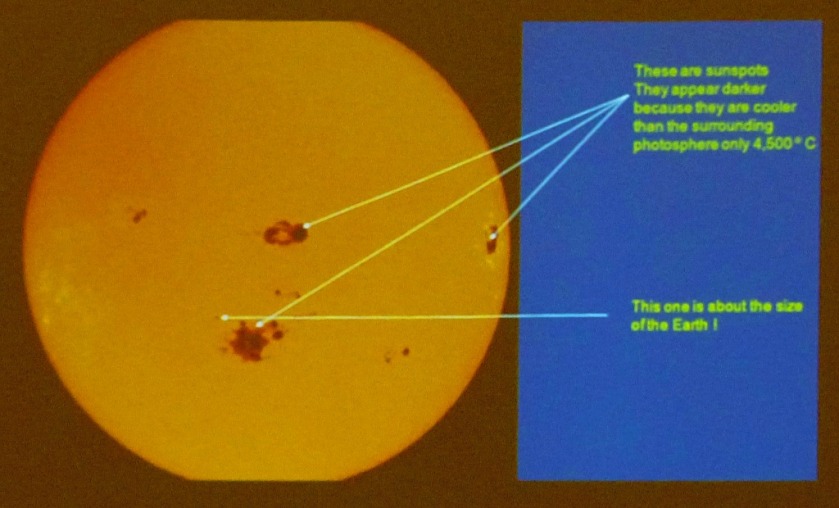

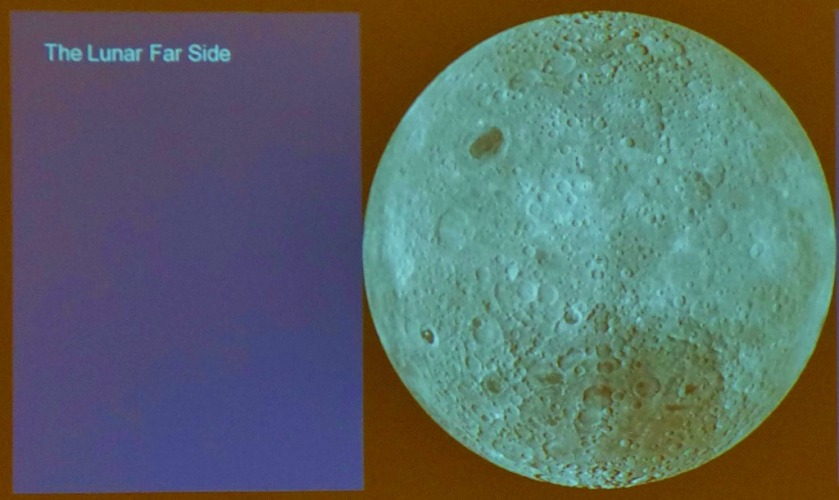
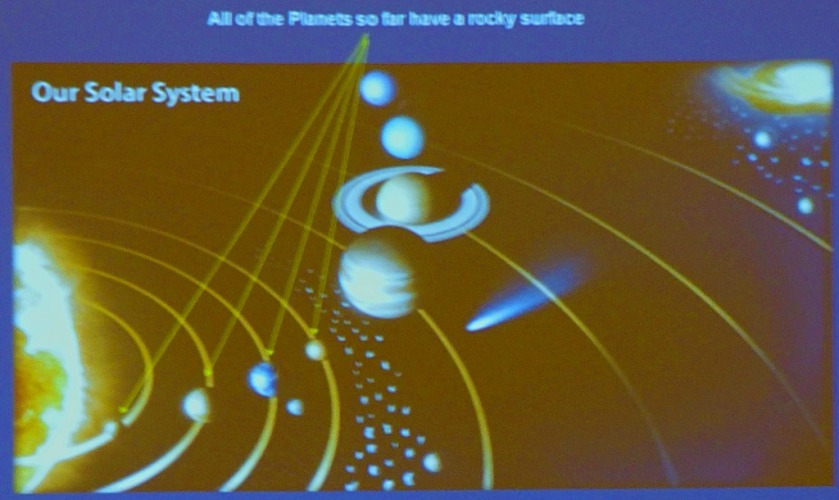

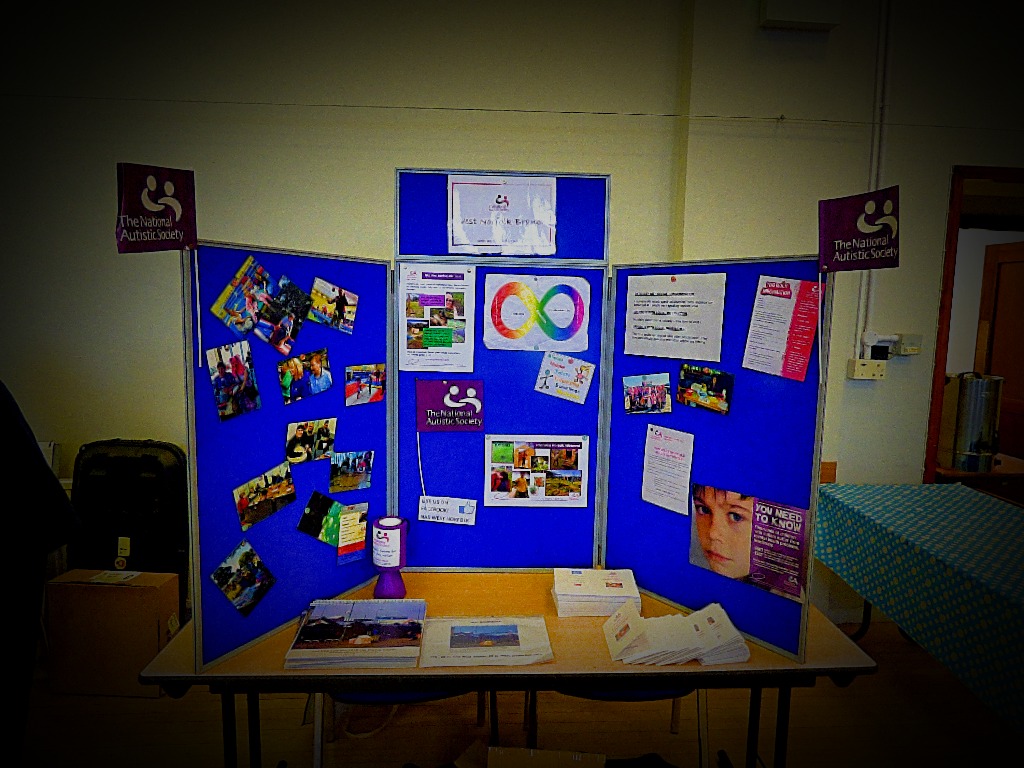
The event was not massively attended, but I did see quite a few people at the NASWN stall, and the experience was overwhelmingly positive. My calendars impressed a few people but not sufficiently for any to sell. From an NASWN perspective, the main point of the day of course was to improve understanding of autism and to publicise the existence of our group. We succeeded as well as could have been hoped for in both regards, with a number of the new leaflets being taken, and quite a few people leaving the event better informed about autism than they had been before it started. I also got to explain about the rainbow coloured infinity symbol, and the fact that it is a symbol chosen by autistic people to represent the autistic spectrum. I consider that this event was a good use of a significant part of my Saturday. To finish, here is our stall for a second time:


The latest addition to my “Trees in Transistion” series.
It has been a few days since I did one of these posts. While plenty of the trees have shed most or all of their leaves some are still quite green.
I have two sets of tree pictures to share, the second of which were taken only yesterday evening.


The ones from yesterday evening:


Some thoughts on shared space streets and Exhibition Road in particular.
Much of this post will also be appearing on my London Transport themed website as well as here because of the location of the particular shared space road that brought this issue to my attention. That location is of course Exhibition Road, London – a location very familiar to me from when I lived in London and was a regular visitor to museums. Here is a map for you to orient yourselves:

A shared space road is a road without pavements, with no clear distinctions between where cars, cyclists and pedestrians should be. According to some this arrangement reduces accidents. However, a recent incident on London’s Exhibition Road has called this into question. Here is a tweet from campaign group Transport for All:
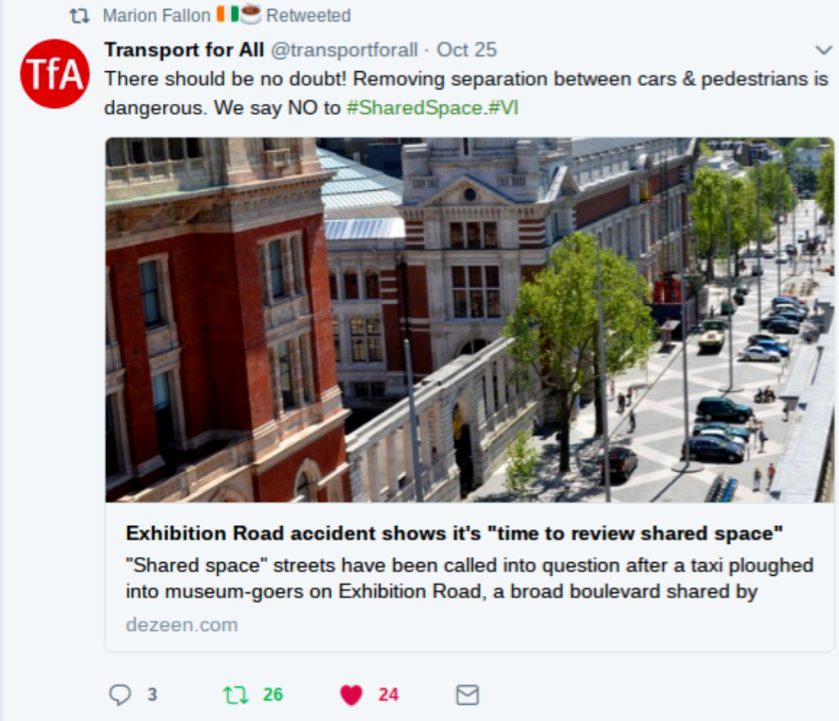
This (to me) raises two questions to be taken in turn:
I am uncertain on this one and will welcome evidence from people with experience of shared space roads in their localities. My own view is that they could work but the following is necessary:
Given what I know of London drivers I do not think that London is the right city to be trialling these (although Rome and Paris would both clearly by even worse options!)
Absolutely not – it should be completely pedestrianised. There are excellent public transport connections in this part of the world.
Continue reading “Shared Space Roads ?”
An account of James and Sons’ October auctions.
This week was auction week at James and Sons. This post covers the events of the three days.
I arrived at our premises in Fakenham at about 7:15AM, and made a cup of coffee, checked my emails and attended to IT setup. I had time to take a few photographs before anyone else arrived.


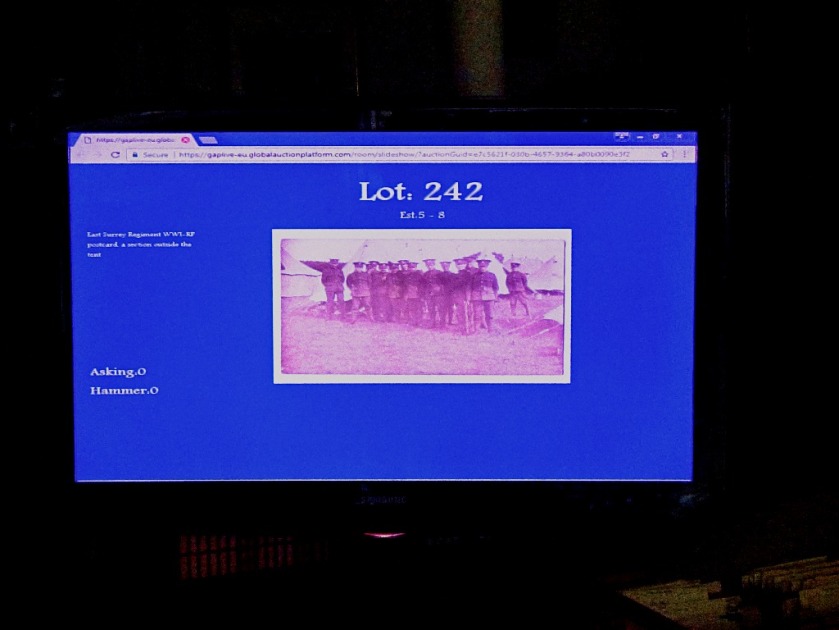
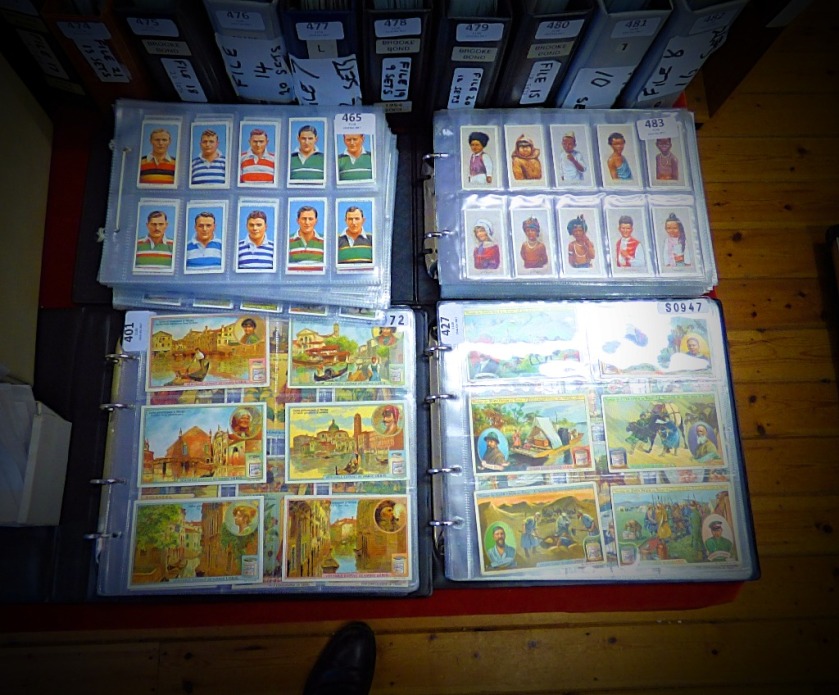

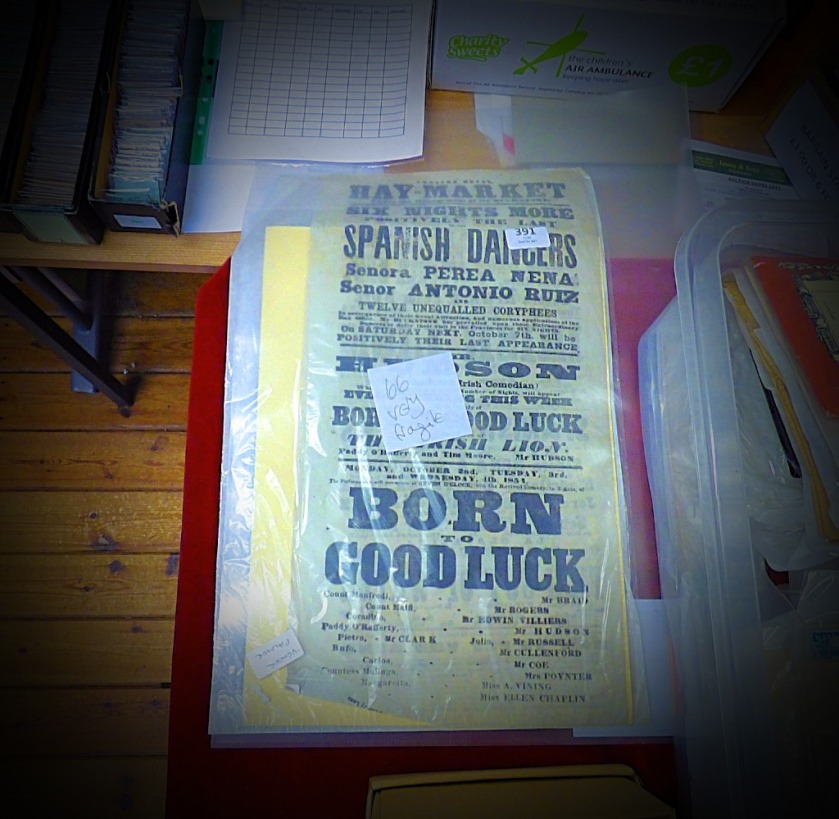
These fared reasonably thanks to the internet. Three lots in particular went way above estimate. Lots 175 was estimated at £8-12, but courtesy of an internet battle soared to £28. Lot 213 with a modest estimate of £5-8 went for £25. Lot 227 had an estimate of £8-12 and sold for £30. Here are the items in question.
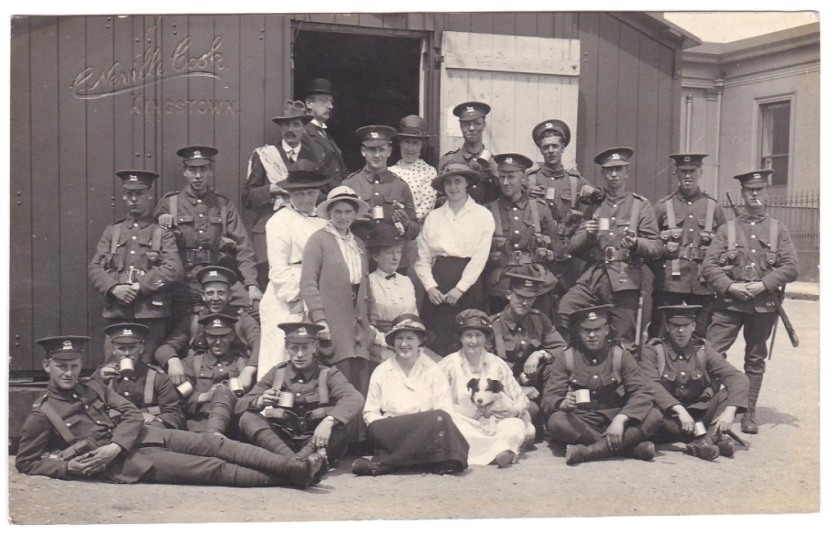
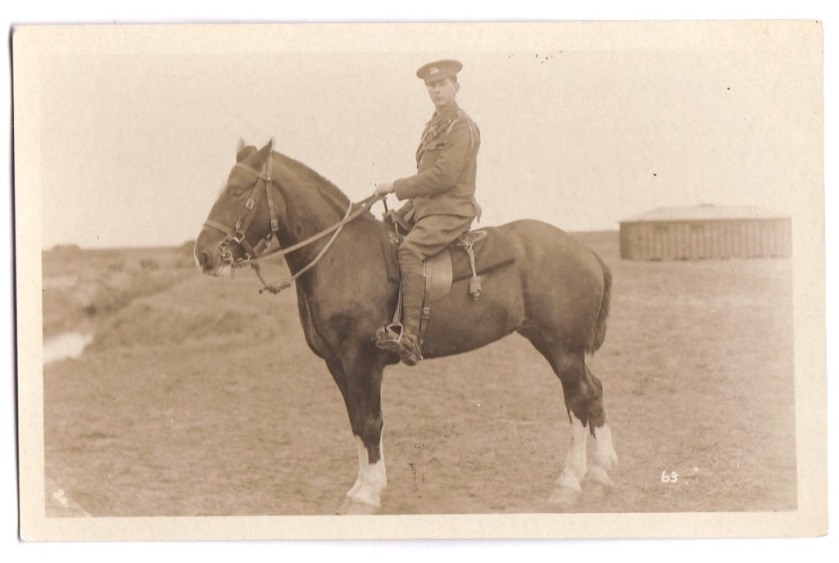
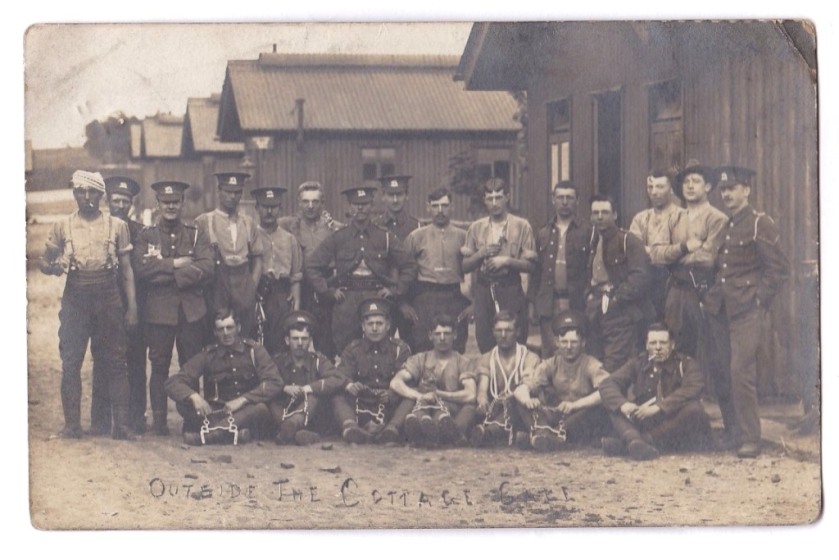
All these pictures incidentally are scans, at 200dpi.
No high prices from this section, although lot 353 went for significantly over estimate. Lot 321 fell my way unopposed, and lot 399, which I had had an eye on also fell to me (I ventured a hopeful bid, not expecting for an instant to get the item, only because lot 353 which I had assessed as the more likely bet went elsewhere).



Nothing noteworthy happened in this section. The auction finished, it was still necessary to move the items from this sale upstairs and to bring the stock (save the very large stuff) for the next day’s sale downstairs.
Again an early arrival gave me time to do a bit before anyone else was there. I also had time for a few pre-auction photographs.
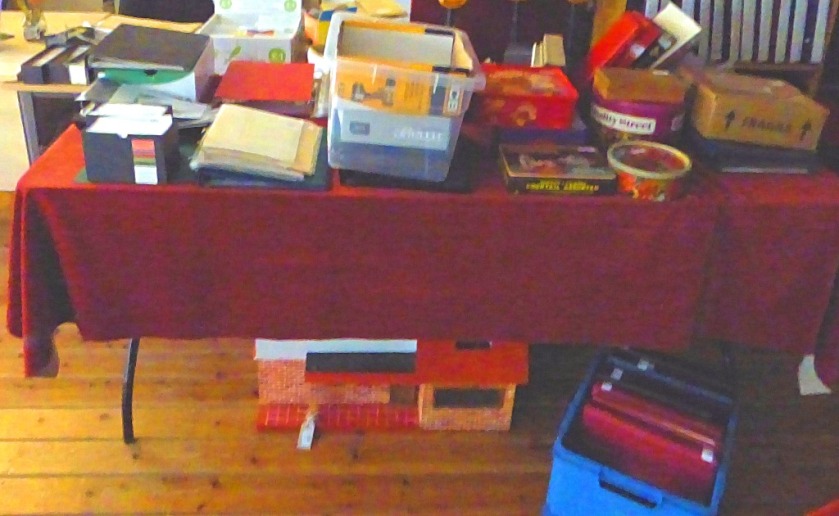
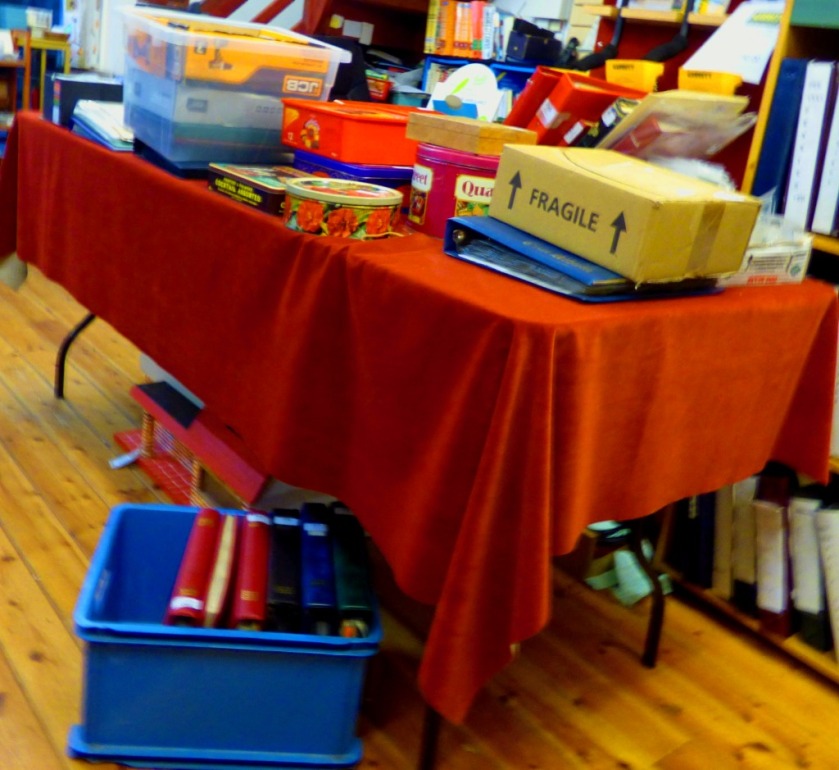
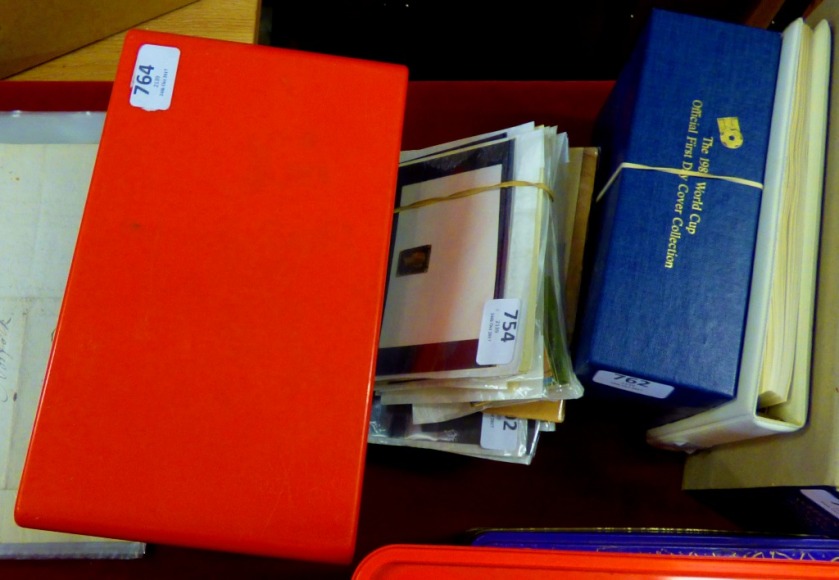
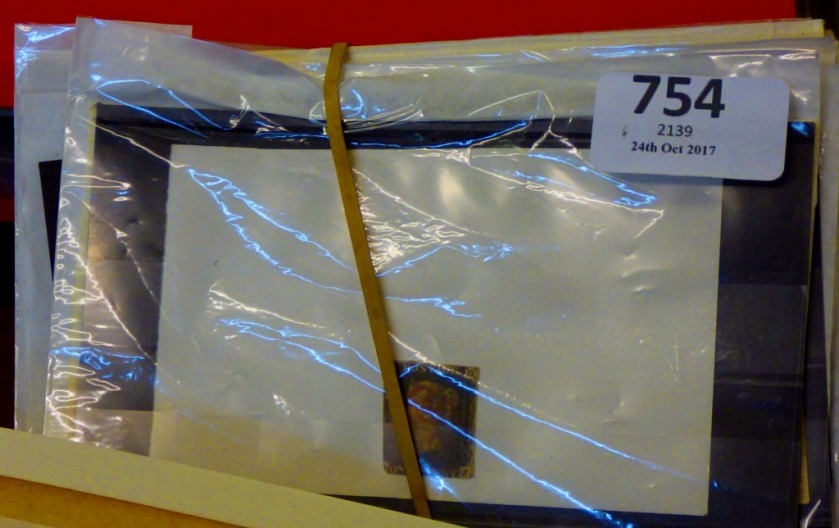
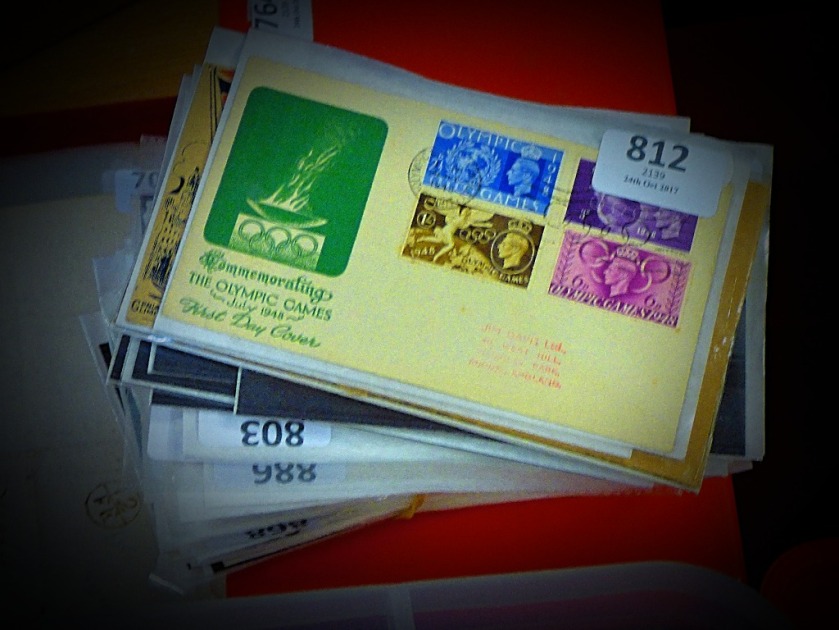
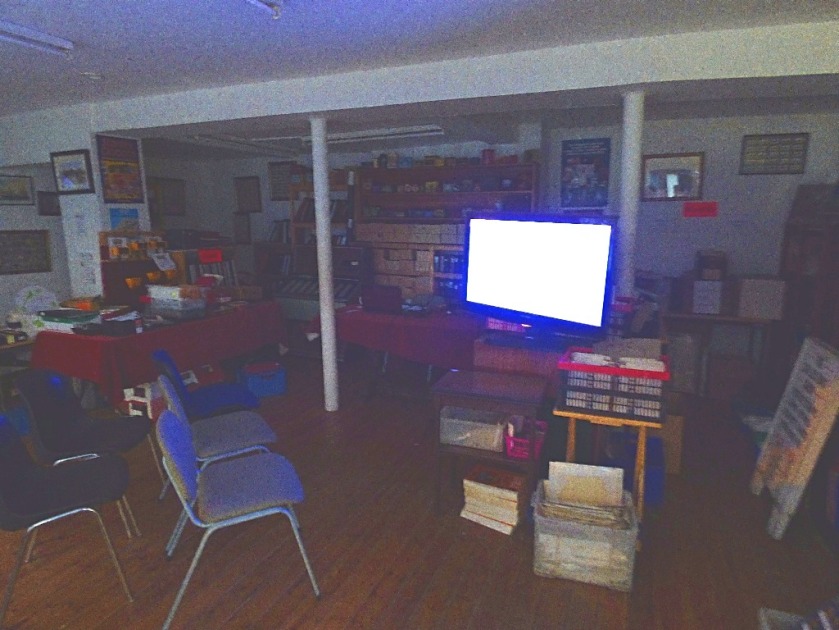
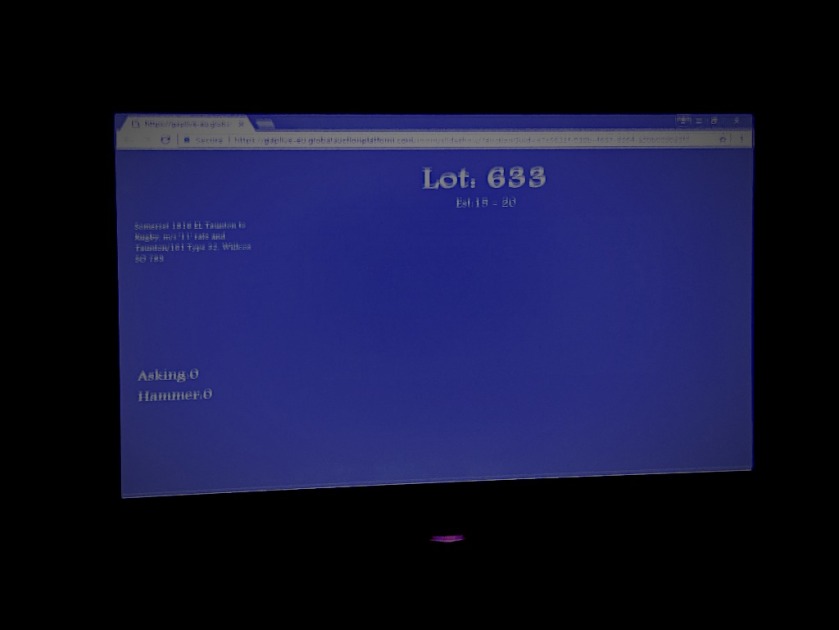
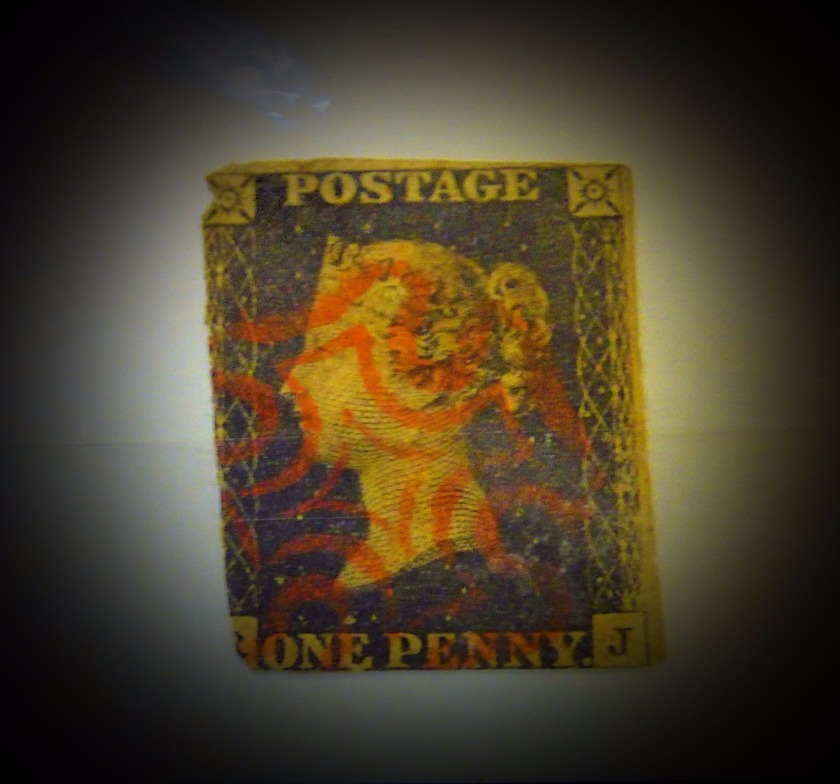
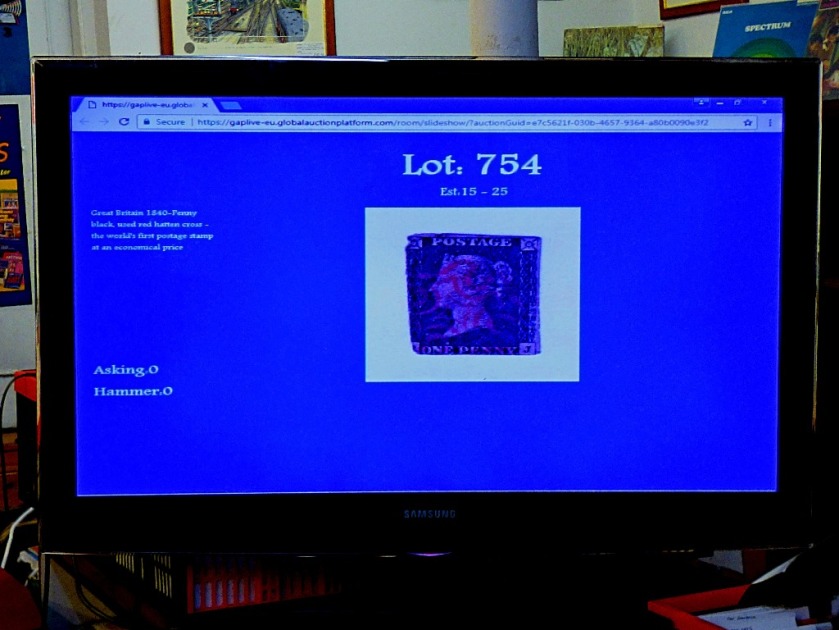
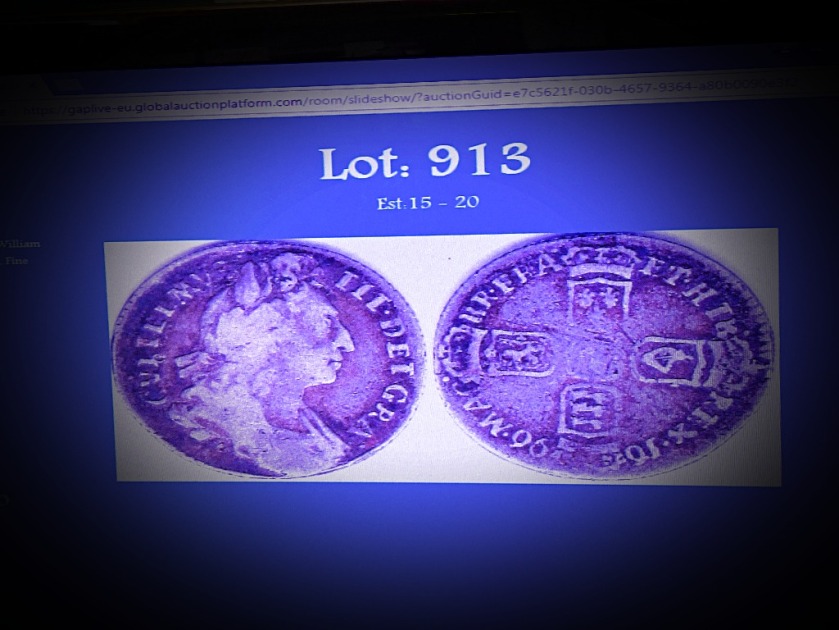
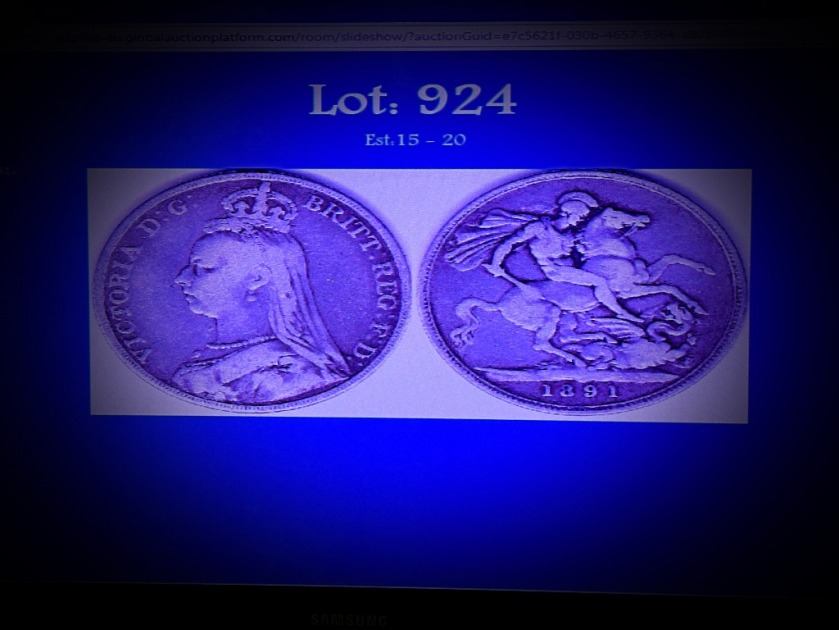
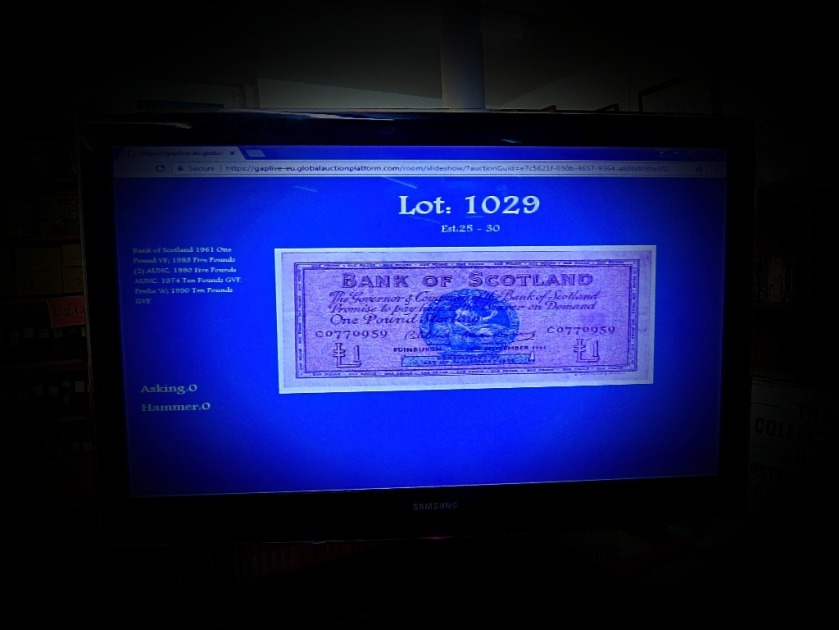
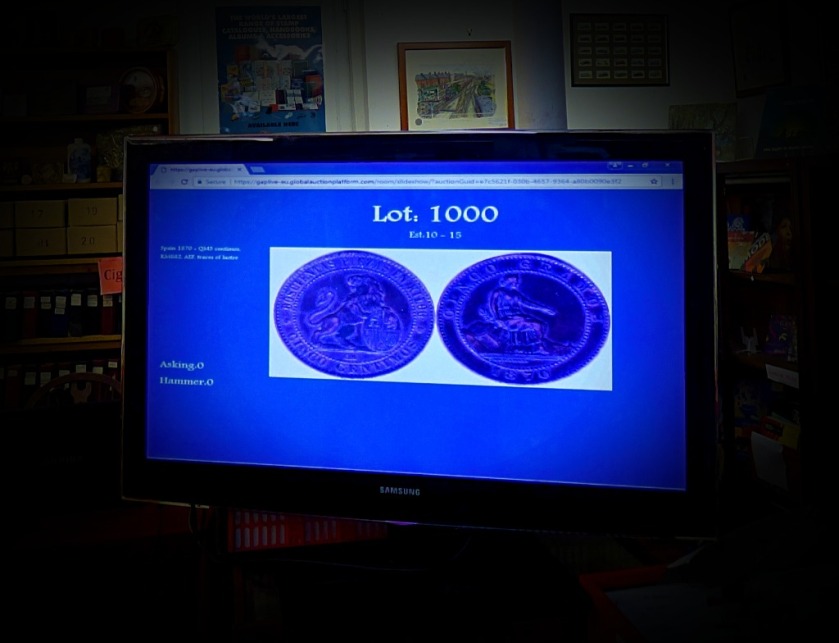
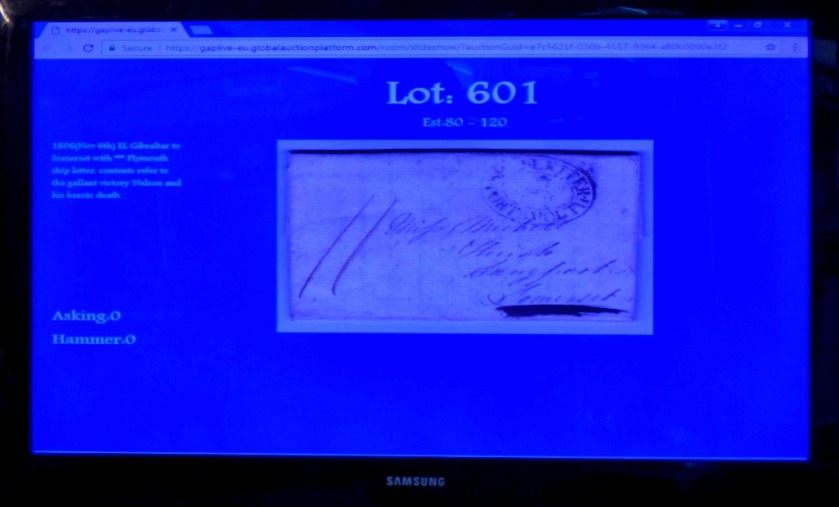
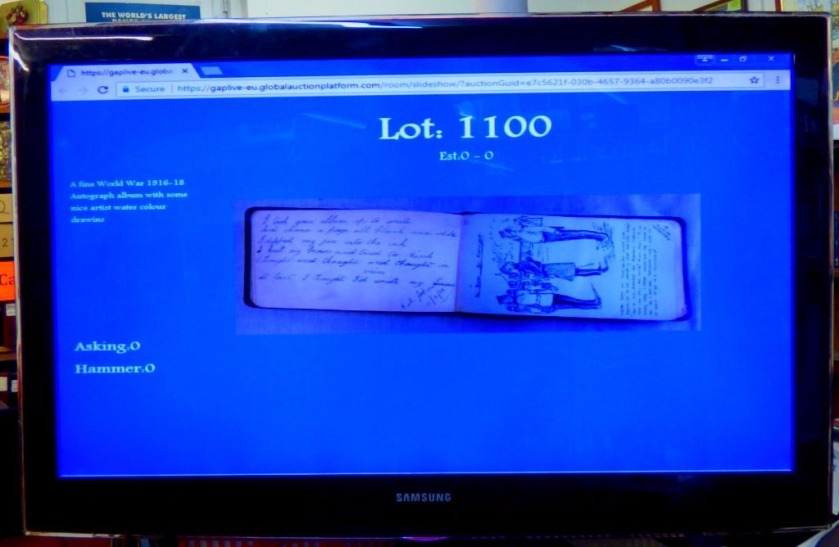
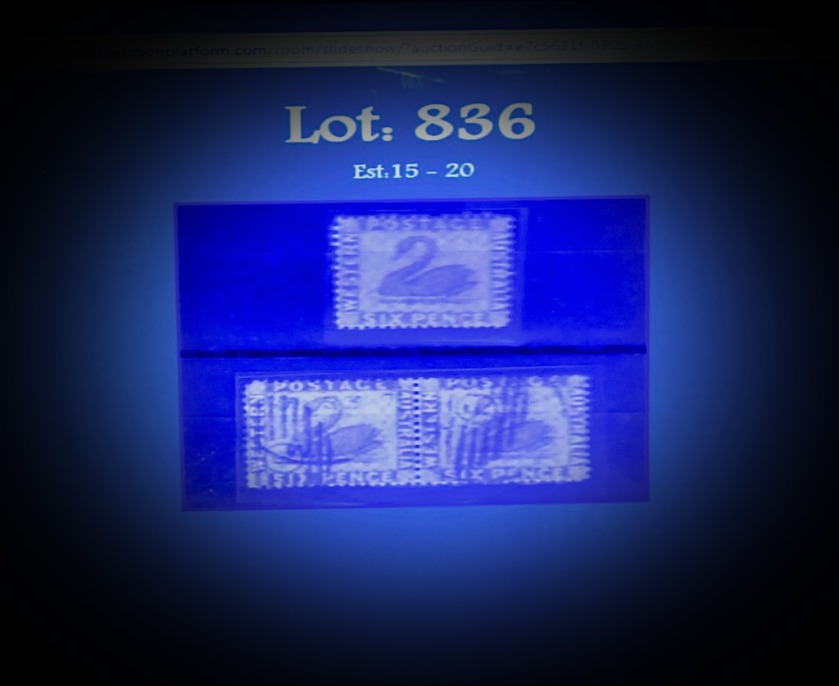
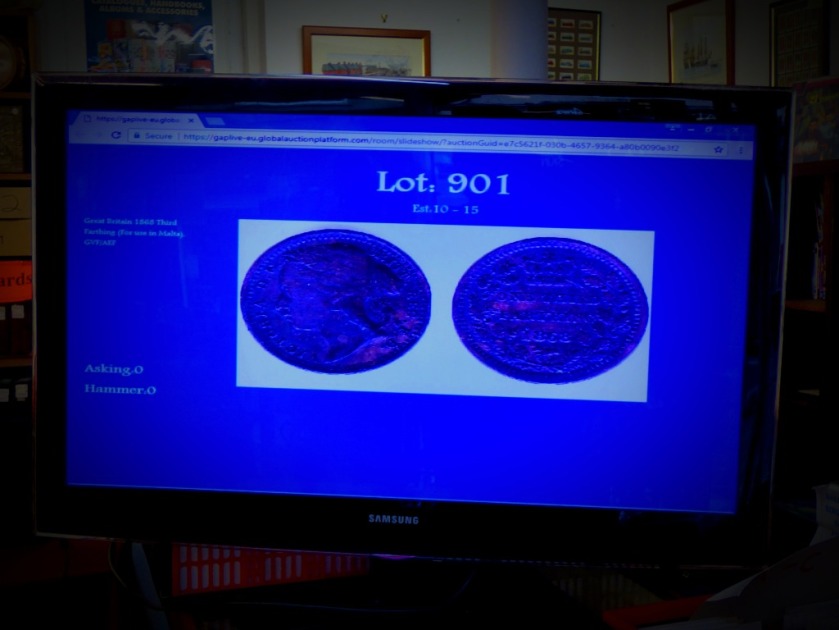
Although this was in absolute terms a quiet period, this items fared much better than usual. The headline grabber was lot 850, which had an estimate of £40-50 but sold in the end for £85.
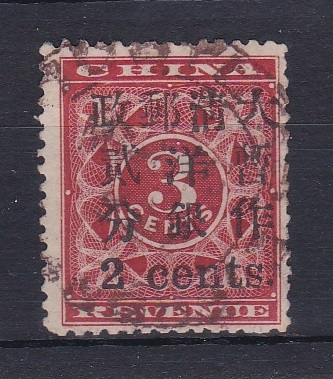
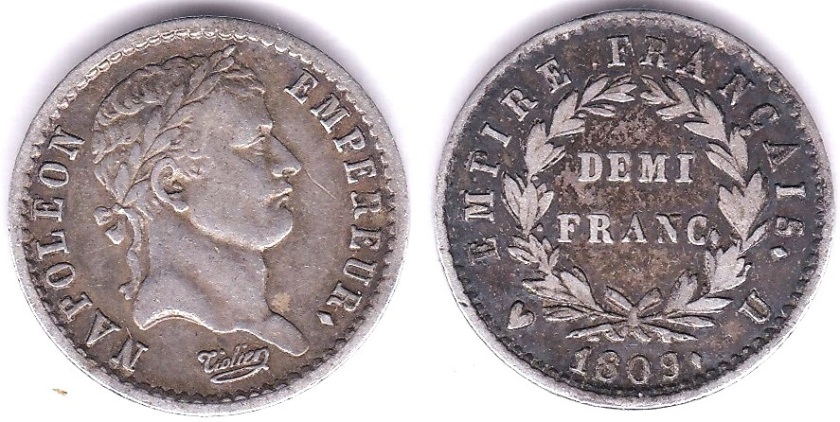
Lot 947, which was an 1809 Demi-Franc, had an estimate of £30-50, but some vigorous internet bidding pushed the price up to £130. Lot 980, a brass token from Long Sutton had an esimate of £8-12, but attracted sufficient interest to sell for £20.

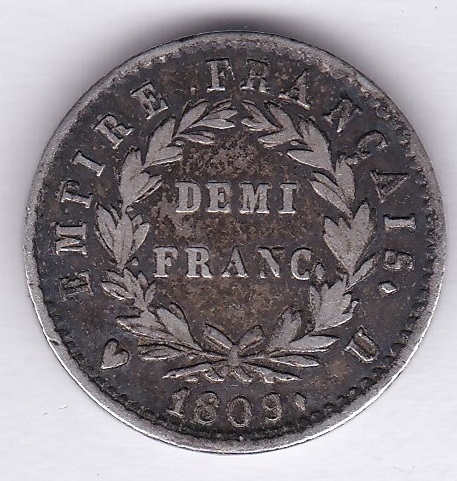
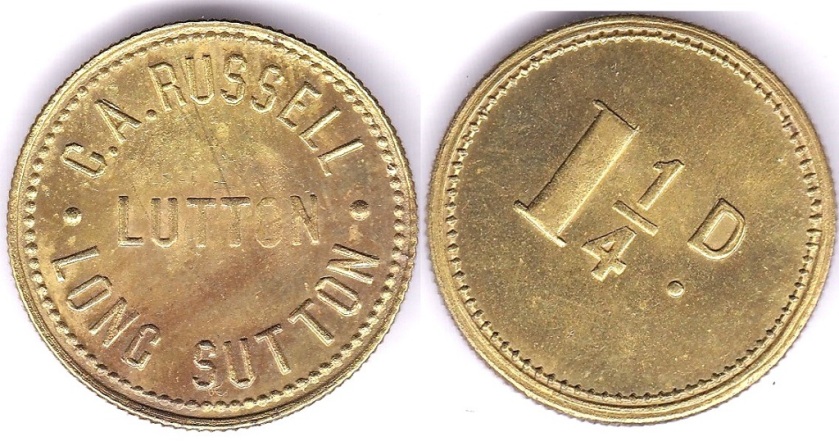


The auction concluded, it remained to render the premises something that looked more like a shop and of course to ensure that the IT stuff got the racecourse, where the stock bar a dolls house that was still in the shop had already been laid out.
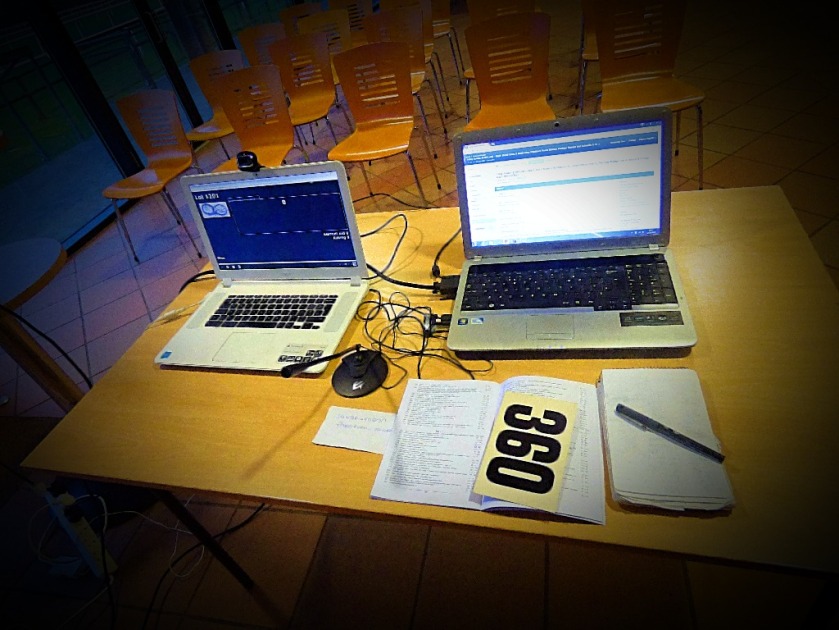
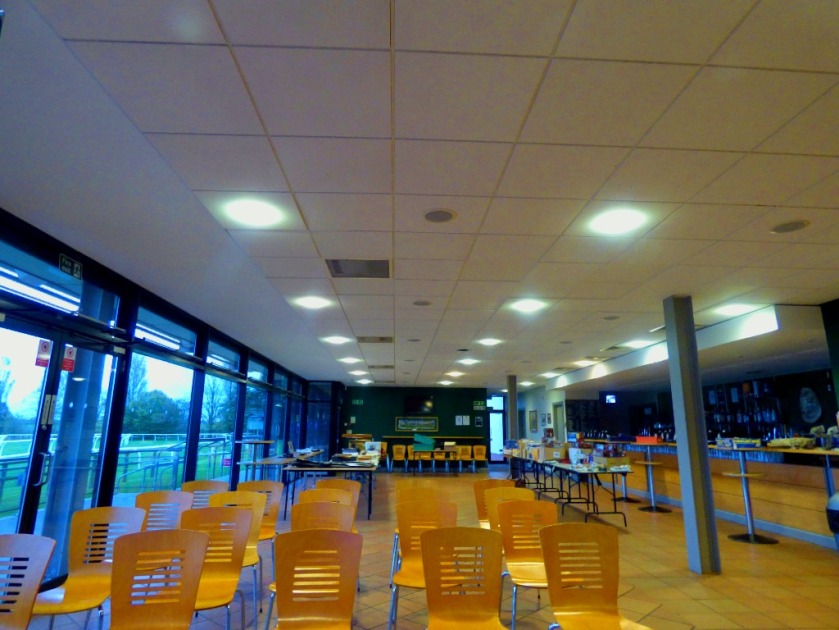
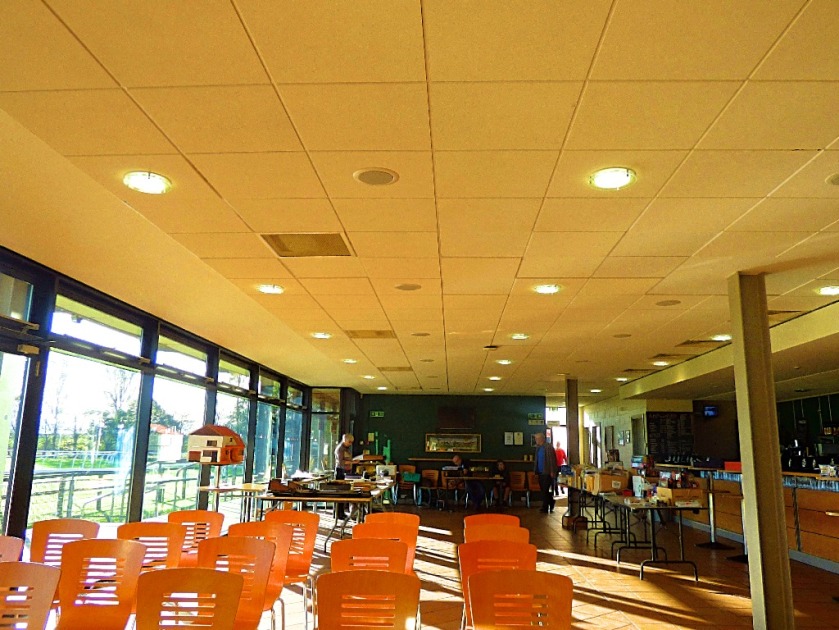
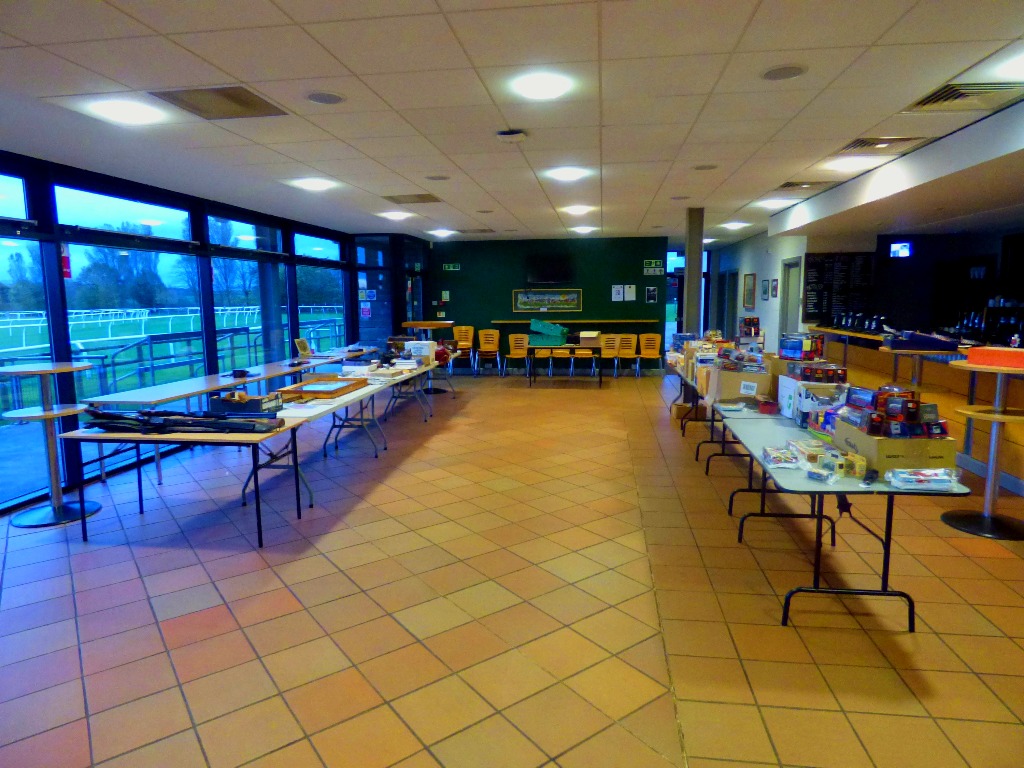
My first action an arrival the venue inadvertently caused a problem. I had been equipped with a key to the venue, as it was highly likely that I would be the first James and Sons employee on the scene. Unfortunately I had not been told that an alarm had been set, much less what the alarm code was. I only realised this when I unlocked the door and heard the telltale bleep of an alarm that needed to be deactivated. Fortunately that was the only significant problem I was to have in the course of the day. The fact that I had to use my employer’s laptop as the master machine because my machine has nowhere to attach the cable that connects the big screen to a computer and the third laptop was needed by my colleague for the invoicing (which apparently could only be done on that specific machine). The trouble with using my employer’s laptop as the main machine is that goes to sleep every few minutes, which in turn means that the slide show will go blank. I had time for a bit of photography.
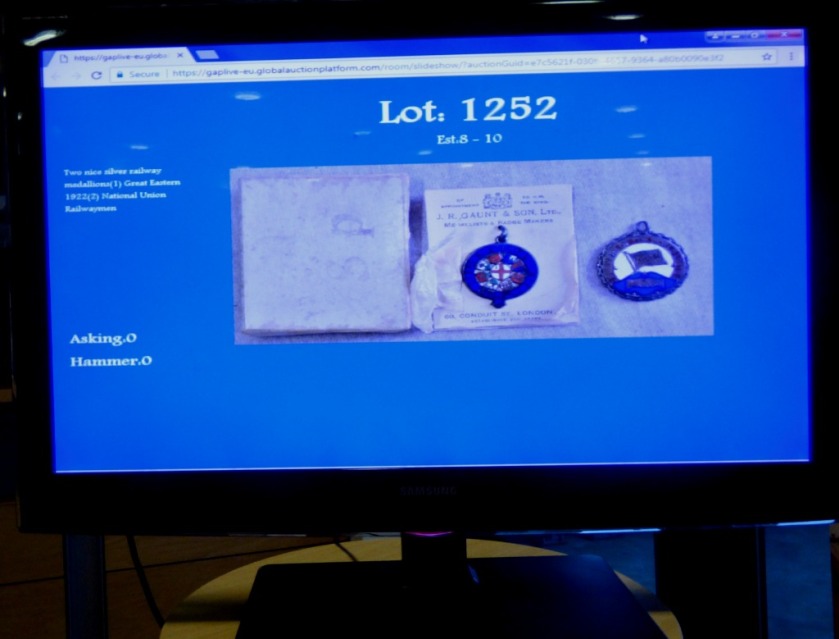
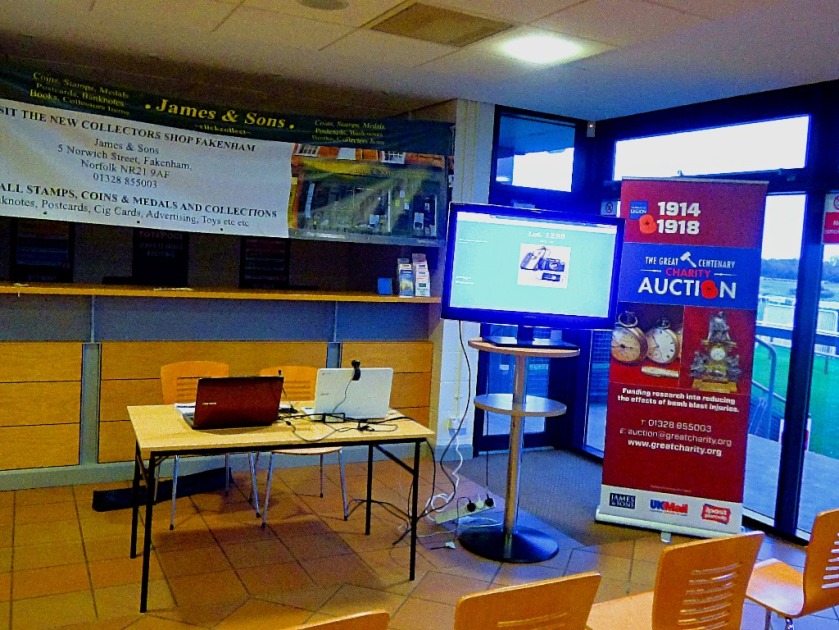
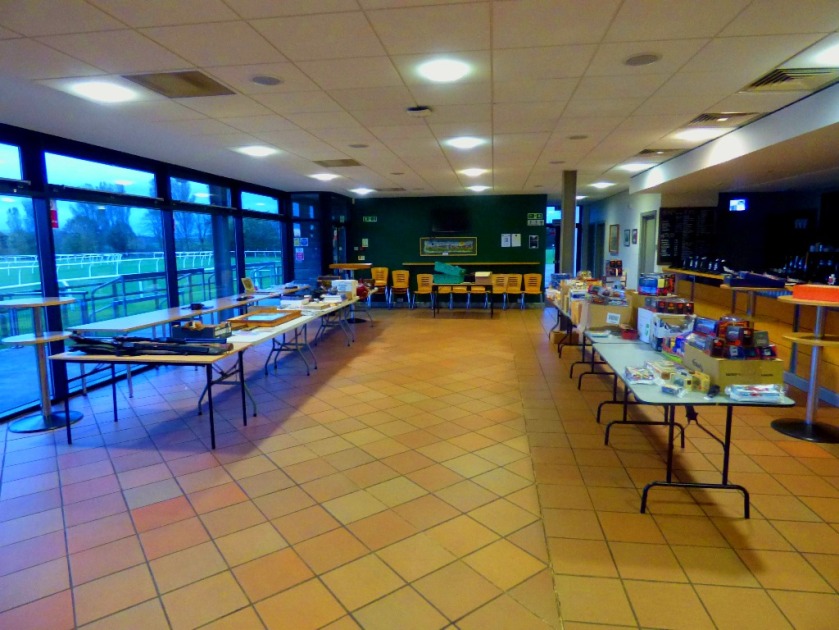
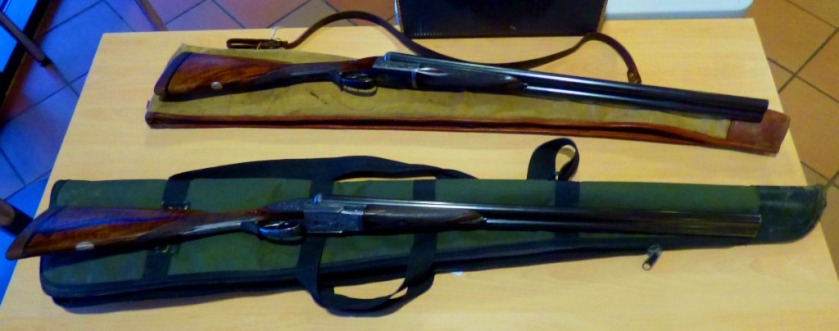
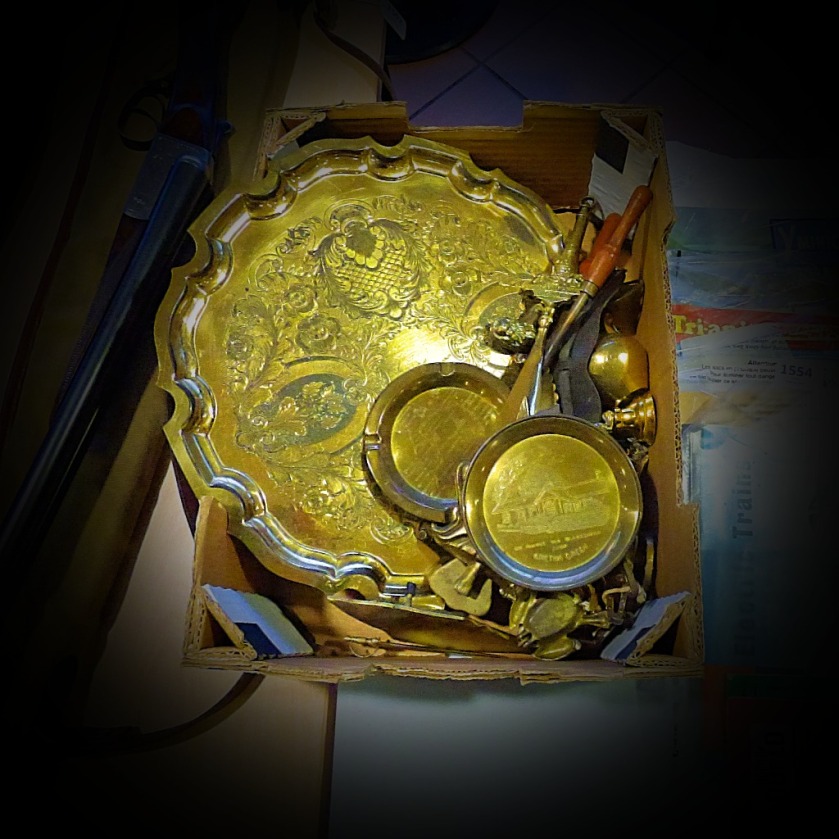
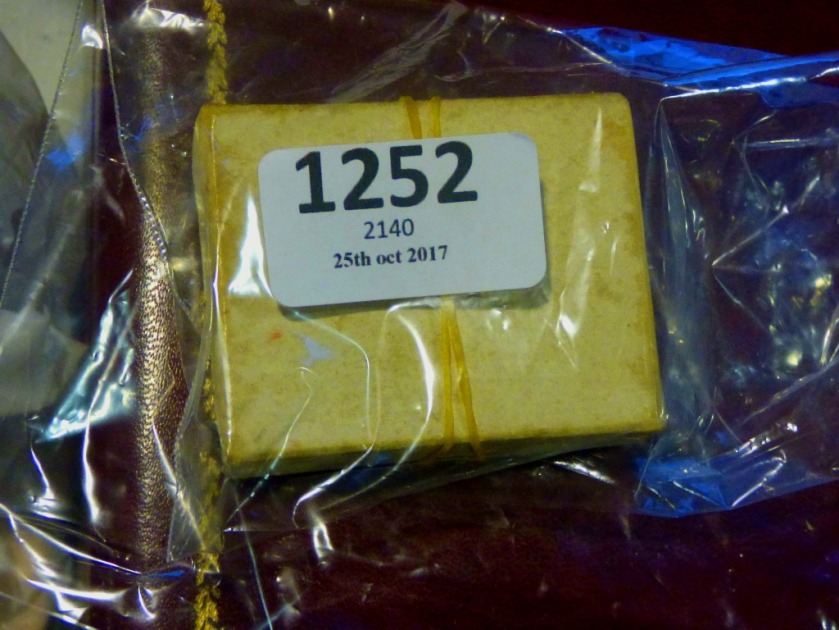
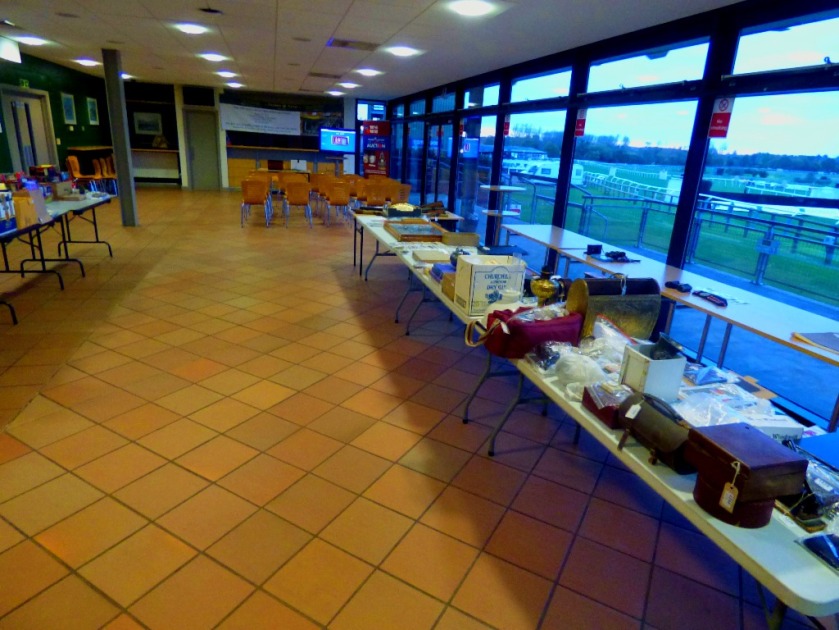
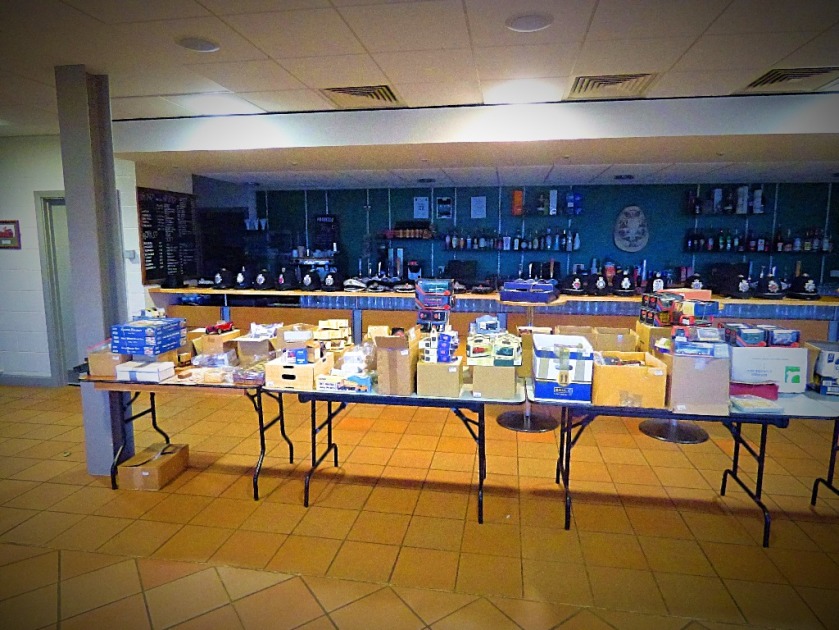

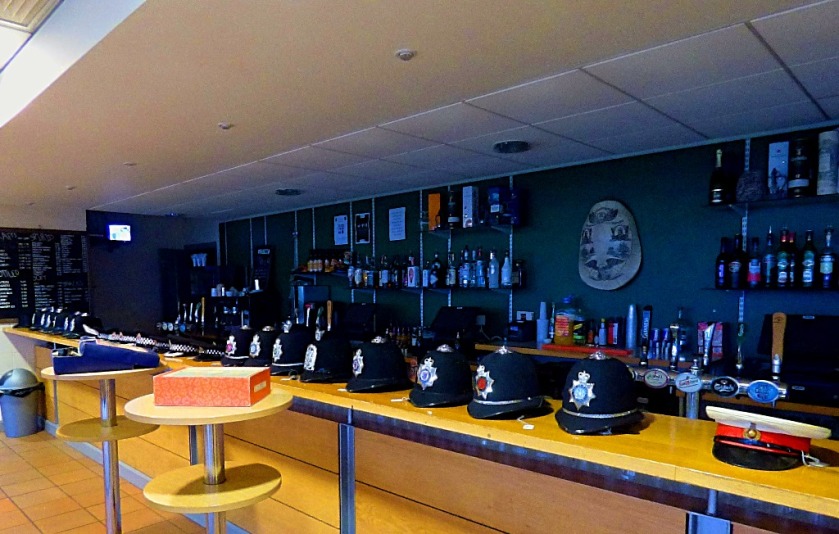
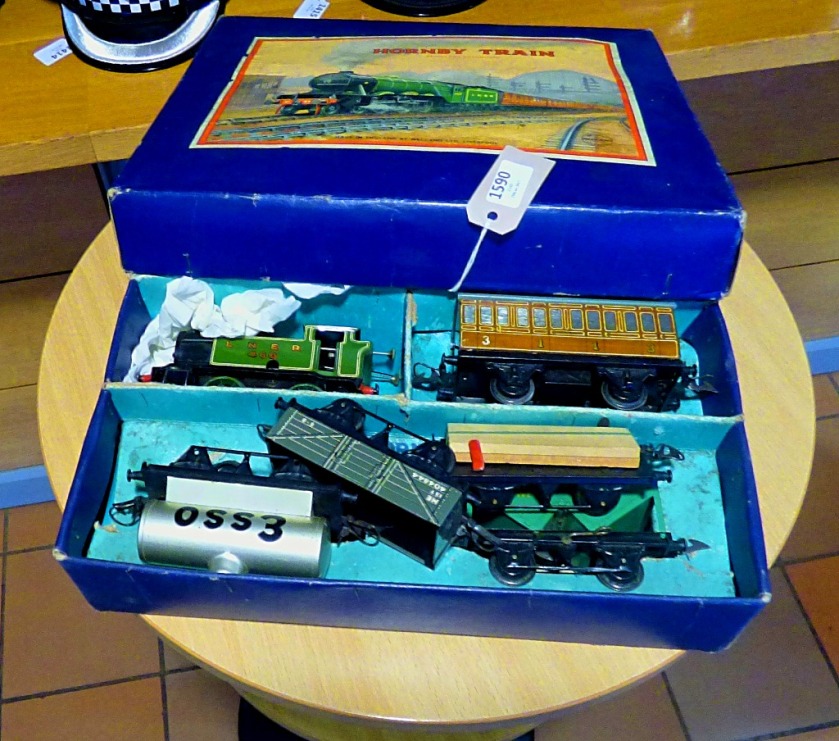
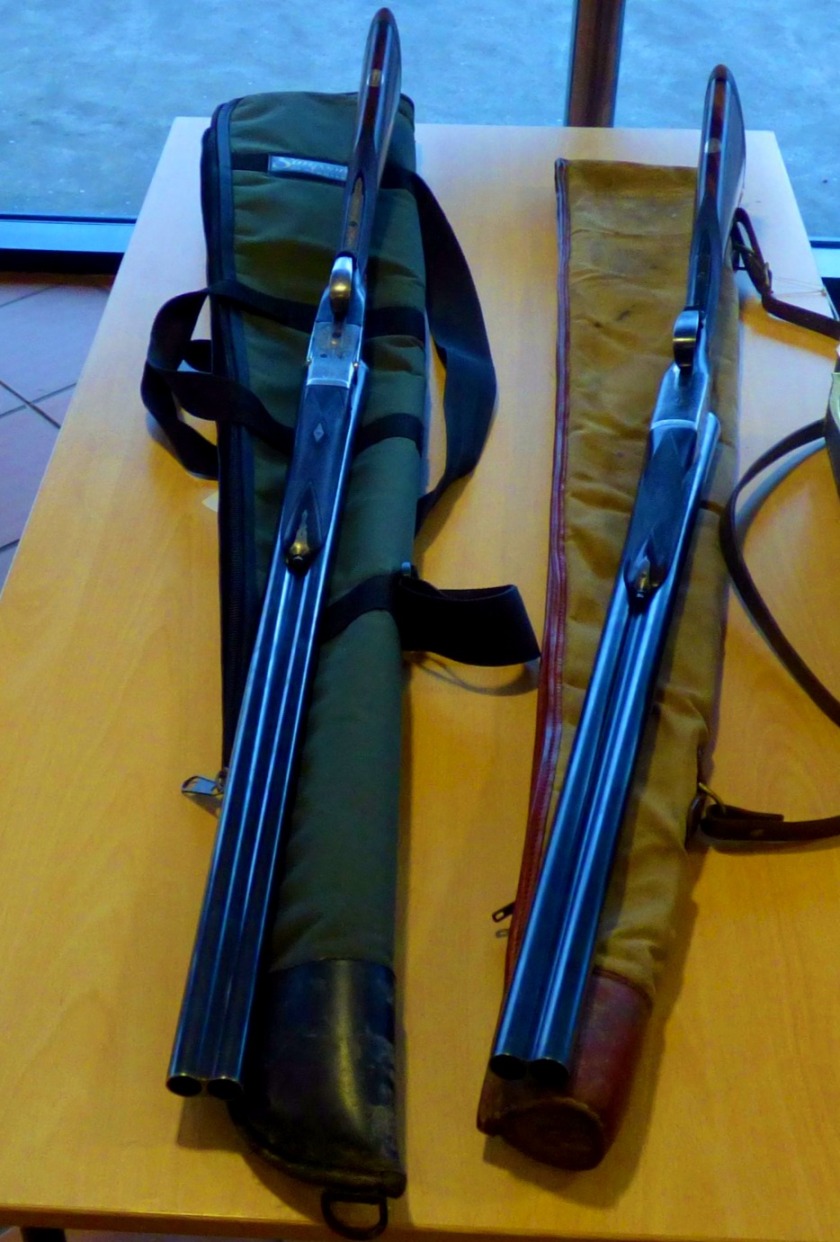

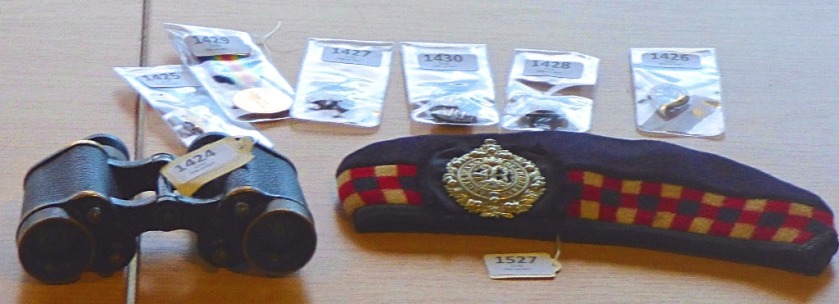
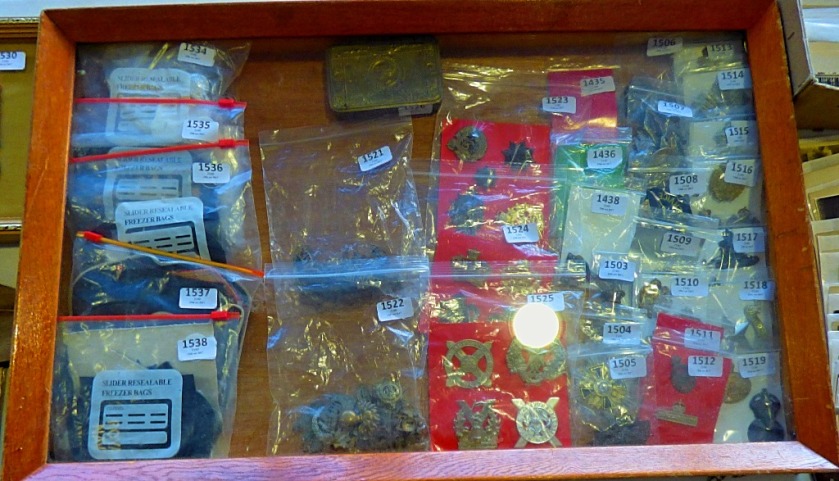
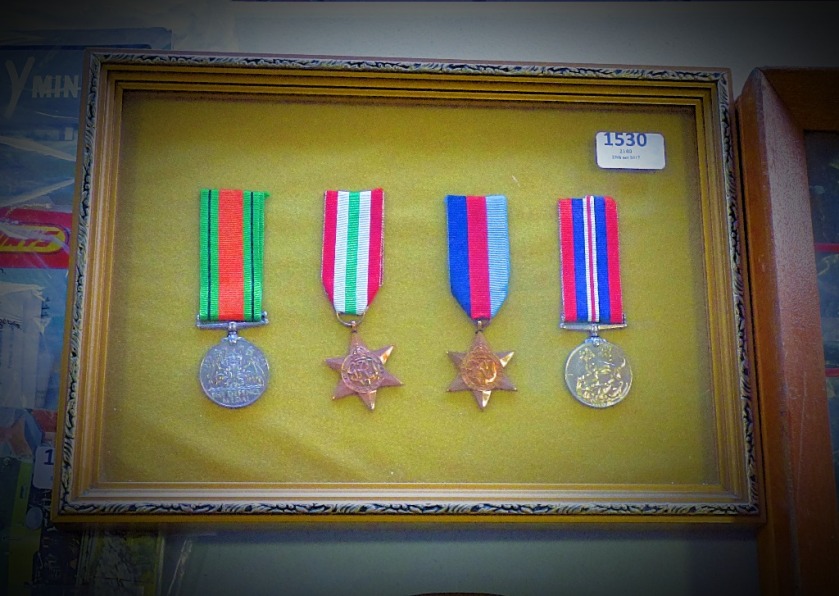
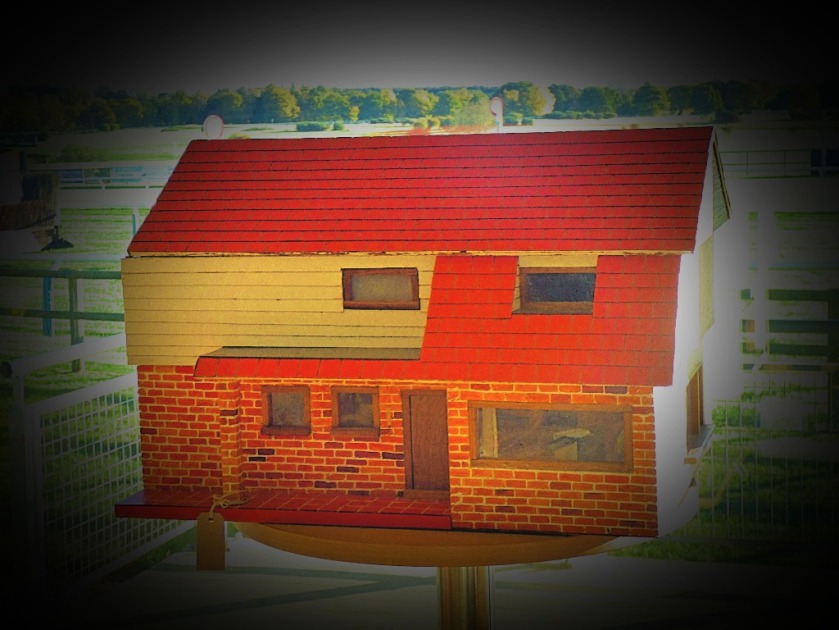
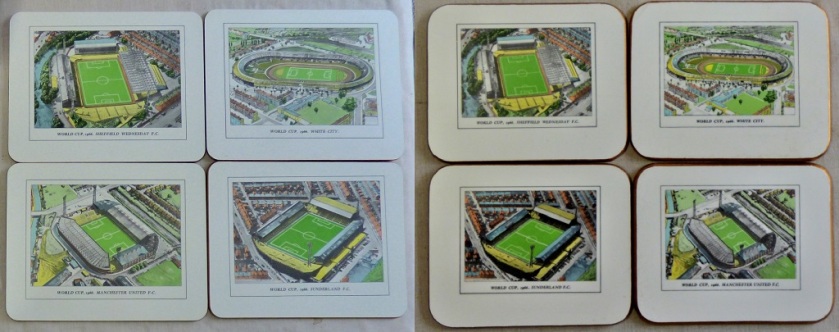
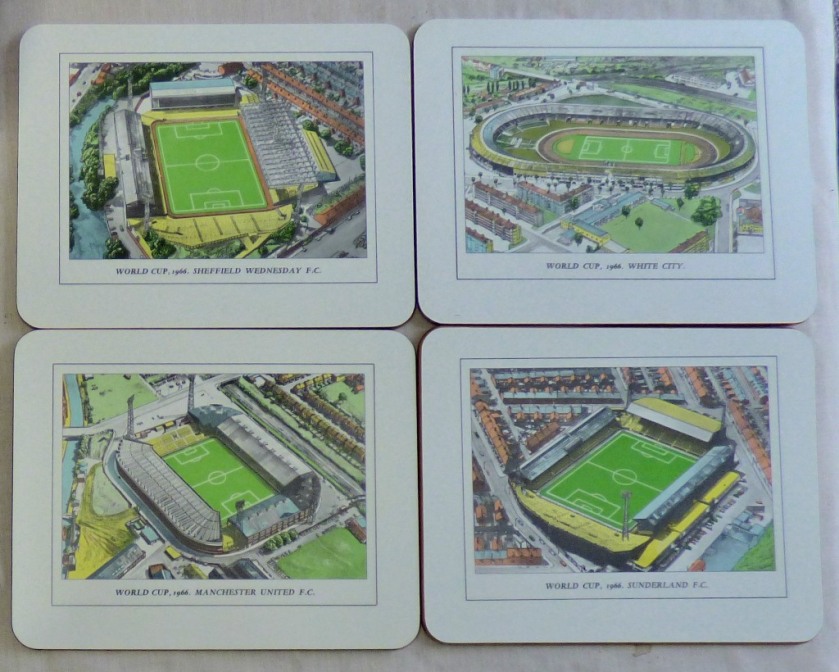
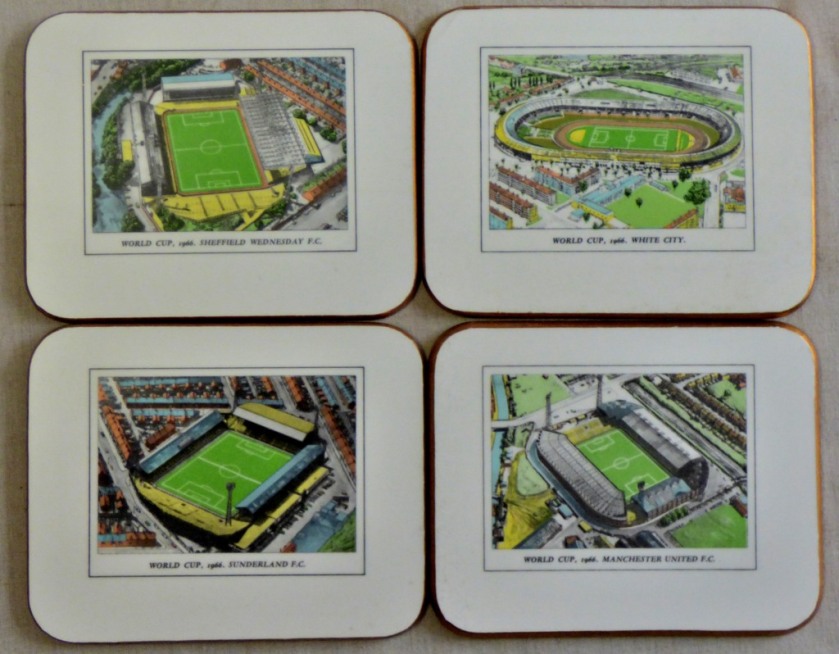
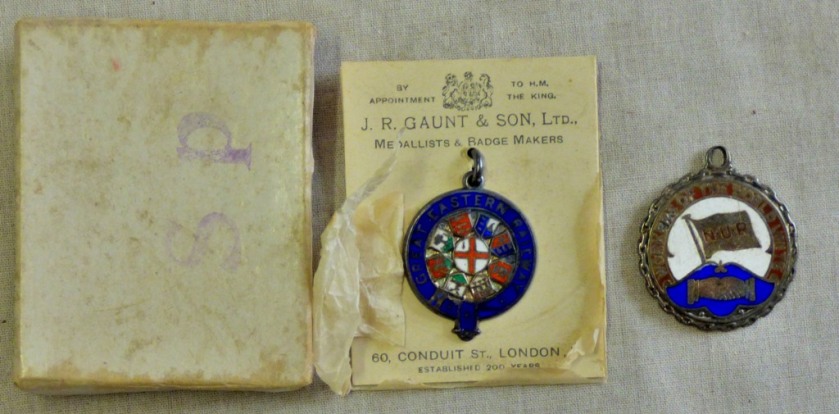
Some of these items were very interesting. Two achieved significantly more than expected. Lot 1245 was a set of four world cup 1966 placemats and four world cup 1966 coasters which had been given a modest estimate of £5-10. They actually sold for £25. Lot 1252, which was a set of two railway themed badges which I had been interested in, estimated at £8-10, caught the attention of the internet and ended up going for £20.
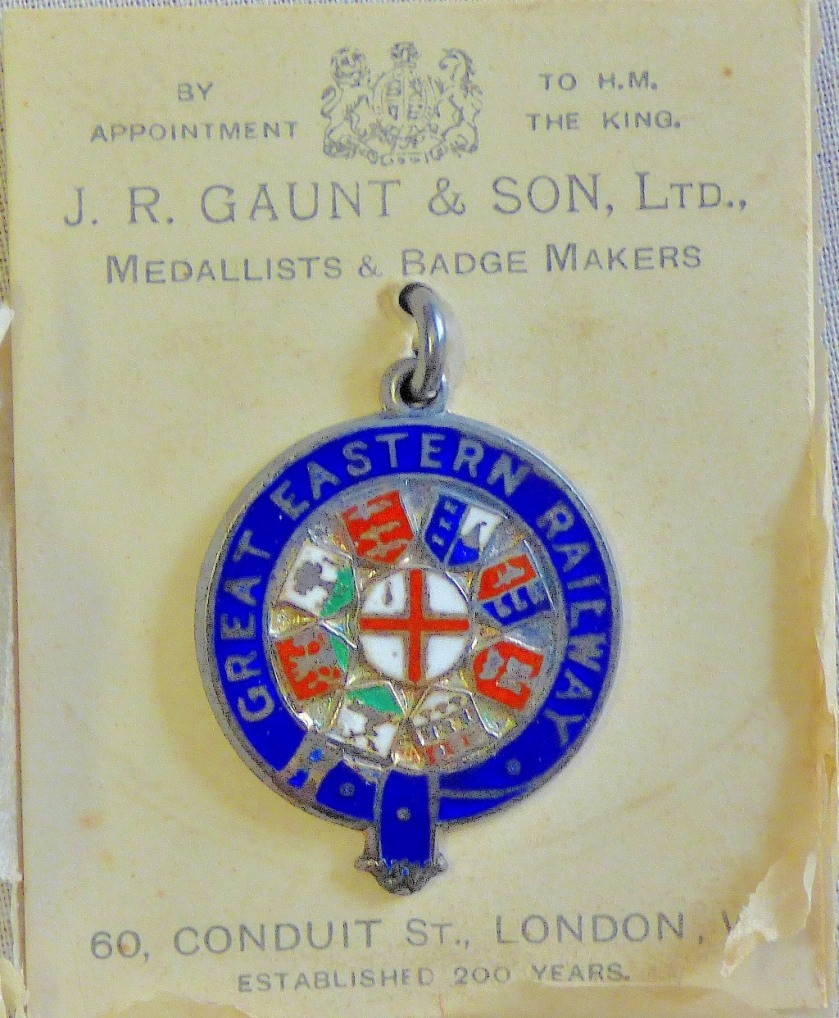
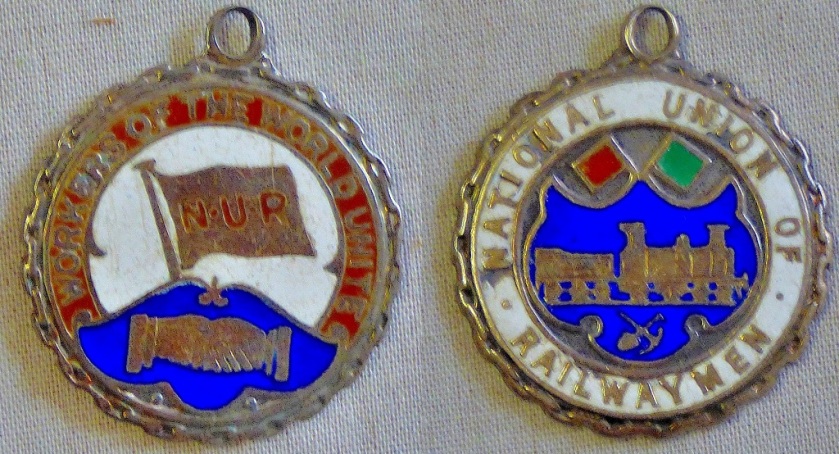
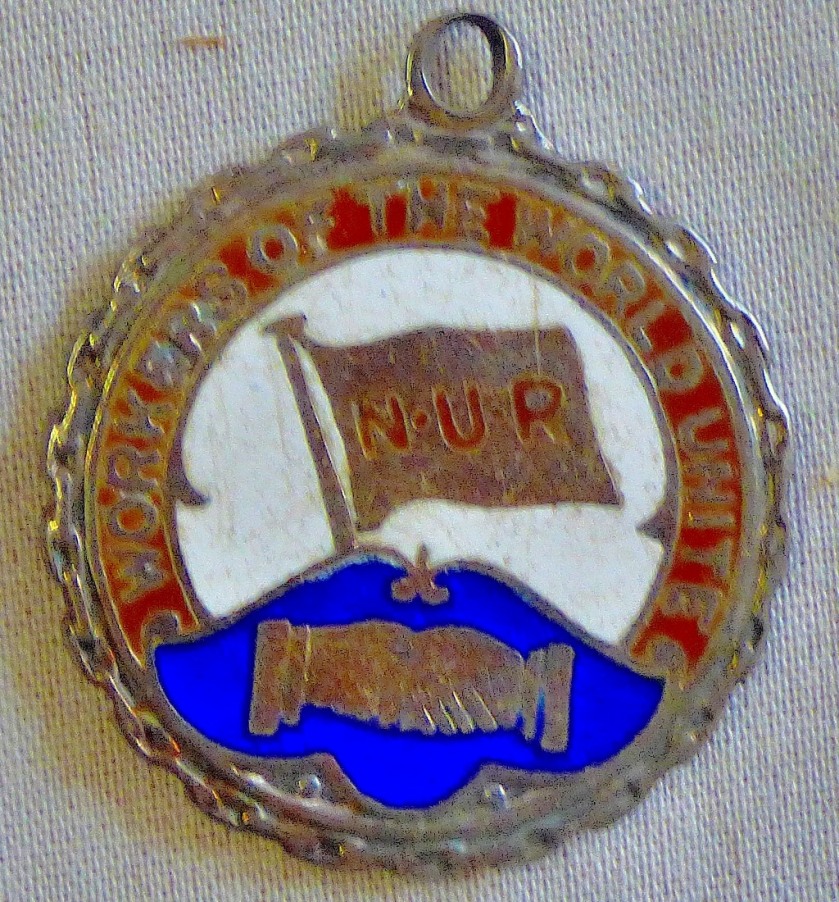
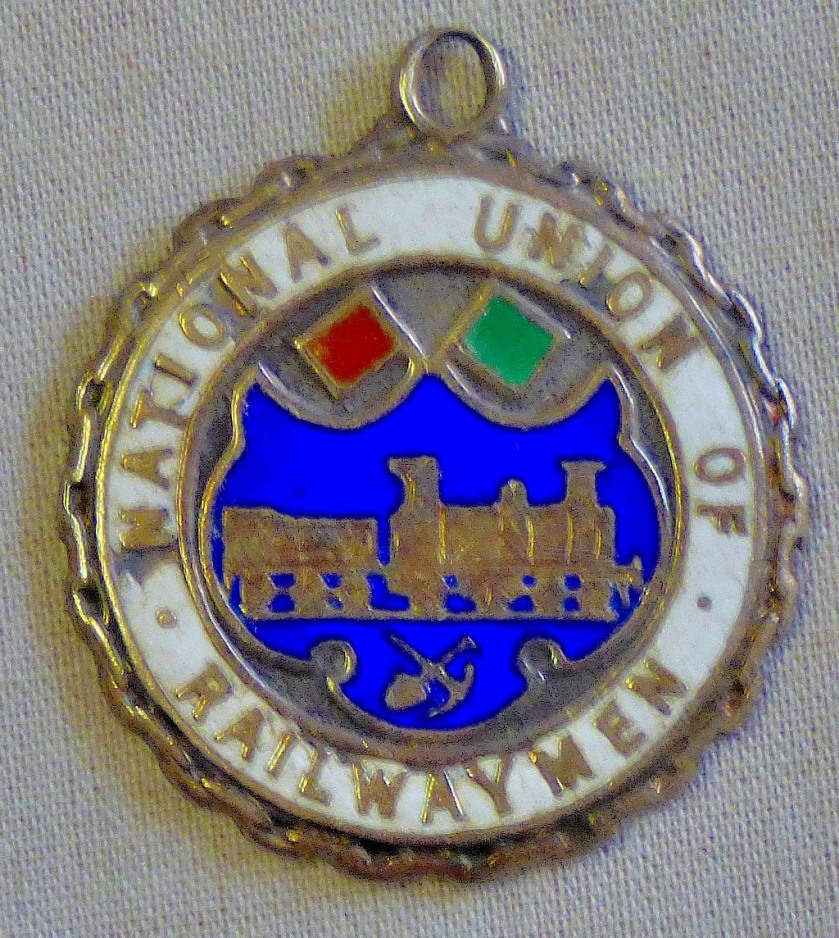
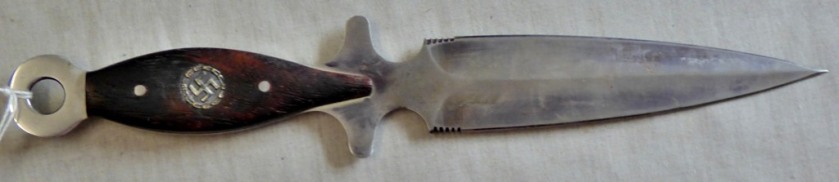
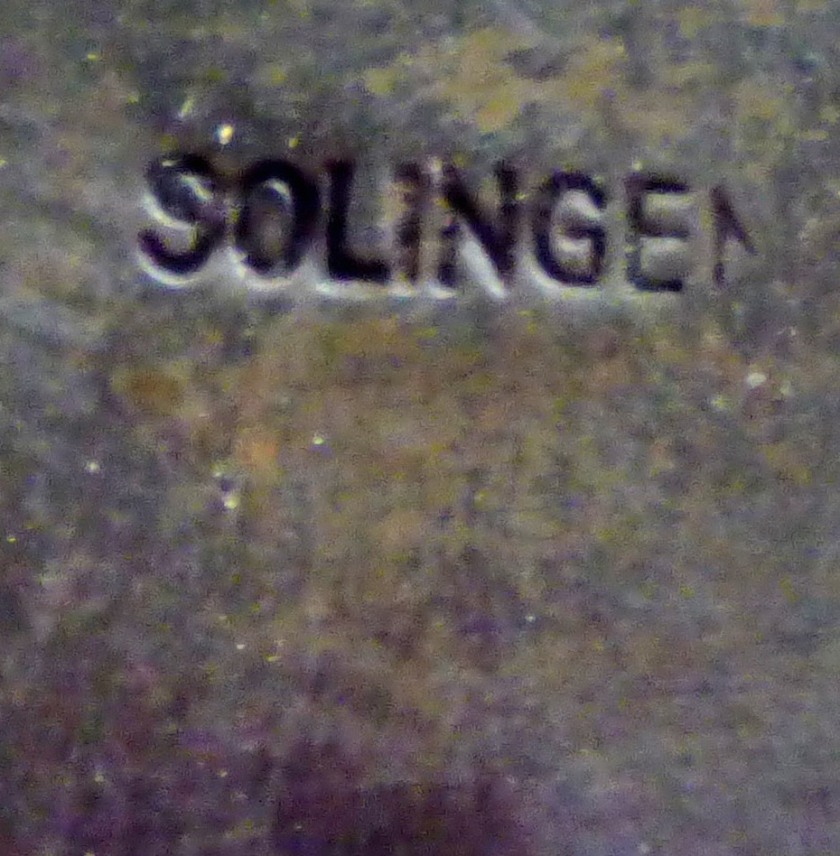
Most of the lots in this section found buyers, but not for very large amounts. There was one headline maker however. Lot 1520 was a Luftwaffe Paratrooper’s Private Purchase Dagger, estimated at £40-50, which ended up going for £85.

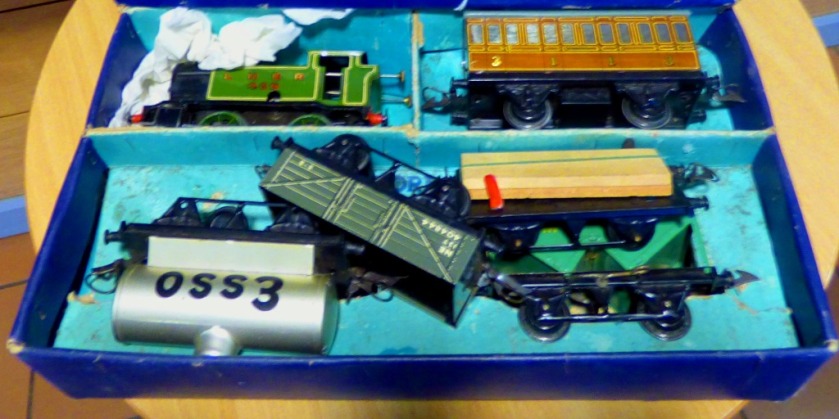
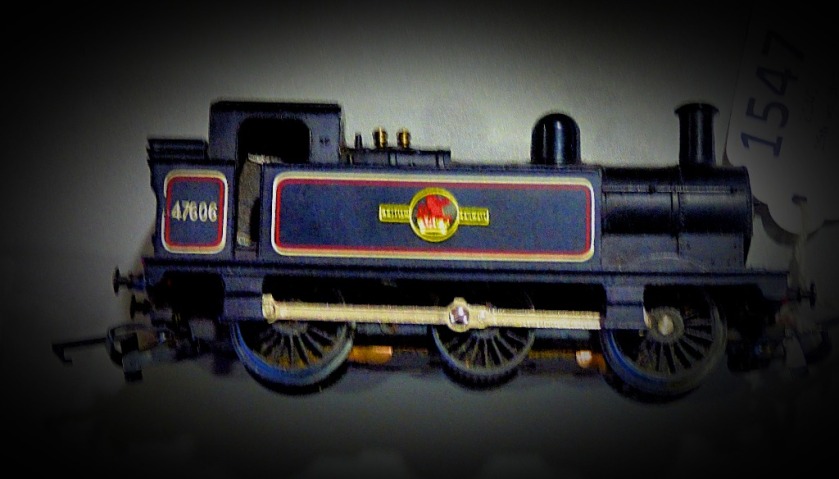
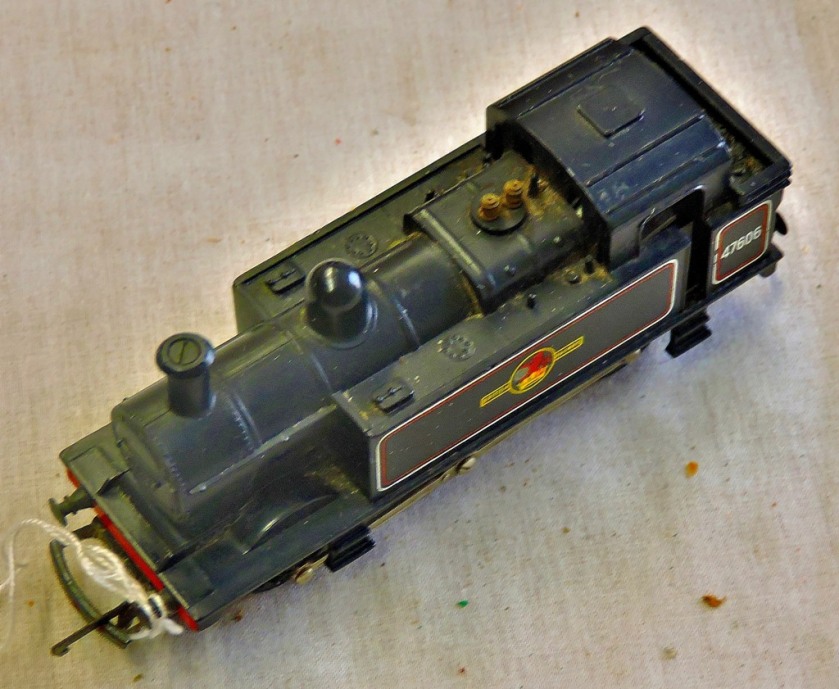
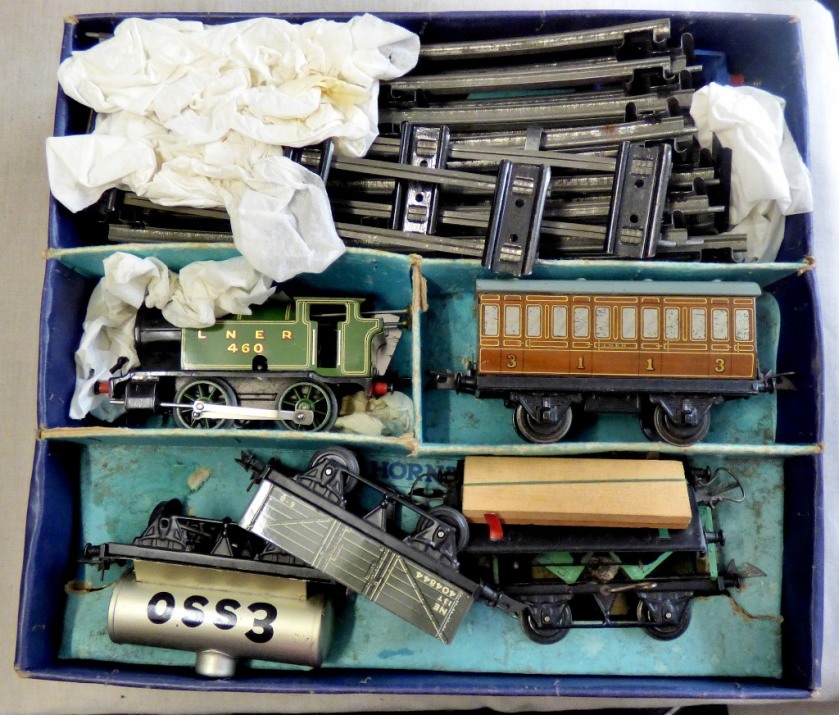
Again it was a case of steady rather than spectacular sales, but three items did particularly well. Lot 1547, a model train that had been valued at £5-10 ended up selling for £20 (it had been described as a Hornby, but was actually a Triang, a better name as far as collectors are concerned,). Lot 1590, which was a complete Hornby train set, and had been estimated at £20-30 went for £50. Finally, the last lot of the sale, a Star Wars Millennium Falcon estimated at £15-20 went for £30 (this was a case of patience being rewarded – the successful bidder was a chap who had travelled over from Norwich specifically to bid on that one item and waited out the entire day’s selling until it came up).

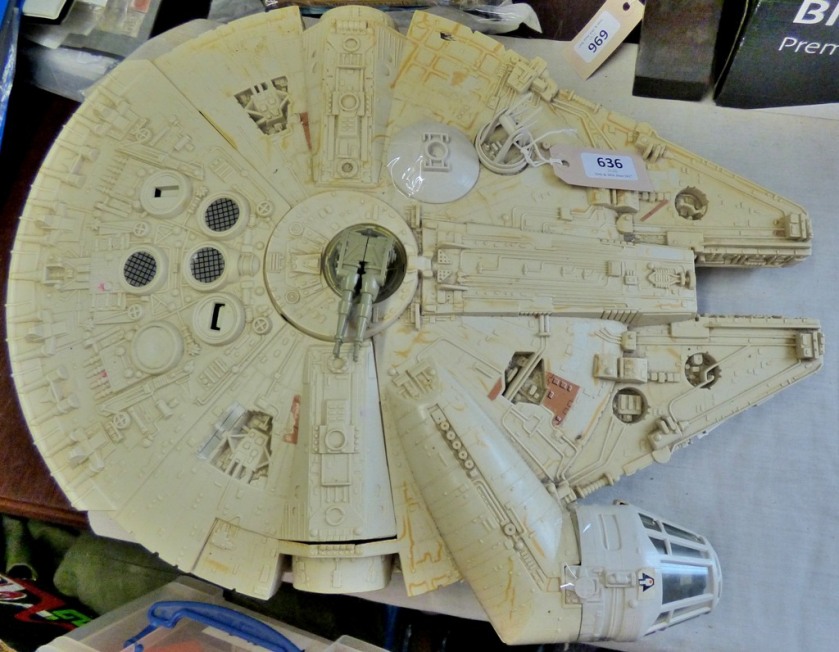
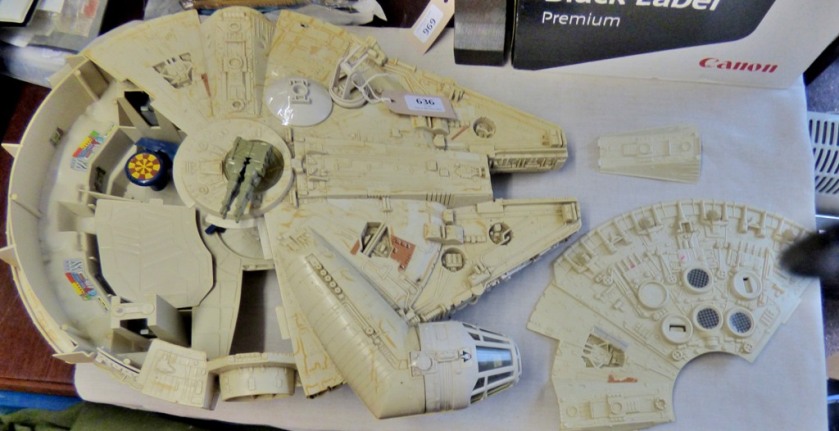
After the last lot had sold, and the last payment from a room bidder had been taken it was time for the clear up, which was accomplished swiftly. Back at the shop, once everything had been unloaded from the van I produced a printed list of online bidders to bring my working week to a close.
An account of the opening salvos in the Women’s Ashes and some photographs.
Unlike the original Ashes, which have been fought for since 1882, the Women’s Ashes is contested across multiple formats. The current scoring system awards two points for a win in a limited overs match, 1 for a no-result and 0 for a defeat, while the sole test match is worth four points.
The first of three ODIs that the women will be contesting took place at the Allan Border Field in Brisbane. Australia won the toss and put England in to bat. Several England players got starts but none managed to build a really substantial score, Lauren Winfield leading the way with 48. A total of 228 off 50 overs did not look like it was good enough, and in the end it wasn’t.
Eng;land bowled better than they had batted, and at 87-4 Australia were looking distinctly shaky. Alex Hartley failed to hold a return catch offered by veteran Alex Blackwell when the latter had 35 to her name, and Australia were behind the rate, Talia McGrath having occupied 26 balls for a score of 7. This missed chance and some aggression from Ash Gardner (27 off 18) made the difference, Australia getting home in the final over with Blackwell unbeaten on 67.
A highlight of this match was the preponderance of quality spin bowling on show – in Gardner, Amanda-Jade Wellington and Jess Jonassen Australia had three high-class practitioners, while Hartley and the experienced Laura Marsh both bowled well for England.
More details and official reports here.
This applies across the board, and not just to cricket between England and Australia, but this seems a suitable place to mention this. I see the distinction between these categories as that between a restricted (“Women’s”) and an open category – if a woman is able to play alongside the men she should have the right to do so – the existence of Women only teams is an acknowledgement that few women could because the men are generally larger and stronger. Similarly if a disabled athlete happens to be performing comparably to their able-bodied counterparts they should be able to compete alongside them.
In terms of cricket I would expect that a woman who earned selection for ‘The Ashes’ as opposed ‘The Women’s Ashes’ would not be a specialist fast-bowler, but I could see spinners, wicket-keepers or batters earning selection.
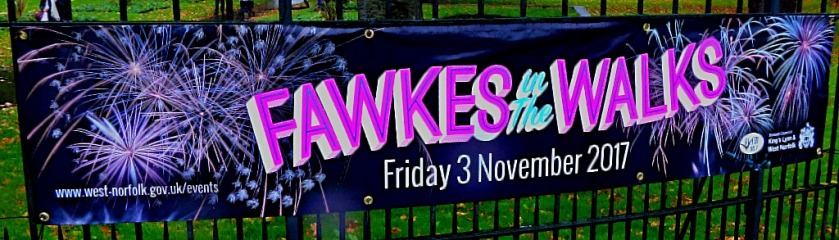
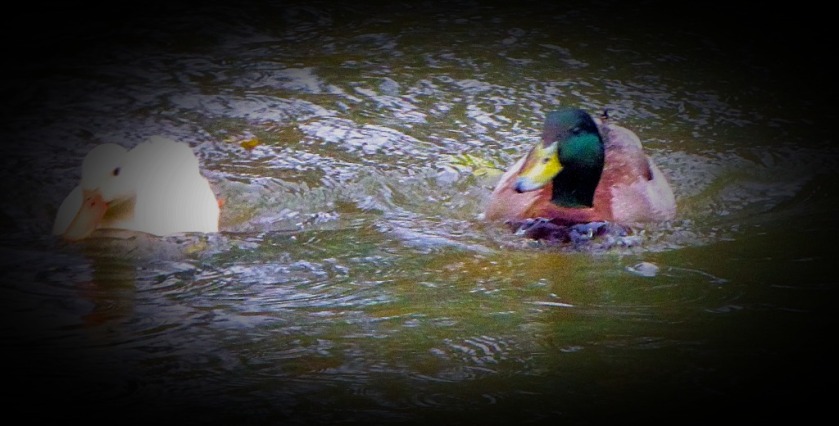
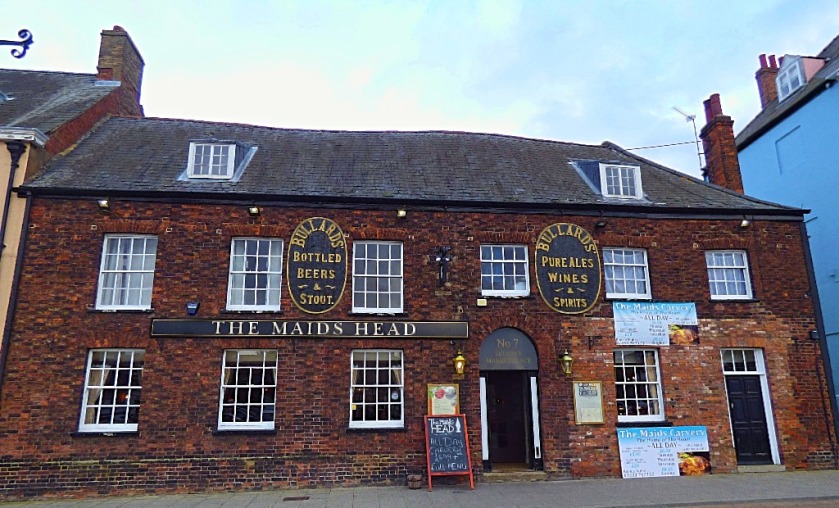
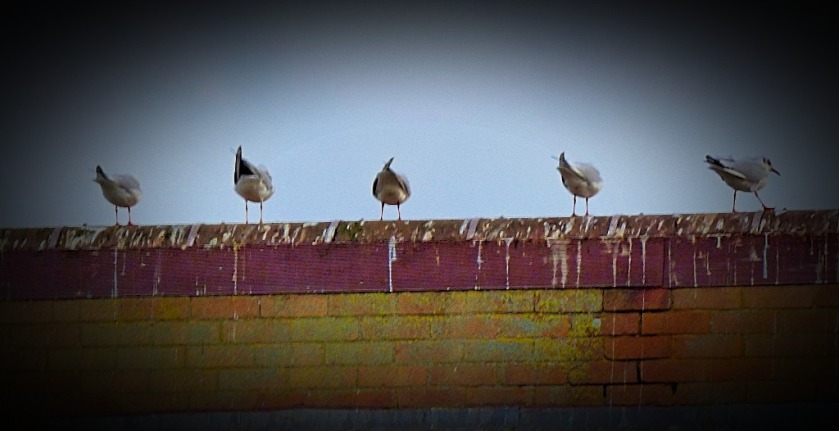
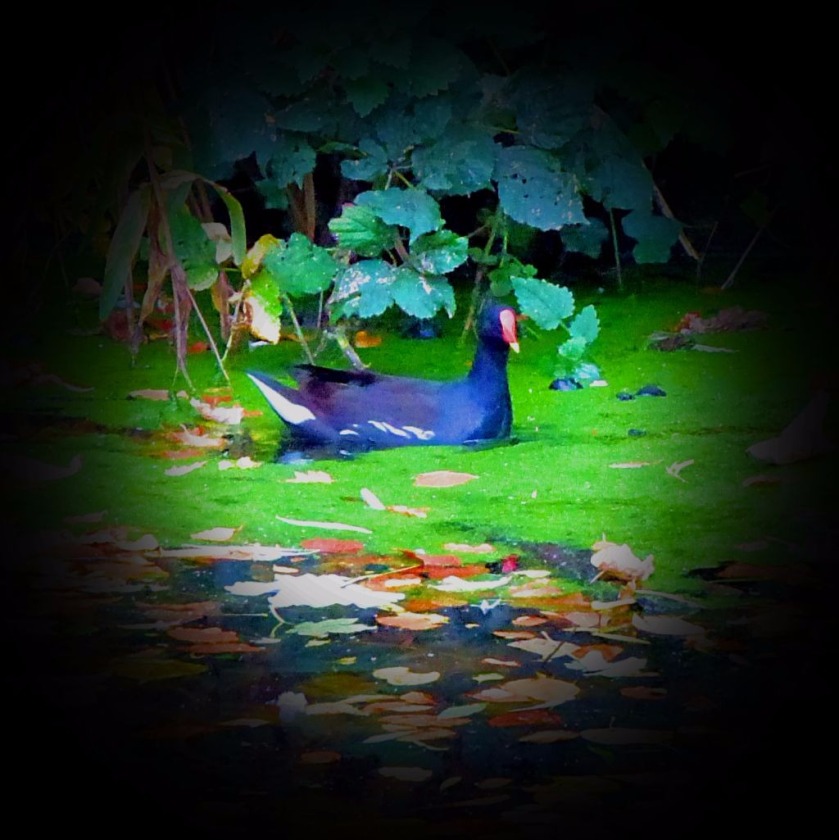
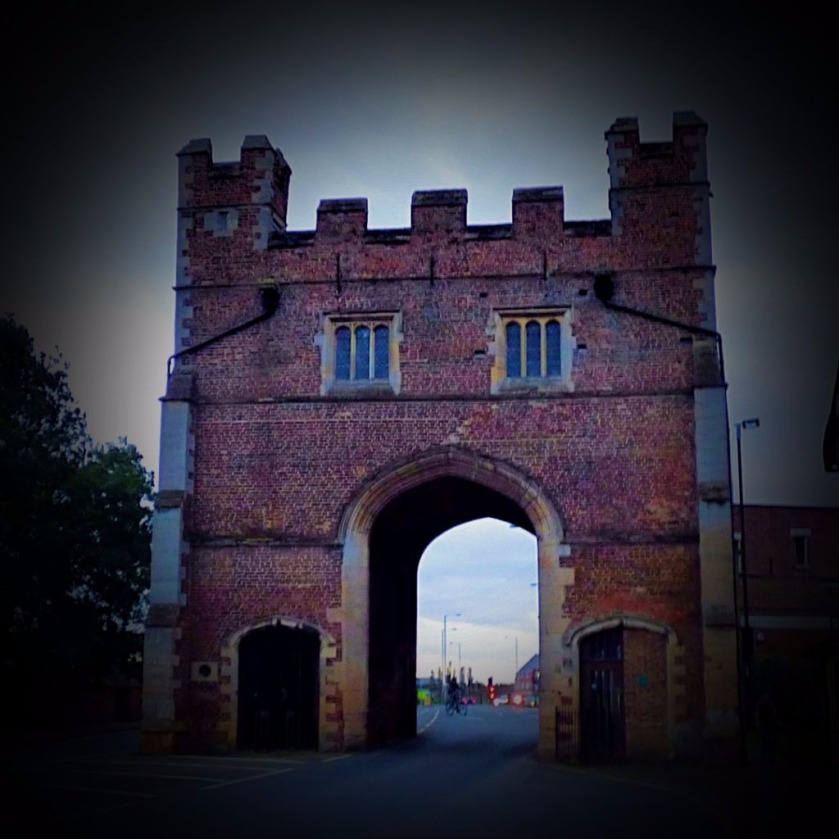
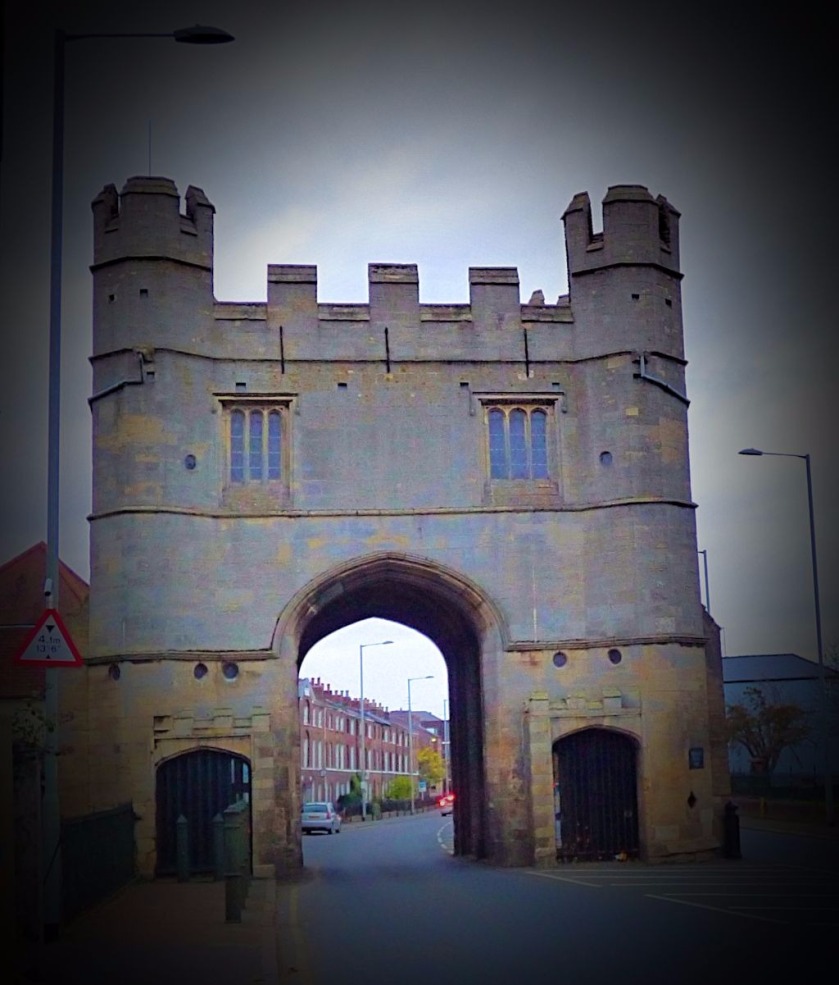
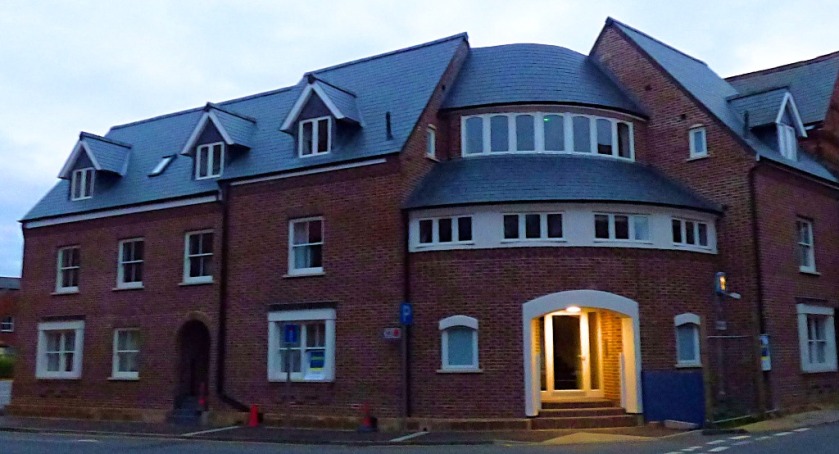
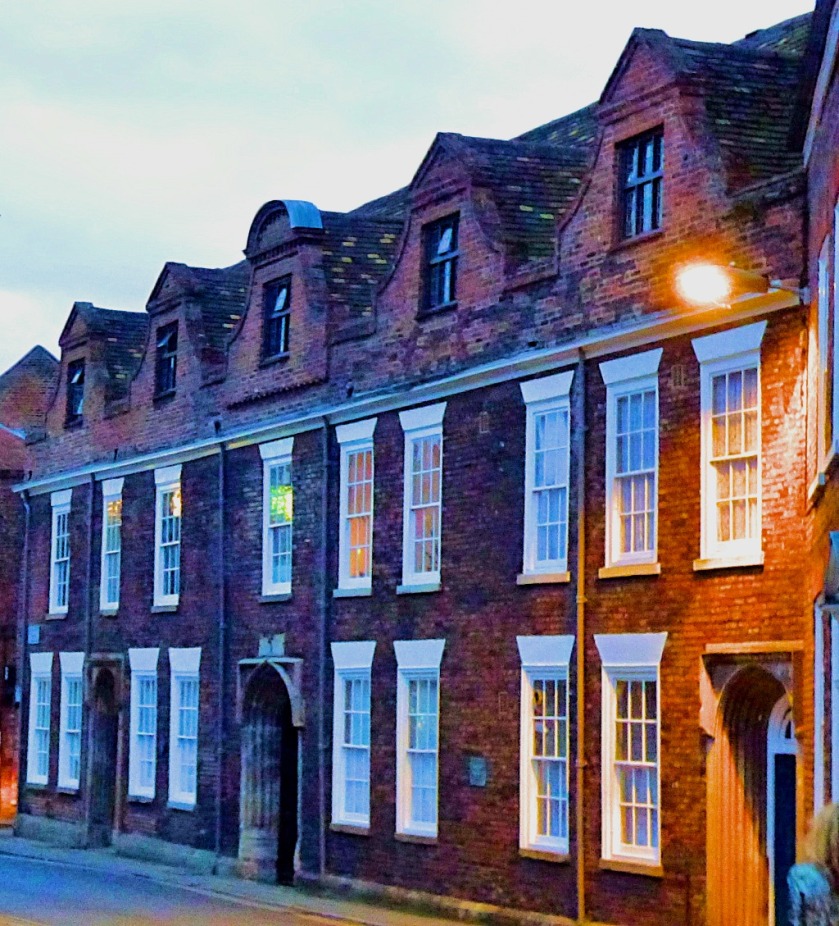
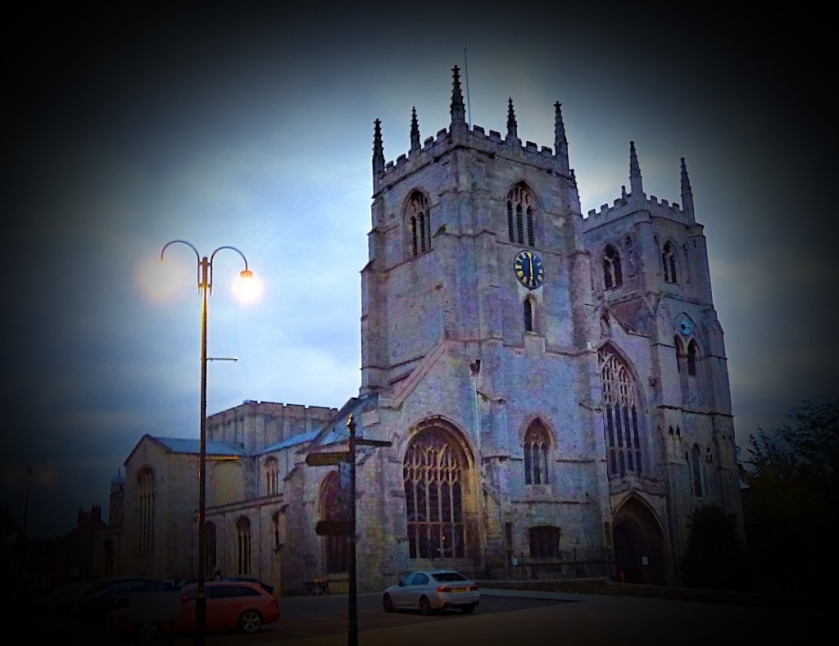
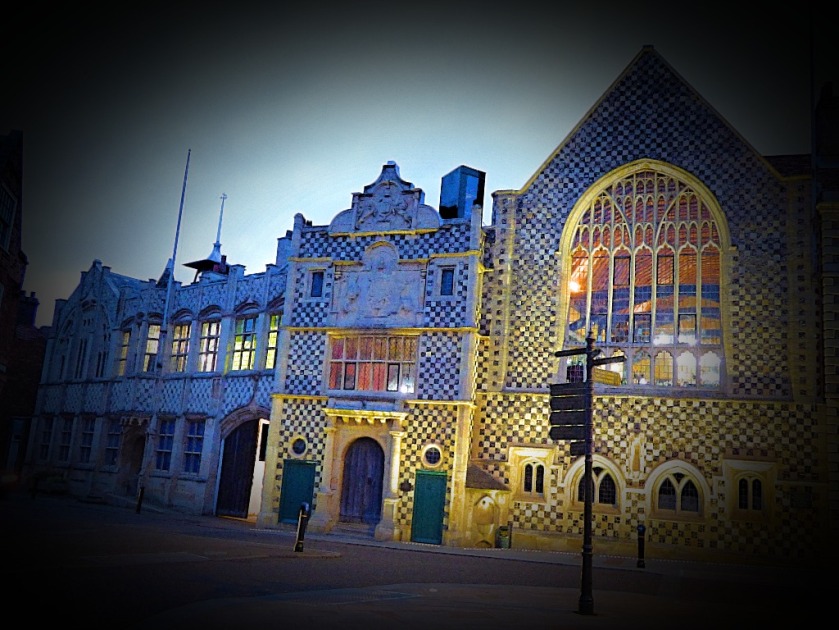
Here are some recent photographs…





 aspiblog