Continuing my account of Heritage Open Day 2017 with a detailed look at IFCA and their research vessel.
INTRODUCTION
Continuing my account of Heritage Open Day 2017, we now turn our attention to the IFCA Boat, moored at the pontoon jetty for the occasion. This post follows on from:
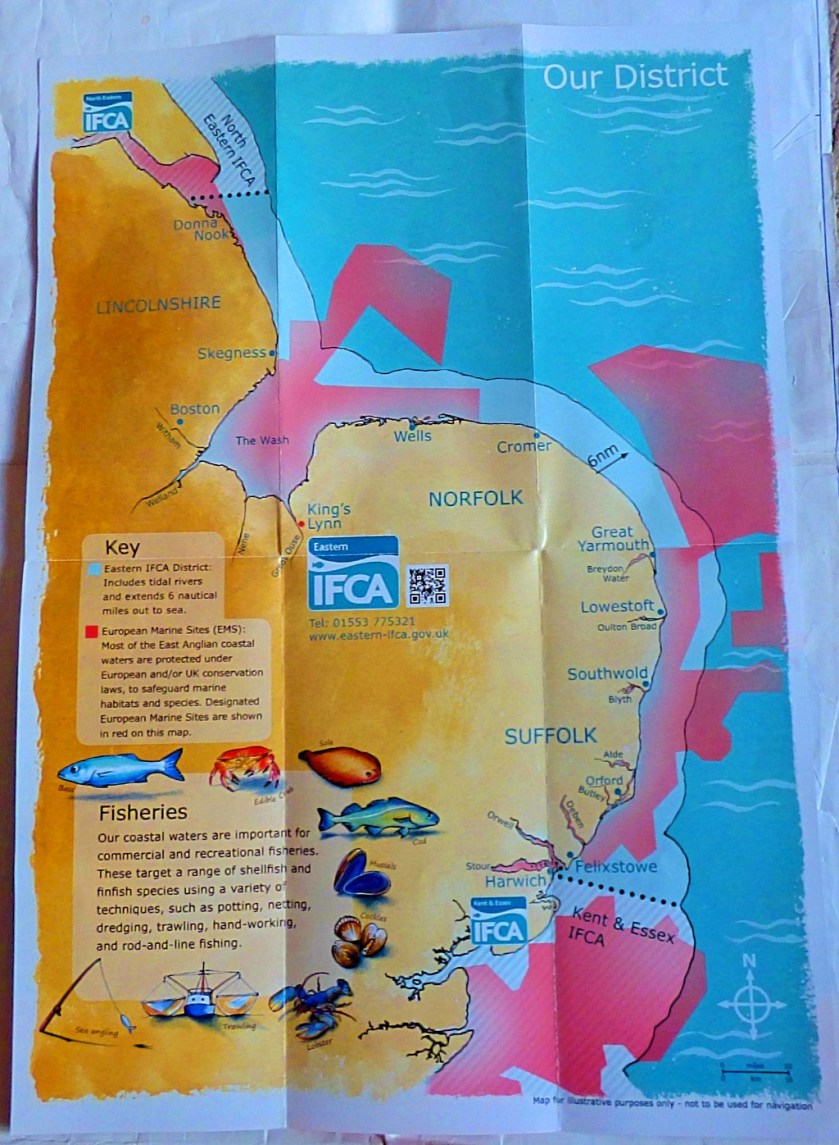
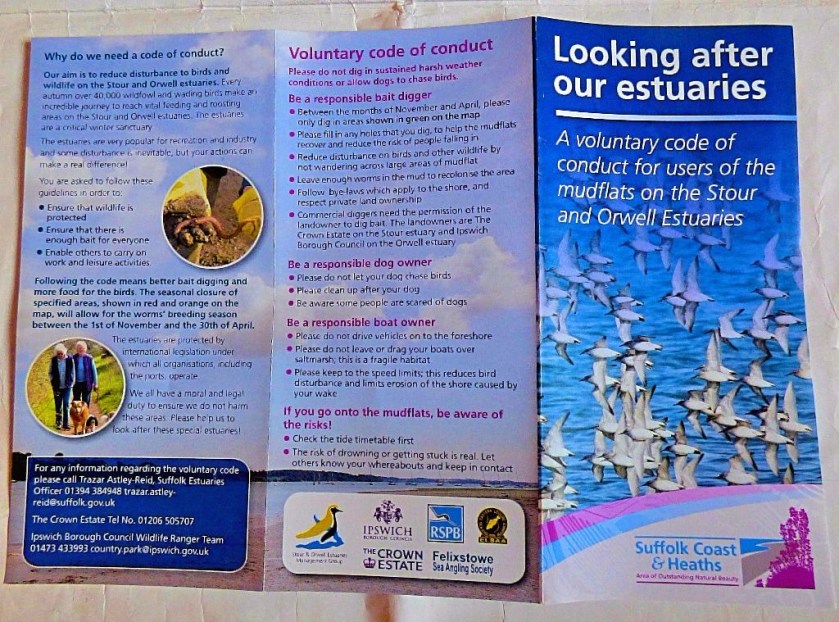
The Inshore Fisheries and Conservation Authority are responsible for balancing the needs of the fisheries industry with conservation, within six nautical miles of the shore. As well as the website to which I have linked they also have presences on facebook and twitter for those of you who are social media users. Here are photographs of their general leaflet:
]
ON THE BOAT
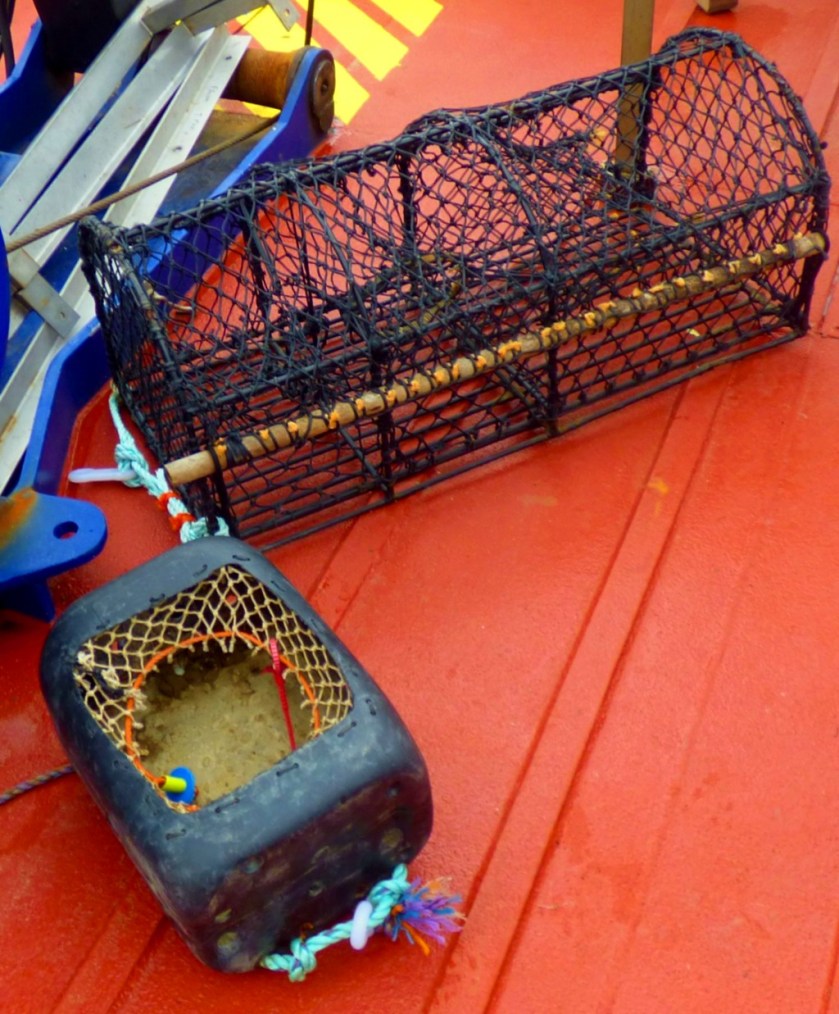
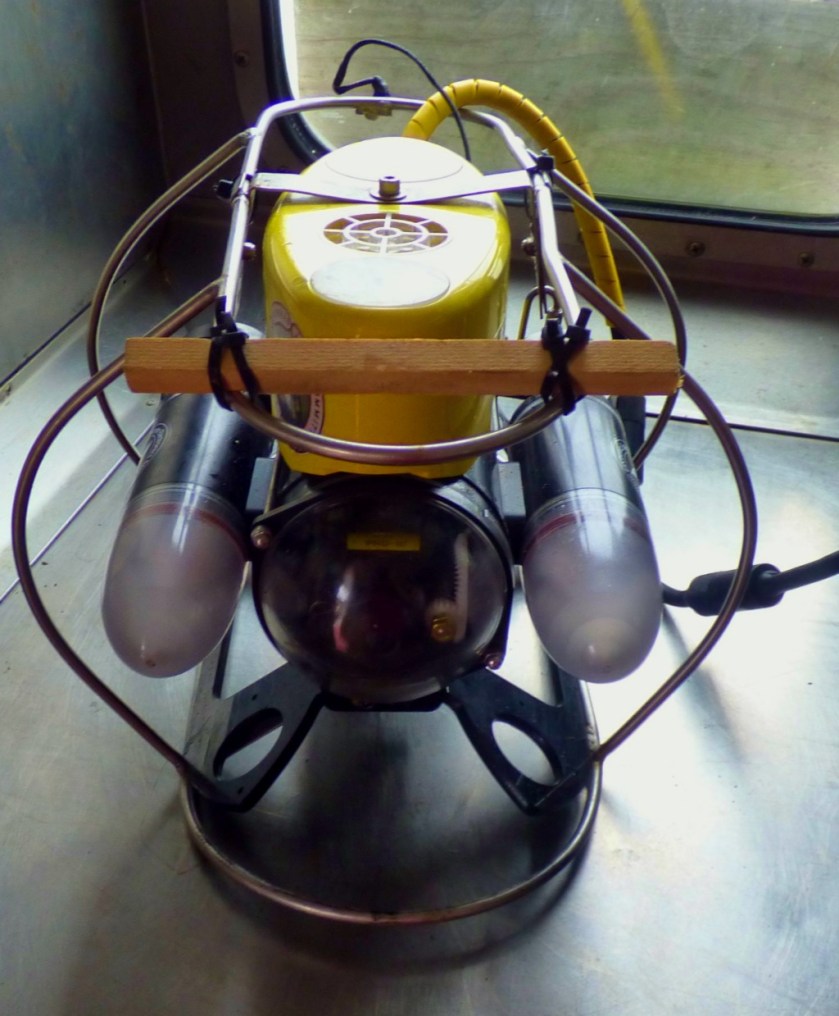
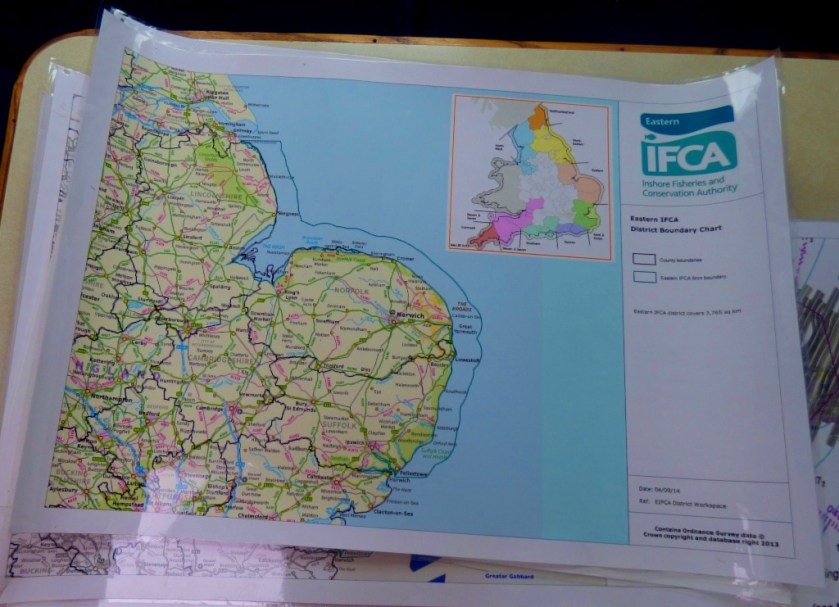
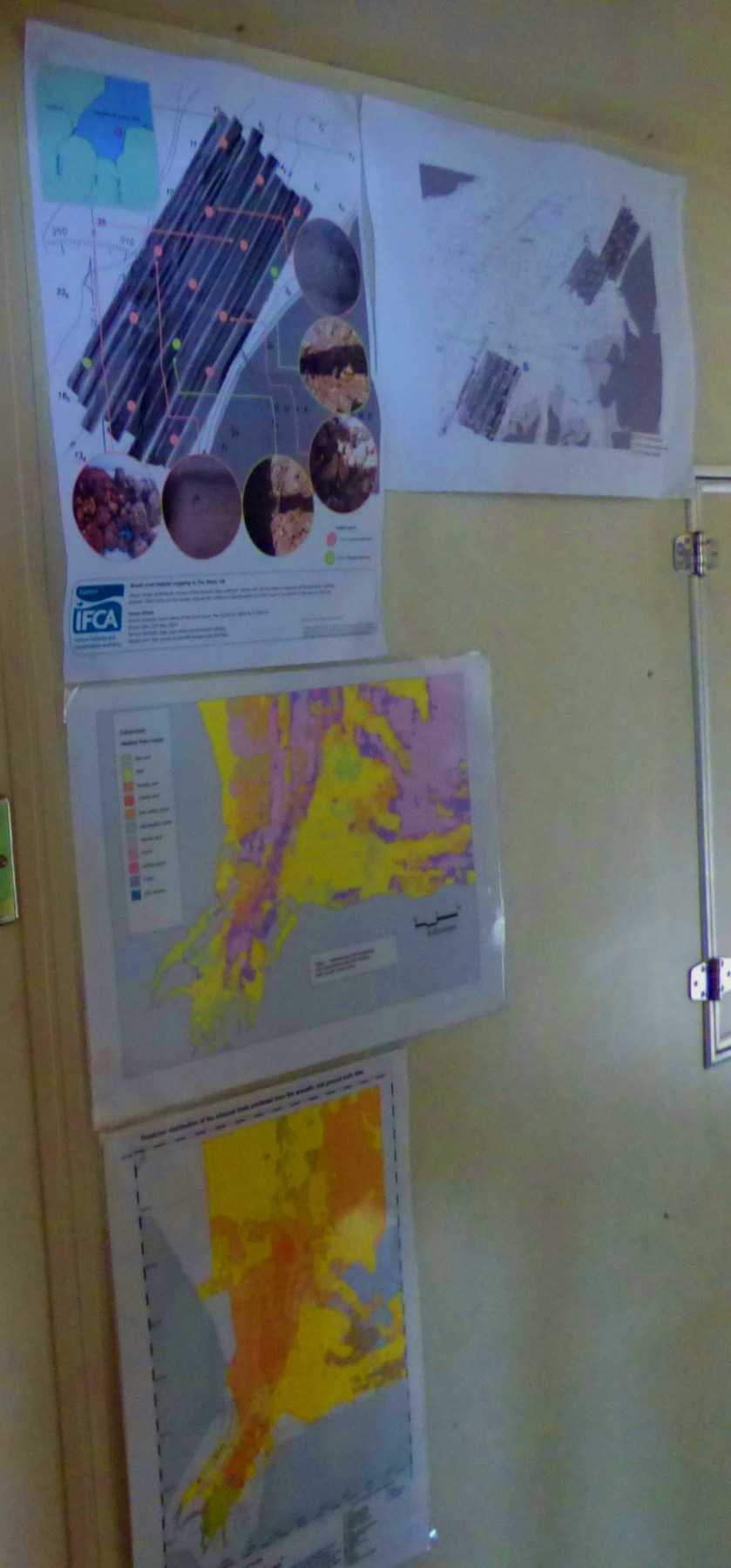
The boat that was open to us was a research vessel (moored at the end of the jetty was an enforcement vessel, but we could only look at that, not board it). On board was all kind of equipment, a number of maps and charts and some free leaflets of which more later. The boat has a main deck area where you join it from the jetty, a couple of cabins that are open for access, a control unit, and area below decks which is not accessible and an upper deck which is accessible by way of a short but very steep staircase (so steep that I was just one of many to deem it necessary to descend facing backwards rather than forwards). Here are the photographs I took while aboard:
This was the view from the upper deck.
SOME PUBLICITY SAMPLES
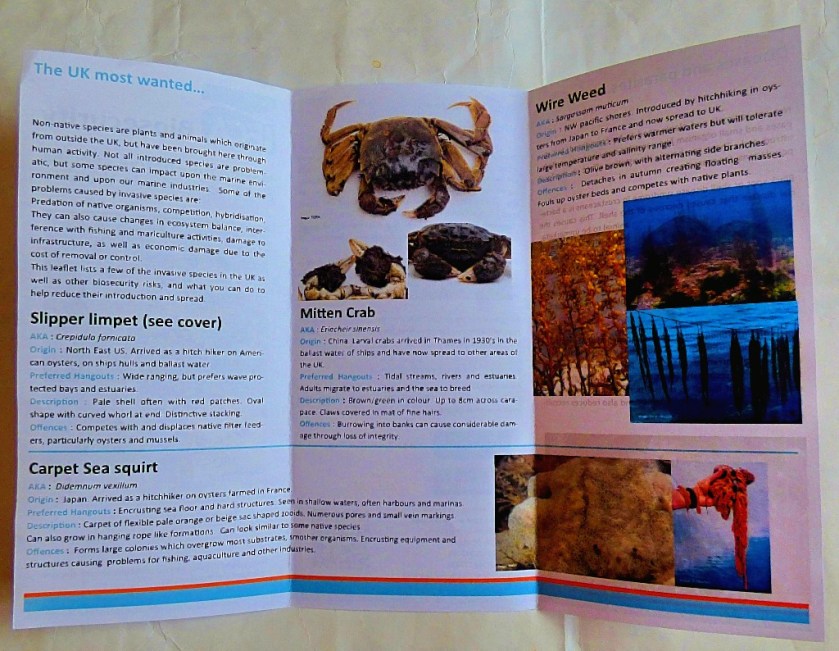
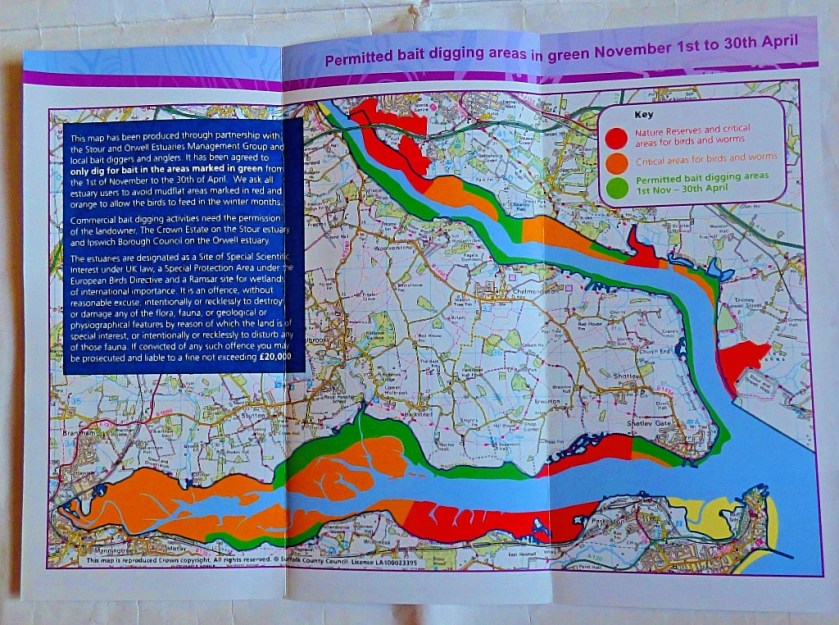
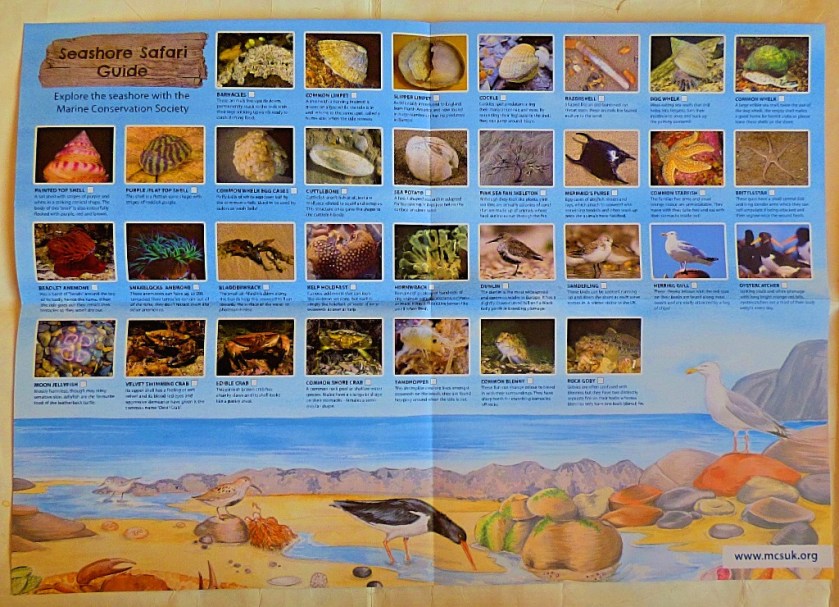
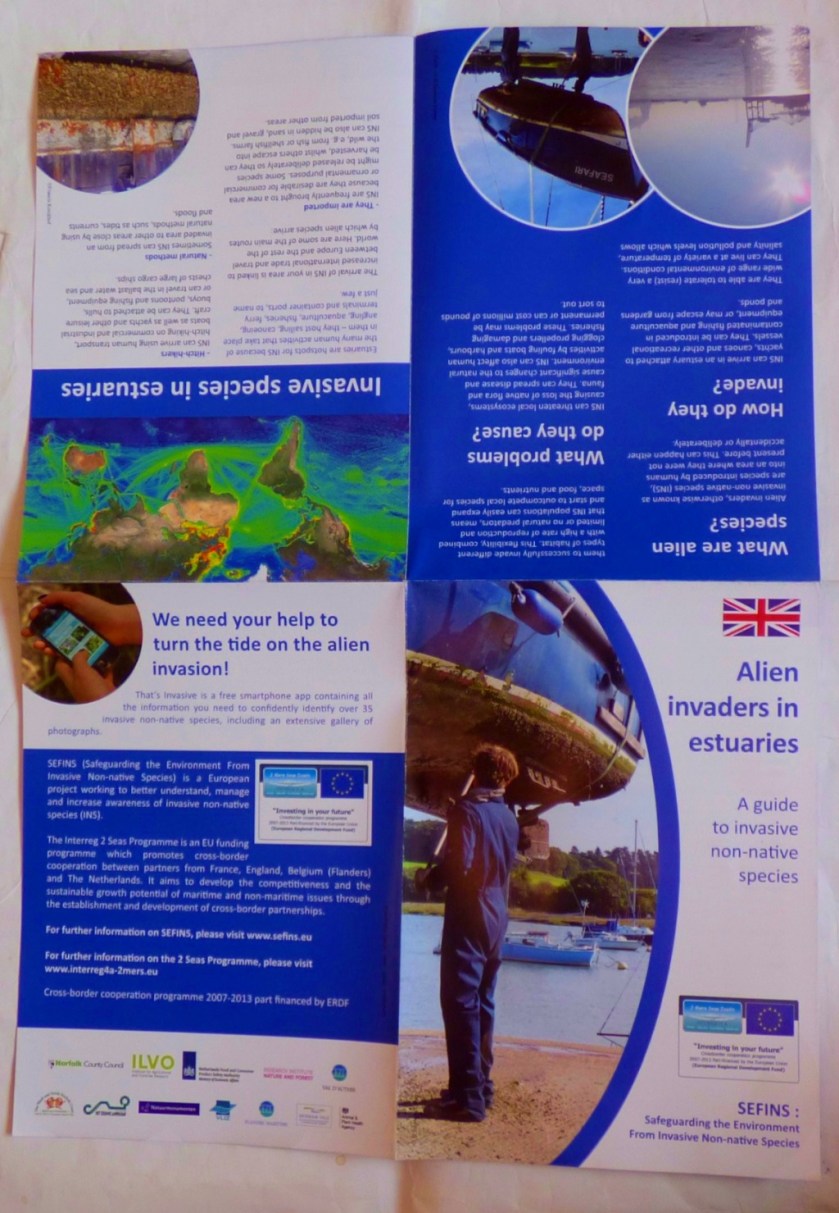
Near the start of this post I showed the general leaflet produced by IFCA, and I finish with samples of the rest of their publicity materials that were available on the boat:
CLOSING COMMENTS
I thoroughly enjoyed exploring the IFCA research vessel and learning about IFCA and the important work that they do. I close this post with a message from an earlier post of mine, “Marxism 2017 – Day 3: Outline“:
Jimmy Anderon’s 500th test wicket, some links, some puzzles and some photographs.
INTRODUCTION
As well as the title piece this post will feature links, pictures (items that will be going under the hammer at the end of September principally) and puzzles – including answers to a couple.
ANDERSON JOINS 500 CLUB
As predicted by me in a previous post the third and final test match of the England v West Indies series has featured a moment of cricket history as James Anderson duly collected his 500th wicket in this form of the game. Among bowlers of anything other than spin Glenn McGrath leads the way overall with 563 (off-spinner Muralitharan’s 800 for Sri Lanka is the record, followed by leg-spinner Warne’s 709 for Australia). The two spinners have set marks that are not realistically within Anderson’s grasp but the 563 of McGrath is well and truly catchable.
The historic moment came near the end of play yesterday, in the West Indies second innings (btw as I write this Anderson has increased his tally to 504) and it was a dismissal worthy of the occasion. He was denied in the West Indies first innings not by their batting (they managed a meagre 123 all out) but by a remarkable spell from Ben Stokes who finished that innings with figures of 6-22 – a test best for him. England led by 71, which looks like being decisive – the top score coming from Stokes (60). This combination of circumstances leads to me to finish this section with a raft of predictions/ hostages to fortune:
The Brian Johnston champagne moment – James Anderson’s 500th test wick – 100% certain whatever happens in what is left of this match!
Player of the match – Ben Stokes barring miracles.
Player of the series – Ben Stokes – 100% nailed on.
Match and series results: England win and take the series 2-1 – West Indies have just been dismissed for 177 in their second dig leaving England 107 to win – Anderson a career best 7-42 taking him to 506 test wickets.
LINKS
I am grouping my links in categories, starting with…
AUTISM
Just two links in this subsection, both from americanbadassactivists and both concerned with that hate group masquerading as charity Autism Speaks, or as Laina at thesilentwaveblog calls them A$.
With the unprecedented sight on weather maps of America and the Caribbean of three hurricanes poised to make landfall simultaneously (by now one of those, Irma, is already battering Cuba), A C Stark has prodcued a very timely piece whose title “Climate Change: The Elephant in the Room” is sufficient introduction.
This subsection closes with links to two posts from Anna. First we have Part 7 of her series about Butterflies in Trosa. The other post features a link to a video of a swimming sea eagle (only viewable on youtube) and a picture taken by Anna in which 11 sea eagles are visible.
My remaining four pieces concern a single individual who is widely tipped to be the next leader of the Conservative Party. It is this latter fact which has exposed him to intense scrutiny, resulting in the following collection about…
JACOB REES-MOGG
To set the scene we start with Richard Murphy of Tax Research UK’s piece simply titled “Jacob Rees-Mogg“.
The second and third pieces in this sub-subsection both come courtesy of the Guardian:
Harriet Harman, referring to comments of his about how even though he is the father of six children he has never changed a nappy labels him as a “Dead-beat dad“.
My final piece comes courtesy of the Skwawkbox. It is titled “MOGG: “DENY ABORTION TO RAPE VICTIMS”. PHILLIPS: “LET’S DO CHELTENHAM!”” referring simultaneously to one of the more odious statements to have emerged from the ‘honourable member for the 18th century’, and Jess Phillips’ friendship with him. The body of the piece fleshes out the difference between the Phillips approach and the more forthright approach of new MP Laura Pidcock.
A SEGUE LINK – A QUIZ
With apologies to those of my readers whose first language is not English, and who therefore cannot take on this quiz, I offer you courtesy of quizly a test on one of the biggest sources of grammatical mistakes in English, safe in the knowledge that my own score in said quiz can be equalled but not beaten:
PUZZLES
I appended a question to a link that featured the year 1729 in a recent post. This was the question:
The puzzle I am attaching to this is: which two famous mathematicians are linked by the number 1,729 and how did that link come about?
The two famous mathematicians linked by the number 1,729 are G H Hardy and Srinivasa Ramanujan. The link came about when Hardy visited Ramanujan in hospital during the latter’s final illness and mentioned the number of the cab in which he had travelled – 1,729 and went on to suggest that this was a very dull number. Ramanujan said in response “No Hardy, it is a very interesting number, the smallest that can be expressed as the sum of two cubes in two different ways”.
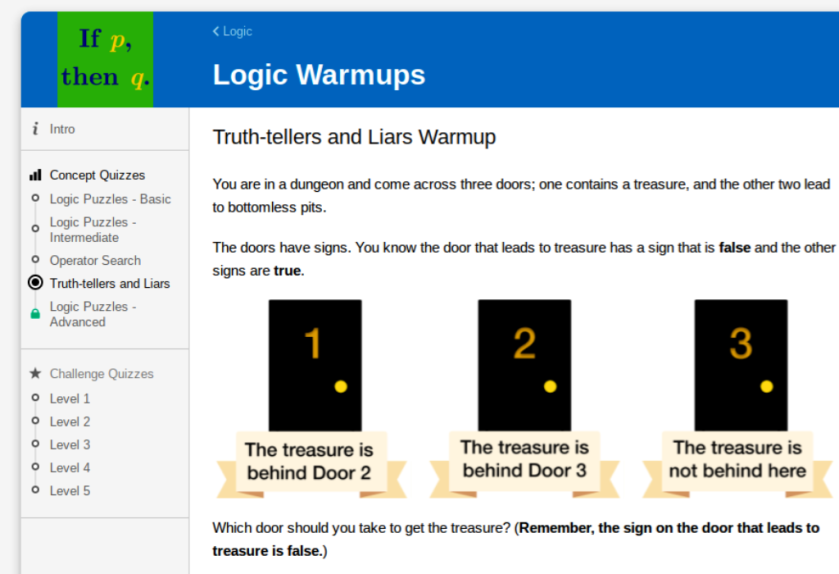
The other puzzle I set in that post was this one from brilliant:
If the statement on door 1 is true, then the treasure is behind door 2, which makes the statements on doors 2 and 3 both false = not acceptable.
If the statement on door 2 is true then the treasure is behind door 3, which makes both the other statements false = not acceptable.
If the statement on door 3 is true, then the statement on door 1 could also be true, making the statement on door 2 false – this scenario is acceptable.
Thus we open door 2 and collect the loot.
I finish by setting you another puzzle, again from brilliant, the 100th and last problem in their 100 DayChallenge, and a cracker:
Don’t be intimidated by that maximum difficulty rating – it is not as difficult as the creators thought. Incidentally you still have a couple of days to answer the problems properly on that website should you choose to sign up – although it would be tough to them all in that time!
PICTURES
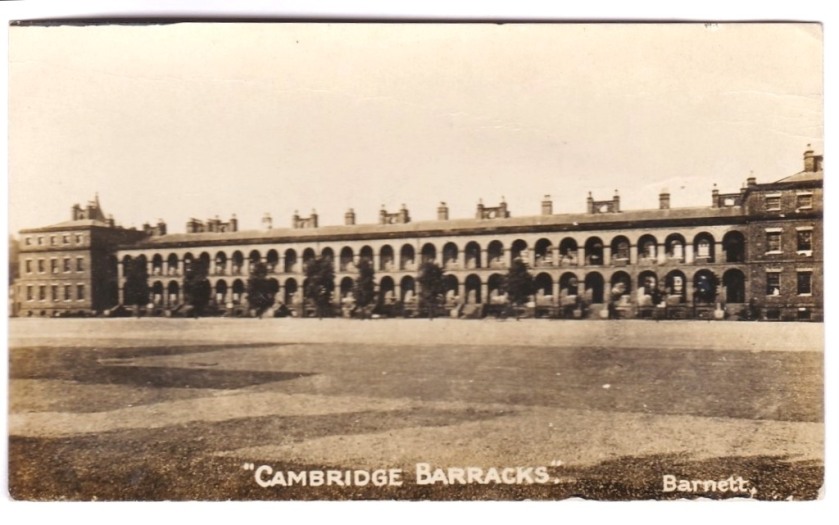
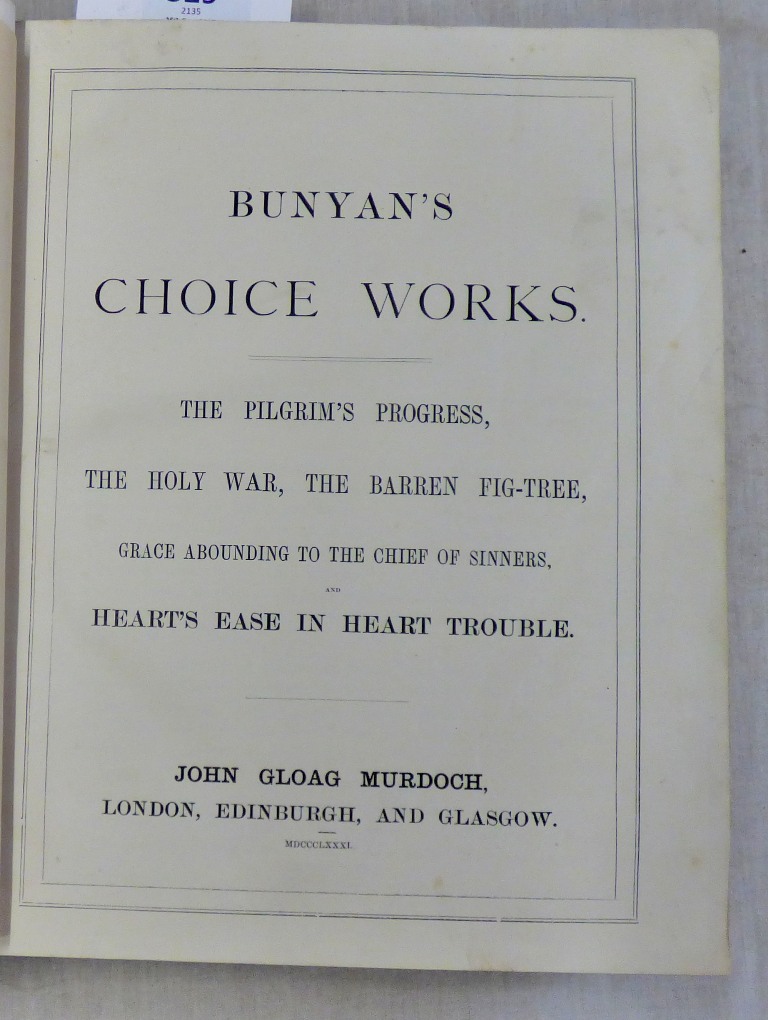
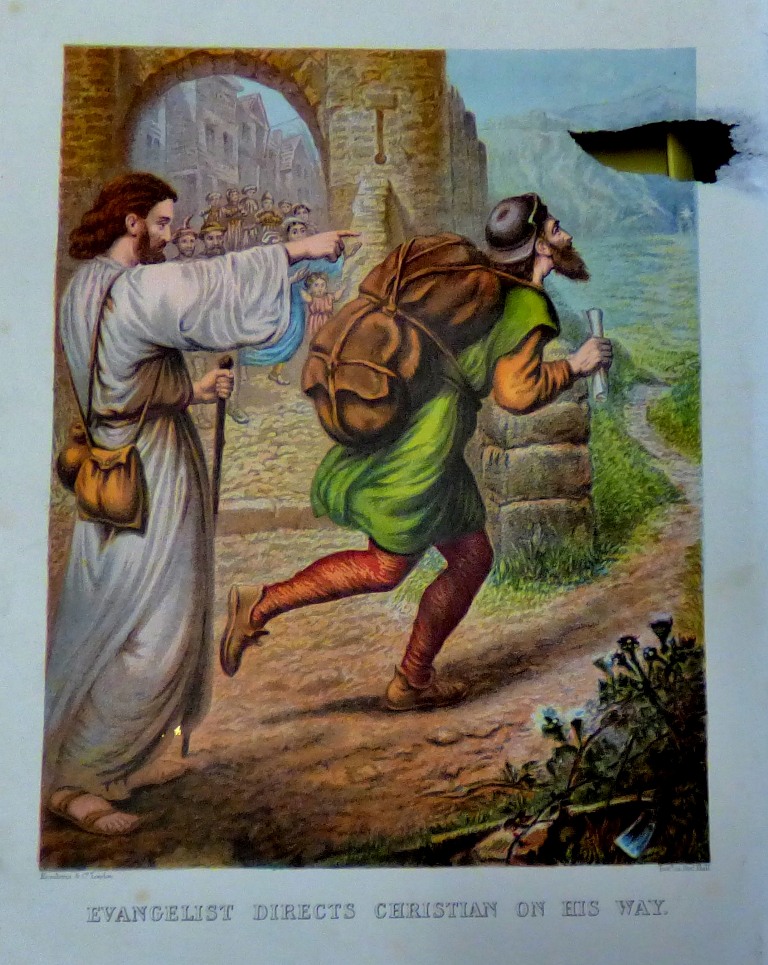
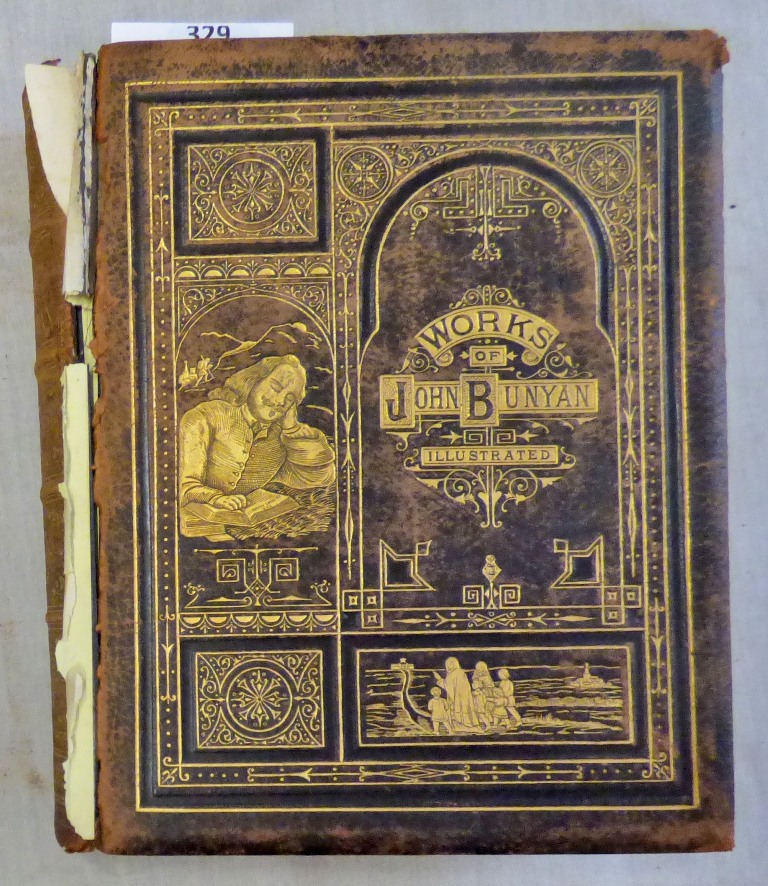
This is lot 1 in our next sale – the first of 200 lots of old military themed postcards. Can you guess which of the lots pictured here is on my radar as a potential buy?Lot 329 (four images) – a fine volume when new but this copy is in terrible condition.
Lot 340Lot 347 (two images)
Lot 341 (six images)
I picked up this coin in change at Morrison’s today and I took two photos of it, both of which I offer you to finish this post (it is only the Reverse that makes it interesting – the Obverse is the usual portrait of ludicrously over-privileged old woman).
Some nature themed links and some of my own photographs. Snakes, butterflies and slugs feature prominently in this post, hence its title.
INTRODUCTION
Welcome to this nature themed post on aspi.blog. The title is formed from the initial letters of snakes, butterflies and slugs, all of which feature prominently.
SOME SWEDISH STUFF
Of course when posting about nature and mentioning Sweden, Annais going to feature prominently, but also featured here is the work of two Swedish photographers, Ingrid Benson who specialises in butterflies and John Jonasson who photographs reptiles.
A SERIES OF BUTTERFLY POSTS
Some of you may remember that I reblogged a post from fargaregardsanna about butterflies in and around Trosa that was marked as the first of a series. Well that series now runs to six posts, four posts based on the work of Ingrid Benson and two more featuring some of Anna’s own photographs. I now provide links to all of them:
Anna put up a post titled “Snake day” featuring some pictures of snakes near where she lives… …at the end of it she included a link to the site run by John Jonasson and featuring pictures and information about snakes.
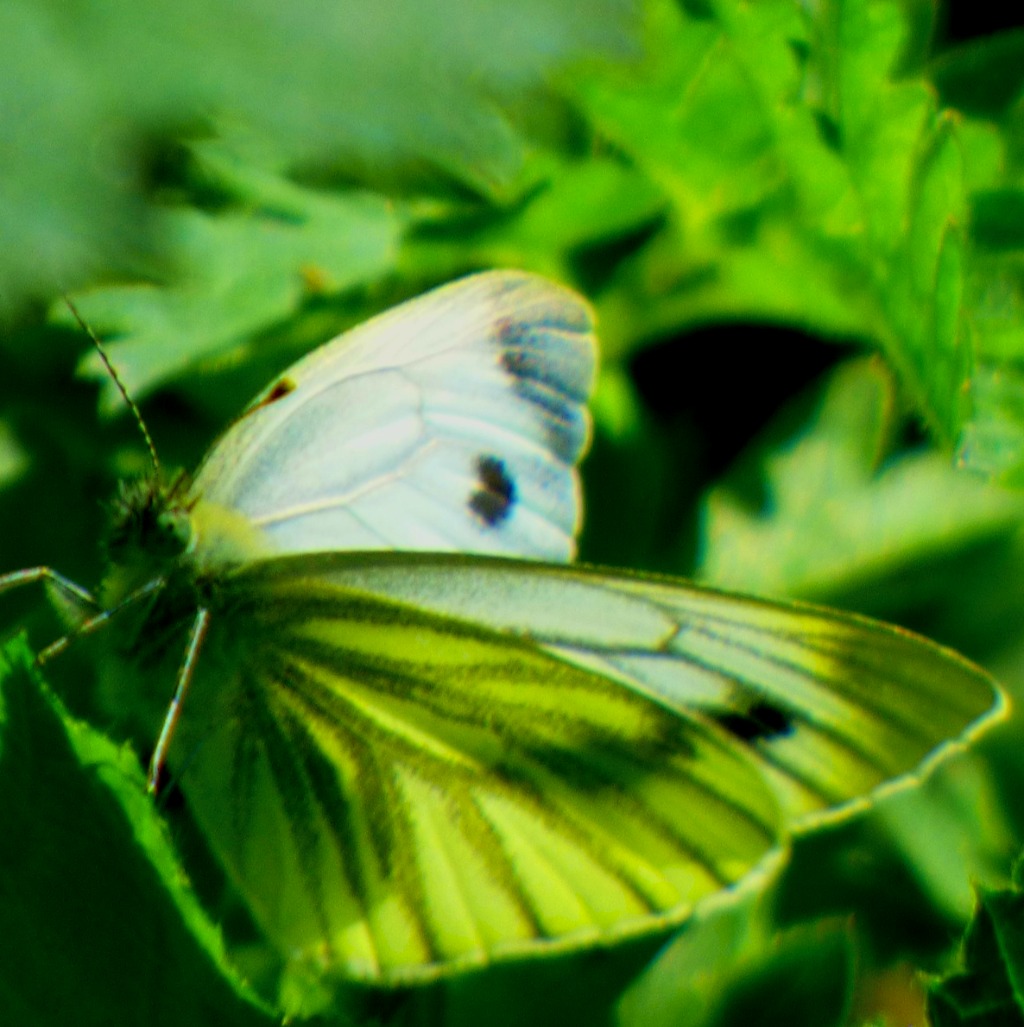
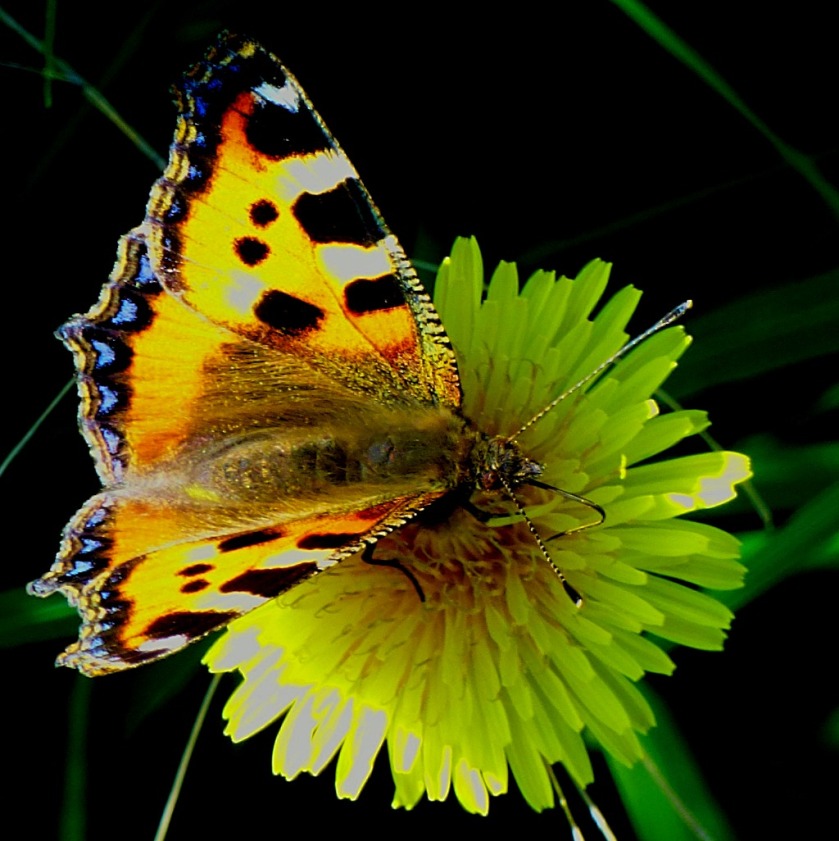
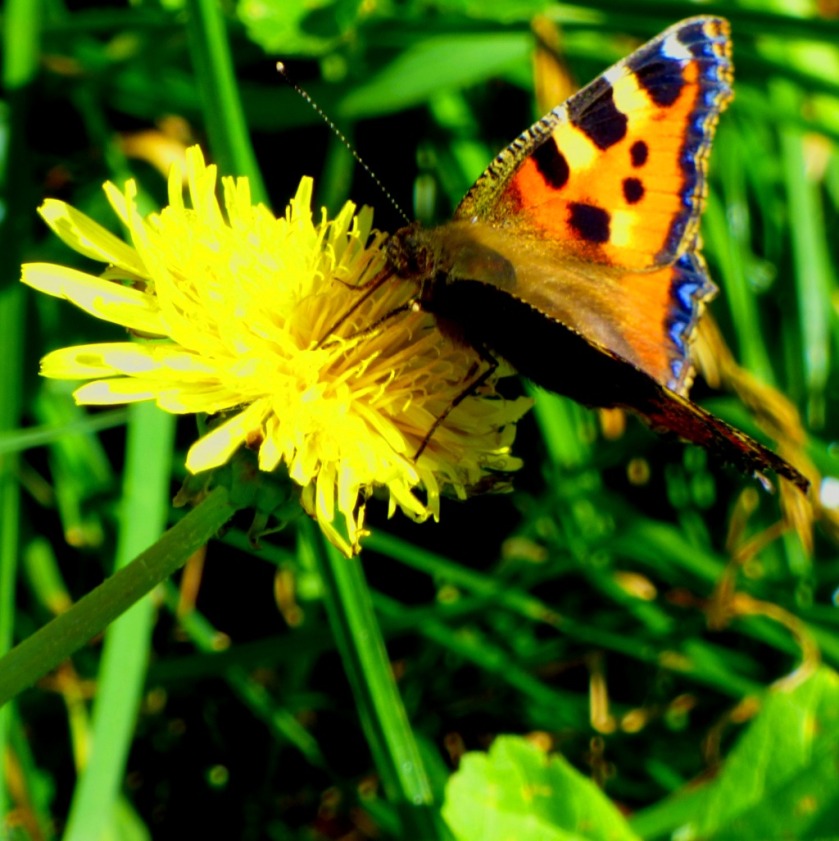
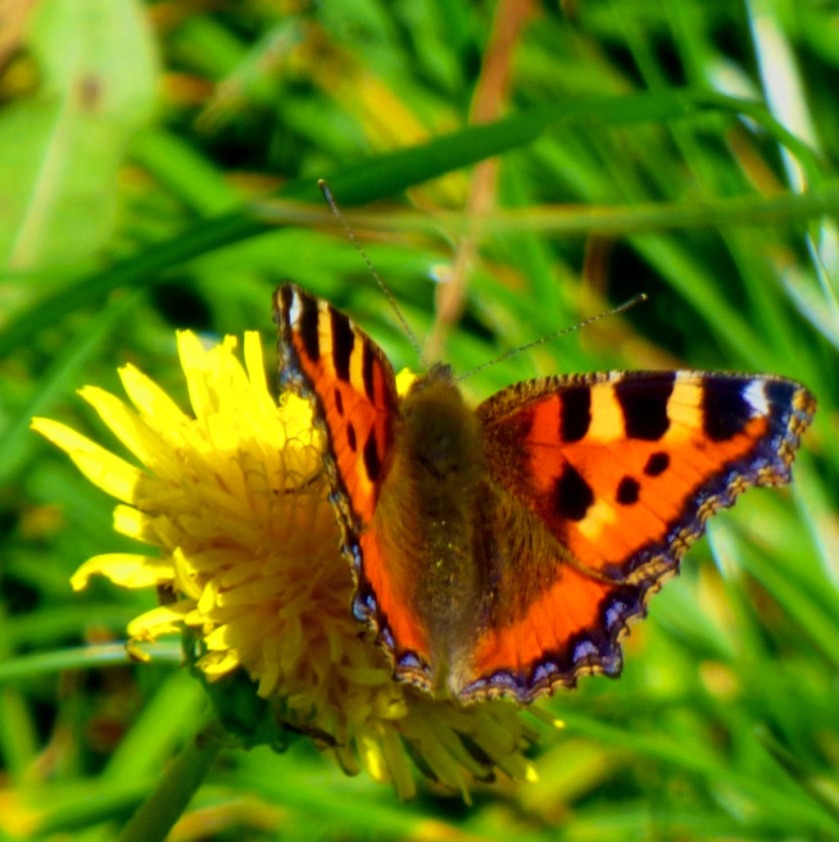
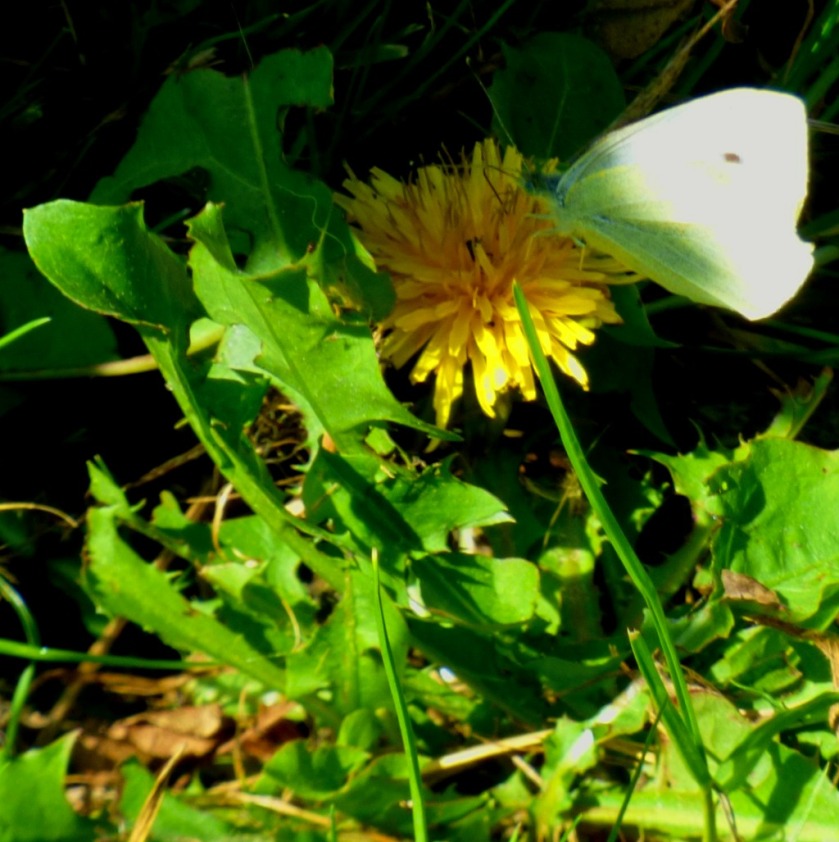
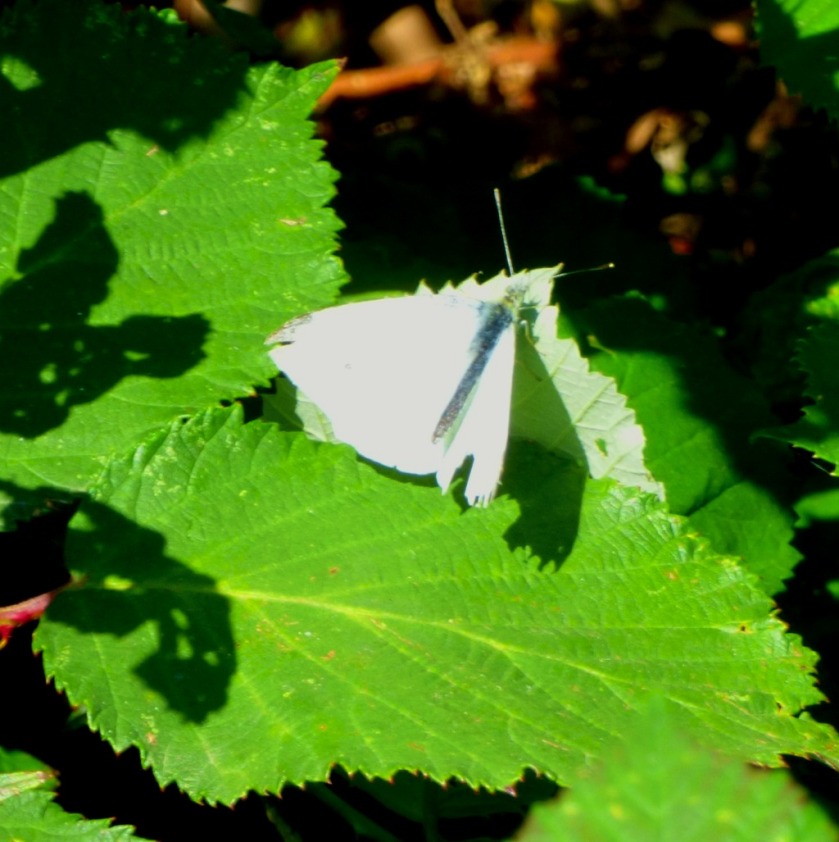
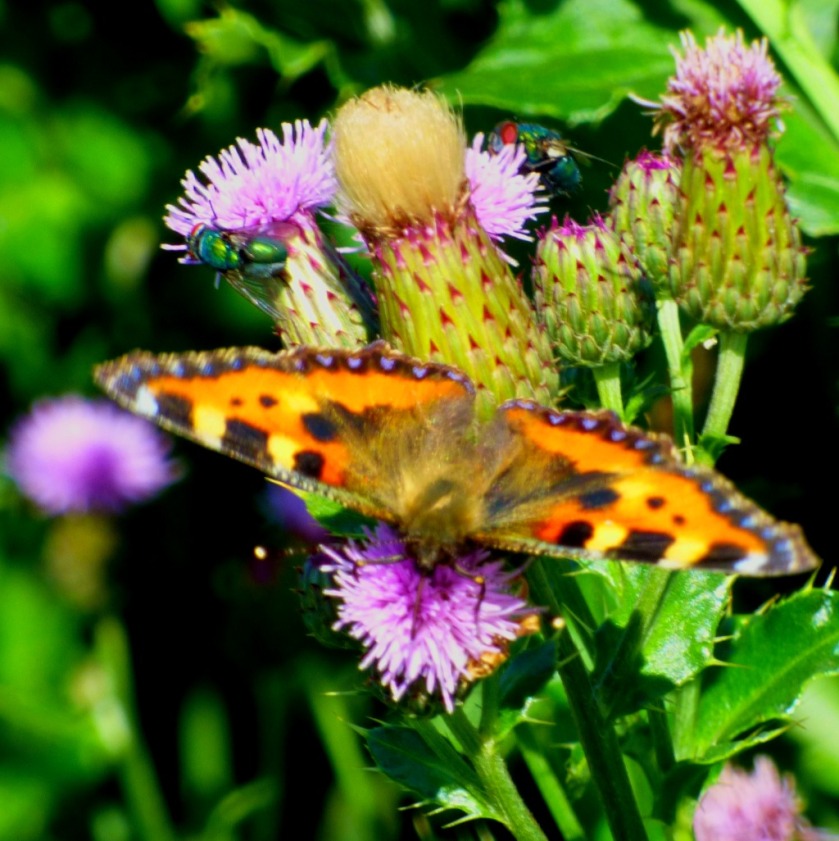
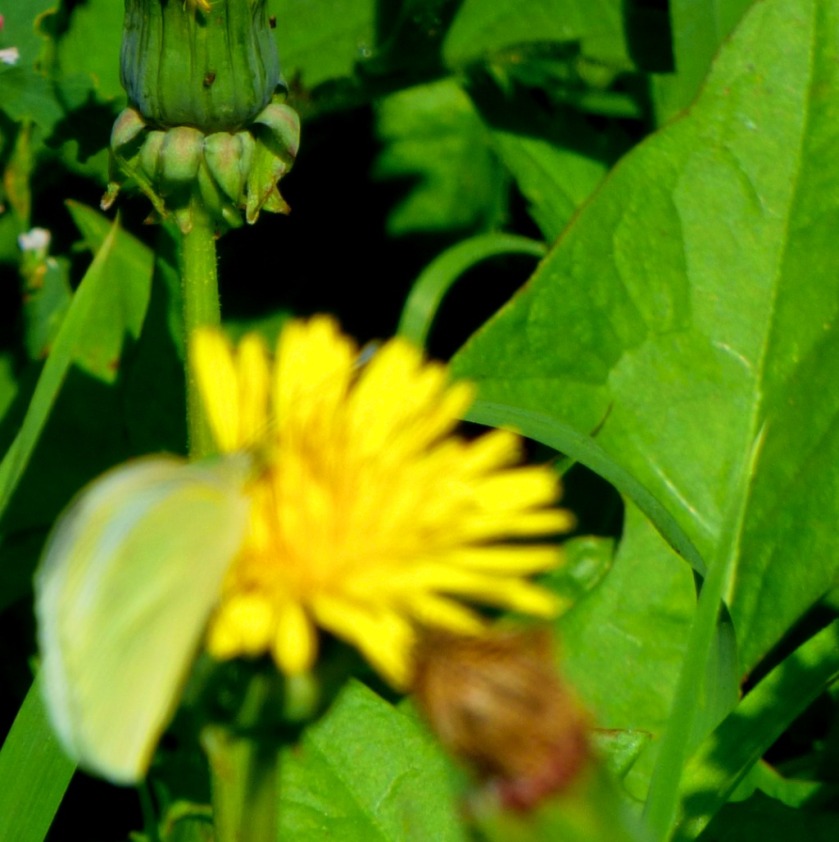
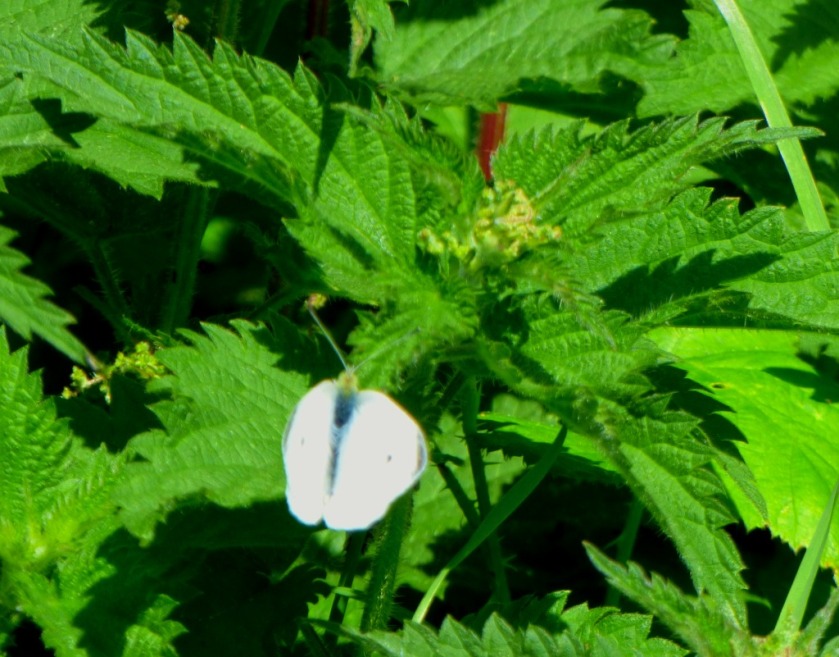
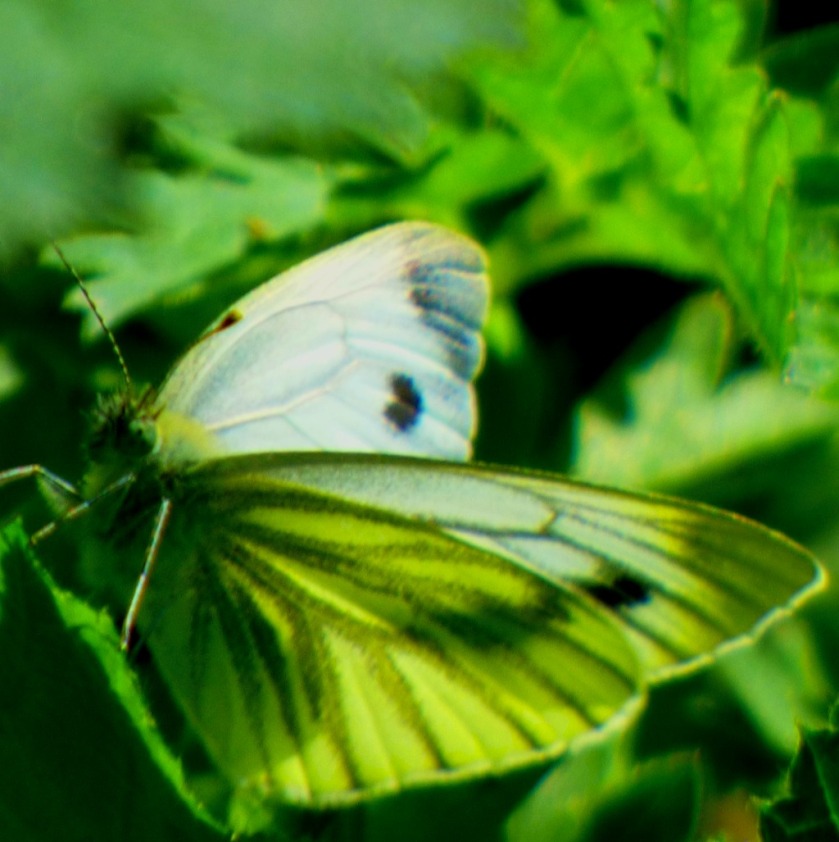
The first four of the six butterfly pics that open this set of photos were taken yesterday.
This was taken today, and I thought even at the time that it was out of focus, but luckily…I then got this.
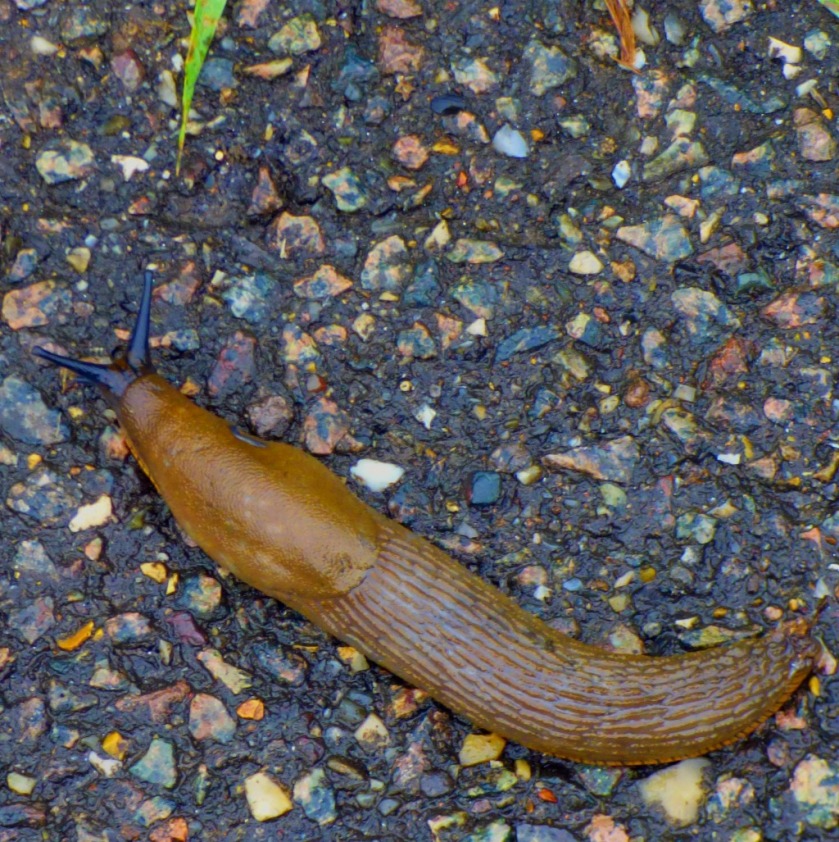
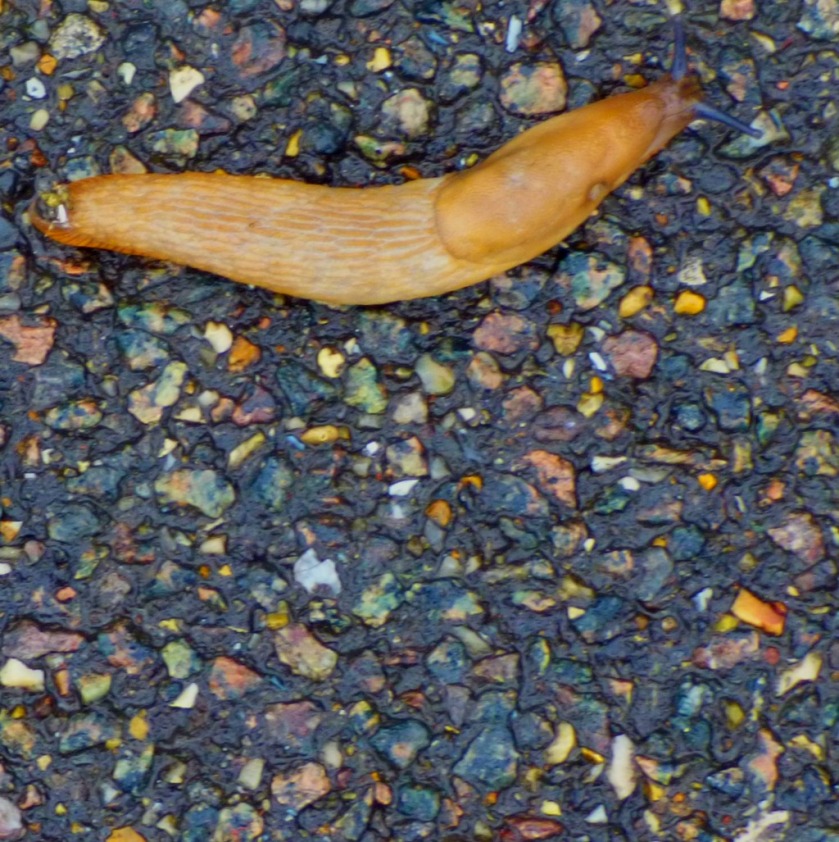
This was floating along the Gaywood river too rapidly for its progress to be down to the flow of the river (which is sluggish).The slugs (three pics) – today is warm and just a bit damp – and the slugs love it that way.
Two swimming cormorants in one shot – a first for me.This cormorant went into a dive as I was clicking the shutter……but then came up again not much later.
I västra Trosatrakten och Tureholmshalvön går det fortfarande att beskåda ett rikt fjärilsliv. Ingrid Benson har lånat ut några av sina fjärilsbilder, som hon tagit på alla möjliga slags fjärilar som dykt upp framför kameran.
Det är roligt att fotografera och gå på fjärilsjakt. Har du väl börjat går det inte att sluta låta ögonen scanna efter fjärilar. Lite som att gå i svampskogen, fast med fjärilar som sökobjekt istället. Prova får ni se. Öppna ögonen och försök att zooma in fjärilarna med kameran. Det går att stå ganska långt ifrån och ändå få tydliga bilder. Se till att försöka fånga både över- och undersida på fjärilsvingarna. En mängd arter avslöjar sin tillhörighet endast genom en kombination av över- och undersida. Många arter är mycket lika varandra och då kan över eller undersida skilja dem åt.
In west Trosa and Tureholm peninsula there´s lots of butterflies to discover. Ingrid Benson
Some recent internet finds and some of my own photographs.
INTRODUCTION
This post features links to some recent internet finds and some of my own photographs.
SOME SCIENCE AND NATURE LINKS
I start with a piece from mongabay which argues that “The Sixth Great Extinction” is actually “The First Biotacide“. Below is a picture from this article:
My next piece comes from Vox Political, who got direct from the person whose story it is, Paula Peters. The title of the piece “Bus driver subjects disability activist to humiliating discrimination” gives you a good idea of the nature of the story. British law on this matter is unequivocal – the bus driver is legally obliged to give wheelchair users priority over mothers with buggies (this courtesy of a court ruling in January). Given the completeness of the information Paula provides, the bus company in question have only one option open to them both legally and morally – they must sack the offending driver and must make sure that all their drivers are aware of their responsibilities to disabled passengers.
I started this post with a couple of science and nature related links, and now as we approach my photographs we are finishing where we started with stuff about nature, first of all Cindy Knoke with a wonderful post about a castle that has been dedicated to raptors, titled “Castle Rapture“.
With the last word before my photographs is Anna, who has recently posted part 13 of her amazing Paradise on Earth series, this time focussing on some of the smaller creatures who live in and around Trosa.
PHOTOGRAPHS
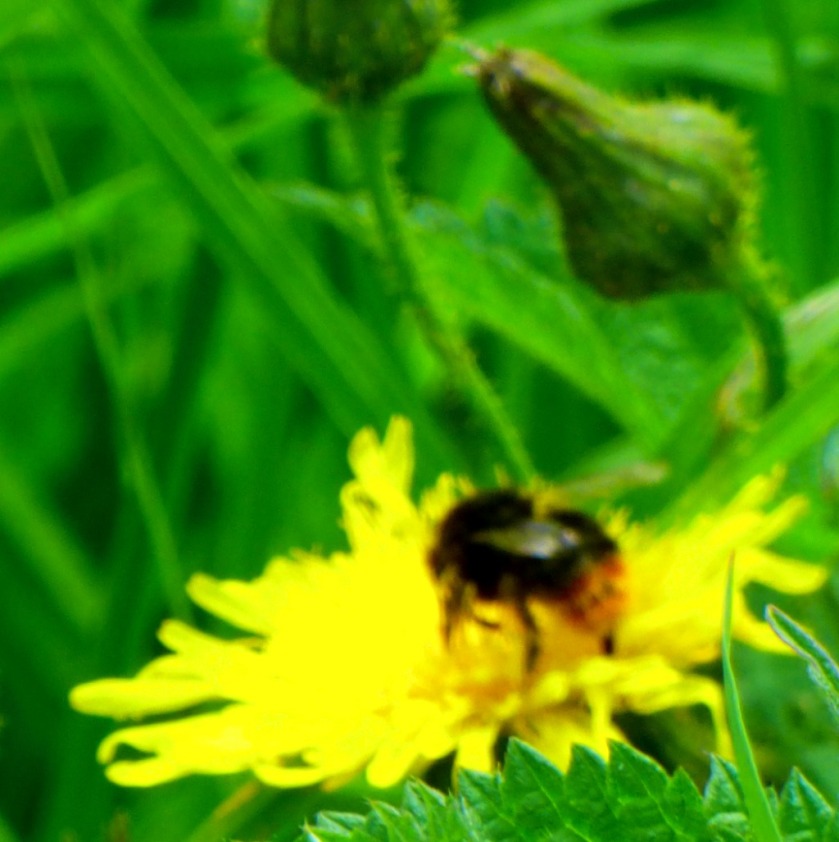
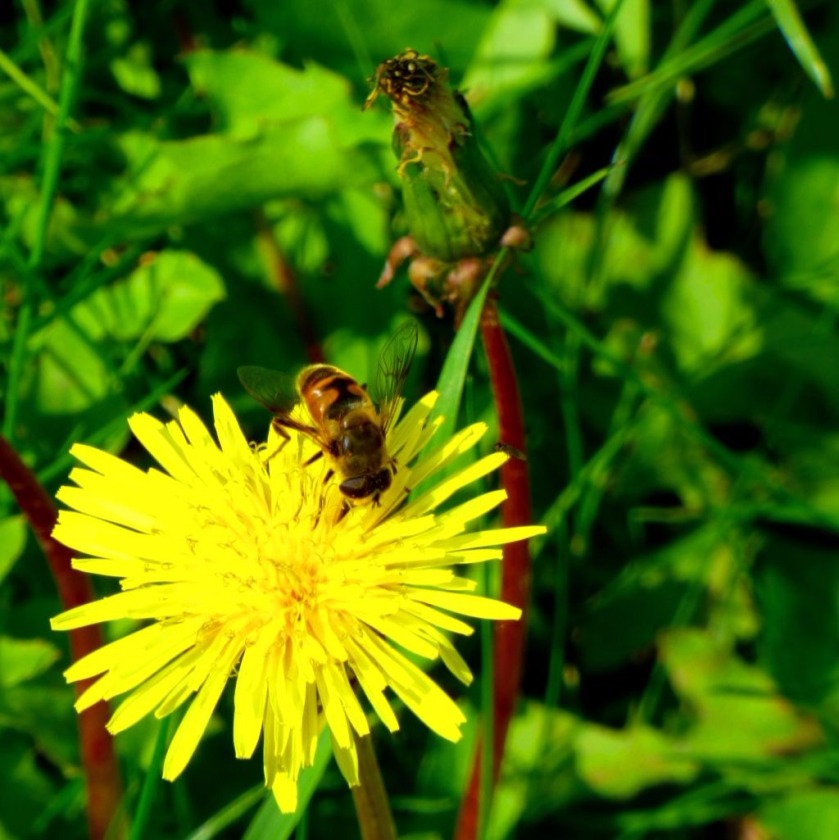
I will start this set of photographs with some of the smaller creatures I have recently captured, before finishing with some general pictures. These pictures were all taken yesterday.
Some stuff I have seen recently on the internet, a little teaser of a problem and some photographs from today’s ‘ecotherapy’ session.
INTRODUCTION
I spent most of this morning indulging in ‘ecotherapy’ (i.e. getting out and about in the open air – my thanks to The Gentlemanfor the term), which also provide me with photographs which will end this post. In between times I will share various pieces that have caught my eye recently.
NATURE AND THE ENVIRONMENT
I start this section with a petition that has been set up on thepetitionsite calling for Michael Gove to be replaced as Defra minister (see graphic below, which also functions as a link):
GOVE is bad for the environment. Demand new Defra Minister!
It is pretty much impossible for any replacement to be worse than the Downright Dishonourable Mr Gove, although while this dreadful government remains in office the right person for the job will not be selected. In the hope that Jeremy Corbyn, or someone who can influence him might see this I say, as I did when naming my fantasy cabinet a while back that the right person for this role is Caroline Lucas.
SOLAR POWER IN AUSTRALIA
It makes perfect sense for Australia to be looking at solar power in a big way, just as here in Norfolk we should take advantage of our biggest renewable resource by building many more wind turbines. I am therefore delighted to share this story from the treehugger website titled “Australia will be home to world’s largest single-tower solar thermal power plant“, the feature graphic from which I produce below:
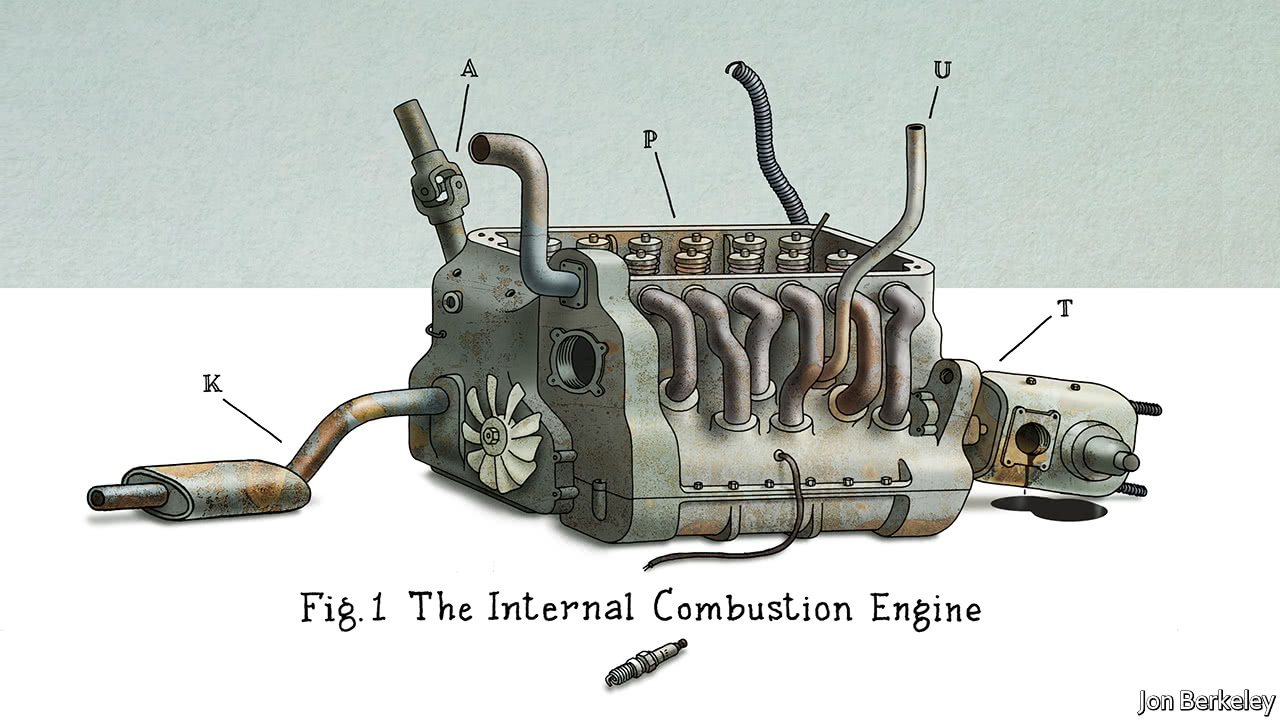
THE DEATH OF THE INTERNAL COMBUSTION ENGINE
This is the title of a piece in The Economist. After 120 years of dominating the scene the internal combustion engine’s days are numbered, and the end for this pollution generating monstrosity cannot come soon enough. I include their feature graphic below.
A PLAN TO REVIVE AN EXTINCT SPECIES
This one comes from thewildlifeplanet.com and the species that may be being brought back from extinction is the Caspiantiger. The plan involves using DNA from the Siberian tiger, a rare but surviving species that is closely related to the Caspian tiger. A potential living area for the revived species has been identified in Kazakhstan. The map below shows the areas reckoned to have been inhabited by the common ancestor of these tiger species when it was around 10,000 years ago.
ANNA’S CHURCH
I end this section of the post with a nod to Anna and the brief post she put up yesterdya about her continuing fight to protect nature under the title “I went to my church“, one picture from which I reproduce below. PUBLIC TRANSPORT
I am going to present these links as a bulleted list, amplifying some of them a little:
Our government has recently reneged on promised rail electrification programs in Wales and in northern England (yes, largely due to privatisation and consequent neglect our railways are so backward that not all of them have yet been electrified, some services still being run by diesel locomotives). Richard Murphy of Tax Research UK has put up a short post outlining how these electrifications could be funded.
The last piece in this section come from the skwawkbox. The first features a video from Double Down News which referring back to an incident from last year is utterly devastating for Virgin Trains, as it shows conclusively that Jeremy Corbyn was telling the truth when he described that train as ‘ram-packed’ and Virgin’s subseqnet denials, including one from the boss, Richard Branson, were lies. The most devastating footage comes about halfway through the video, which is embedded below, and shows the reserved seats filling (as one might expect) moments after Corbyn had walked past them. The skwawkbox piece is titled “DOUBLE DOWN VIDEO SCOOP PROVES WHAT WE TOLD YOU LAST YEAR: #TRAINGATE WAS FULL“.
ELECTORAL REFORM
Britain’s First Past the Post (FPTP) system of electing representatives has had its day. Those who support this system claim that it delivers stable majority governments, but it has failed to do this three times running (no majority in 2010, wafer-thin majority for Cameron in 2015, May running a minority government with the support of the vile DUP in 2017. I have three recent pieces dealing with this topic for your attention.
As well as the voting system needing reform, the results in Northern Ireland showed that it is time for the Labour Party to abandon its pact with the SDLP and field candidates of its own – the recent Stormont election successes of Gerry Carroll and Eamonn McCann have demonstrated that non-sectarian socialists standing as such can win in Northern Ireland.
A PROBLEM AND SOME PHOTOGRAPHS
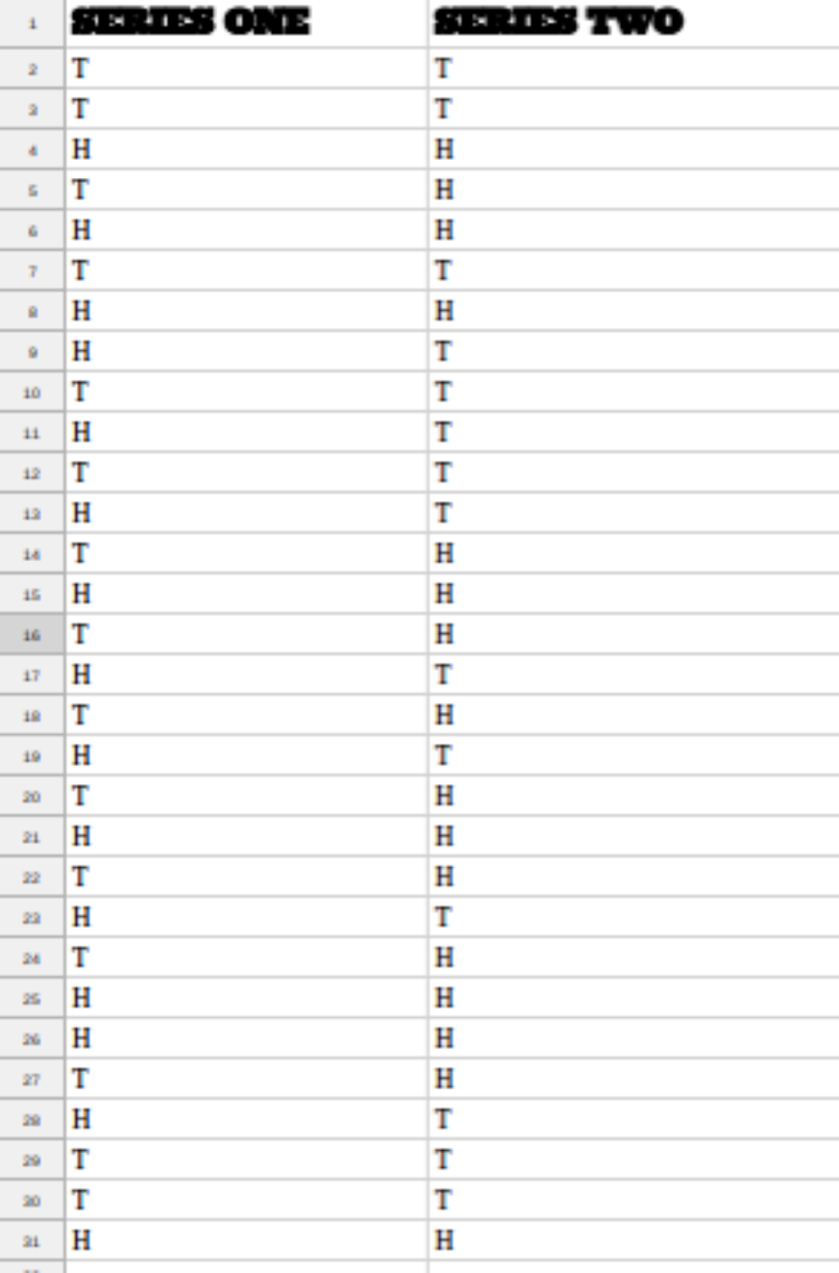
I generally finish my posts by putting up some of my own photographs. Before getting to those I have a teaser for you:
The above table shows two putative sets of coin toss records, each for one coin tossed thirty times. Which is more like to be genuine based on what you can see?
a) series one
b) series two
If you want to have a public stab at answering this feel free to use the comments, although I will say neither yea nor nay until I put my next post up, which will include an answer to this little teaser.
Now for those photographs…
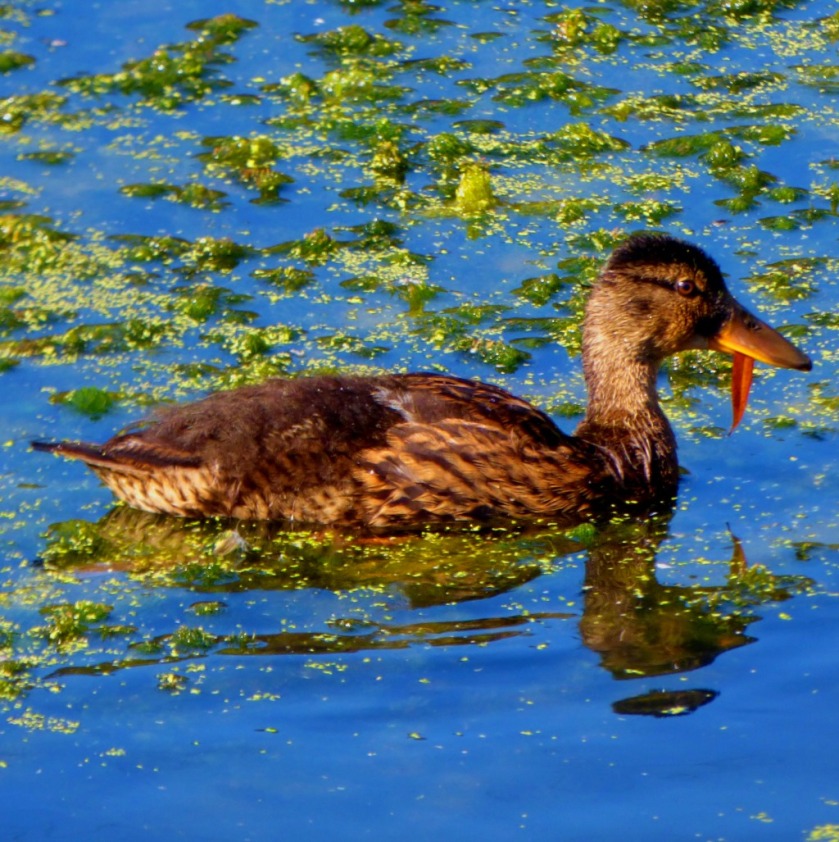
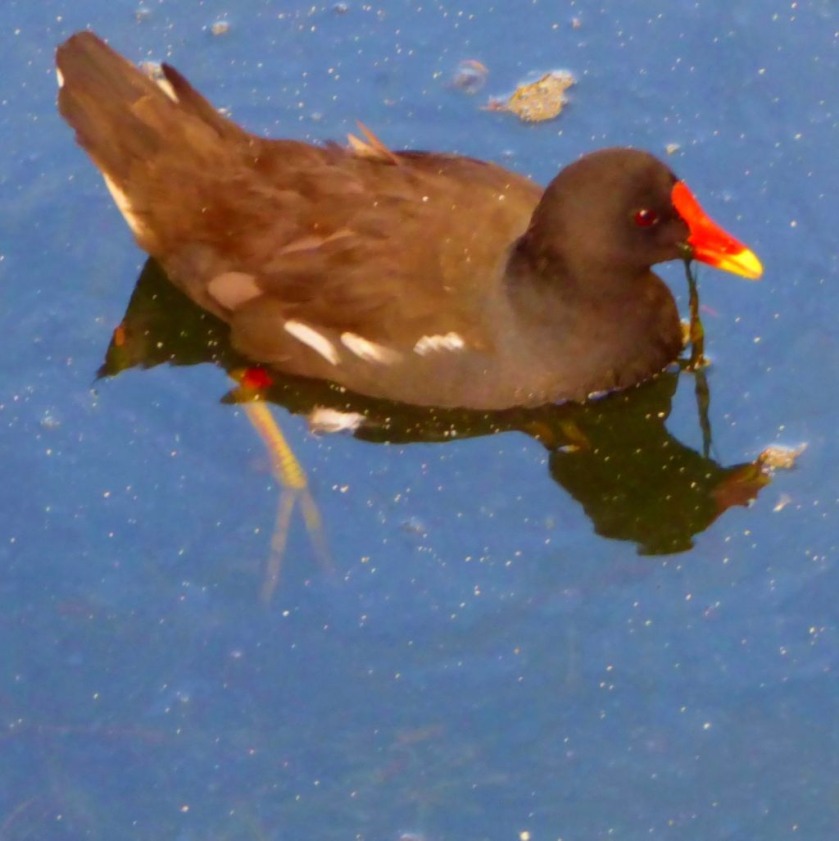
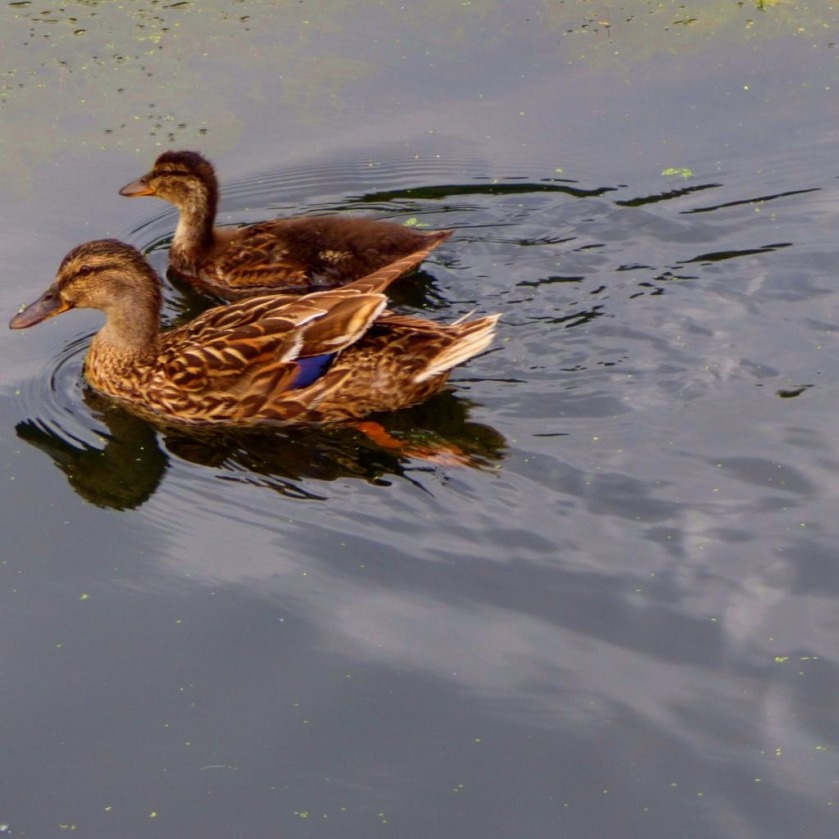
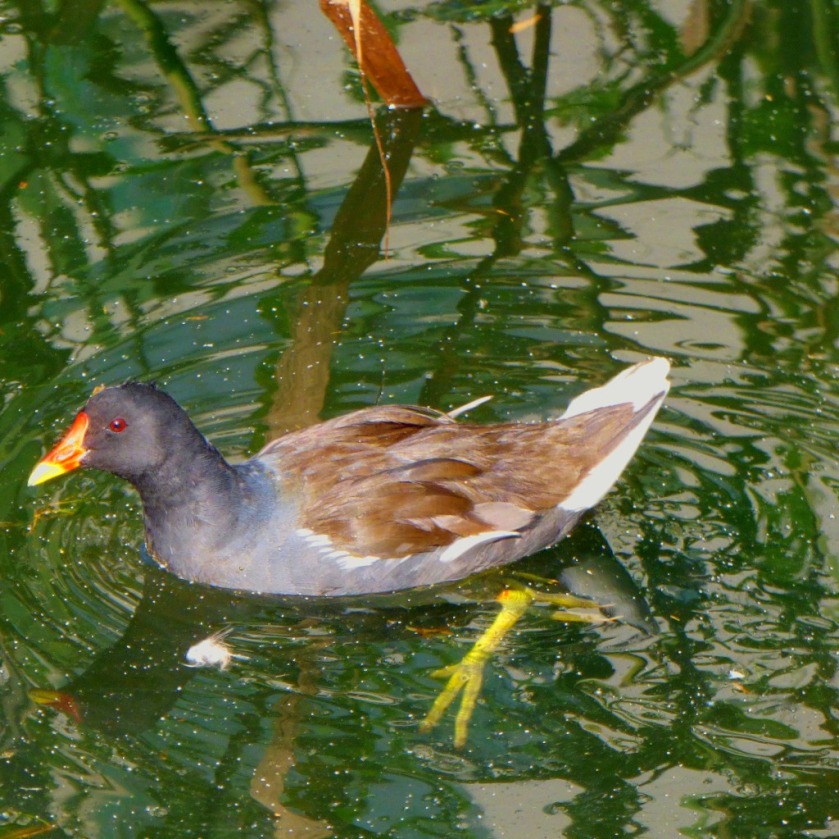
The junior duck in this picture is just developing her adult feathers, but continues to be chaperoned by her mother.
An account of the first day-night test match on English soil, with some photographs at the end.
INTRODUCTION
Welcome to this account of the first test match in the series between England and the West Indies, which should still be going on but actually finished on Saturday.
THE FIRST DAY-NIGHT
TEST MATCH IN ENGLAND
One of the test matches in Australia later this year (the second of the series at Adelaide) is going to be a day-night test match, featuring sessions played under floodlights, and as part of that pink balls (as opposed to the usual red). England not fancying this being their first experience of the format decided to schedule a day-nighter at home beforehand. The problems with this decision are:
England because of the long twilight periods when neither natural nor artifical light are really good is not a suitable place for the day-night format.
The current West Indies side can hardly be considered to pose a challenge of anything like the magnitude of that of the Aussies in their own backyard.
THE MATCH ITSELF
England lost debutant opener Mark Stoneman and number three Tom Westley (also recently elevated to this level) early on, but then Alastair Cook and Joe Root put the bowling in perpsective with a huge and largely untroubled third-wicket stand. Root just pipped his predecessor as captain to the hundred mark. When Root was out for 136, Dawid Malan joined Cook and they took England through to the close of day 1. On Day 2, England lost a few wickets, including eventually that of Cook for 243 – this last triggering a declaration with the score at 514-8. Rain intervened with the West Indies 44-1.
On Day 3 the West Indies had a horror start, largely thanks to James Anderson, with 44-1 rapidly becoming 47-4. Although Jermaine Blackwood showed some spirit with a rapid 79 wickets continued to tumble and the West Indies first innings ended on 168 from 47 overs. While many captains have become cautious about enforcing the follow-on in recent years this was one occasion when any captain declining to do so would surely have deserved to be presented a white feather and their P45. Joe Root duly sent the West Indies in again. Early in the West Indies second innings there was some speculation about whether England would take the extra half-hour to finish the job, but it soon became clear that the West Indies would not be batting long enough for the question to arise. Once again resistance was conspicuous by its absence, and the West Indies were all out for 137 in their second innings, this time from 45.4 overs. The most noteworthy feature of this innings was Stuart Broad moving ahead of Ian Botham to number two (behind Anderson) on the all-time England test wicket takers list.
England had won by an innings and 209 runs with a couple of hours of possible playing time remaining on day 3 (taking the rain that shortened day 2 into account this was effectively a victory in half a test-match worth of playing time).
While I hope to see Stoneman, Westley and Malan get some big runs in the two remaining tests I do not think that performances against these West Indians will count for anything down under, and nor for reasons already outlined can I really consider this dreadful mismatch any sort of preparation for Adelaide in November. On this occasion it may actually be genuinely the case that Geoffrey Boycott’s mum would have scored runs and/ or taken wickets such was the feebleness of the opposition (for the uninitiated, based on his comments as expert summariser Geoffrey’s mum would appear have a batting record to compare with Don Bradman and a bowling record not dissimilar to that of S F Barnes!).
Most of all, in the remaining two matches of this series I would like to see the West Indies show a bit of heart and spirit, and at least make England work for the victories, as they signally failed to do at Edgbaston. Anyone who had booked seats for the fourth and fifth days is highly unfortunate – the refunds policy covers bad weather but not one side playing bad cricket.
What we saw in this match was a proficient, professional outfit dealing severely with opposition who were not remotely in the same class – well done England, but in a few months you will be facing much tougher opposition.
A scorecard of the match can be viewed here, and if you so wish you can explore from there to read more about this match.
PHOTOGRAPHS
We end with a regular feature – some of my pictures:
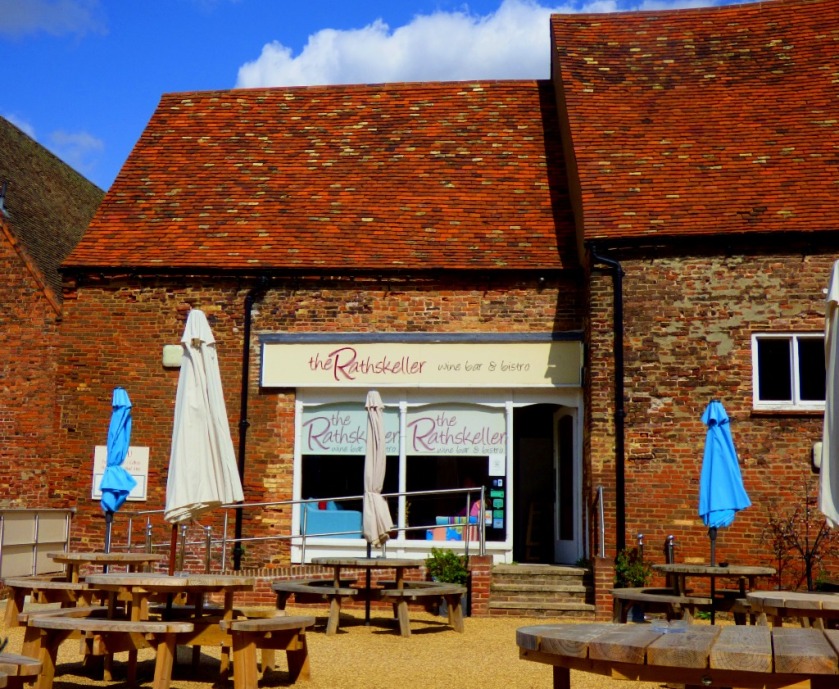
The Rathskeller, where I shall be attending a Beer Festival in the run-up to Heritage Open Day
An eyewitness statement regarding a fire that I regard as highly likely to have been the result of arson, although accident is a possibility.
INTRODUCTION
I am putting this post up as a witness statement regarding an incident that happened somewhere in the region of one hour ago.
THE STORY
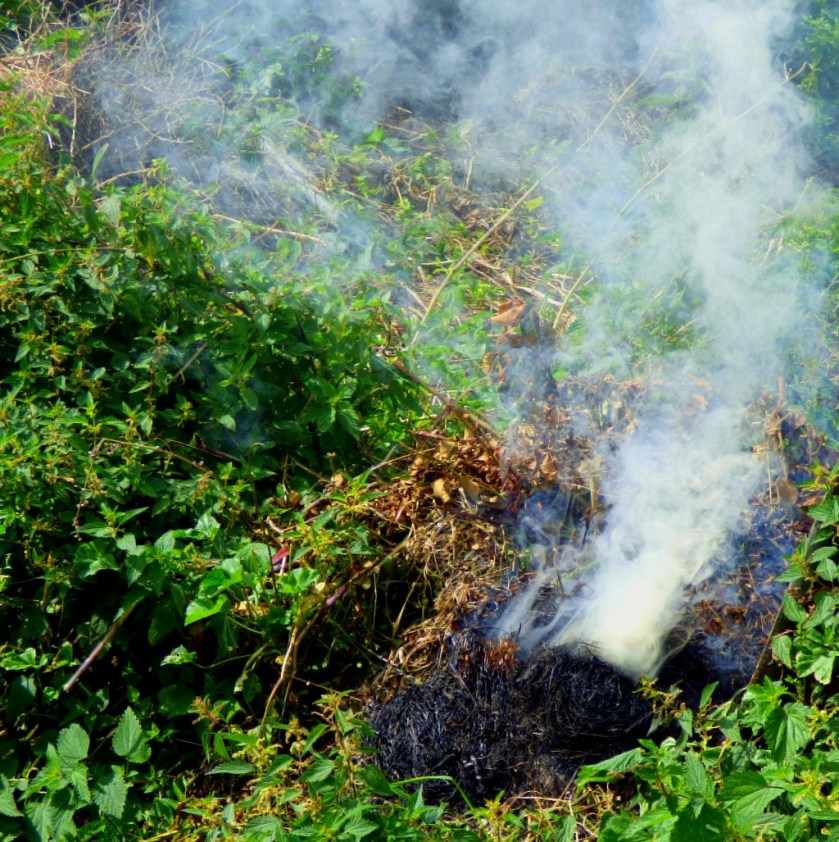
I went out for a walk, to take some photos and do some thinking. I set out across the upper Purfleet, on to King Street and thence via the Tuesday Market Place and St Nicholas Chapel to the start of the footpath that runs alongside Bawsey Drain as far as Lynnsport. My initial plan was to cross a bridge that leads into a field, head via Kettlewell Lane to the train station, then through the parkland to Seven Sisters, down past the South Gate and across the Nar to hit the Great Ouse by way of Harding’s Pits and thence back into town along the river. However, I was approaching this bridge when I saw white smoke rising from the field on the other side of the river. A cyclist approaching the bridge from that side was there before me and phoned the fire brigade, who sent people out to deal with it. When the fire engines arrived a few moments later I waited on the bridge while the cyclist went to meet them and guide them to the spot.
The fire was only a small one, though very close to the bridge and to the footpath leading away from the bridge, and fortunately had not yet spread, although the smoke had noticeably thickened by the time the fire brigade got there. They were able to deal with it quickly and easily, and apart from a small blackened patch of burned vegetation there was no lasting damage.
POSSIBLE CAUSES OF THIS FIRE
Sadly Bawsey Drain is treated as an all-purpose dumping ground by those who live alongside it, so there are two possible causes, both human in origin, given in order of where my personal suspicions based on observation lie:
1)Arson – a fire started deliberately by some person or persons who neither thought nor cared about the possible consequences of their actions.
2)Accidental but very stupid and selfish human action (e.g someone tossing a cigarette that they imagined to be out but was not onto the vegetation, thereby starting the fire).
SOME PHOTOGRAPHS OF THE FIRE
As well as this written account I have some pictures:
The first two images sbhow how close to the bridge and footpath the fire was, the third and fourth, courtesy of a telescopic zoom lens focus more closely on the fire.
FOOTNOTE: SPECIES IN THIS AREA
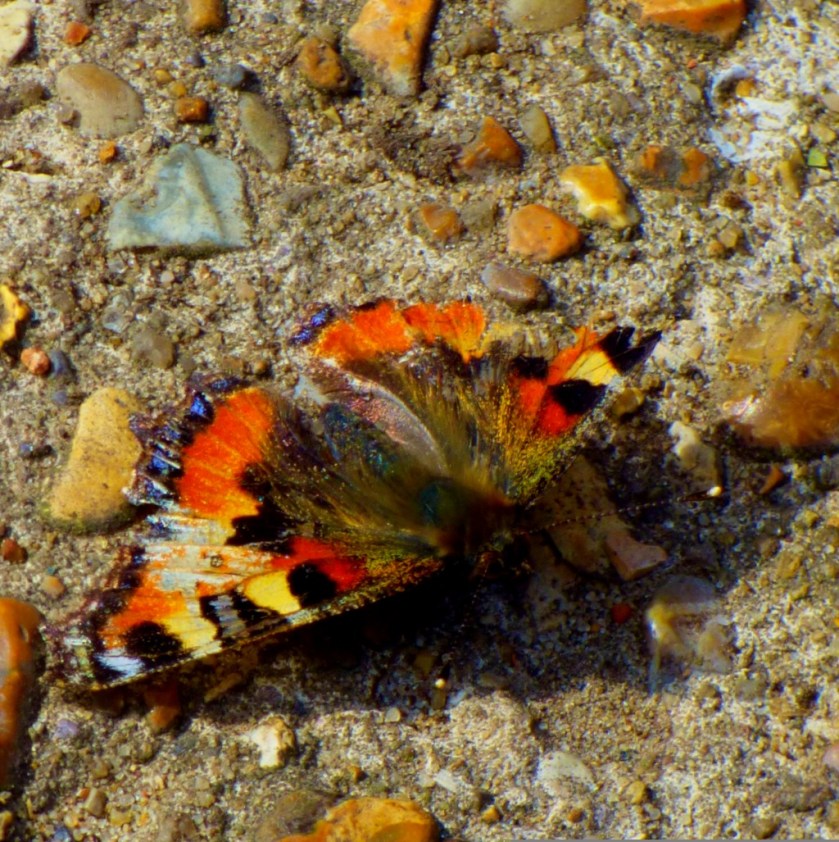
Although I only edited those photos between the first and last fire shot, I captured two of the butterfly species that along with various birds live in this area regularly. I have also seen rabbits, hares and small deer in that location on previous occasions. This fire potentially endangered all these as well as the plants it had already started to burn. Here are some Butterfly pics from that area, taken today, to end with:
These last two pictures were taken while waiting for the fire brigade to arrive, while I was on the bridge.
A personal account of NAS West Norfolk’s 10th anniversary celebration garden party.
INTRODUCTION
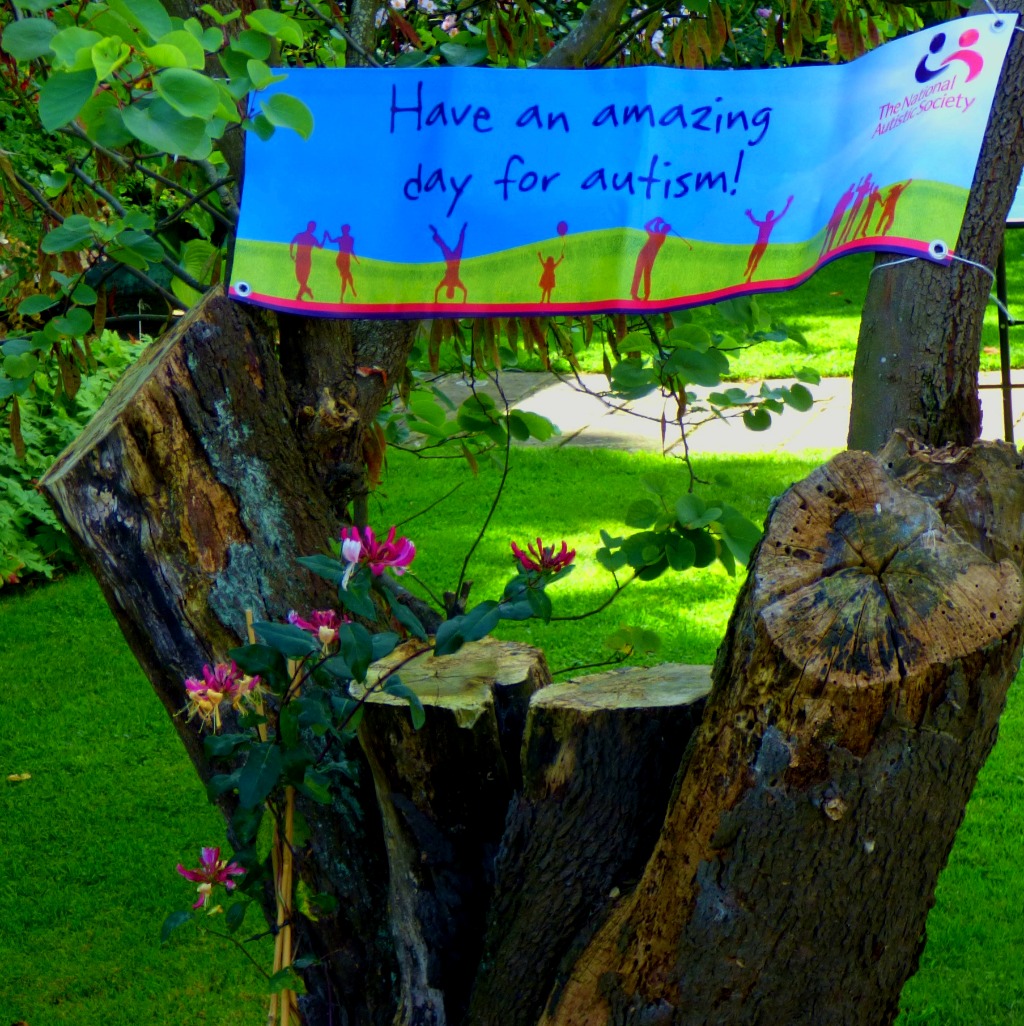
Yesterday saw the celebration of NAS West Norfolk’s tenth anniversary. We had a garden party in a quite magnificent garden in Castle Acre which we had been very generously allowed to use for the occasion. Here as a reminder is the poster we used to advertise the event:
MY ROLE IN THE CELEBRATIONS
As branch secretary of NAS West Norfolk I was involved in running the event – I helped to set things up at the start and with the clear up at the end. As an autistic person I was also delighted to take part in the event in between times.
THE GARDENS
These gardens are truly amazing – this is where the original fortified village that adjoins the castle was located, and at one point there is a steeply sloped bank that leads down to a section of the old town moat. There are some amazing plants and grasses in these gardens, some excellent garden sculptures, a pond with ducks of various breeds and dragonflies around it, many fowl which run free and a swimming pool the excellence of which I can personally vouch for having spent an hour there. Near the pond is a summerhouse which was our designated Quiet Area (an absolute necessity at events for autistic people, or if you want autistic people being comfortable attending your event). There was also a house that was open to the public in which cakes (some baked by our wonderful hosts and some by members of our group), raffle prizes and such were set up.
The hosts had provided a few games for us, and one of our members brought along a swingball set as well.
THE DAY
Once the set up had been accomplished there was plenty of time to enjoy the day, and it went excellently. For me the magnificent setting was one half of a superb equation, the other being autistic people enjoying themselves without worrying what anyone else was thinking because everyone present had some sort of connection to autism, and therefore some degree of understanding. Everyone present was at least at the ‘Understanding’ stage of the Awareness-Understanding-Acceptance-Appreciation line. I was regularly taking photographs except for the hour I spent in the swimming pool and we had a photographer from Your Local Paper present as well. The raffle prizes were presented by the Mayor of King’s Lynn.
PHOTOGRAPHS
Here are my photographs from the day…
The bank leading down to a section of the old town moat – an entangled bank worthy of the closing words of On The Origin of Species.
The only one of many beautiful butterflies that I was able to capture.
Half of this brickwork Tudor Rose has disappeared.
A watering can sculpture (it is huge – one could not actually use iut.I saw this bird early on, but it kept itself to itself later in the day.
Wire sheep near the pond
What used to be the dovecote – the brick nesting boxes are still in place.
The pond.
The designated Quiet Area.Inside the summerhouse we assembled the Dark Den – the framework is a little like Quadro except with that the plastic tubes have a smaller diameter. Initially we had failed to notice that the tubes have to go through the tenting, so we took longer to get this assembled than we should.An interior shot – once I pulled the second door flap at the back into place and someone else had added a blanket to soften the base it was ready for use.This was in the summehouse.
The swingball set in use.The swimming pool.
wire ducks – there were also wire sheep near the pool.
A post for the #Inglorious12th, featuring the right kind of bird shooting – that done with a camera.
INTRODUCTION
Today is August 12th, which is for well-heeled British hooligans the start of the grouse shooting season, known to them as “The Glorious 12th”. For folk like me, who view those who derive pleasure from taking pot shots at birds with utter contempt it is therefore the #Inglorious12th.
SHOOTING BIRDS THOMAS STYLE
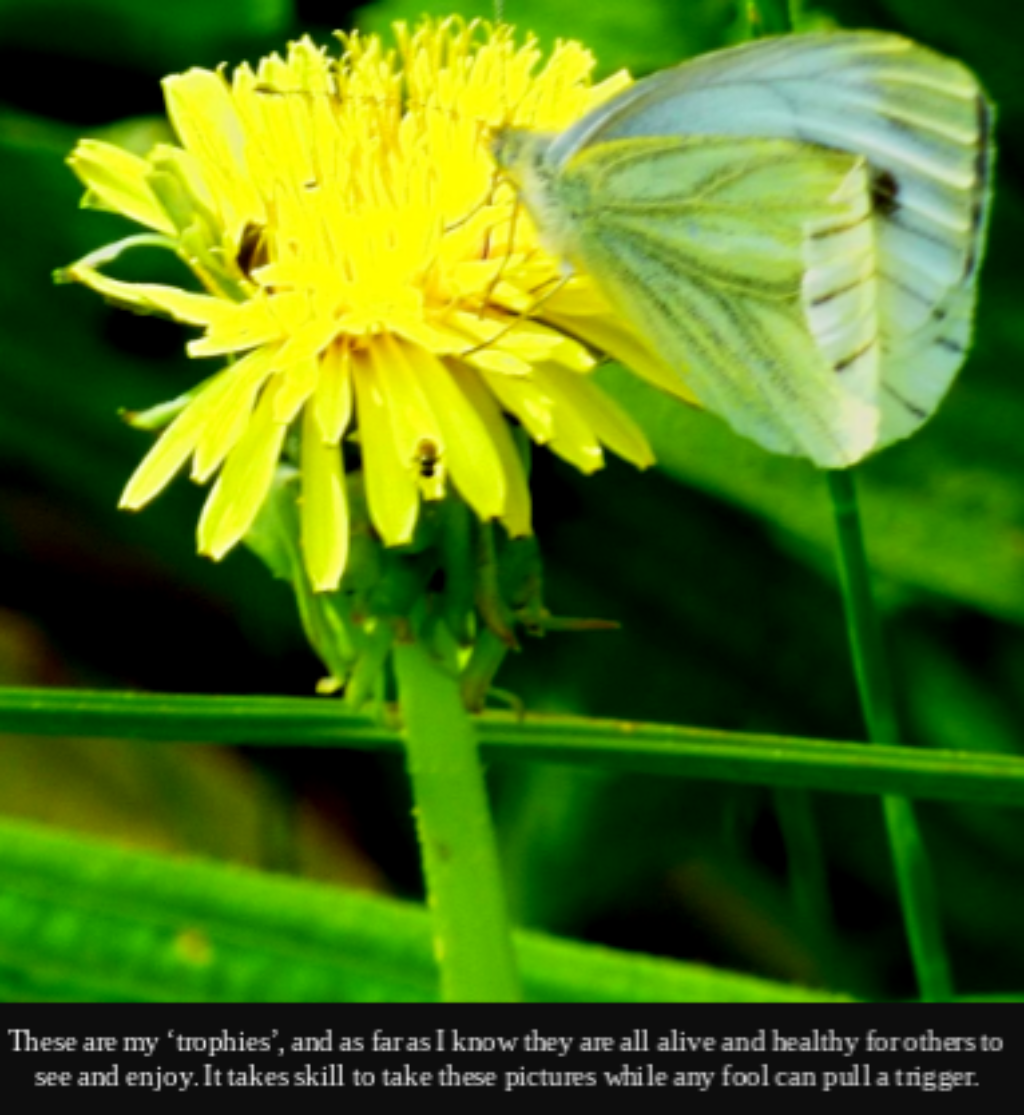
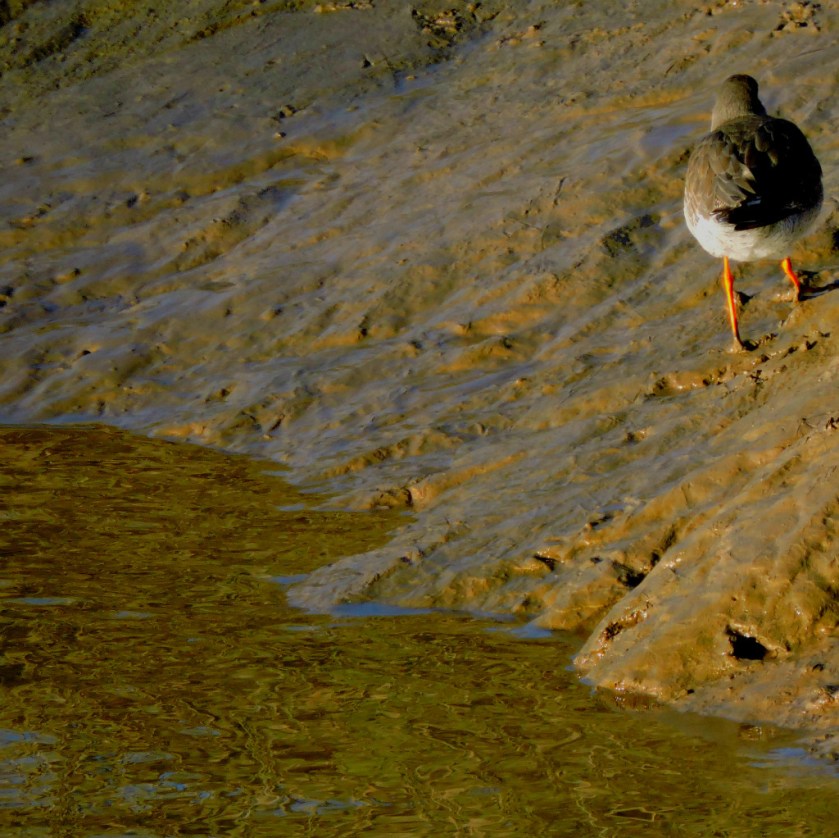
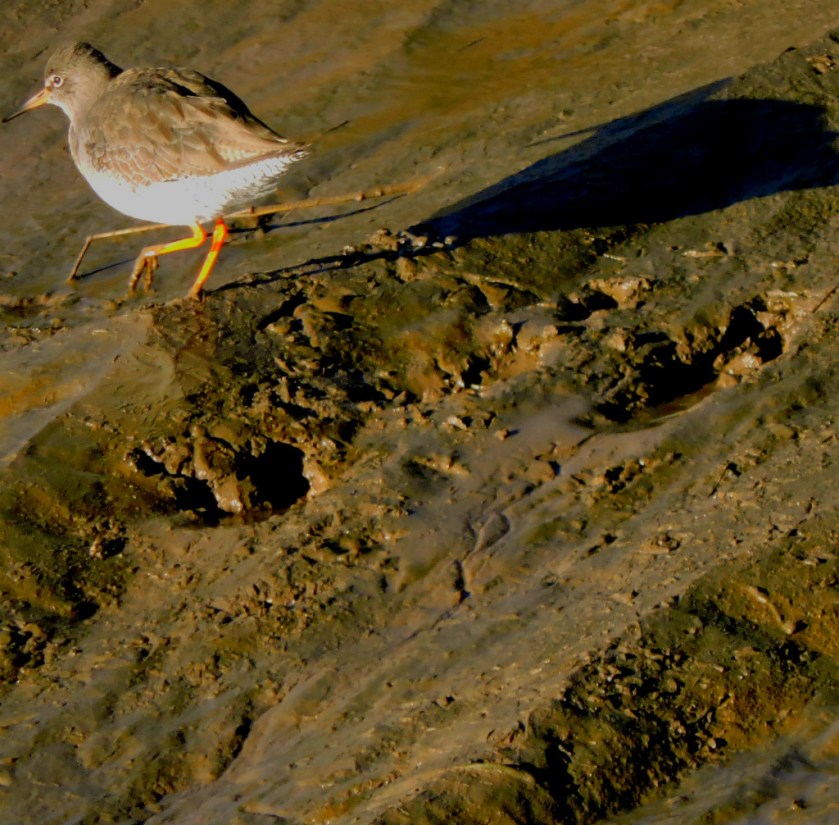
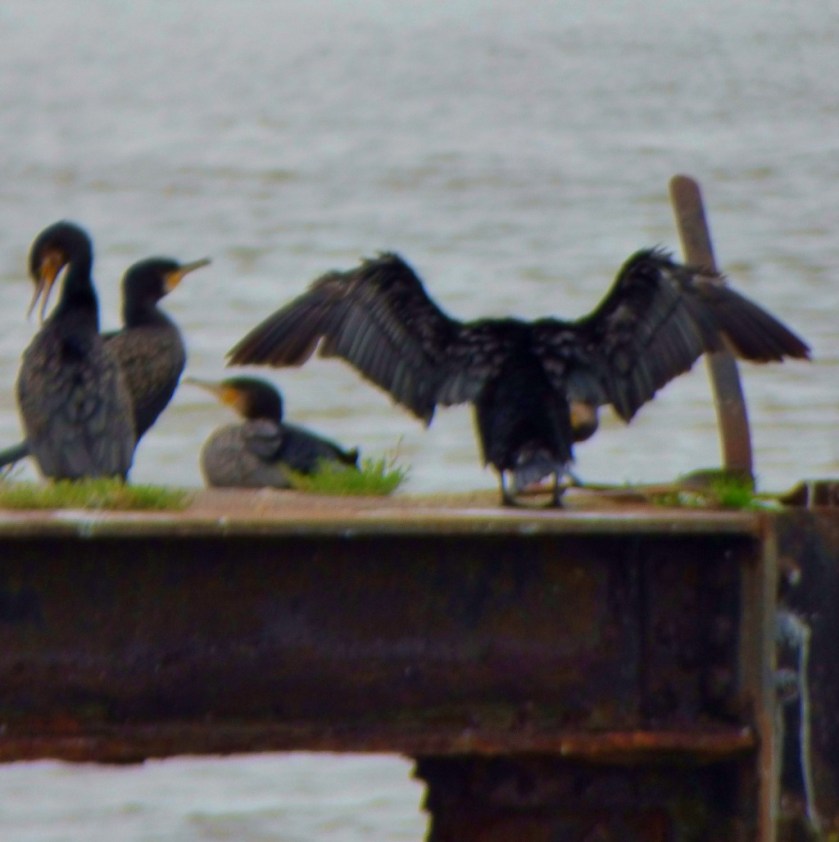
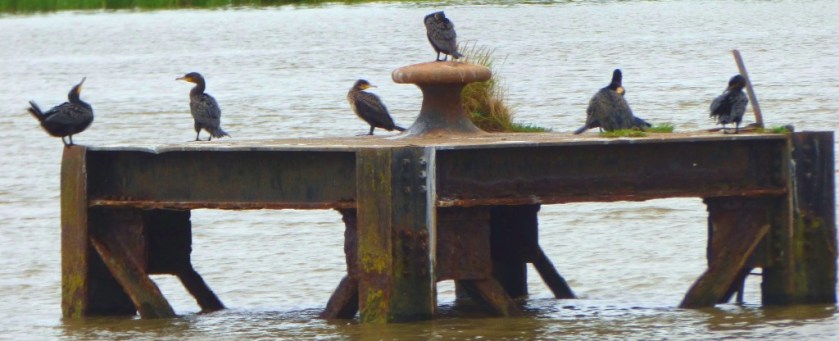
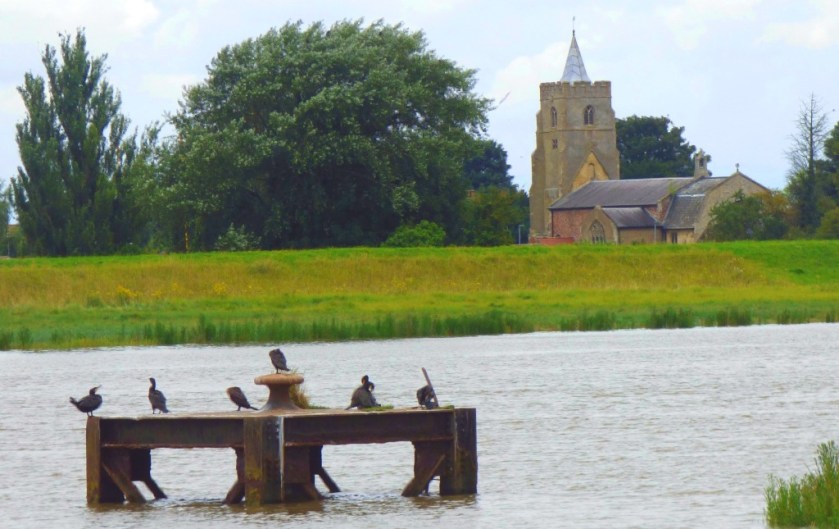
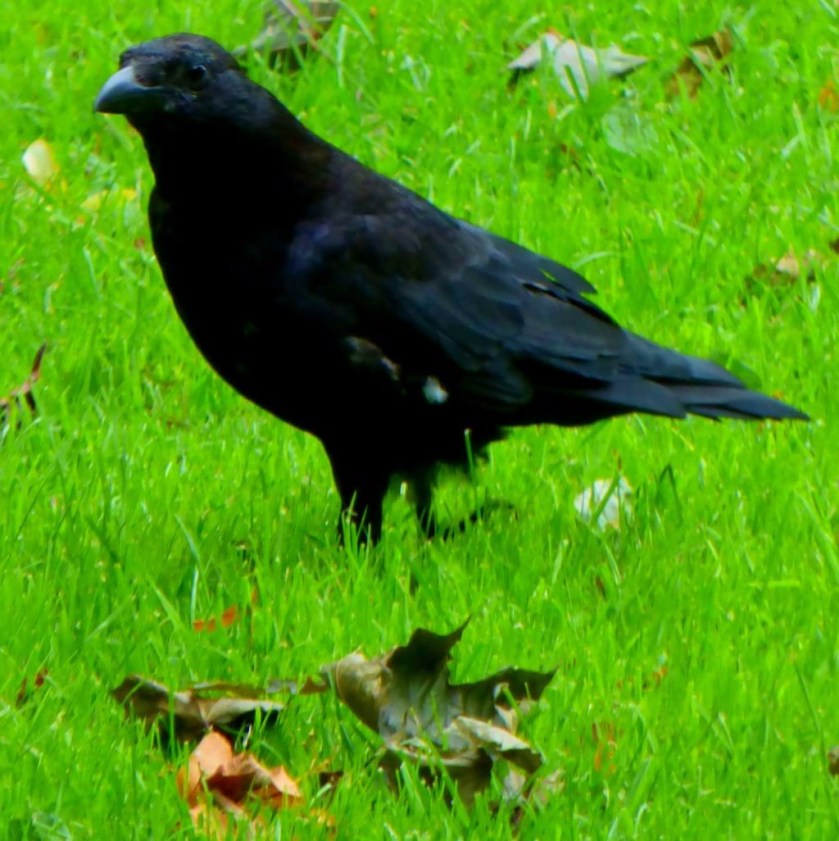
I choose to mark today by posting pictures of birds shot the only acceptable way – with a camera. Most of these are from this morning, but I am also including some older pics.
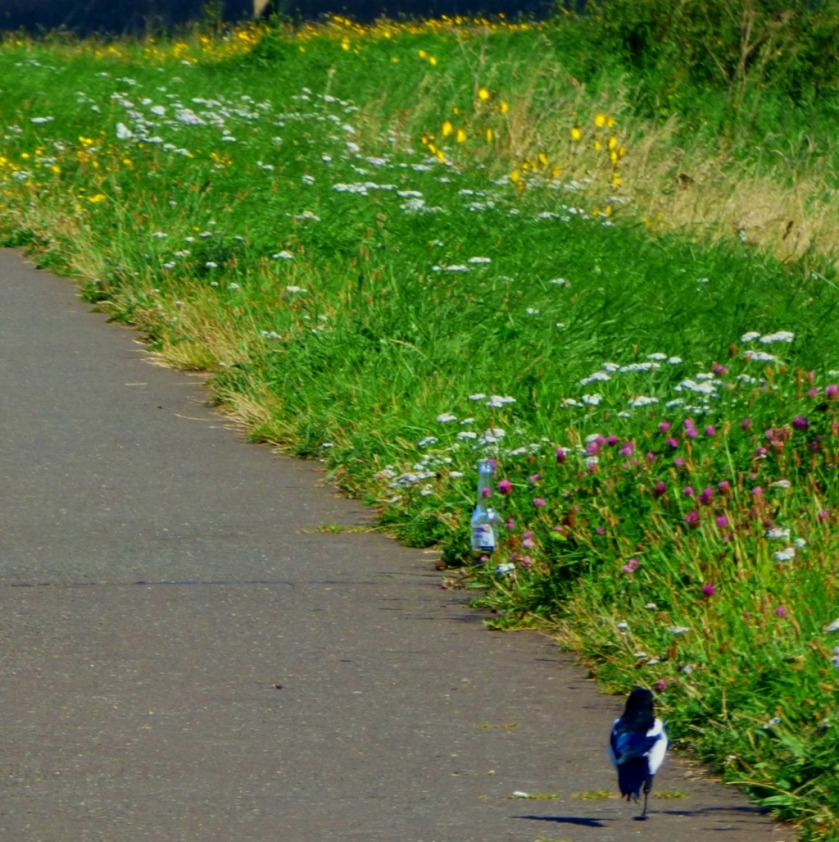
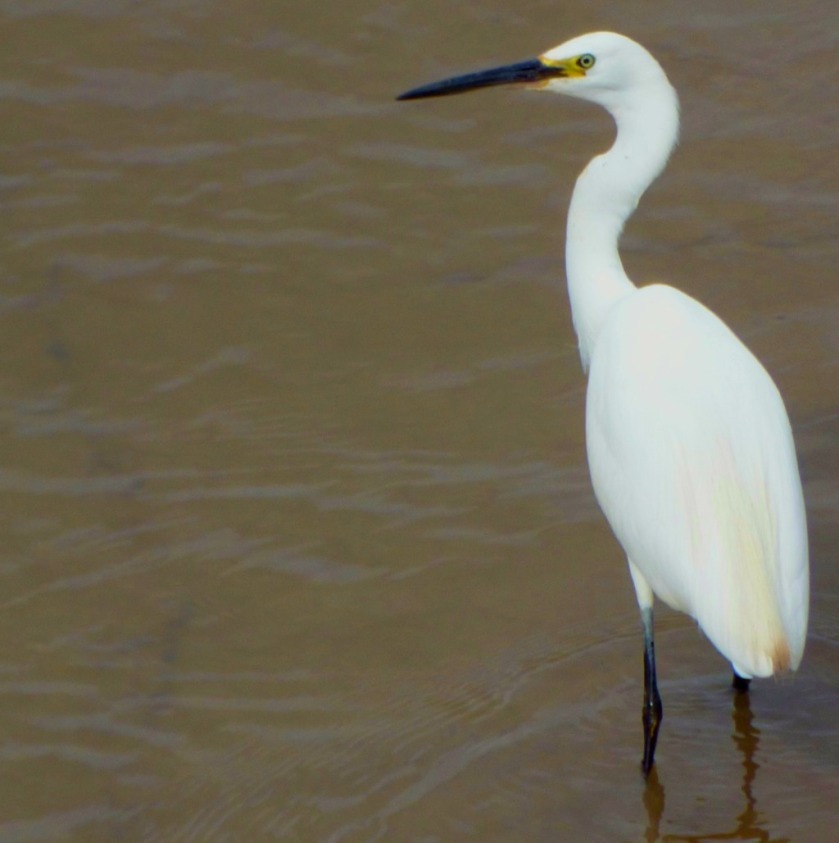
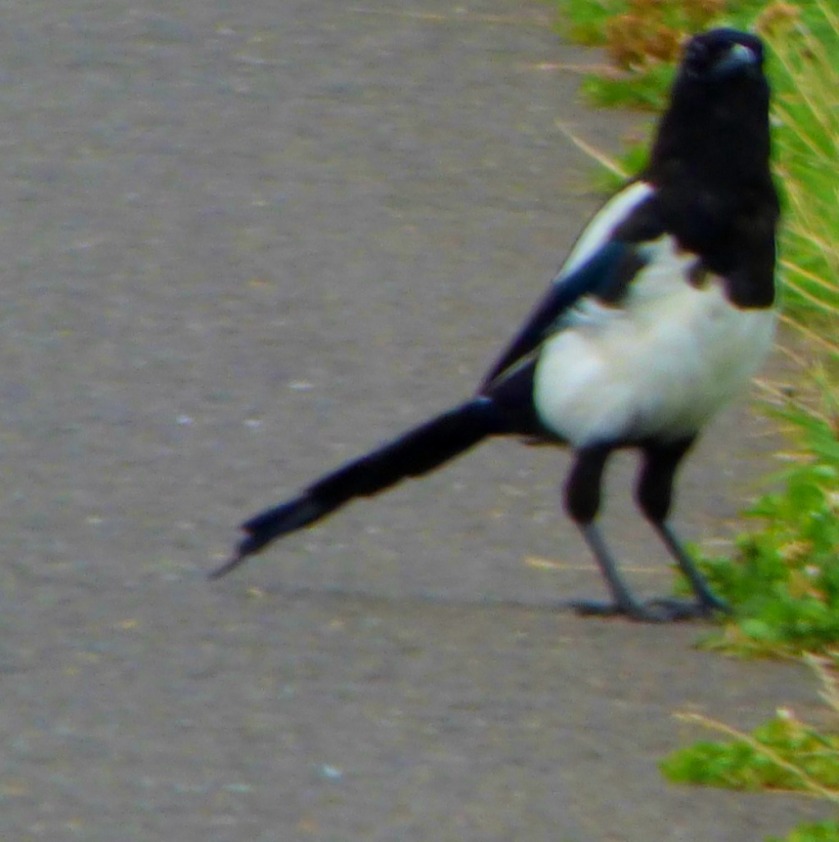
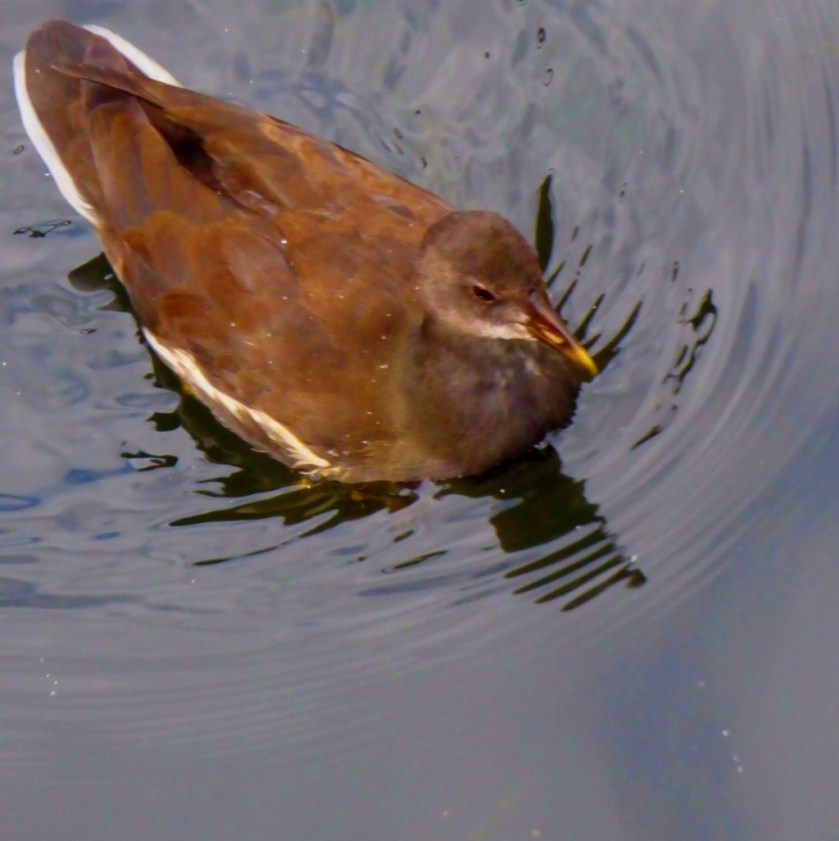
The Little Egret that featured a couple of weeks back.A magpie on the path alongside the Great OuseI was at the racecourse before my colleague arrived with a key, and this wagtail caught my eye while I was waiting.
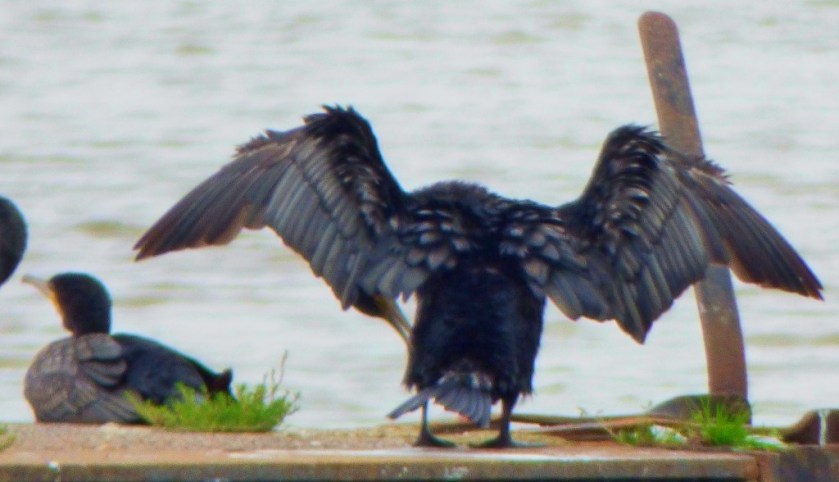
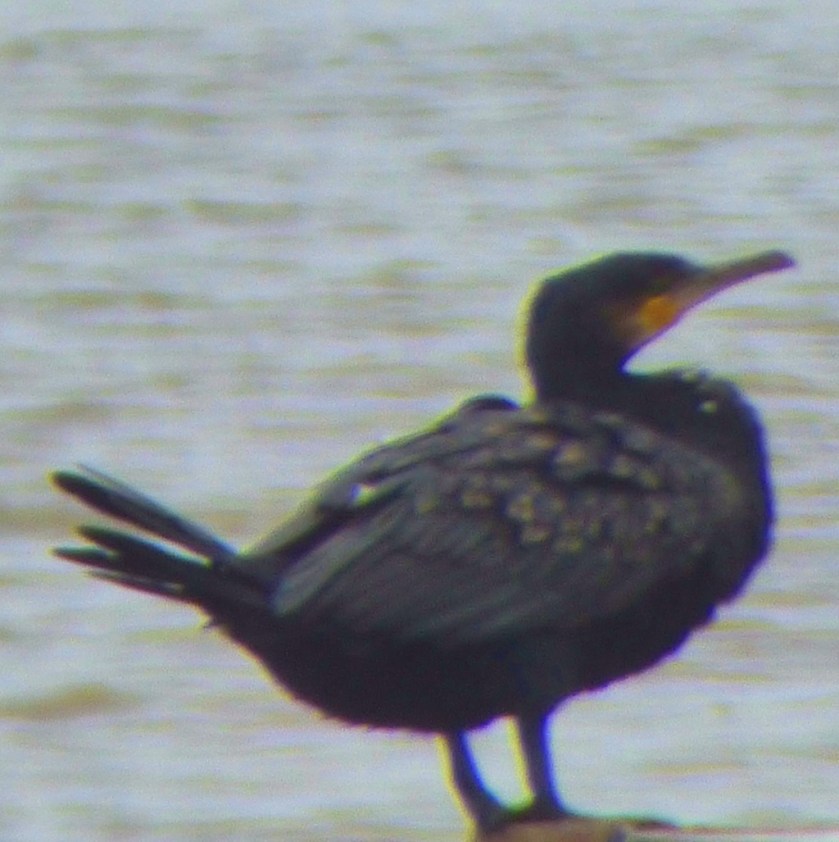
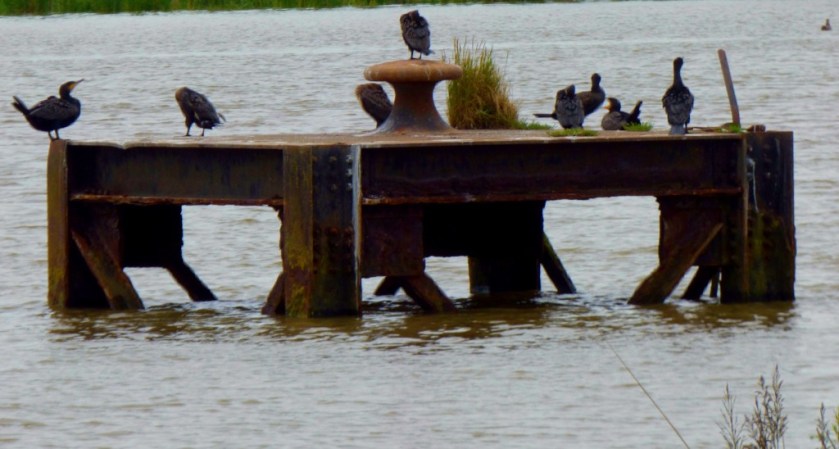
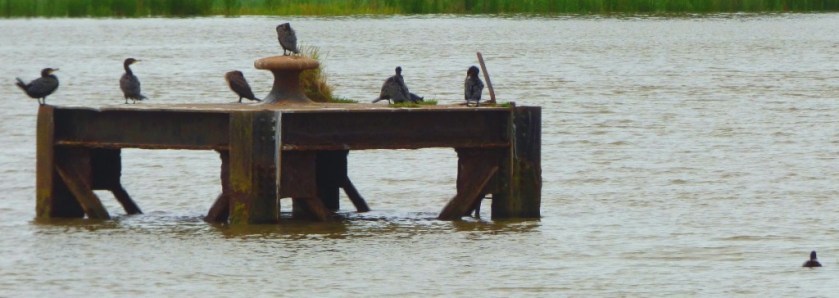
The first of the new pictures – this and the final cormorant pic are in their correct positions, but some of the rest of the cormorant series are out of order.
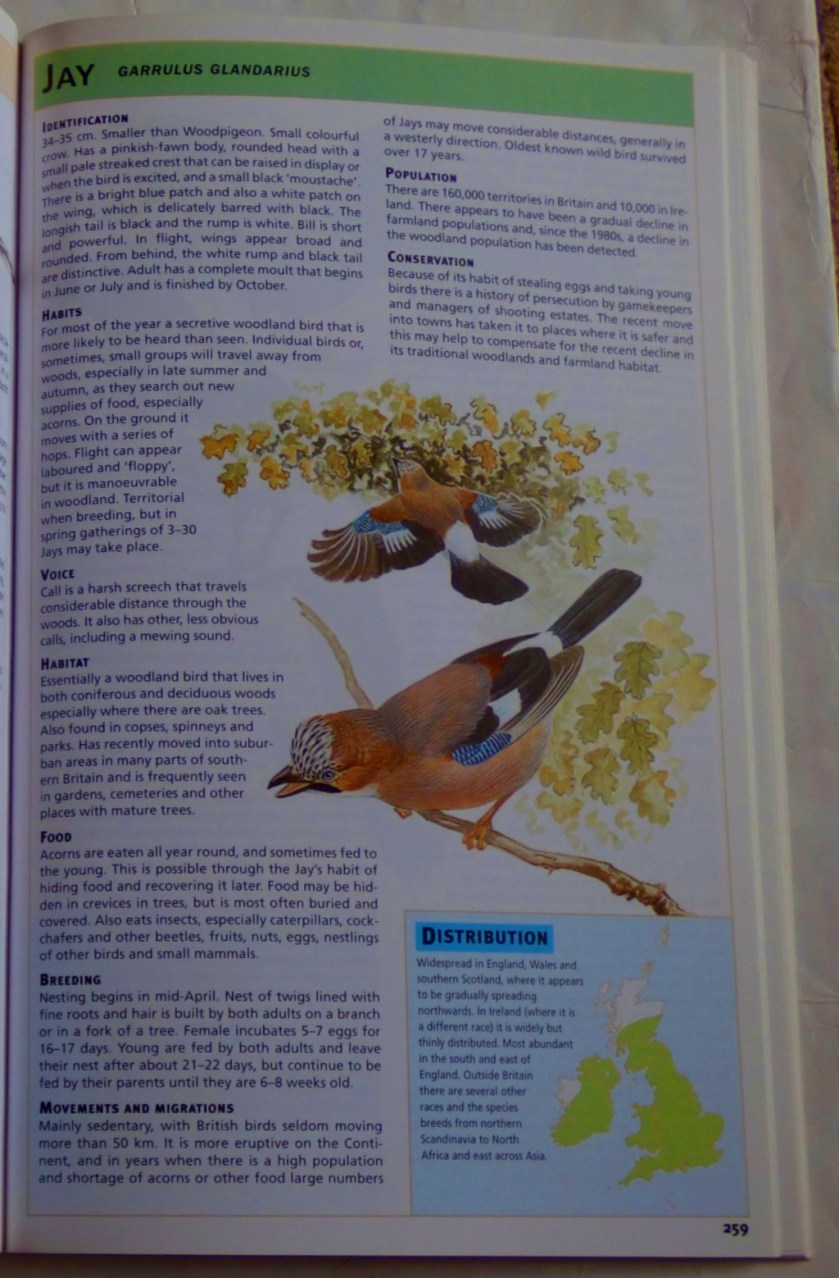
I finish with this Jay – two live photographs and the relevant page from my bird book.The close-up shot.





























 Steller’s Sea Cow holds the the world record for rapidity of extinction. Illustration from “Extinct monsters,” London: Chapman & Hall, 1896. Photo via Wikimedia Commons, licensed under CC BY 2.0.

































 aspiblog