An account of my stewarding stint on heritage open day.
INTRODUCTION
This post is the first of the detailed Heritage Open Day 2017 posts following on from the seriesopener. I visited the building that this post is dedicated to twice – first to familiarise myself with it, and then to spend two hours stewarding there.
THE STEWARDING EXPERIENCE
As I mentioned in the overview piece as I was stewarding alongside councillor Lesley Bambridge. All we knew when we started was that there were no visitor forms left for people to fill in, and that the basic rule was that if a door was open the room was accessible, otherwise not. Additionally, although it was possible to climb the staircase from ground to first floor there were no open doors on that floor, and above the first floor were private flats. We were three-quarters of the way through our stint when we discovered that we were supposed to be keeping count of visitors. From the moment we started keeping count we recorded 61 people coming in, which multiplied by four gives 244 people, which I rounded down on our tally sheet to approximately 240. Multiplied by three for the whole day this gives about 720 people coming in, and this was one of the more minor attractions.
That number of visitors also serves to explain why those two hours took quite a lot out of me – that scale of personal interaction is no joke for an autistic person.
I have put myself down to volunteer again next year, and look forward to doing it again.
27 KING STREET IN PHOTOGRAPHS
I took some photographs on my preliminary visit and had occasional opportunities while stewarding as well.
The official info sheet (there were three copies strategically positioned within the building).
This was the first of four internal and two external shots I took of this feature. Does this feature have a name other than my own “Ellipsoid Skylight”.
Externally it looks like a greenhouse roof.
The little white rectangle on the front centre of the desktop is the A4 size info sheet.
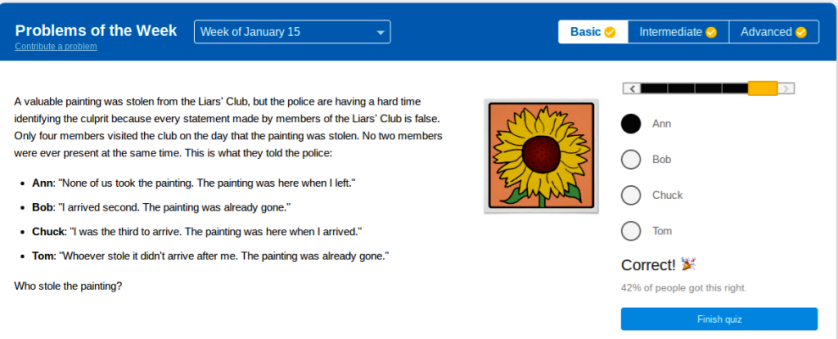
An overview of Heritage Open Day 2017 and the solution to a mathematical problem.
INTRODUCTION
Yesterday was Heritage Open Day in KIng’s Lynn, and as readers of this blog will know I was one of the volunteers helping to run the event. This post is a scene setter, giving an overview and indicating which parts of the day I will be giving individual posts to later on. At the end of this post I will include the answer the puzzle I posed at the end of my previous post.
STARTING THE DAY
I was going be stewarding at 27 King Street from 12 until 2, and knowing that I would find that experience a draining one I decided to see a handful of places before 12. The first place I visited was the one I had marked down as “must see”, because it was probably the only time the opportunity would be there do so –
NO 2 HAMPTON COURT
This property being currently vacant and of considerable historic interest it was open, and within was a little local history exhibition as well as the place itself. I will be giving this a dedicated post, so here for the moment is a single picture to whet your appetite:
I decided to head for King Street by way of the river front, and between this property and the river front is…
THE SECRET GARDEN
I knew that my aunt would be running things in this garden, so a quick visit seemed in order.
When this was first built those arches fronted directly on to the river.
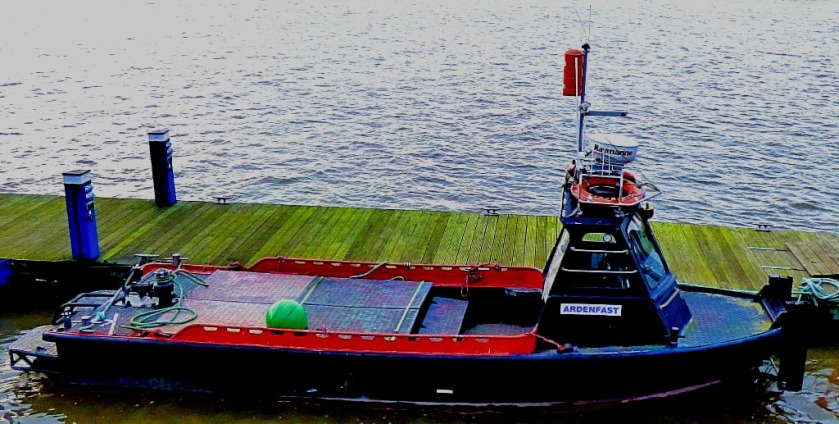
The main attraction (especially as the cockling boat Baden Powell was absent) down at the river front was, as on previous occasions…

THE IFCA RESEARCH VESSEL
IFCA stands for Inshore Fisheries and Conservation Authority, and their remit is to insure that population levels of sea creatures living within six nautical miles of the shore do not decrease too dramatically. I will be creating a dedicated post about this, so I offer this picture as bait…
My plan on leaving this vessel was to…
PAY A PRELIMINARY VISIT TO 27 KING STREET
I deemed it sensible to familiarise myself with the building that I would be stewarding, so that was my next port of call. As I was at the river front I decided to go by way of the Lower Purfleet, where there was sure to be something interesting happening…
The first three pictures were taken on my out from my flat, before we get to stuff from the section between the river and King Street.
THE TUESDAY MARKET PLACE AND ENVIRONS
After my preliminary look around No 27 King Street I had half an hour to spare, so headed in the direction of the Tuesday Market Place. I paid calls at three buildings in that area, Bishop’s Lynn House, St Ann’s House and St Nicholas Chapel before heading back to no 27…
VOLUNTEERING AT 27 KING STREET
I arrived back at no 27 a few minutes early. My fellow steward for the 12PM to 2PM slot turned out to be veteran councillor Lesley Bambridge. As I will be writing a dedicated post about this I will say no more here. For a picture, here is a quirky architectural feature:
I have never seen a skylight shaped like this – for the moment until I get more information I will call it the Ellipsoid Skylight.
A CLUB ON FERRY LANE
After finishing at 27 King Street I made my next port of call the Ouse Amateur Sailing Club, where I consumed a pint. After that I decided it was time to call it a day as I was unsurprisingly feeling ‘peopled out’ – 27 King Street attracted a lot of visitors while I was there. Here is a picture taken while at the club:
This is the view looking downriver from the club’s terrace.
There at least three areas of mathematical knowledge that would give you an ‘in’ to this one – logarithms, compound interest and Pascal’s triangle. Since I have some knowledge of all three this problem barely brought a crease to my brow. Here are a couple of good solutions from others:
The second solution I am sharing here had a particular appeal to me:
Just to finish, the exact power (in terms of positive integers) of 101 that is the the first to begin with a number other than 1 is 70, and 101 ^ 70 runs to 140 digits.
Jimmy Anderon’s 500th test wicket, some links, some puzzles and some photographs.
INTRODUCTION
As well as the title piece this post will feature links, pictures (items that will be going under the hammer at the end of September principally) and puzzles – including answers to a couple.
ANDERSON JOINS 500 CLUB
As predicted by me in a previous post the third and final test match of the England v West Indies series has featured a moment of cricket history as James Anderson duly collected his 500th wicket in this form of the game. Among bowlers of anything other than spin Glenn McGrath leads the way overall with 563 (off-spinner Muralitharan’s 800 for Sri Lanka is the record, followed by leg-spinner Warne’s 709 for Australia). The two spinners have set marks that are not realistically within Anderson’s grasp but the 563 of McGrath is well and truly catchable.
The historic moment came near the end of play yesterday, in the West Indies second innings (btw as I write this Anderson has increased his tally to 504) and it was a dismissal worthy of the occasion. He was denied in the West Indies first innings not by their batting (they managed a meagre 123 all out) but by a remarkable spell from Ben Stokes who finished that innings with figures of 6-22 – a test best for him. England led by 71, which looks like being decisive – the top score coming from Stokes (60). This combination of circumstances leads to me to finish this section with a raft of predictions/ hostages to fortune:
The Brian Johnston champagne moment – James Anderson’s 500th test wick – 100% certain whatever happens in what is left of this match!
Player of the match – Ben Stokes barring miracles.
Player of the series – Ben Stokes – 100% nailed on.
Match and series results: England win and take the series 2-1 – West Indies have just been dismissed for 177 in their second dig leaving England 107 to win – Anderson a career best 7-42 taking him to 506 test wickets.
LINKS
I am grouping my links in categories, starting with…
AUTISM
Just two links in this subsection, both from americanbadassactivists and both concerned with that hate group masquerading as charity Autism Speaks, or as Laina at thesilentwaveblog calls them A$.
With the unprecedented sight on weather maps of America and the Caribbean of three hurricanes poised to make landfall simultaneously (by now one of those, Irma, is already battering Cuba), A C Stark has prodcued a very timely piece whose title “Climate Change: The Elephant in the Room” is sufficient introduction.
This subsection closes with links to two posts from Anna. First we have Part 7 of her series about Butterflies in Trosa. The other post features a link to a video of a swimming sea eagle (only viewable on youtube) and a picture taken by Anna in which 11 sea eagles are visible.
My remaining four pieces concern a single individual who is widely tipped to be the next leader of the Conservative Party. It is this latter fact which has exposed him to intense scrutiny, resulting in the following collection about…
JACOB REES-MOGG
To set the scene we start with Richard Murphy of Tax Research UK’s piece simply titled “Jacob Rees-Mogg“.
The second and third pieces in this sub-subsection both come courtesy of the Guardian:
Harriet Harman, referring to comments of his about how even though he is the father of six children he has never changed a nappy labels him as a “Dead-beat dad“.
My final piece comes courtesy of the Skwawkbox. It is titled “MOGG: “DENY ABORTION TO RAPE VICTIMS”. PHILLIPS: “LET’S DO CHELTENHAM!”” referring simultaneously to one of the more odious statements to have emerged from the ‘honourable member for the 18th century’, and Jess Phillips’ friendship with him. The body of the piece fleshes out the difference between the Phillips approach and the more forthright approach of new MP Laura Pidcock.
A SEGUE LINK – A QUIZ
With apologies to those of my readers whose first language is not English, and who therefore cannot take on this quiz, I offer you courtesy of quizly a test on one of the biggest sources of grammatical mistakes in English, safe in the knowledge that my own score in said quiz can be equalled but not beaten:
PUZZLES
I appended a question to a link that featured the year 1729 in a recent post. This was the question:
The puzzle I am attaching to this is: which two famous mathematicians are linked by the number 1,729 and how did that link come about?
The two famous mathematicians linked by the number 1,729 are G H Hardy and Srinivasa Ramanujan. The link came about when Hardy visited Ramanujan in hospital during the latter’s final illness and mentioned the number of the cab in which he had travelled – 1,729 and went on to suggest that this was a very dull number. Ramanujan said in response “No Hardy, it is a very interesting number, the smallest that can be expressed as the sum of two cubes in two different ways”.
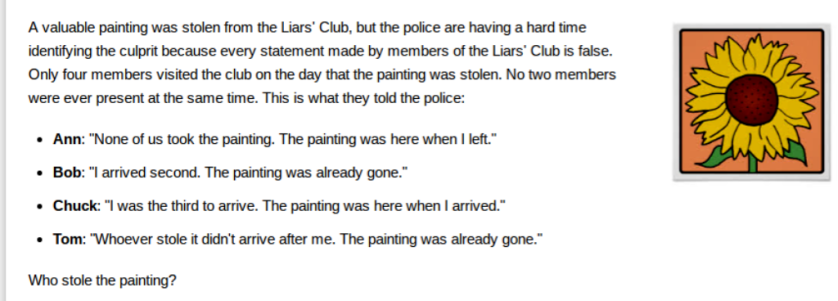
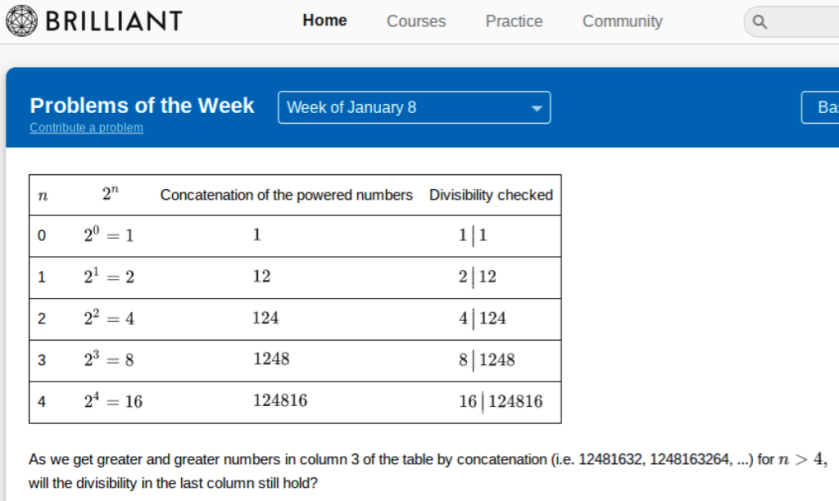
The other puzzle I set in that post was this one from brilliant:
If the statement on door 1 is true, then the treasure is behind door 2, which makes the statements on doors 2 and 3 both false = not acceptable.
If the statement on door 2 is true then the treasure is behind door 3, which makes both the other statements false = not acceptable.
If the statement on door 3 is true, then the statement on door 1 could also be true, making the statement on door 2 false – this scenario is acceptable.
Thus we open door 2 and collect the loot.
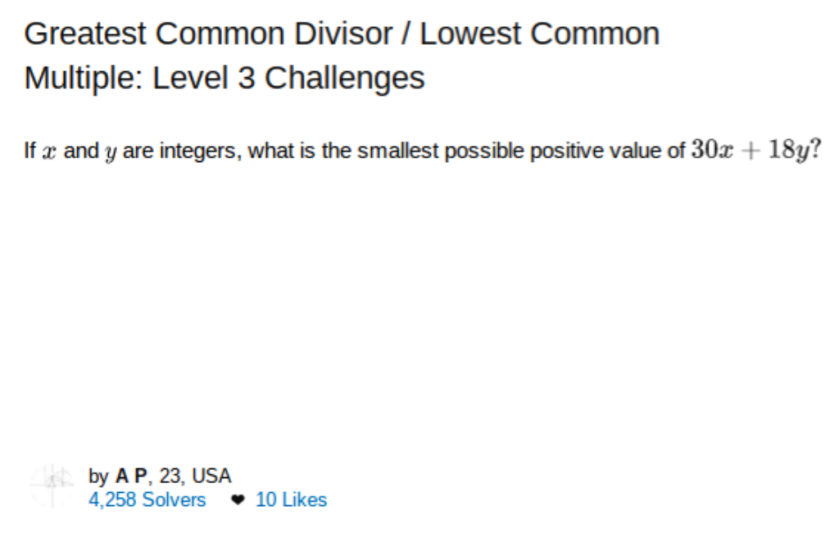
I finish by setting you another puzzle, again from brilliant, the 100th and last problem in their 100 DayChallenge, and a cracker:
Don’t be intimidated by that maximum difficulty rating – it is not as difficult as the creators thought. Incidentally you still have a couple of days to answer the problems properly on that website should you choose to sign up – although it would be tough to them all in that time!
PICTURES
This is lot 1 in our next sale – the first of 200 lots of old military themed postcards. Can you guess which of the lots pictured here is on my radar as a potential buy?Lot 329 (four images) – a fine volume when new but this copy is in terrible condition.
Lot 340Lot 347 (two images)
Lot 341 (six images)
I picked up this coin in change at Morrison’s today and I took two photos of it, both of which I offer you to finish this post (it is only the Reverse that makes it interesting – the Obverse is the usual portrait of ludicrously over-privileged old woman).
An account of the rescheduled James and Sons auction which happened yesterday.
INTRODUCTION
Followers of this blog will be aware that the second James and Sons August auction had to be postponed. Yesterday, at James and Sons own premises, 5 Norwich Street, Fakenham NR21 9AF was the appointed time and place for the rescheduled auction. We could not display all the stock in the limited space of our shop, so only small items made it downstairs. What follows is in account of my day and of the auction.
BEFORE THE BEGINNING
Some preliminary testing was done on Thursday to help ensure that the auction ran properly. On the Friday I caught the first bus of the morning into Fakenham. I was thus at the shop at about 7:10am, and after making a cup of coffee, getting my computer switched on and checking my emails I had a little time to spare before anyone else would be arriving, so I photographed some maps that will feature in the first of our end of September auctions. At 7:45AM I headed back downstairs, switched the downstairs lights on to acknowledge my presence to the world and was ready for action. Here are some photos from this period…
This route map can be seen at the bus stands on Oak Street, Fakenham
From here until the picture of the two computers are pictures relating to auction layout and setup
The light was wrong for capturing these Beatrix Potter coins – the sun was shining directly on them.
The IT setup – the silvery computer is the master machine,, and is open on the operator screen, with my notepad, pen, catalogue and ersatz coaster (formerly the back cover of a notepad) in front of it, along with my bidding paddle. Note also the camera attached to to the other machine and positioned to focus on the auctioneer, and the brand spanking new mic in the middle.The maps – this is lot 538, and although I only got up to lot 545 there are maps from this series up to lot 600, and then a few more will feature in the third and final auction of the end of September series, with lot numbers in the 1500s. I will be imaging the rest on Tuesday.
A TESTING BEGINNING
Because of the circumstances of the auction there was a button I had to press called ‘repush bidders live’ when preparing for the start of the auction. Additionally, the auctioneer had decided to start at lot 921 instead of the official lot 924, which meant that I had to manually re-offer those first three lots before the system got back in sequence. A reset request from atgmedia also contributed to a slowish start. However, once this was all dealt with the auction proceeded smoothly.
THE AUCTION AND CLEAR-UP
The militaria fared well, the antiques and bygones far better than I had expected, while the records and books were predictably quiet. Then we got into the ephmera, for which section I had two plans, as follows:
If lot 1415 was available at a price within my means I would get that and my interest as a potential buyer would terminate.
If plan 1 failed then I would try my luck with lots 1422 and 1428, with a fair degree of confidence of getting them. Lot 1422 (four images)
Lot 1428
In the event the starting price for lot 1415 was too high for me (I had decided that I would come in at £25 but not if more was required, and the auctioneer wanted £30), but I was successful with plan 2, getting each item for £10.
Some of the framed prints sold as well, which is all to the good. Lot 1600, the last item in the sale went under the hammer at about 2:20PM, and once I had accomplished as much of the clear-up of the IT stuff as was possible (typically, the laptop we used as the master computer decided that before shutting down it needed to install a load of updates, so I had to leave it where it was, though now unlugged and running on battery).
After consuming my sandwiches I was able to get away, having had a tiring but very satisfying day.
A puzzle based on a blog post, a solution to an old puzzle, another puzzle from brilliant and some photographs
INTRODUCTION
Earlier today I put up a post titled “About Autism“, and because that post contained so much stuff this post is going to be much smaller – and with only a few links, all in one way or another puzzle connected.
DERIVING A PUZZLE FROM A BLOG POST
Esterput up a post titled “Year 1729“, which featured the image below:
The puzzle I am attaching to this is: which two famous mathematicians are linked by the number 1,729 and how did that link come about?
Some important autism themed pieces and a few of my photographs.
INTRODUCTION
I have several important links relating to autism to share with you, and I urge you to continue that sharing process. Just to remind my readers I am#actuallyautistic, and also branch secretary of the National Autistic Society’sWest Norfolk branch, and in that latter capacity I will conclude this introduction by reminding you of NAS’s catchline:
UNTIL EVERYONE UNDERSTANDS
A NOTE ON ATTRIBUTIONS
I found some of these pieces by way of people other than the original author. In such cases as well as crediting the actual author I also intend to mention the person who gave me the tip off. If you seen an underlining anywhere it is a link, and those links that are body text will be in a colour other than black to further highlight them.
This piece was brought to my attention when the Neurodivergent Rebel reblogged it. It is a long piece, but very readable and absolutely bang on the money. The list itself is too long to quote here, but the screenshot below which explains the problems that the post goes on to address brilliantly is a good start:
THE LEFEVER BIKE RIDE
Paul and Jamie Lefever recently undertook a sponsored cycle ride from King’s Lynn to the National Autistic Society’s HQ in London, a distance of 118 miles. A full account, under the title “11-year-old Jamie cycles 118 miles for our charity (4 September 2017)” is available on the NAS website.
ABA THERAPISTS BUSTED
This piece, written by Amy Sequenzia, a well known autistic person and advocate for autism, was originally posted on the autismwomensnetwork under the self explanatory title “ABA Providers Making Fun of Autistic People“. I include a graphic from this post below:
Image is a photo of a group of human figure-shaped wooden pegs clustered to the left and a single wooden peg standing off to the right. Text says, “It is about how ABA “therapists” REALLY see Autistics. It is about them making fun of us because they see us as broken and hopeless. -Amy Sequenzia, autismwomensnetwork.org”
As always, I end this post with some of my own photographs:
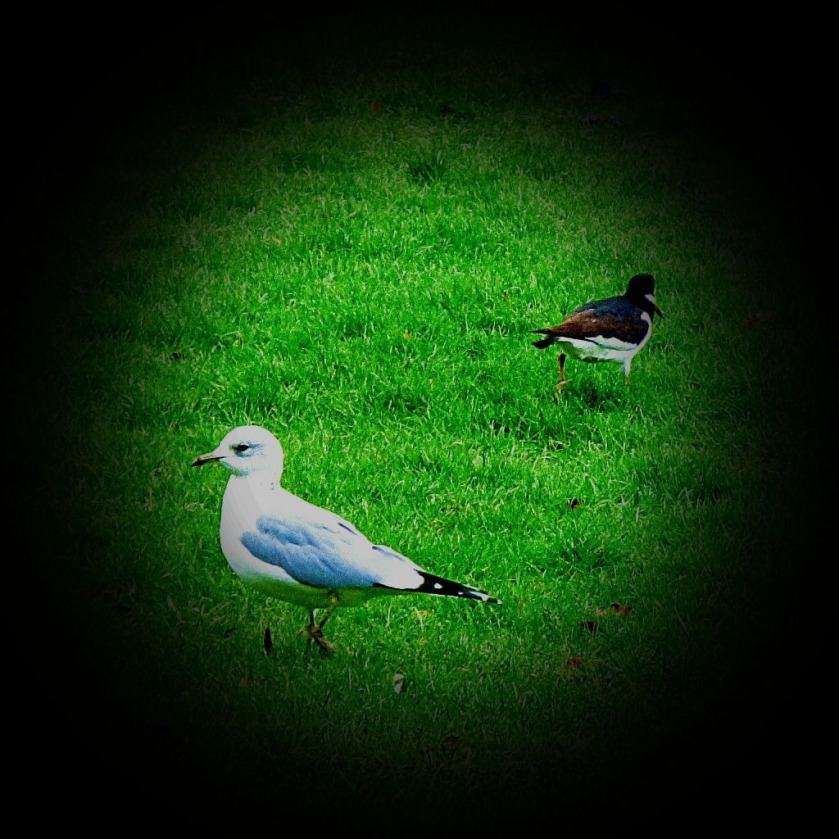
The pigeon in the background helps to show how tiny this wagtail is.
No I have not rotated this shot – the squirrel really is on a vertical tree trunk.
This shot shows Hanse House and the Rathskellar, the latter of which is hosting a charity beer festival this weekend.
I was due to steward at 11-13 King Street between 12 and 2PM on Heritage Open Day, but this has now been changed to 27 King Street, which is this fine building.
The Eastern Inshore Fisheries and Conservation Auhtority.The cockling boat Baden Powell and a Fisheries Research vessel.
Various links as indicated by the title of this post, the solution to one problem and a new problem. All topped off with the some photographs.
INTRODUCTION
This post features links, puzzles and pictures. The title refers to the subjects officiallly covered within the post.
A NEW AUTISM RESOURCE
The Neurodivergent Rebel has produced a post that could become a goldmine. Titled “Web Resources” she describes it as a growing list and ends the post with this:
If you can think of anything to help the Neurodivergent Rebel expand this list please use the quote out above, which if you click on it will open up an email message addressed to her which you can then complete.
The second piece concerns the make up of the Labour Party’s National Executive Committee – the detail contained in the title “EXCL: PRO-CORBYN ASLEF, FBU TO TAKE NEC SEATS” means that at least for the present, and for the very first time, the NEC will have a pro-Corbyn majority. Here is an ASLEF related picture:
The solution is 96% + 96% of 4%. 96% of 4 is (4 x 96)/100 = 3.84. 96 + 3.84 = 99.84, os the answer is that if the death rate in surviving species had been the same as the overall extinction rate then 99.84% of all living things would have died in that event.
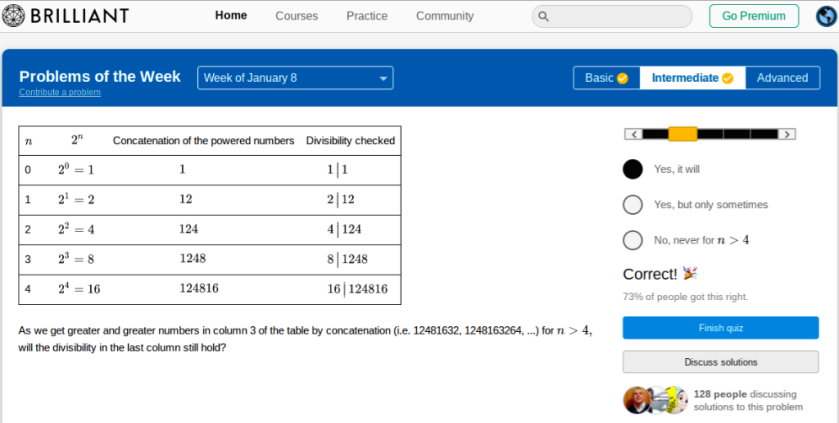
For my next puzzle I turn once again to Brilliant and offer up the following:
I will probably provide a solution on Wednesday.
PHOTOGRAPHS
Nar Valley Park – this development is now approaching completion.
The next four pictures were taken on Thursday night – I had been acting as stand-in host on my aunt;s behalf, welcoming an airbnb guest to her house, and it was getting dark as I returned.
I västra Trosatrakten och Tureholmshalvön går det fortfarande att beskåda ett rikt fjärilsliv. Ingrid Benson har lånat ut några av sina fjärilsbilder, som hon tagit på alla möjliga slags fjärilar som dykt upp framför kameran.
Det är roligt att fotografera och gå på fjärilsjakt. Har du väl börjat går det inte att sluta låta ögonen scanna efter fjärilar. Lite som att gå i svampskogen, fast med fjärilar som sökobjekt istället. Prova får ni se. Öppna ögonen och försök att zooma in fjärilarna med kameran. Det går att stå ganska långt ifrån och ändå få tydliga bilder. Se till att försöka fånga både över- och undersida på fjärilsvingarna. En mängd arter avslöjar sin tillhörighet endast genom en kombination av över- och undersida. Många arter är mycket lika varandra och då kan över eller undersida skilja dem åt.
In west Trosa and Tureholm peninsula there´s lots of butterflies to discover. Ingrid Benson
some thoughts about the recent test match between England and the West Indies, declarations and umpires.
INTRODUCTION
This post is devoted the second test match of the current England versus West Indies series, which ended at about 6:45PM on Tuesday.
THE EARLY EXCHANGES
England batted first and reached 258 only because Ben Stokes(100) and Joe Root (59) were reprieved early in their innings by bad West Indies fielding. Kraigg Brathwaite(134) and Shai Hope (147) were the cornerstones of a the West Indies response, which eventually reached 427, a lead of 169. In the second England innings no-one reached three figures but there were solid efforts all the way down the line, and at 490-8 Joe Root decided to declare and give the West Indies a little session of batting just before the close of the fourth day.
THE FINAL INNINGS
The West Indies made it to the close of the fourth day without losing a wicket. Brathwaite made 95 in this second innings, coming within five of becoming the first batsman ever to score twin centuries in a first-class match at Headingley (and this was the 534th such fixture at the ground), a feat that was finally achieved by player of the match Shai Hope, who also received support from Roston Chase(30) and Jermaine Blackwood (a rapid 41 in the closing stages) who ended up 118 not out, and appropriately enough scored the winning runs.
There are two features that I am going to make specific comments about, starting with…
JOE ROOT’S DECLARATION
For all that the end result was not what he would have wanted I still say, as I said on twitter at the time, and again a day later when the result was imminent, that this was a good declaration, and that Root was entirely right to go for victory. I remember (though few others will as it was not actually a pafrticularly good match) the Australia v West Indies test match at Adelaide in 2009 when the West Indies were one match down in the series after being soundly defeated at the ‘Gabbatoir’ (a nickname for the Woolloongabba stadium in Brisbane, also known as the Gabba) based on what often happens to visiting teams there) but declined to declare, batting on into the final day. Australia faced a target of 330 off 81, and skipper Pontingdecided to settle for the draw rather than going after this target. By the end of the day there were not many people left in the ground (I know whereof I write – I was one of the few who did stay right to the end). I condemn Ponting for this decision to preserve his team’s 1-0 lead in the series rathwer than trying to make it 2-0, as also I condemn the decision of Ryan Ten Doeschate today to extend the Essex second innings into the final afternoon rather than make a serious attempt to win the matchby declaring at or even before lunch. PS when I wrote this paragraph I did not realise that Somerset’s “resistance” would be quite so utterly spineless – it now looks like Essex may get their victory after all.
While I do not quite as far as the legendary Sammy Woods (who played for Somerset in the lat 19th and early 20th centuries) who once responded to an enquiry about whether his team might have played for a draw in a game they ended up losing responded with “draws…they’re for bathing in” but I do not hold the draw in high regard and would much prefer a team take risks in the attempt to win than see them play safely for the draw. In the special case of a team being one match to the good going into the final match of a series I would condone a more cautious approach being taken, although Kevin Pietersen’smagnificent series clinching innings at The Oval in 2005 was hardly cautious!
To finish this section: Joe Root was justified in declaring when he did (as was David Gower at Lord’s in 1984 when the result was even more embarrassing for England, courtesy of a magnificent 214 not out from Gordon Greenidge), and this result stands to the credit of the West Indies batting, especially that of Brathwaite and Hope and not to the debit of Root’s declaration.
SOME SENSIBLE UMPIRING
According to the strict letter of the law play in a purely day game cannot continue if the floodlights are providing more light than the natural light. I congratulate the umpires in this match for not acting with Emeritus Professor of Biosophistry like pedantry and curtailing play due to the light, thus depriving the West Indies of their well-earned victory. There seems little doubt that the light was bad enough to have warranted taking the players off, but the umpires realised given the match situation was such that the players should be kept out there.
Here are a couple of links relating to this test match:
The final match of this series should be good, and almost certainly will feature a moment of history as James Anderson goes into it with 497 test wickets to his credit. Then England have the task of taking on Australia in Australia. This is a seriously tough task, but I think that this England squad can do it.
PHOTOGRAPHS
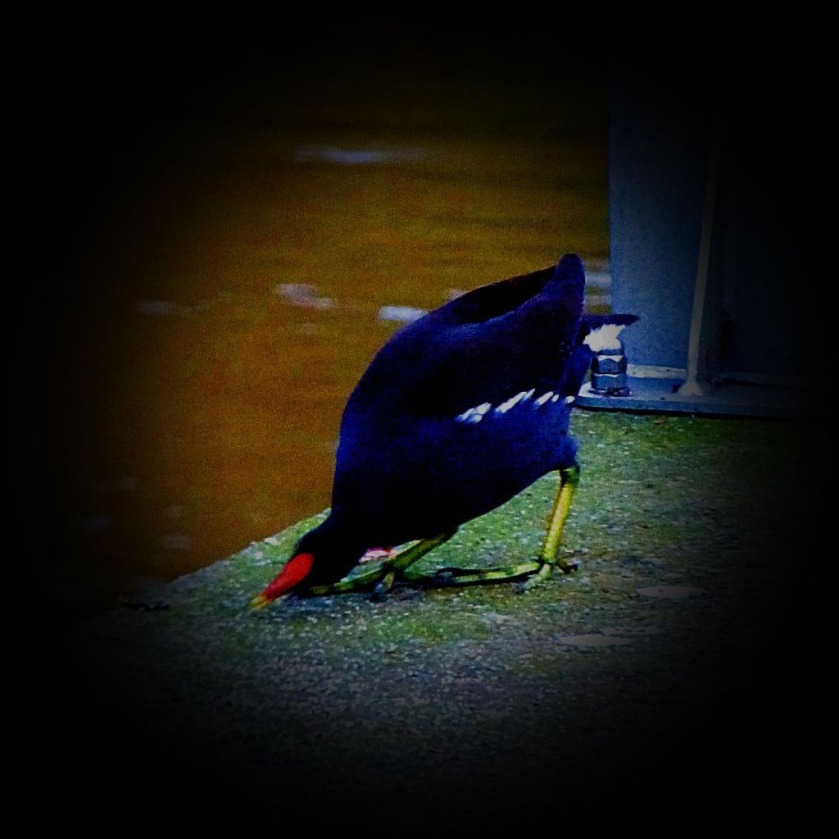
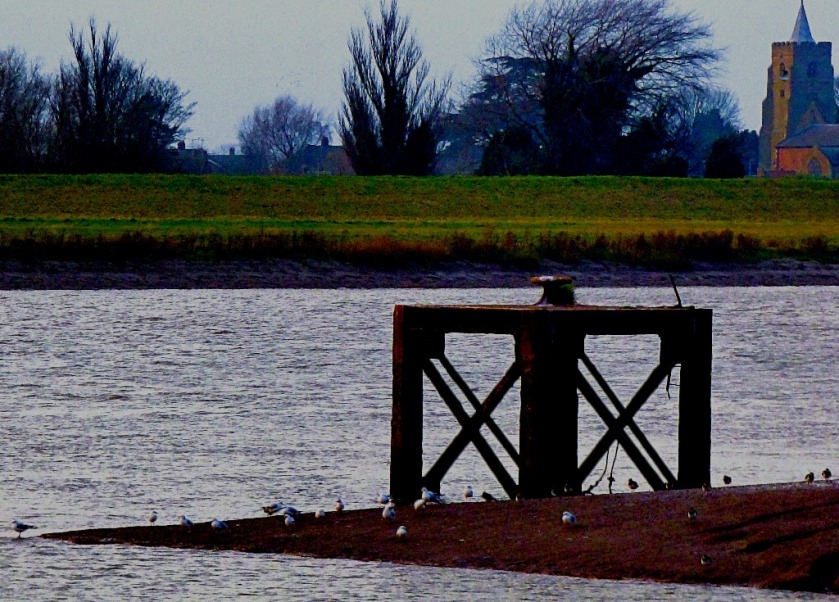
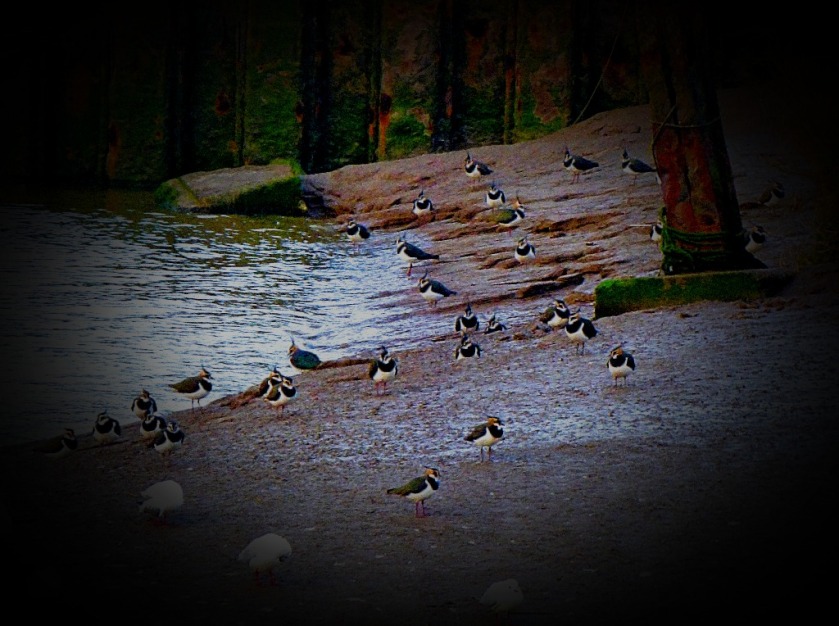
As always I end this post with some of my own photographs:
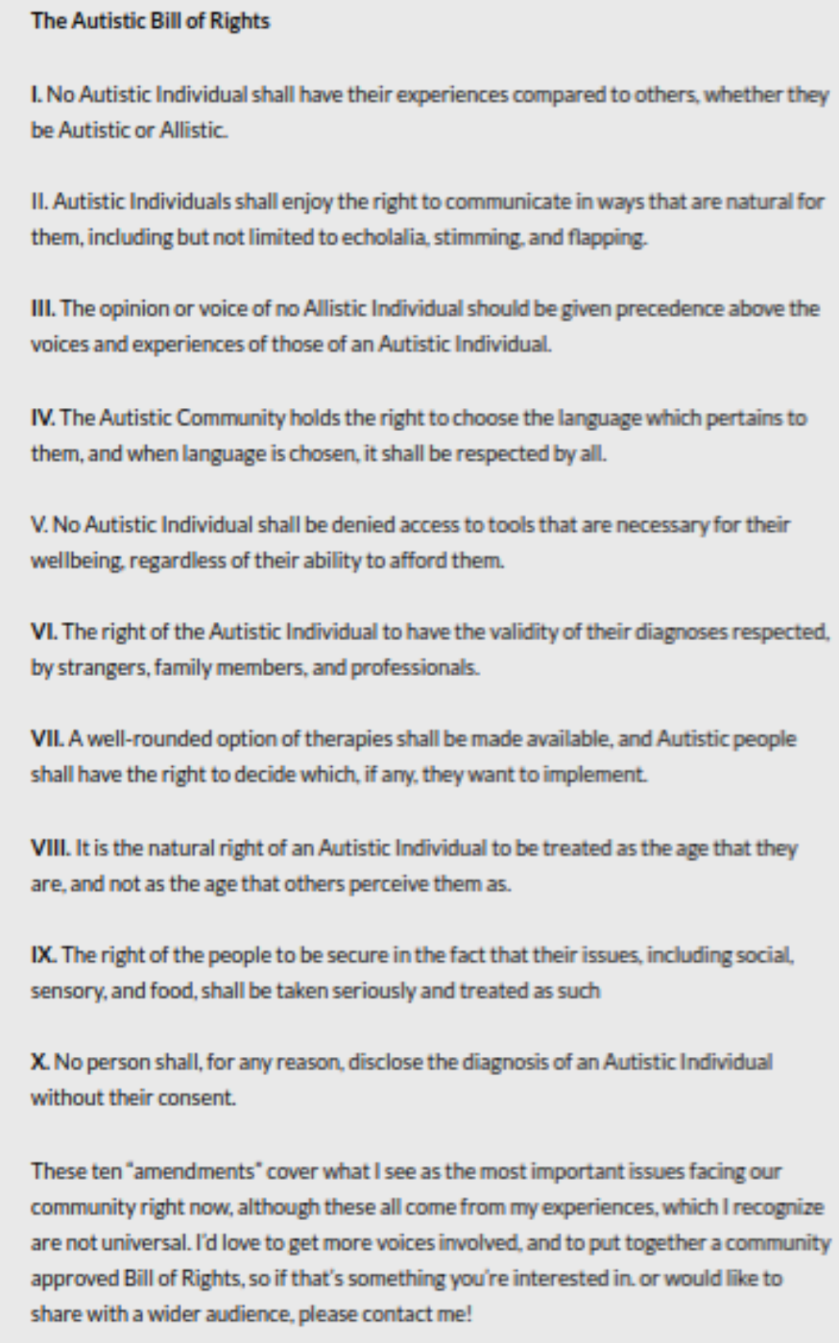
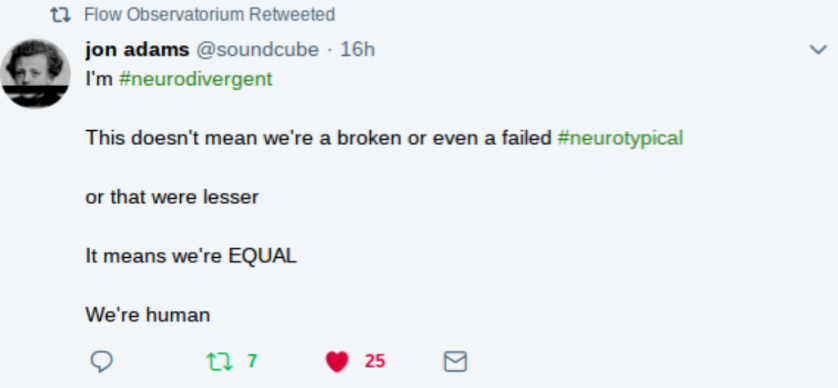
Among the things that autism is sometimes supposed to be but is not are:
A form of mental illness (more on this at the end of this section as you will see).
A disorder
Something to be feared or worse still hated
Something that needs to be cured
I end this section with an example that absolutely shocked me when I saw it by way of twitter this weekend. I invite readers of this post to collectively identify everything they can find that is wrong with the formulation of the question below:
If you click on the image you can go to the quiz, take it yourself and then post a comment (if you choose to do this please follow me in highlighting the problems with this question).
AUTISM AND ME
My unsuitability for front-line customer service and the difficulties I have with communication are down to autism. On the other side of the ledger my eye for detail, reflected in my photography among other things, my mathematical skills, my aptitude for working with computers and several other of my strongest attributes are also due to autism.
I will finish this section by reminding people that different does not necessarily mean less, and that we are autistic people – note the emphasis given to the second part of that designation.
PUZZLES
In this section I provide the solution to one puzzle and offer another for your inspection. Both are mathematical in nature.
The above table shows two putative sets of coin toss records, each for one coin tossed thirty times. Which is more like to be genuine based on what you can see?
a) series one
b) series two
To begin the solution, here is the table above with a column added:
You will see that the two sets of coin toss lists in the original problem were made up, but if you look at the results for the set of coin tosses I actually performed you will note that it looks much more like series two than series one – randomness is clumpier than we intuitively expect (the idea for this problem came from a book by Natalie Angier, in which she tells the story of a teacher who uses an experiment in which half of her class are assigned the task of inventing a series of coin tosses, and half of actually tossing coins and recording the result, while the teacher goes out of the room – and nearly always the teacher can tell the real from the fake).
My new problem comes from the mathematical website brilliant:
PHOTOGRAPHS
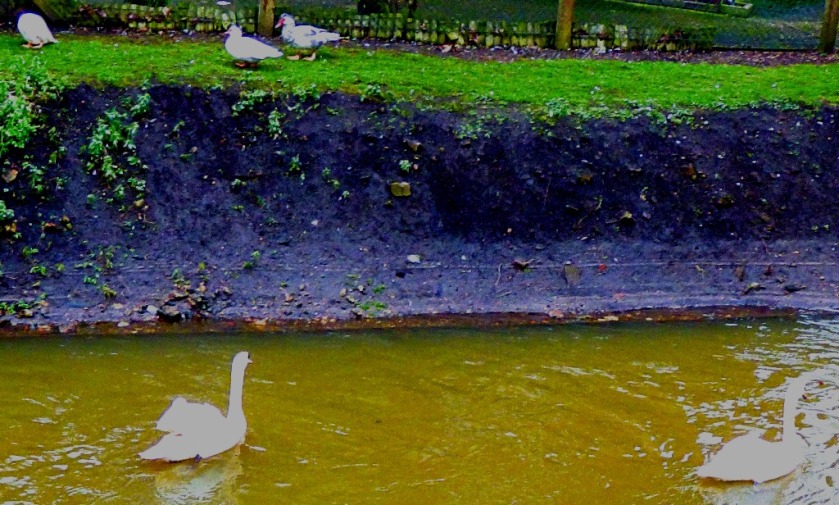
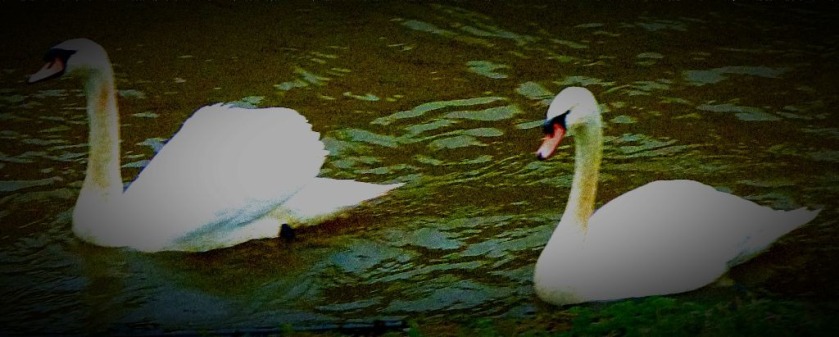
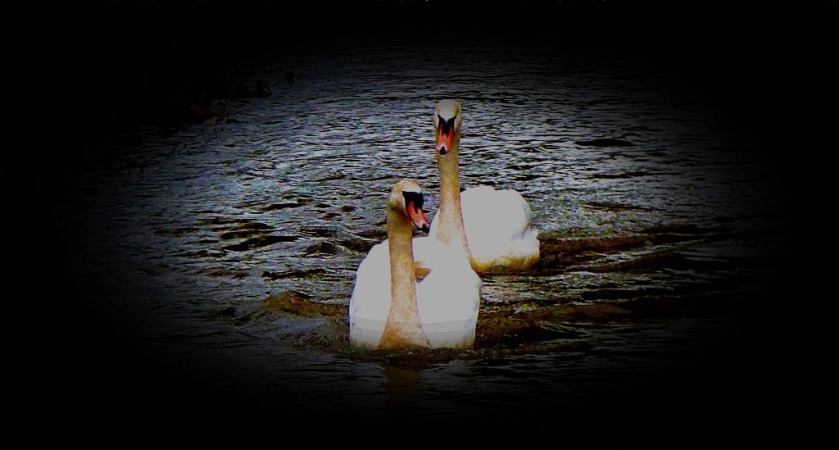
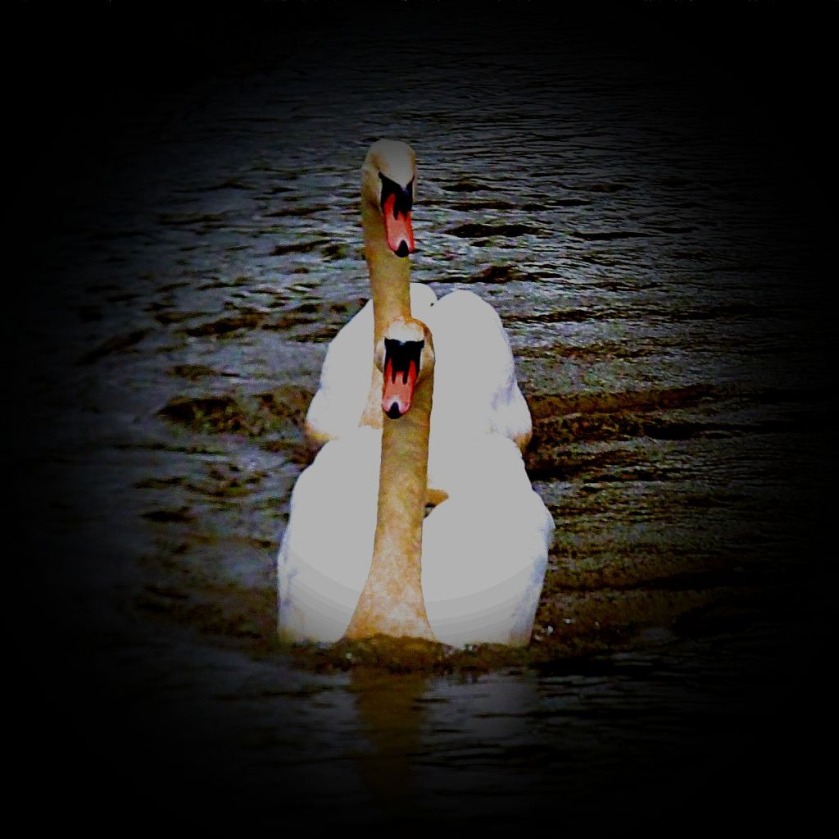
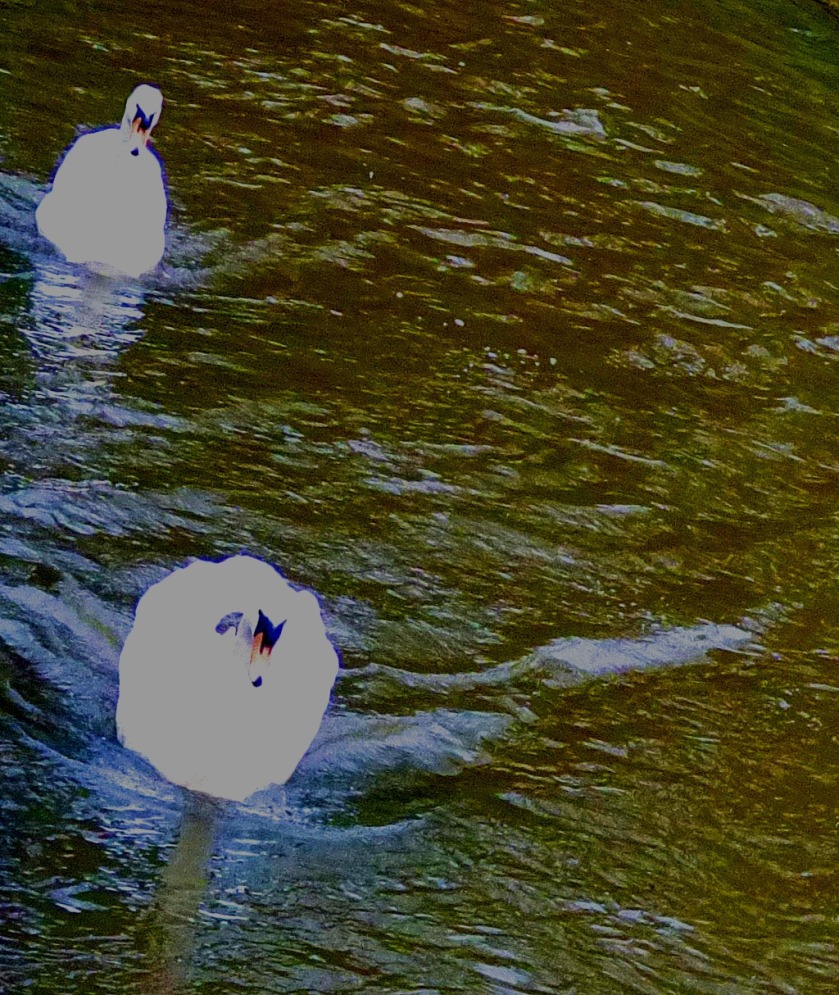
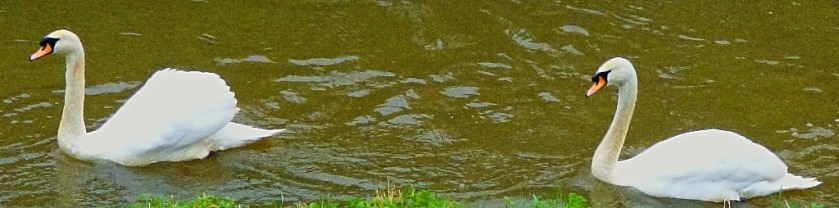
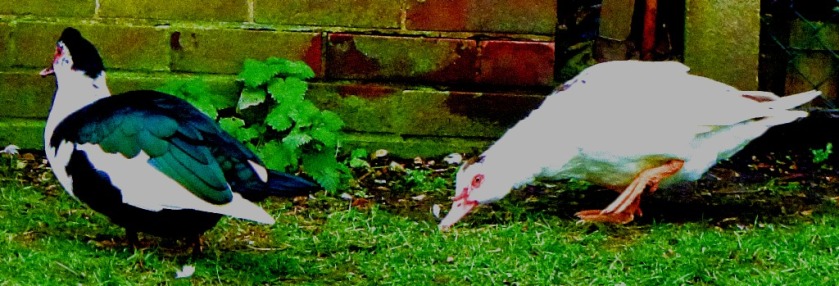
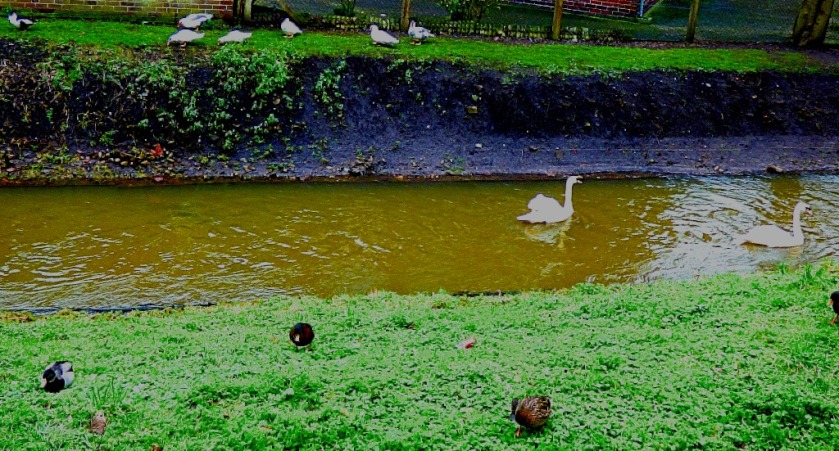
As usual I end this post with some photographs, in this case featuring a family of swans I saw swimming along the Gaywood River yesterdary morning: