A couple of classic autism infographics I spotted in the last 24 hours and some photographs of my own.
INTRODUCTION
The photographs which will be appearing in two tranches at the end of this post are mine, all taken yesterday. The two autism related infographics are shared from elsewhere (credit given at appropriate points). I saw the first of these yesterday evening and the second this morning.
AUTISM INFOGRAPHICS
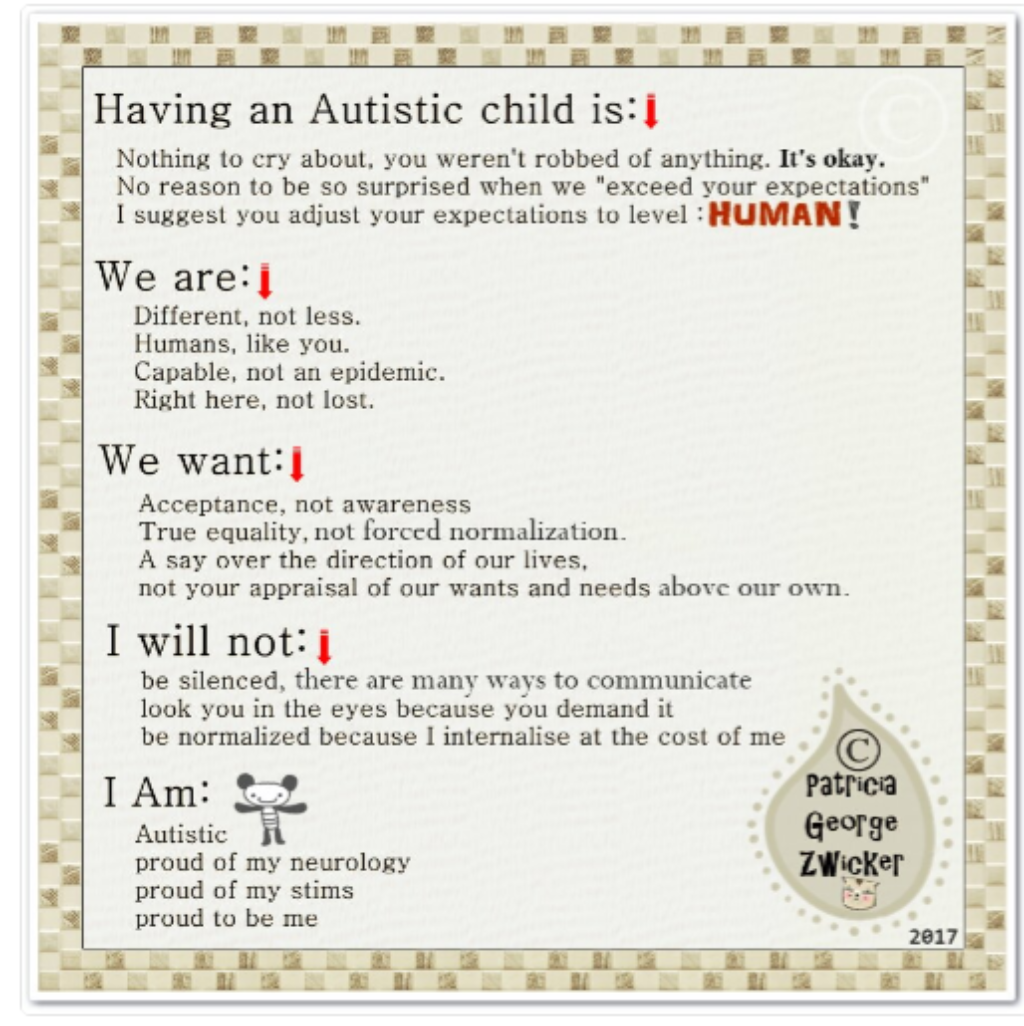
First, courtesy of Patricia, who tweets as @pgzwicker, comes this gem:
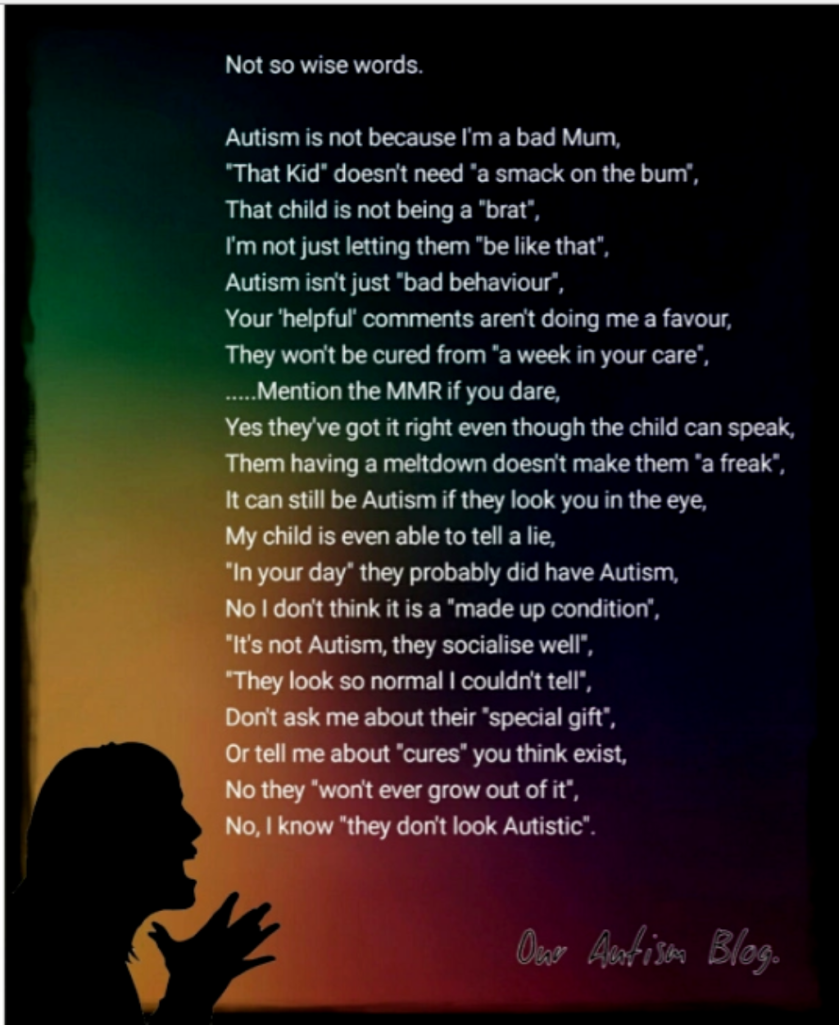
The second was originally posted on Our Autism Blog this morning, and I link to that post so that you can comment on it there should you wish:
PHOTOGRAPHS
The first of the two sets of my photographs that I am putting up here were taken while out walking yesterday morning:
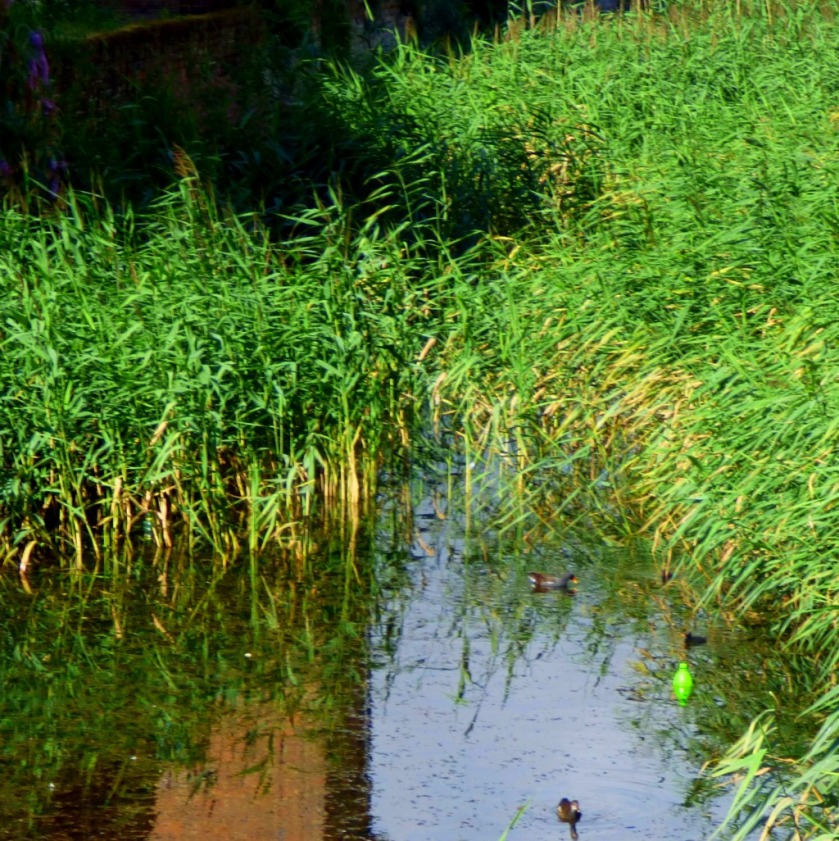
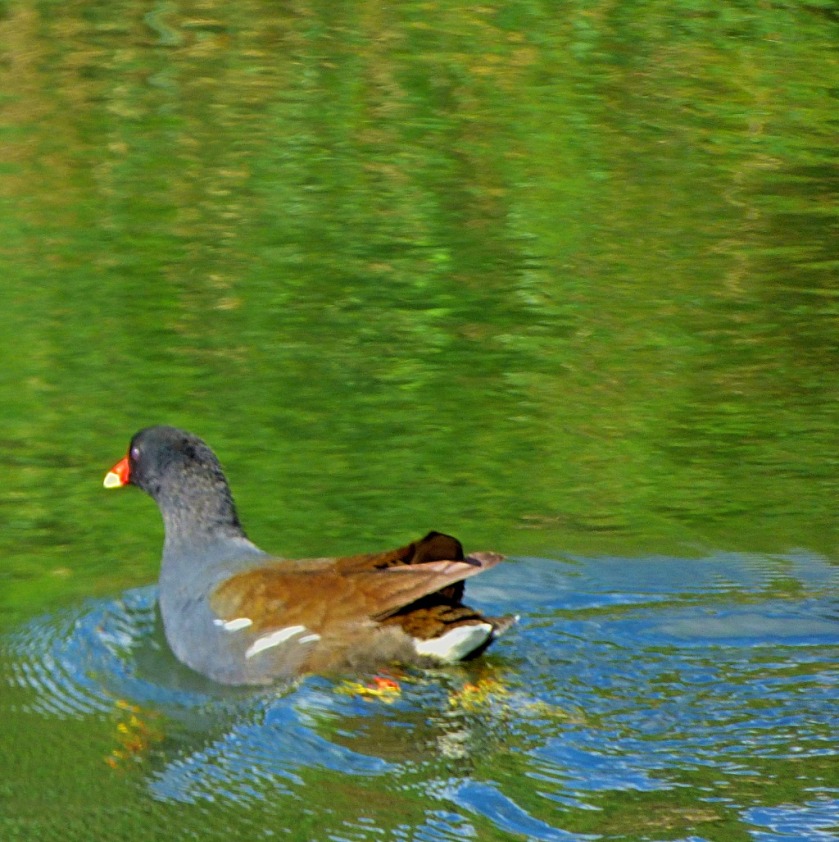
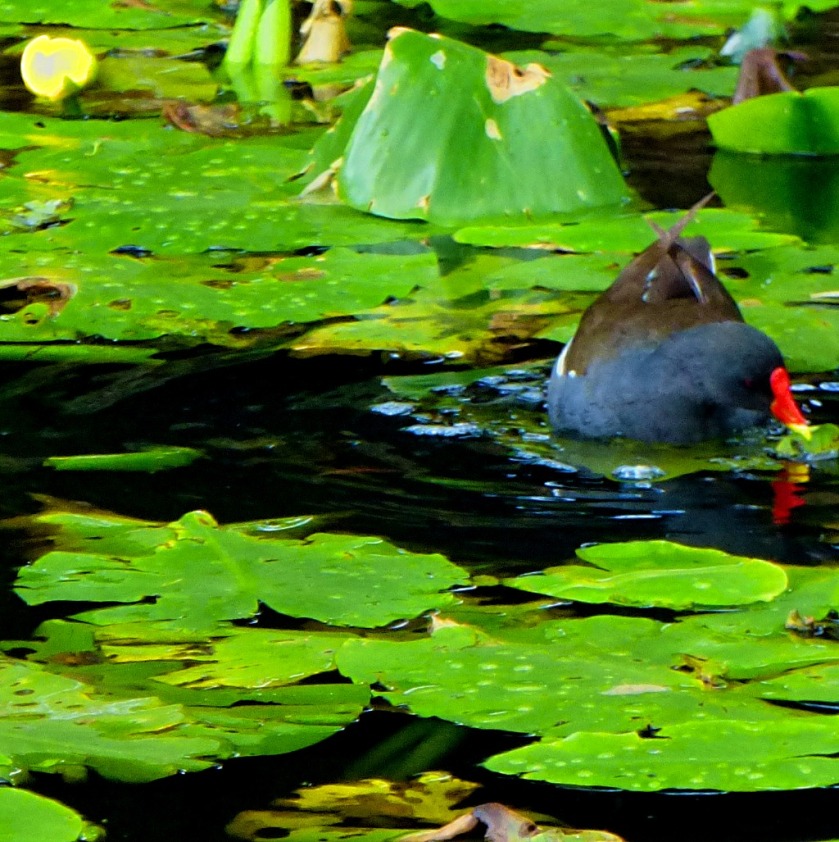
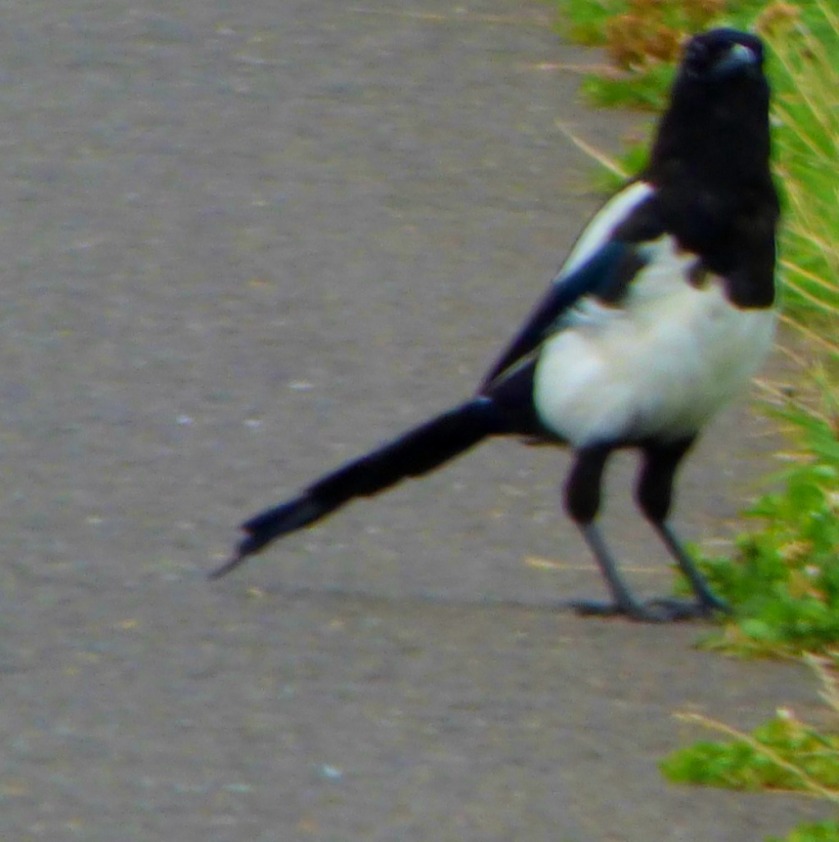
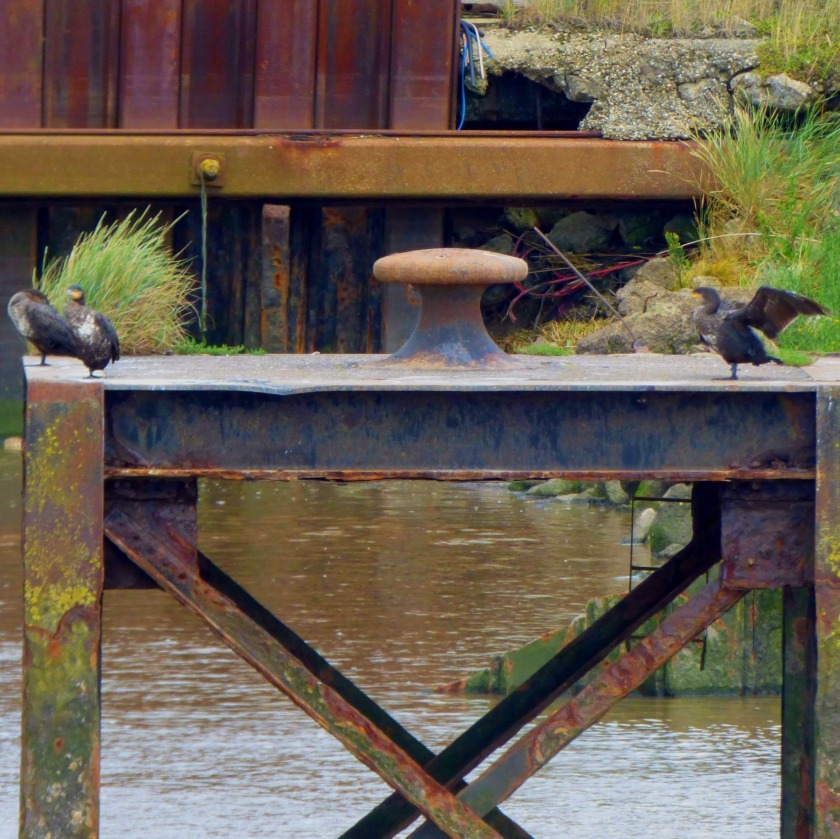
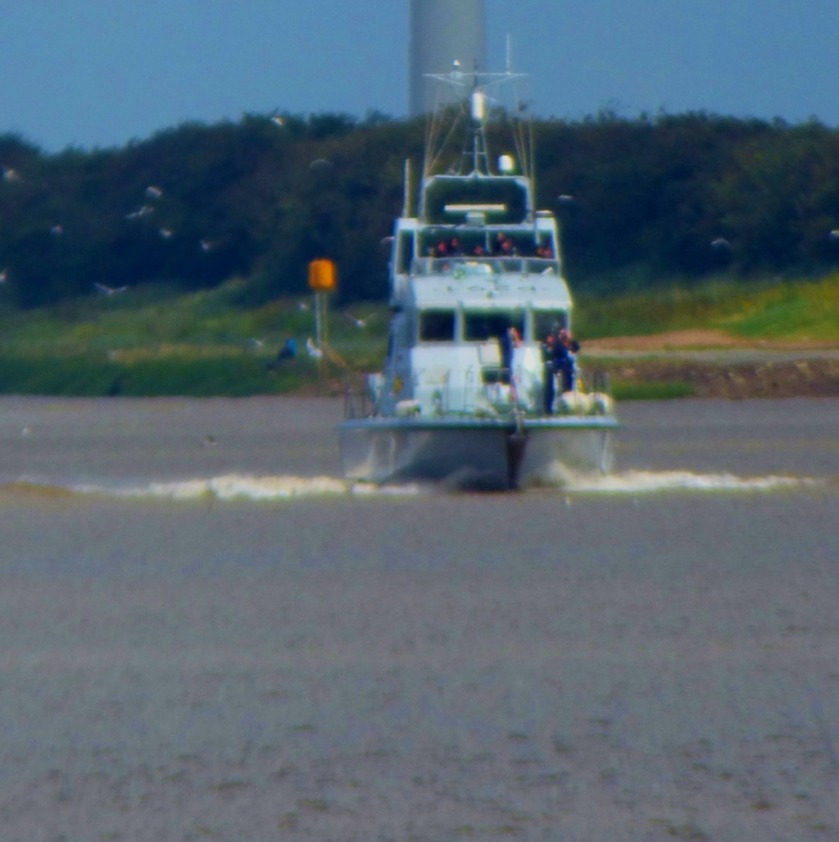
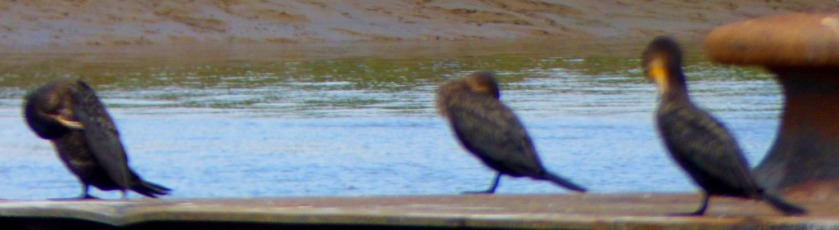
The Upper PurfleetA giant slug on the path alongside Bawsey DrainA moorhen swimming in a clear poolThis second pool was covered in water lilies.A town centre section of the Gaywood RiverIn the parkland area – this stretch of river is covered in algae.A magpie on the path alongside the Great OuseNear the end of the walk – some shots of cormorants and boats on the town centre section of the Great Ouse.
The last few pictures for today were taken yesterday afternoon while sitting outside my parents house in East Rudham. These are probably the last shots I will have from there as my parents are moving to Plymouth.
A post focussing on me giving a radio interview. Some mention of a roller-skating session and of the current test-match. And of course some photographs.
INTRODUCTION
The title part of this post refers to one of the things I did yesterday. I also have some pictures to share.
AN AUTISM CENTRED MORNING
Of course, as branch secretary of the National Autistic Society’s West Norfolk branch and an #actuallyautistic person there is a way in which autism is always at the heart of what I do. After three days carrying out my concatenation of roles at a James and Sons auction (operator of the system that enables us to take online bids, database administrator, query fielder, in-house ‘Gordianus’, occasional customer service person – see here for a full account) I had a day on which my only preset commitment was to supervise a roller-skating session at Lynnsport between 11 and 12. In the absence of direct confirmation of a time that would be convenient to speak to Ashleigh at KLFM 96.7 (our local radio station) about our upcoming 10th anniversary I decided that I would set off early for Lynnsport and see if I could speak to her on the way or as a fall-back arrange to call in on my way back.
Ashleigh was able to fit me in straight away, and the interview went well (she will be sending me both a recording and an online article that will accompany the actual broadcast), and I left for Lynnsport with my spirits high – I had helped myself, advertised our upcoming 10th anniversary event and due its connection with the foregoing also made mention of our gardening grant and the allotment on Ferry Lane + plans for a sensory garden in part of the plot. It is because of this gardening stuff that we gained the use of the magnificent garden where our 10th anniversary celebration will be held.
The roller-skating passed without incident and I was able to listen to some of the action from the third test-match (even assuming I had both the ability and the willingness to pay the Biased Bull****ting Conservatives £150 per year I would choose to follow cricket by listening to radio commentaries rather than watching on TV). Yesterday was truncated by rain, but England have had a good day today – first reaching 353 largely thanks to a magnificent innings from Stokes and now bagging a South African wicket before tea – debutant Toby Roland-Jones breaking through.
PHOTOGRAPHS
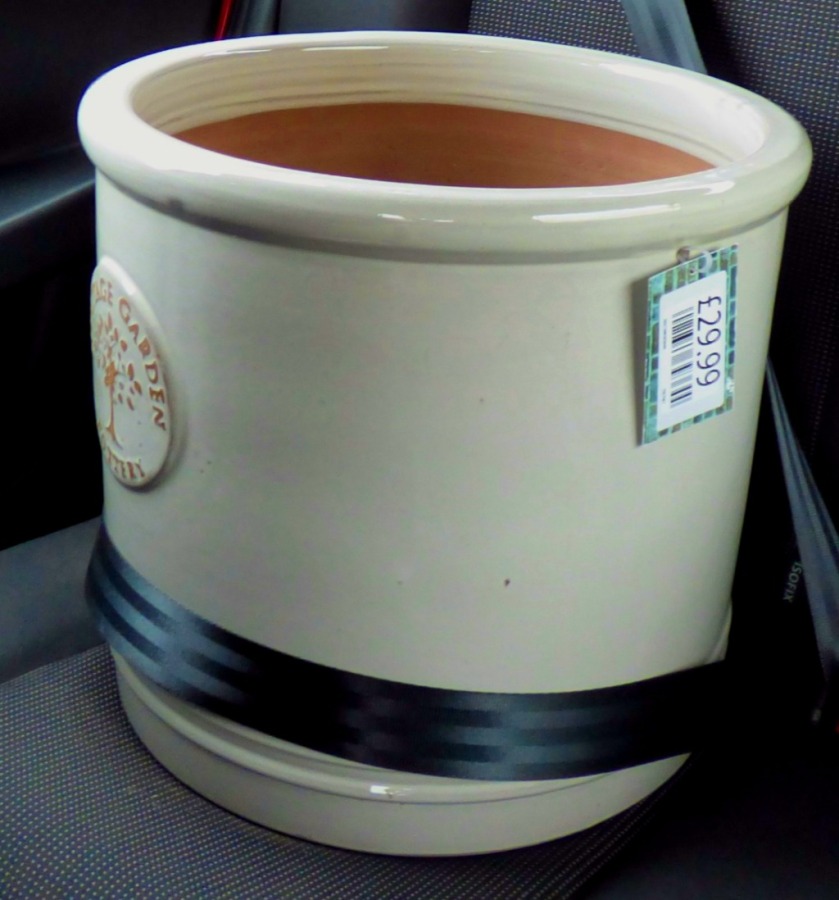
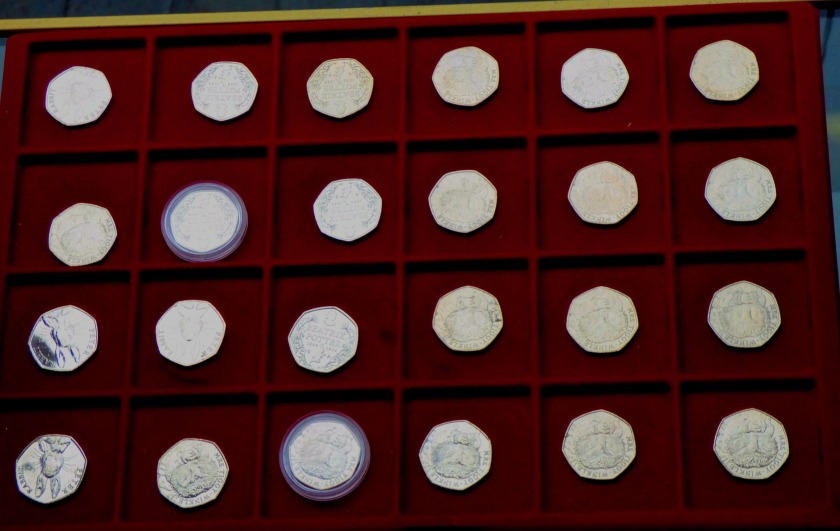
Being vertical sided these pots should not blow over in the wind (there were two of them).The first of two shots showing James and Sons’ tray of Beatrix Potter coins
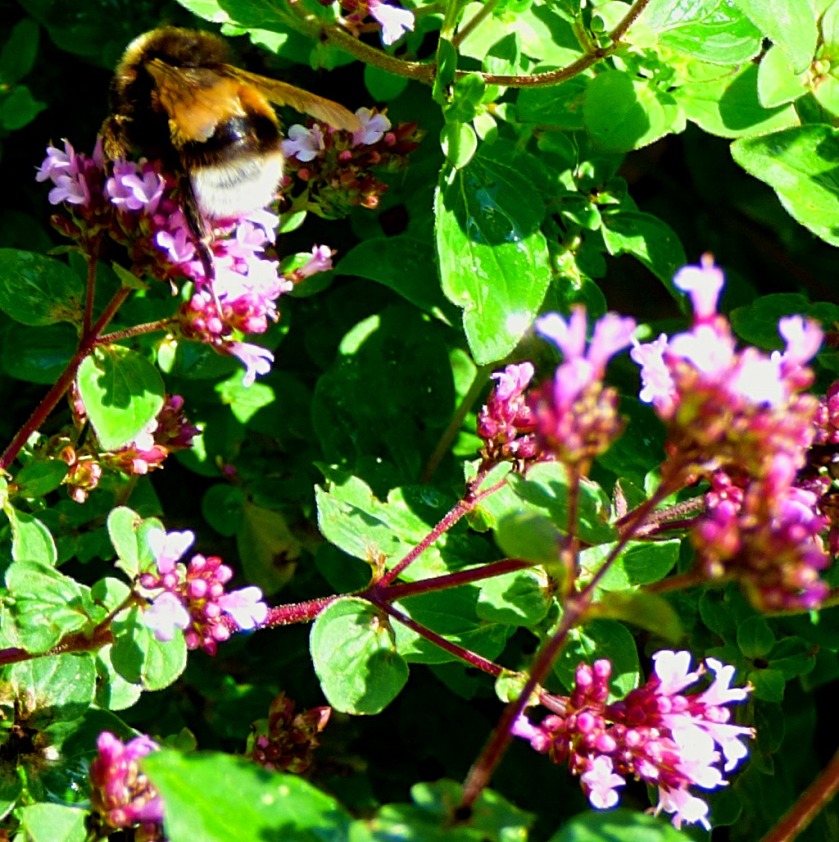
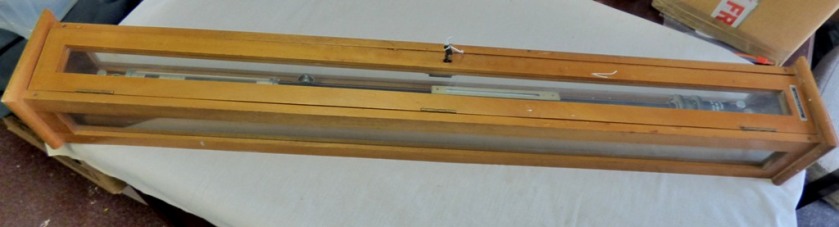
I don;t know what the original purpose of this object was, but it has been a feature of James and Sons longer than I have!Wild marjoram is useful as a herb, as well playing a vital role as a plant that bees just love .
An account of James and Sons’ July auction – 1,500 lots over three days.
INTRODUCTION
On Monday, Tuesday and Wednesday of this week James and Sons had its July auction. 500 lots went under the hammer on each day.
MONDAY
This first day of the sale featured coins, banknotes, cheques, P&N covers and militaria. There were quiet moments in most categories, but also plenty of stuff sold, some of it doing very well. Here are some pictures from this first day:
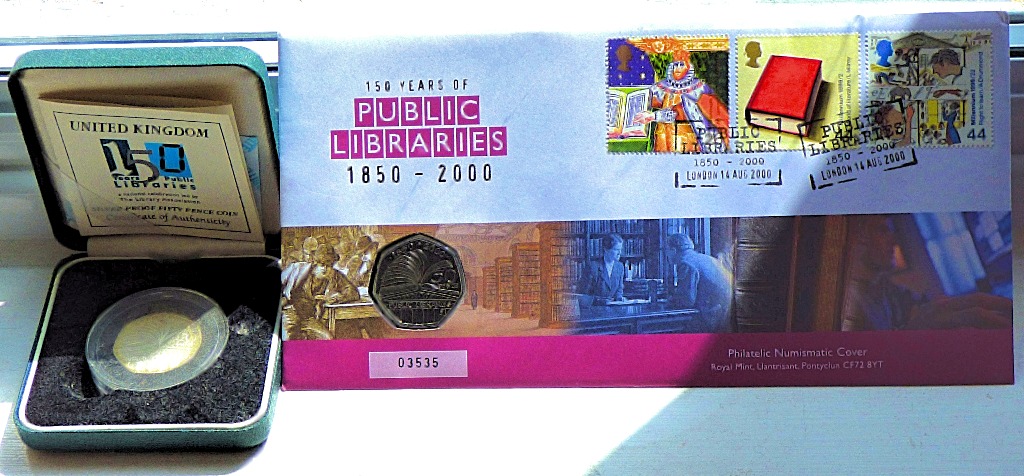
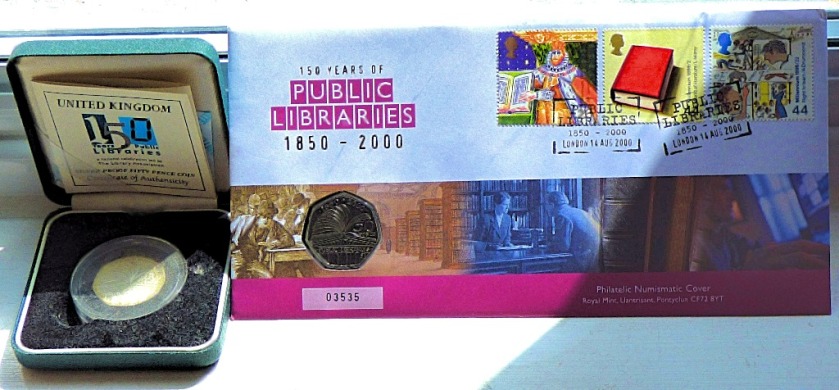
Along the way, lot 377, one of the P&N covers, was knocked down to me:
As an ardent user of libraries (King’s Lynn and Fakenham very regularly, Gaywood and Norwich when I am in the locality) this had particular appeal. A worthy addition to my collection.
TUESDAY
With stamps, postal history, a few postcards and first-day covers going under the hammer this was always likely to be the quietest of the three days and it was, although there were a few good sales. Here are some pictures from day 2:
WEDNESDAY
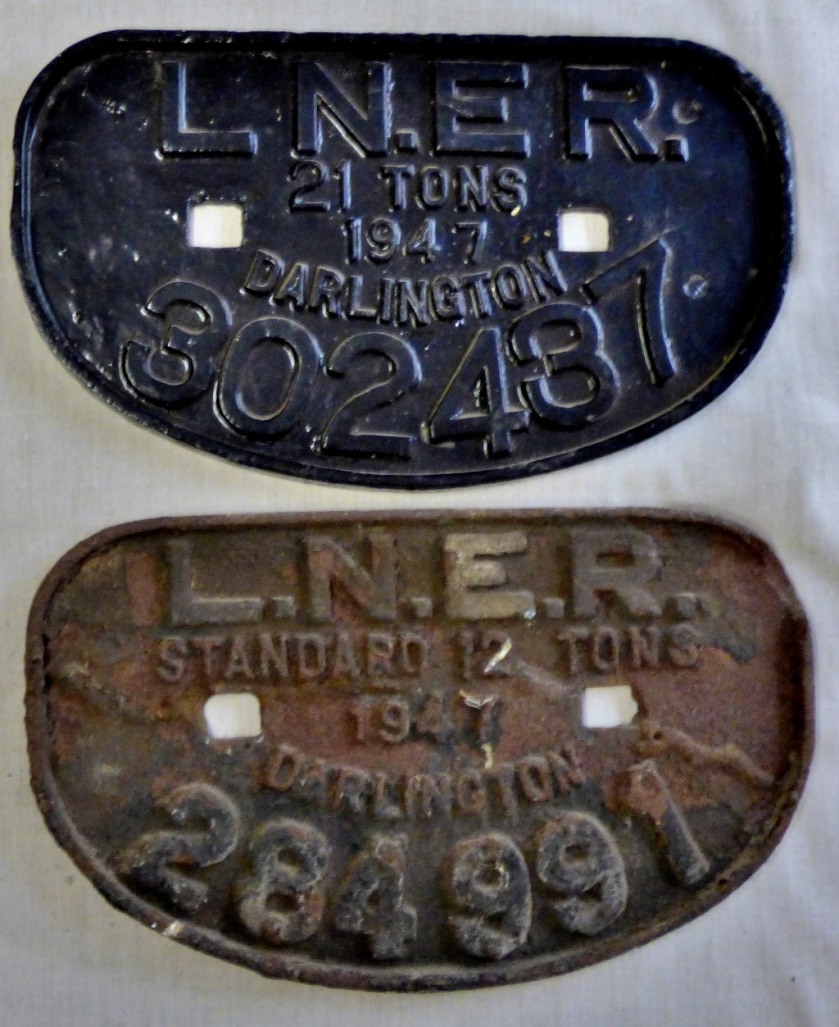
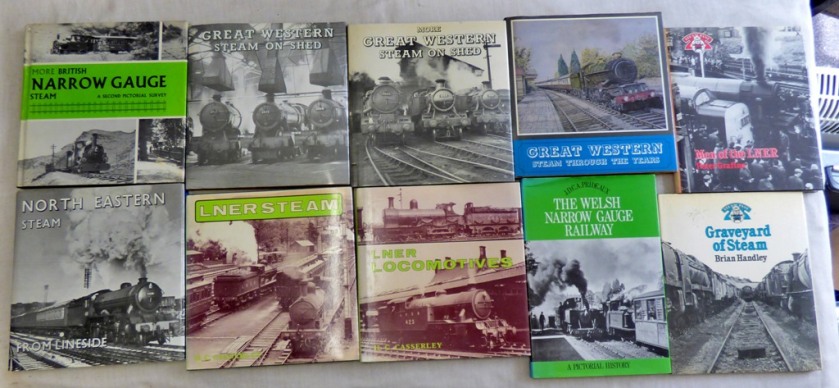
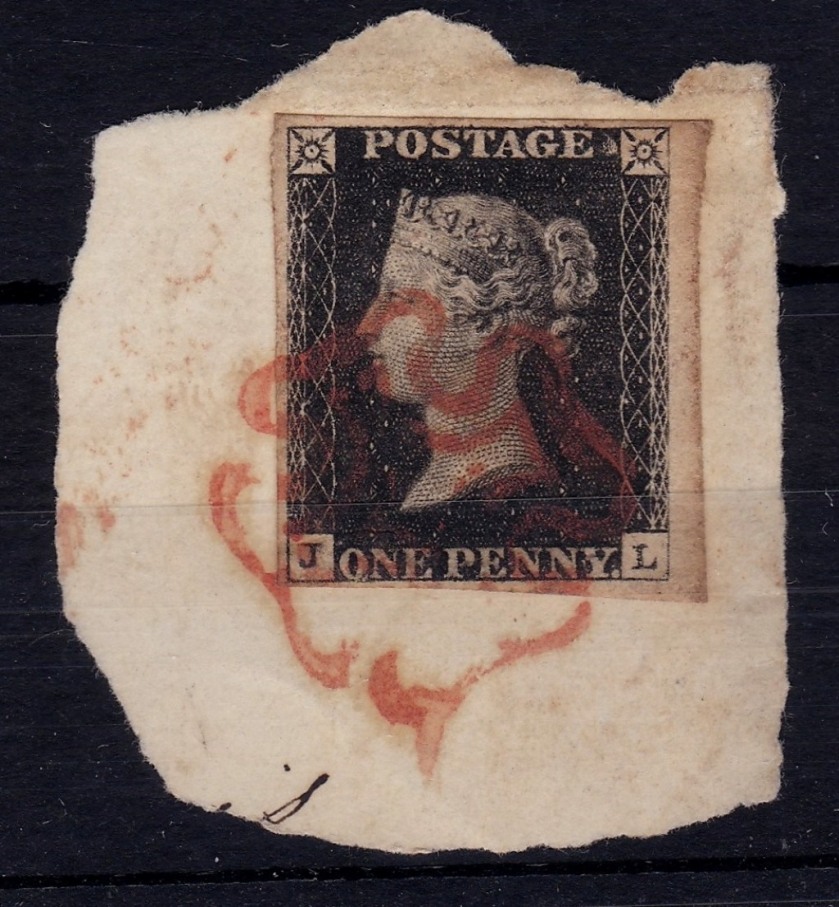
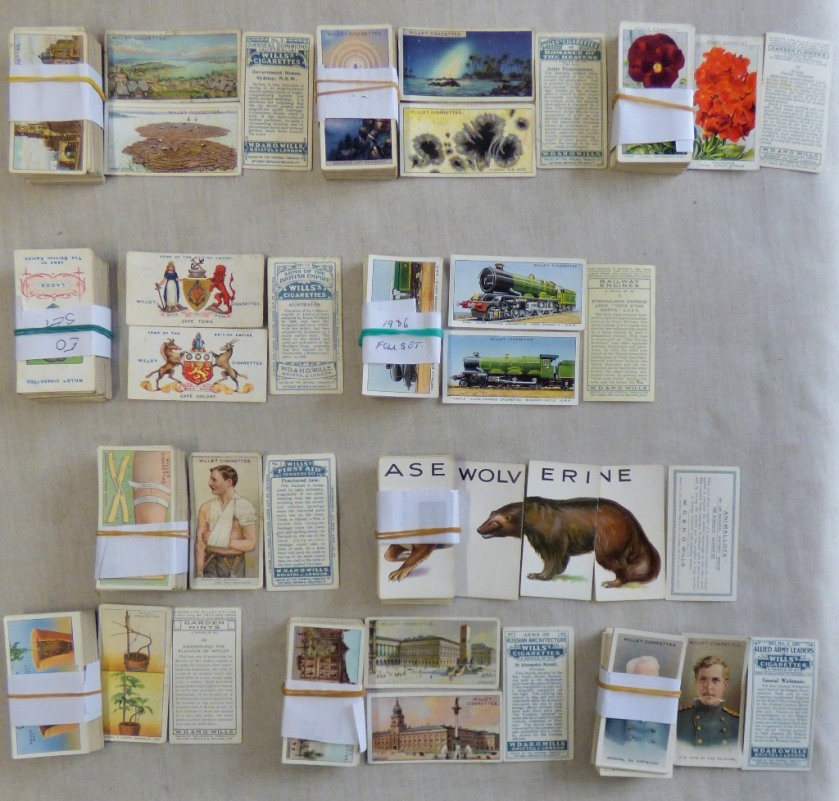
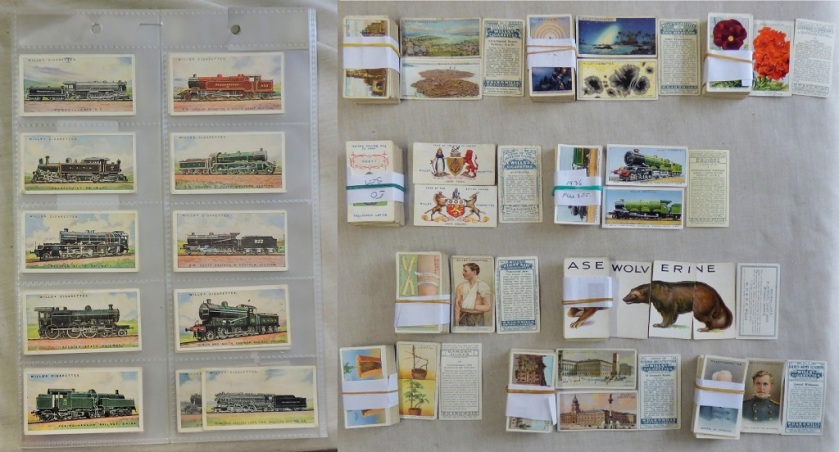
With postcards, cigarette & trade cards, ephemera, books, records and some interesting railwayana this was the day that we expected to go best, and it did. After a quietish start with the postcards, the cigarette and Liebig cards attracted in plenty of online bidders, some of the ephemera did very well, and both the large boxes of railway books found a buyer (someone who I had been in email contact with following a query about the contents of one of the boxes – I take the fact that she bought both boxes full as a definitive judgement as to the adequacy of my response!). I was also relieved because of its weight to see lot 1451 find a buyer. Lot 1379 went to me.
After a few minutes spent making the shop look more like a shop and less like an auction venue and a few more minutes spent consuming my sandwiches I finished up by adding details of those who had actually madce bids to the client database and printing out a complete list of those who had registered to bid online (196 of them on this occasion).
Here are some pictures relating to this third day:
Most of the lots going under the hammer on day 3 were in this shotOn the bus home, although exhausted I was still alert enough to accept the opportunity to capture the ruins of Bawsey Abbey when it arose.Lot 1451 (six images)
Lot 1455 (2 images)
Lot 1467 (five images)
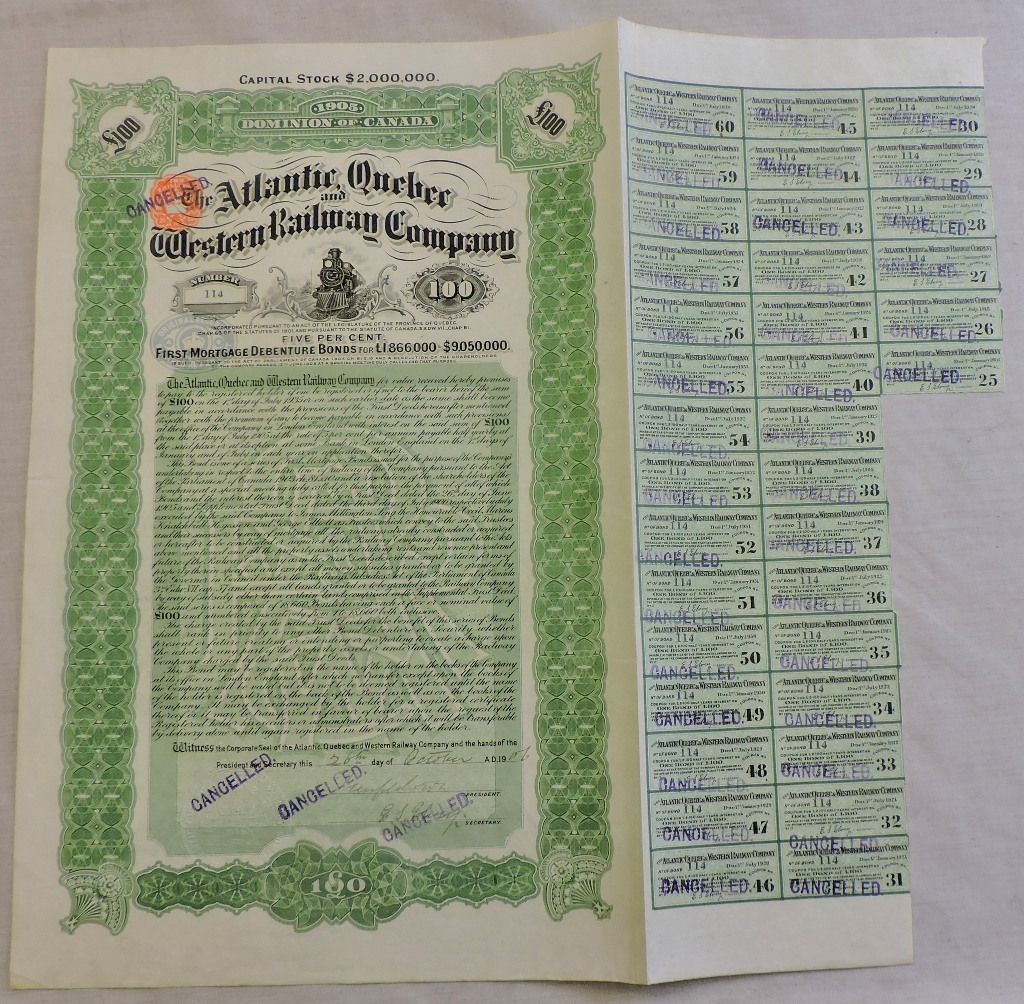
Lot 1379 (seven images)
CLOSING THOUGHTS
Overall across the three days the total hammer price for sold items was just over £10,000, and while some of these were owned by external vendors, meaning that our gains are limited to the lotting fees, vendors commission and buyers premium, many were from our own stock. At the end of August we will be having auctions at our shop and also at Fakenham Racecourse.
An account of the PR work I have done for James and Sons upcoming auction.
INTRODUCTION
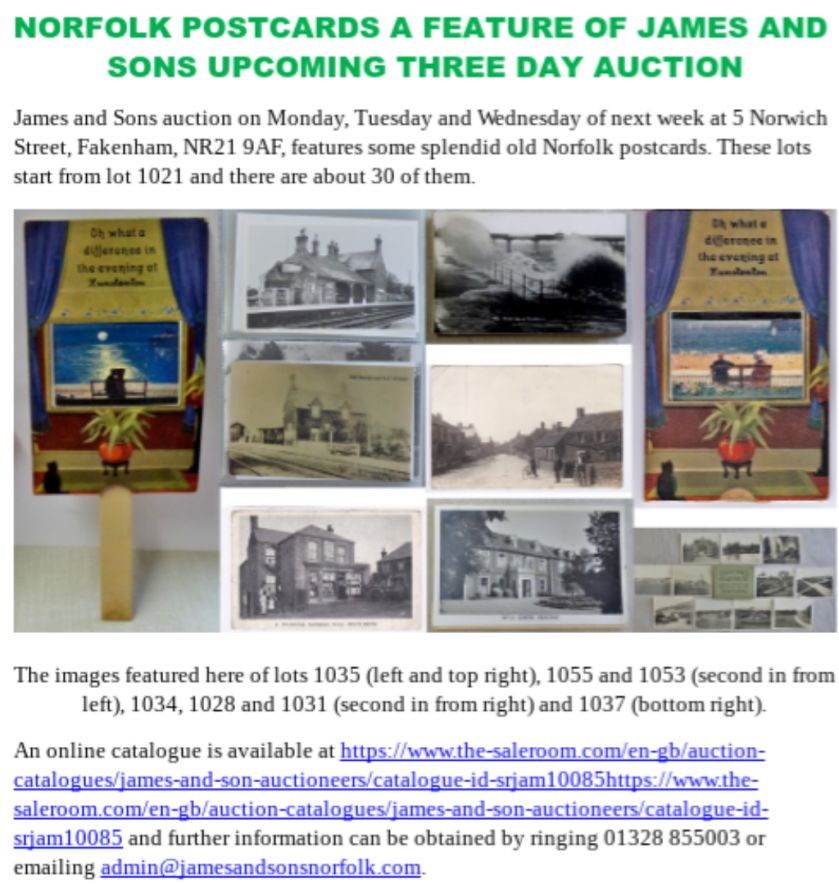
In amongst polishing off the last of the imaging (I only actually got some lots needing imaging this morning!) for next week’s auction (Monday, Tuesday, Wednesday, all three days at our shop), resolving queries and such like I have also put out a number of ‘Auction Alert’ emails and a couple of press releases (I did a general one on Tuesday, and then my boss wanted something specifically about some Norfolk postcards today, hence two). I am going to produce screenshots of all the emails and press releases, accompanied by links to original documents, and all images therein.
THE PRESS RELEASES
On Tuesday I put out a general press release to local and regional media as follows:
An account of two recent cricket matches involving England and South Africa, first the England men’s humiliation at Trent Bridge, and then the nailbiter of a Women’s World Cup semi-final at Bristol.
INTRODUCTION
Both of the matches of my title were cricket matches between England and South Africa. The first was the test match between the men’s teams, and the second was the women’s world cup semi-final. A couple of notes about links in this piece:
Some links are in red – these are to video footage.
IT WAS THE WORST OF TIMES
England had won the first test match of the series handily, with Joe Rootscoring 190 in his first innings as England captain and Moeen Ali being player of the match for his first inning 87 and match haul of 10-112. Among England’s male players only Ian Botham with 114 not out and 13-106 v India in 1979 has topped Ali’s all-round haul in a single game (Enid Bakewell was the first player of either sex to combine a match aggregate of 100 runs with a haul of 10 or more wickets, hence the earlier caveat).
Thus at Trent Bridge England should have been strong favourites. South Africa won the toss, batted first and made 335 in their first innings and England by bad batting handed South Africa a lead of 130, South Africa extended this to 473 with two days to play before sending England back in, messrs Elgar and Amla having demonstrated how to make runs on this pitch, each batting a long time. England’s second innings was quite simply shambolic, with batter after batter handing their wickets away. Four wickets down by lunch on the penultimate day it worse afterwards, with England being all out for 133 at approsimately 3PM. South Africa, having given themselves two days to dismiss England a second time had required less than two full sessions and were victors be 340 runs.
ENGLAND’S MISTAKES
The first mistake England made was with the selection of the side. According to the powers that be Moeen Ali is happier as a second spinner than as either a sole spinner or as first spinner. However I find it hard to believe that even he could really consider himself no2 to Liam Dawson. Dawson is an ill thought out selection reminiscent of the dark days of the 1990s. For his county he averages in the low thirties with the bat and the high thirties with the ball, so even at that level he comes out as clearly not good enough in either department to warrant selection – the reverse of the true all-rounder. If a pitch warrants two spinners (and no Trent Bridge pitch in my lifetime ever has) the other spinner should be a genuine front-line option such as Dominic Bess (first class bowling average 19.83 per wicket – what are you waiting for selectors?). The other logical alternative would have been to bring in an extra batter (there are any number of possibilities) to strengthen this department. England’s batting in both innings smacked of panic. Other than Root whose 78 in the first innings was a gem and Cook who played well for a time in the second no England batter is entitled to be other than embarrassed by the way they played in this match. The scorecard, in all it’s gory detail, can be viewed here.
IT WAS THE BEST OF TIMES
On what should have been the final day of the men’s test match but for England’s spinelessness the women’s teams convened at Bristol for a world-cup semi-final. The final will be played at Lord’s and is already sold out. South Africa batted first and were restricted to 218-6 from their overs, Mignon Du Preez top scoring with 76 not out, and Laura Wolvaardt making 66. South Africa bowled better than they had batted, and the outcome remained in doubt right to the end. Anya Shrubsole who had earlier finished with 1-33 from her 10 overs settled things by hitting her first ball, the third-last possible ball of the match through the covers for four. Sarah Taylor’s 54 and a brilliant wicket-keeping performance highlighted by the spectacular stumping of Trisha Chetty off the bowling of Natalie Sciver earned her the player of the match award. Sciver incidentally is the pioneer of a shot that in honour of her first name and the f**tballing term ‘nutmeg’ commentator Charles Dagnall has dubbed the ‘Natmeg’, one example of which she played in this match. Video highlights of this amazing match can be seen here (runs for just under five minutes), while the scorecard can be viewed here.
THE ROLE OF EXTRAS
To set the scene for the rest of this section here are the extras (a cricket term for runs scored not off the bat) from both innings:
When South Africa batted:
Extras
(w 4)
4
When England batted
Extras
(b 5, w 17, nb 3)
25
A note on the designations within extras: Byes (b) stands for runs scored when there is no contact made with the ball but either the batters are able to take runs, or the ball goes to the boundary unimpeded, legbyes (lb), of which there were none in this match, are runs scored when the ball hits the pad but not the bat. Wides are deliveries that are too wide for the batter to be able to play, and no-balls are deliveries that are ruled illegal for some other infraction (bowler overstepping the crease, high full-toss etc). The 21 run difference between the two tallies shown above is of major significance given that England reached the target with just two balls to spare, and there is yet a further point.
WIDES AND NO-BALLS – WHAT APPEARS IN PRINT DOES NOT TELL THE FULL STORY OF HOW EXPENSIVE THEY ARE
England bowled four wides in the match, South Africa 17 and three no-balls. That is a 16-run difference, but the actual costs are likely be even more different because:
When a delivery is called wide, as well as incurring a one-run penalty an extra delivery must be bowled to replace it. Thus a wide costs the original penalty, plus possible extras (if it goes unimpeded to the boundary it costs 5, the original 1, plus four foir the boundary) plus any runs scored off the seventh delivery of the over, which the bowler had they been disciplined would not have had to bowl
When a delivery is called a no-ball, the batter can still score off it, the delivery immediately following it is designated a ‘free-hit’, meaning that the batter cannot be dismissed off it, and as with a wide an extra delivery must be bowled to replace it. Thus a no-ball actually costs the original penalty, any runs hit of that delivery, the lack of a wicket-taking opportunity on the next delivery and any runs of the seventh delivery of the over (which would otherwise not have needed to be bowled).
Therefore the discrepancy between the sides in terms of wides and no-balls is probably much greater than shown on the score-card, and this in a very close match. Sarah Taylor certainly deserved her player of the match award, but the much tighter discipline shown by England’s bowlers than their South African counterparts was also crucial to the result.
PHOTOGRAPHS
After over 1,100 words those of you are still with me deserve some pictures, so here we are:
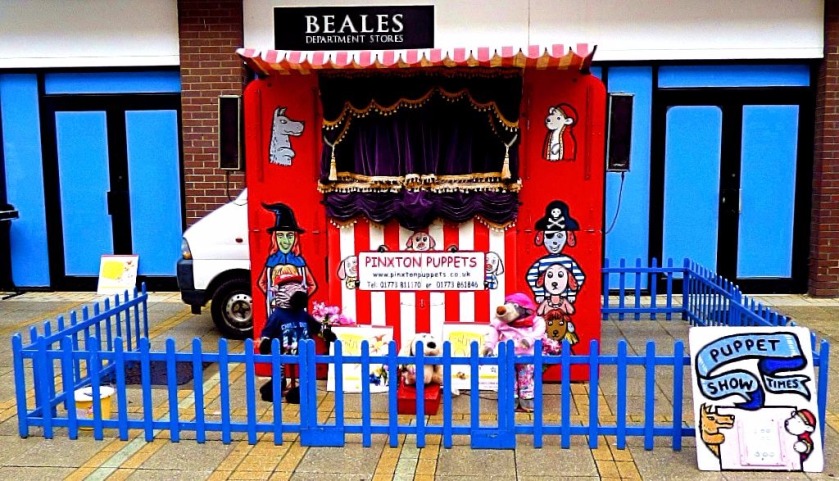
This puppet theatre is in town for the Lynn Festival
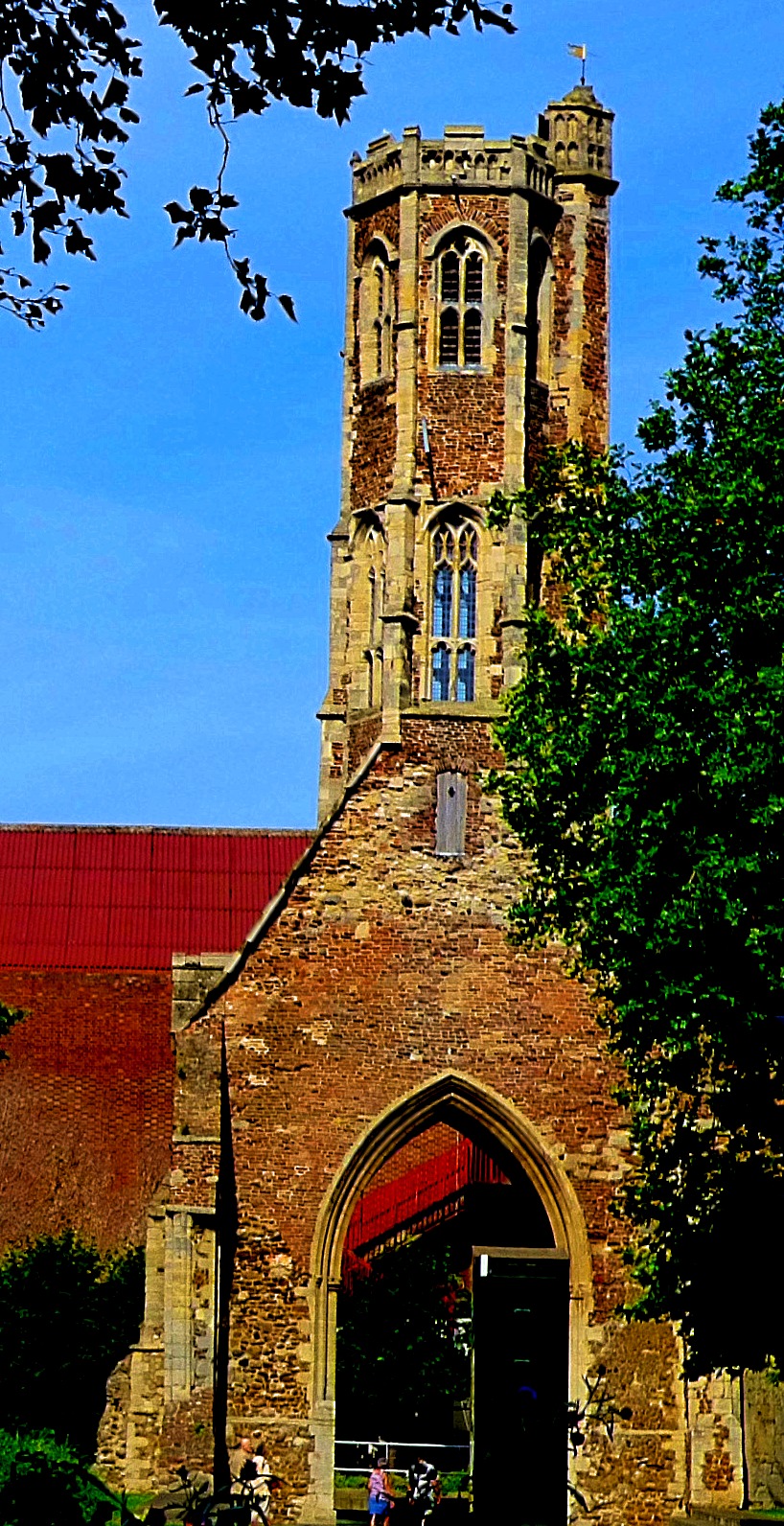
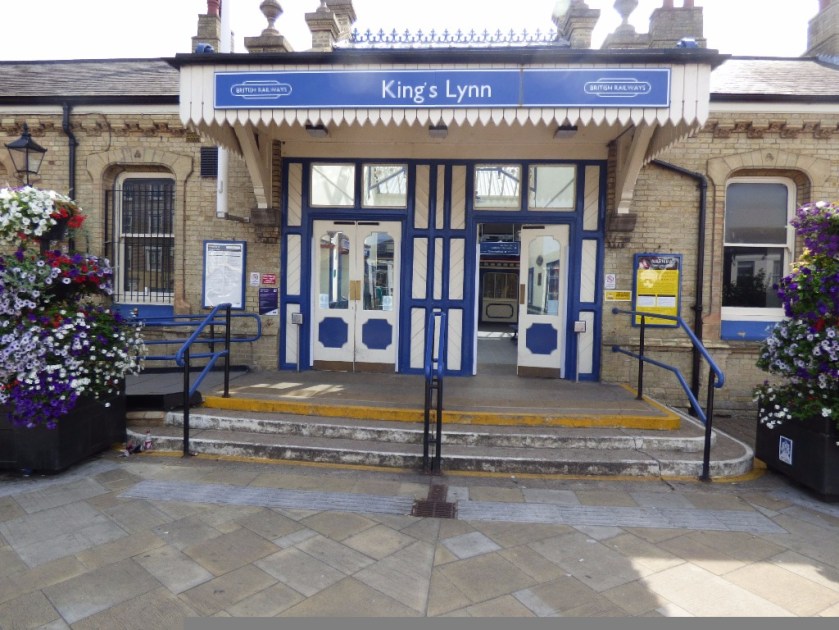
Greyfriars TowerKing’s Lynn library
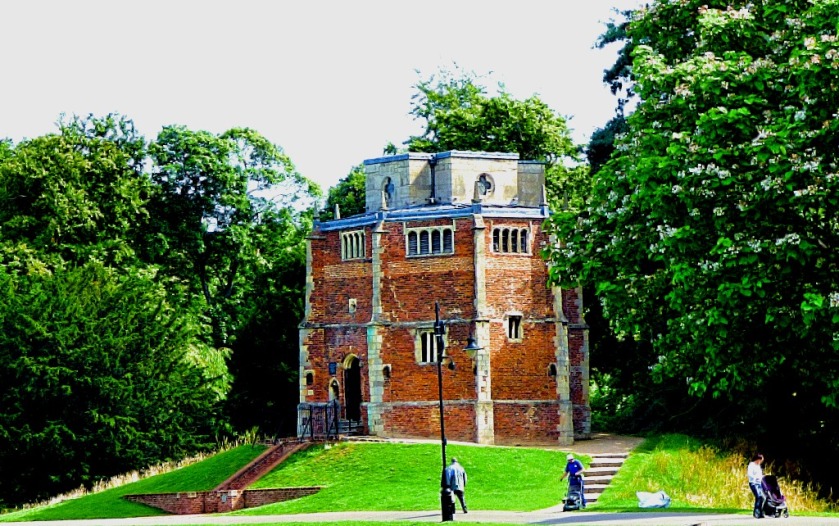
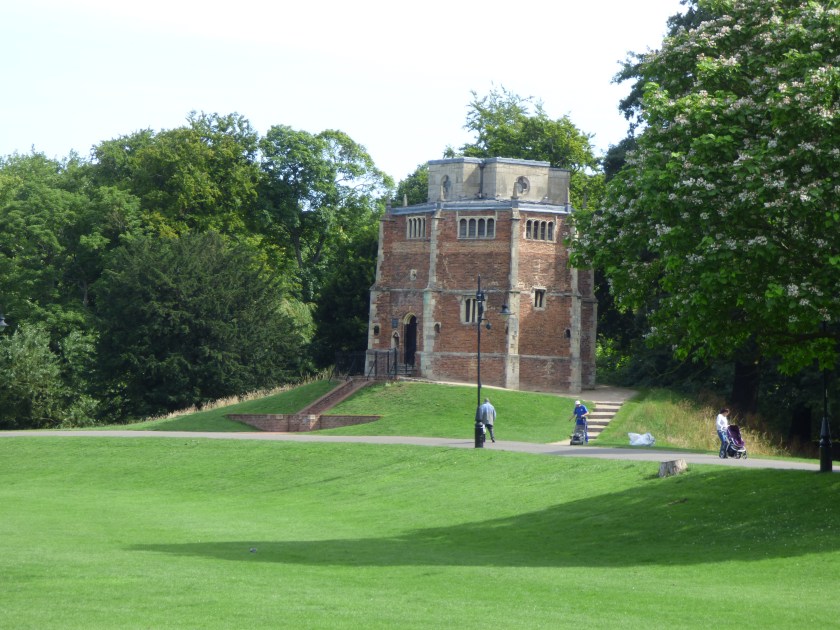
The Red Mount ChapelThe unedited Red Mount chapel picture.The Guanock Gate
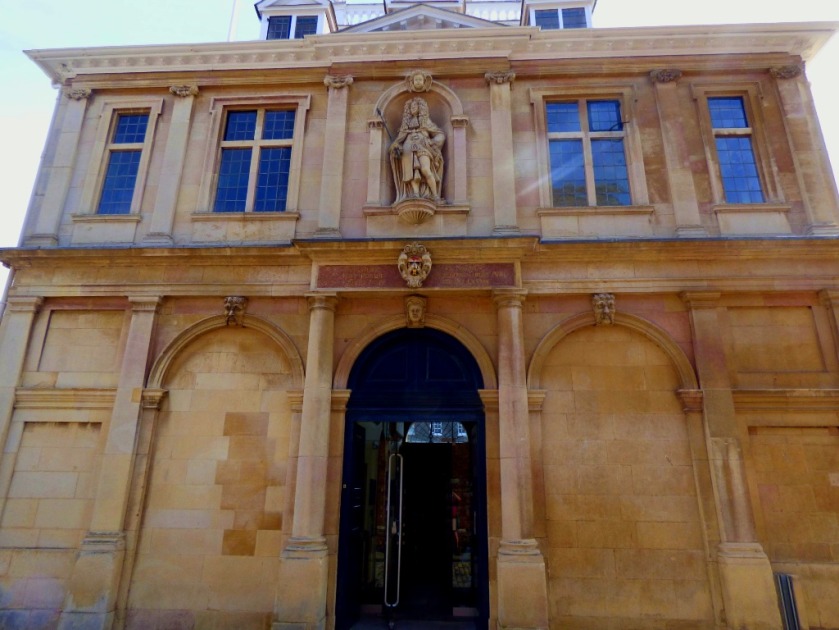
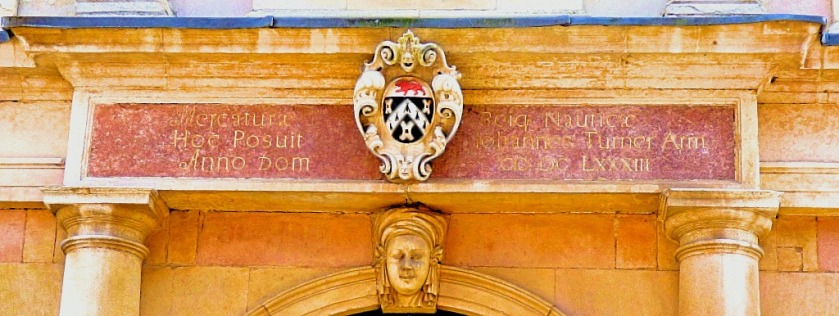
The first of three pictures featuring the Custom House
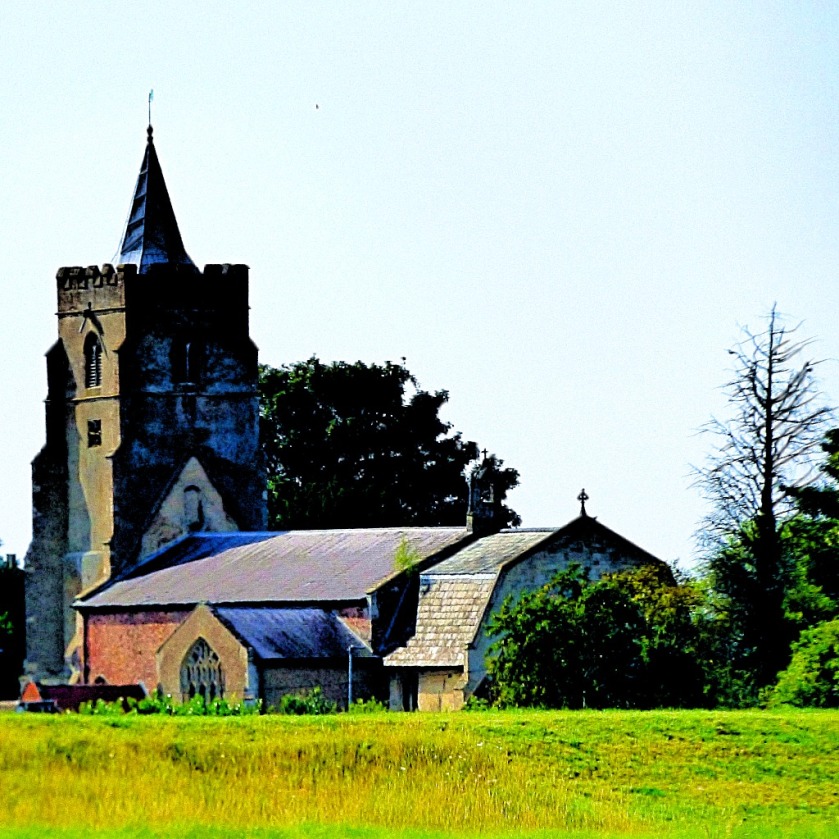
West Lynn ChurchJust as a bee pic was worthy start to this series of photos, another bee pic is a worthy finish to it.
An account of the three meetings at Marxism 2017 that focussed exclusively on climate change.
INTRODUCTION
Welcome to this latest post in my series about Marxism 2017. This post deals with three meetings from the event and also features some external links as well. This post features green body text because of the subject matter – headings still in red. This post features pictures in ’tiled mosaic’ form – to view them at full size left-click/ single finger push an image to open the gallery, and if you right-click/ two finger push you get a drop down menu that enables you to open a single image.
MEETING 1: FACING THE ANTHROPOCENE – JEFFREY HALL, SATURDAY – IAN ANGUS
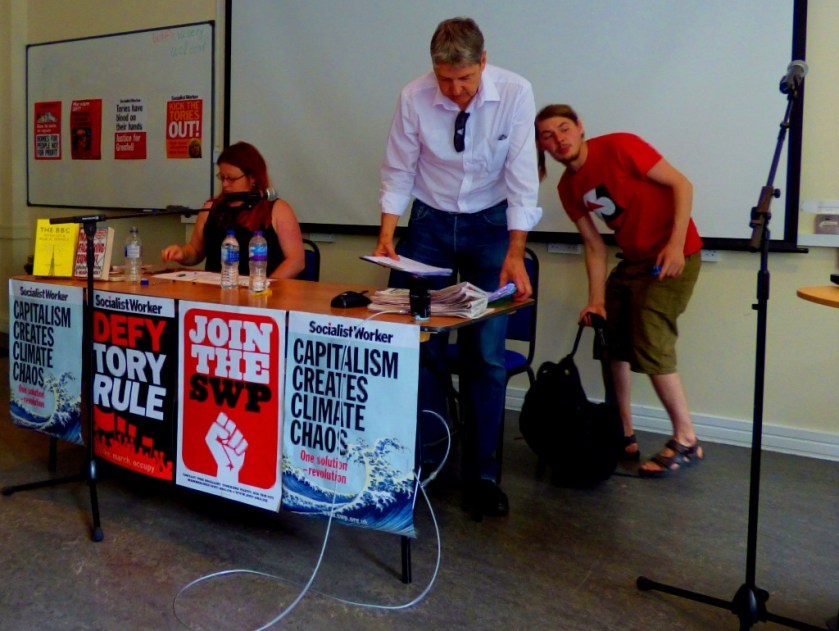
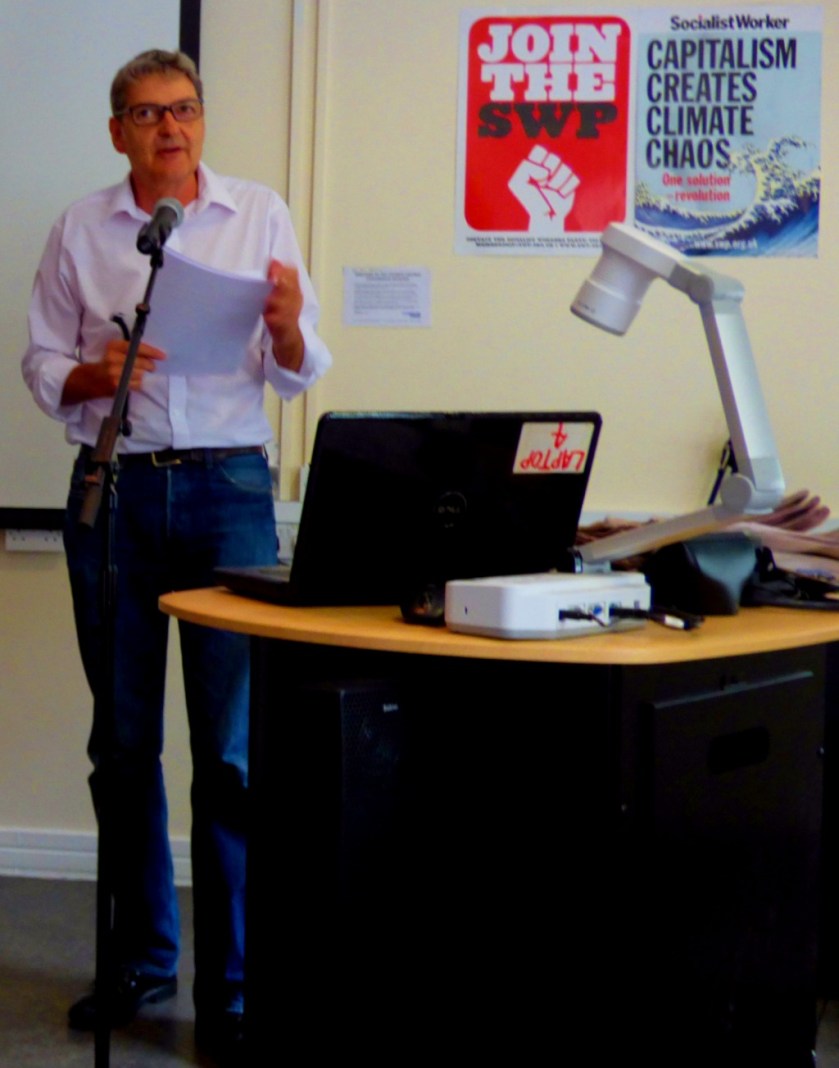
The Jeffrey Hall is the second largest venue in the Institute of Education, with a seating capacity of 500. It was pleasingly full for Ian Angus’ talk about Facing the Anthropocene. This talk was accompanied by numerous slides. Here are the first few pictures:
Due to the size of the venue a speaker slip system in operation, and Martin (crouched) was assisting the chair to decide what order speakers should be called in.
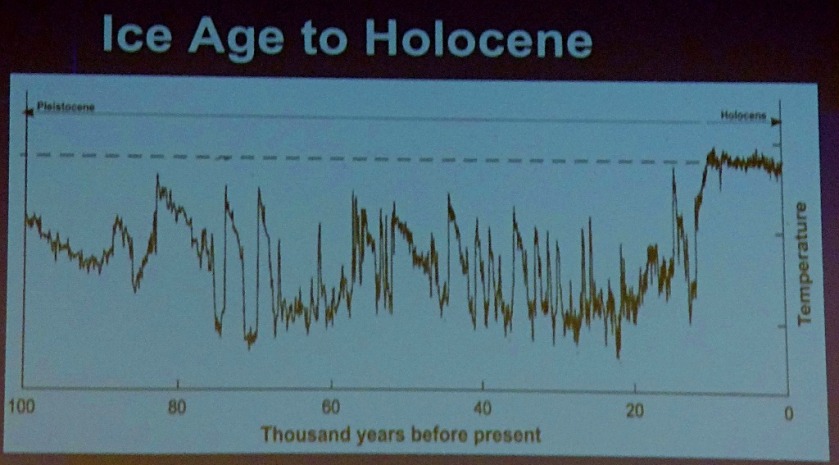
From this start the speaker went on to define the anthropocene:
This what the Anthropocene is NOT
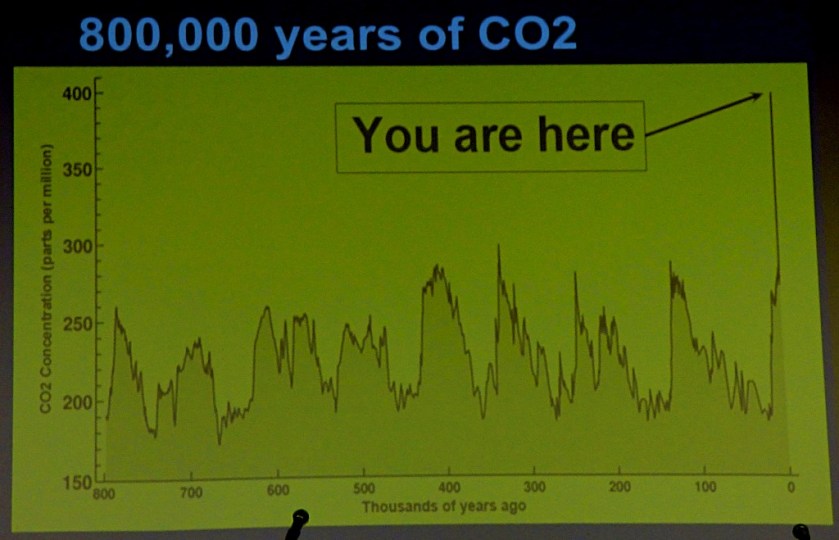
Note – current CO2 Levels are at 409-10ppm, with almost no one reckoning they can be stabilised below 450ppm and some talking in terms of 560ppm.
Before the Anthropocene the earth had seen five mass extinction events, and all evidence points to the fact that a sixth is upon us. Here are a few links to recent articles about this:
MEETING 2, SUNDA: A REDDER SHADE OF GREEN – MALET SUITE – IAN ANGUS
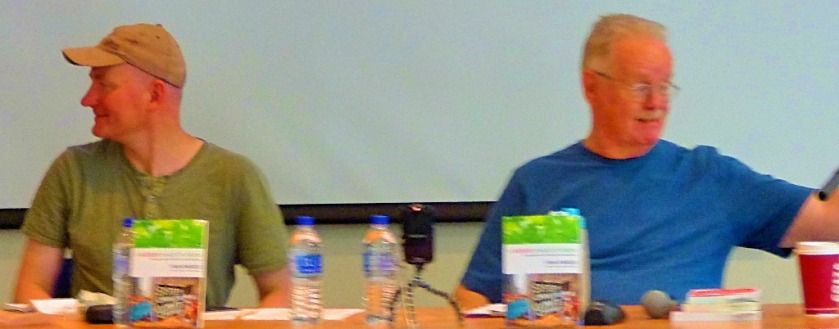
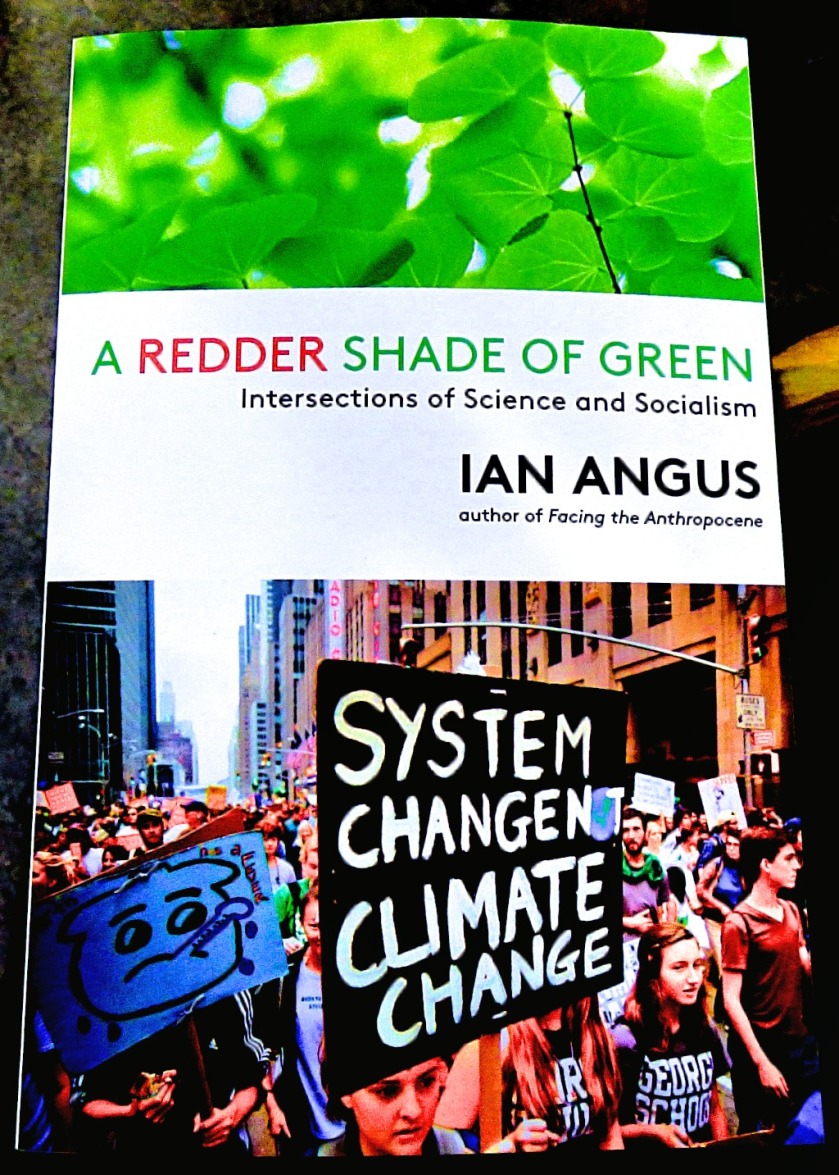
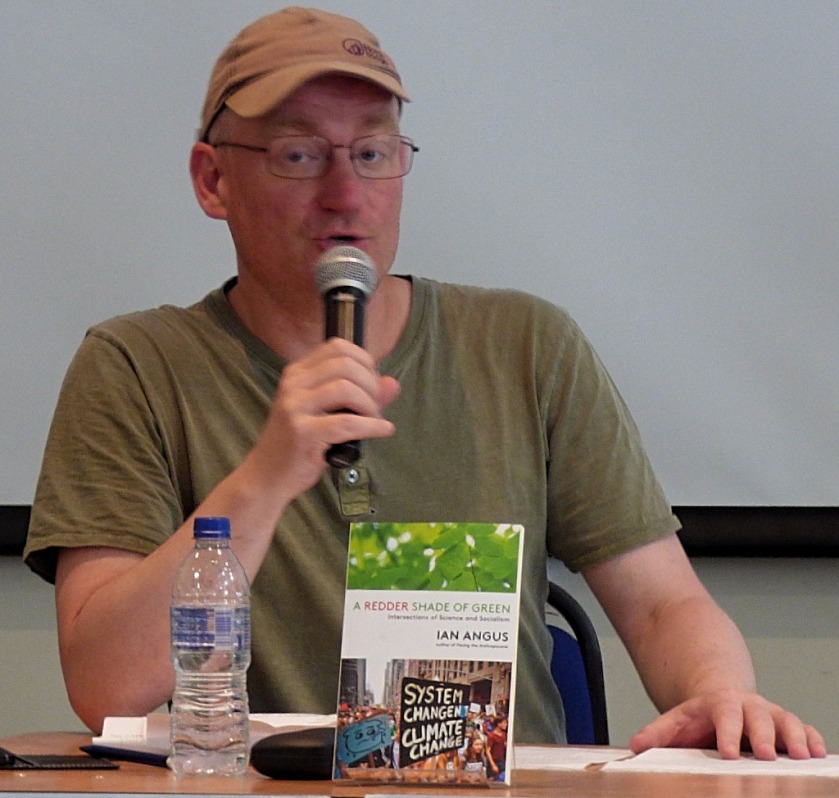
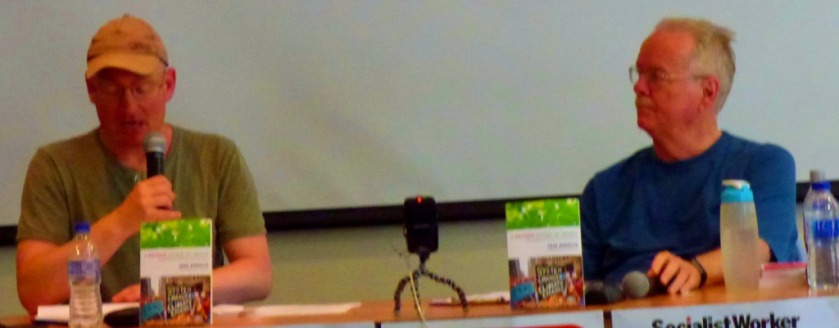
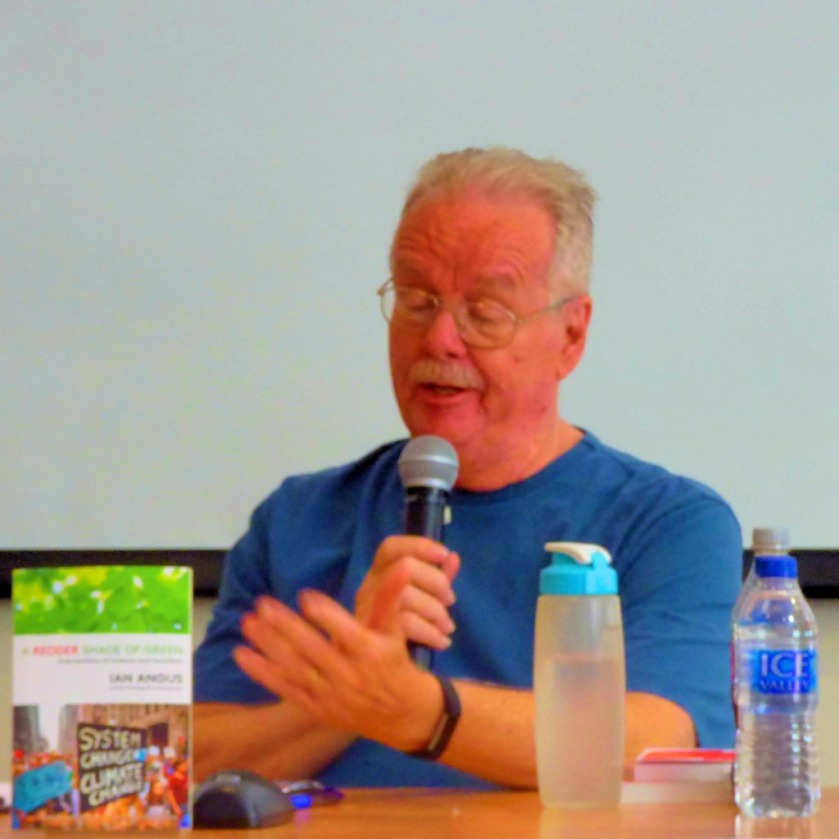
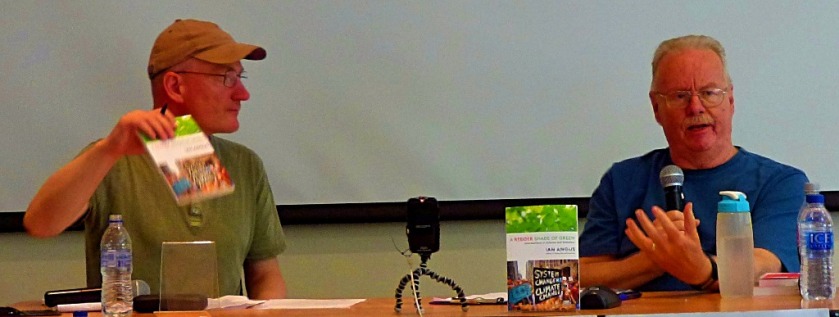
This was conducted in an informal style. Martin, chairing, asked Ian questions about his latest book (it is a good read btw) and Ian answered. After about half an hour questions were taken from the floor, and they were mainly excellent contributions. At the end of the meeting Ian signed copies of his book for those who were interested. Here are some photos:
The book – the only one I purchased at Marxism 2017 (there were many others I looked at)
PART 3: BUILDING THE MOVEMENT AGAINST CLIMATE CHANGE AFTER TRUMP WITHDRAWS FROM PARIS – SUZANNE JEFFERY
This meeting was in the session immediately after the second Ian Angus meeting, and before the closing rally. This was a really excellent meeting, with many people speaking from the floor about campaigns they were involved in, and the mood generally confident. Here are some photos:
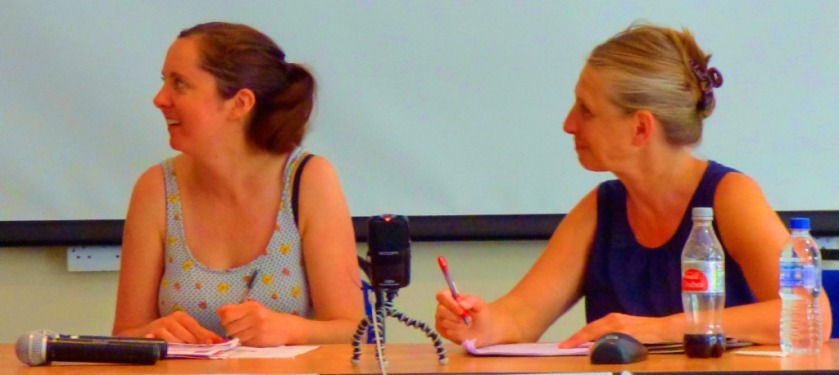
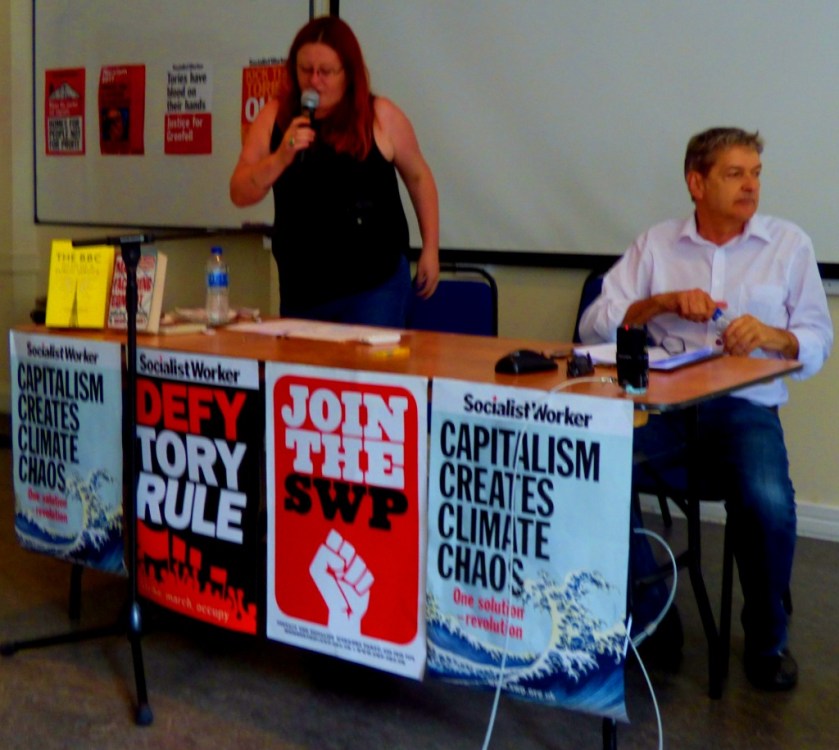
Chair Jasmine and main speaker Suzanne before the meeting.Jasmine opening the meeting.Suzanne giving her talk.
AFTERWORD
This post being about climate change and by extension nature I have decided to end with some links courtesy of Anna who has produced some excellent stuff about nature:
James and Sons July auction catalogue is now ready…
INTRODUCTION
Yesterday the catalogue for James and Sons July auction (24th – 26th, all three days at our premises on Fakenham town centre) was uploaded to the-saleroom and despatched to the printer. Before moving on I ask readers to note that some of the images in this post have been presented in ’tiled mosaic’ form – a left click on your mouse/ single finger push on your control pad on one of the images will open a gallery showing you the images at full size.
TUESDAY
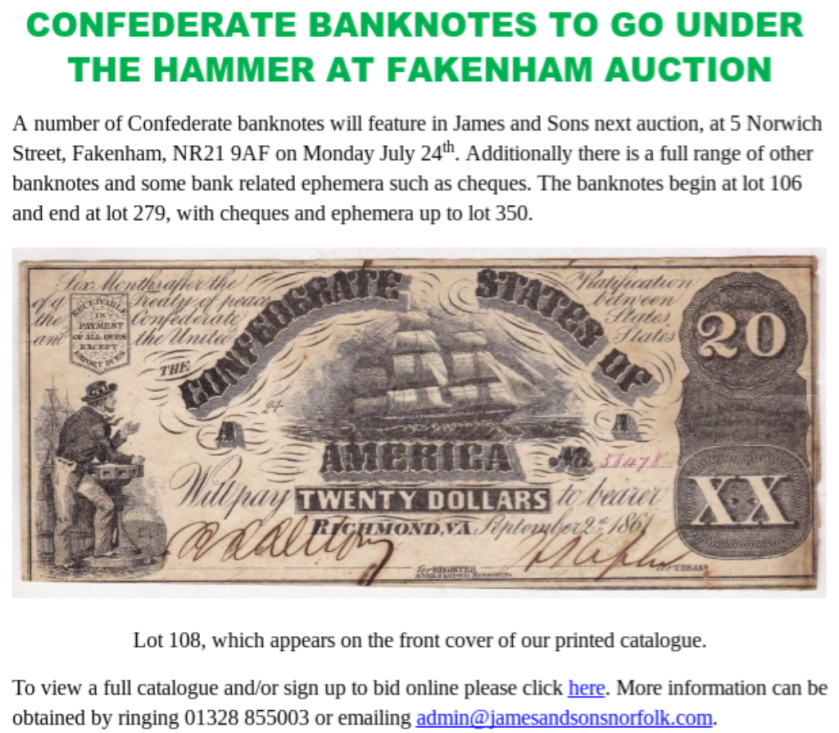
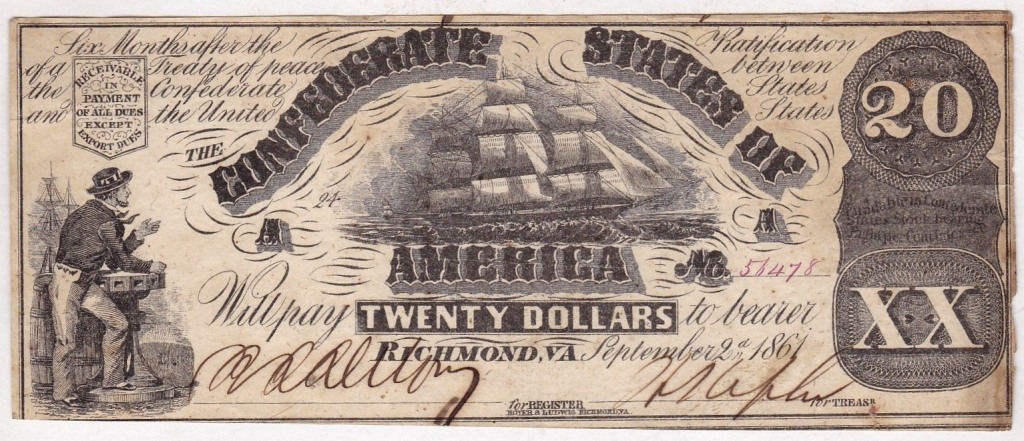
Between locating images of stuff that had already been imaged and imaging other stuff I made significant progress, although the amount that had not been done was still greater than the amount that had been done. Among the new images I created were those of some Confederacy bank notes, including the item selected to be on the front cover of the catalogue:
Images of this and the other banknotes of ithe same type are created using the scanner (200dpi only for these). Here are some more of these banknotes:
Having shown the scanner at work, here are some photos to finish this section, the full gallery of lot 1479:
THURSDAY
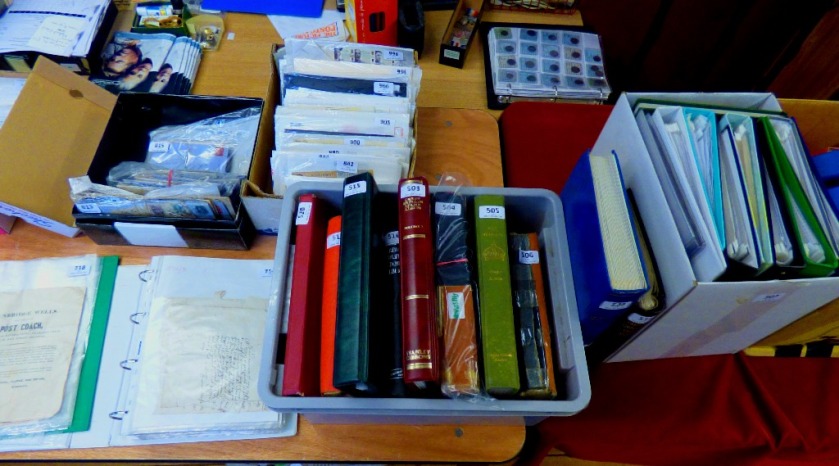
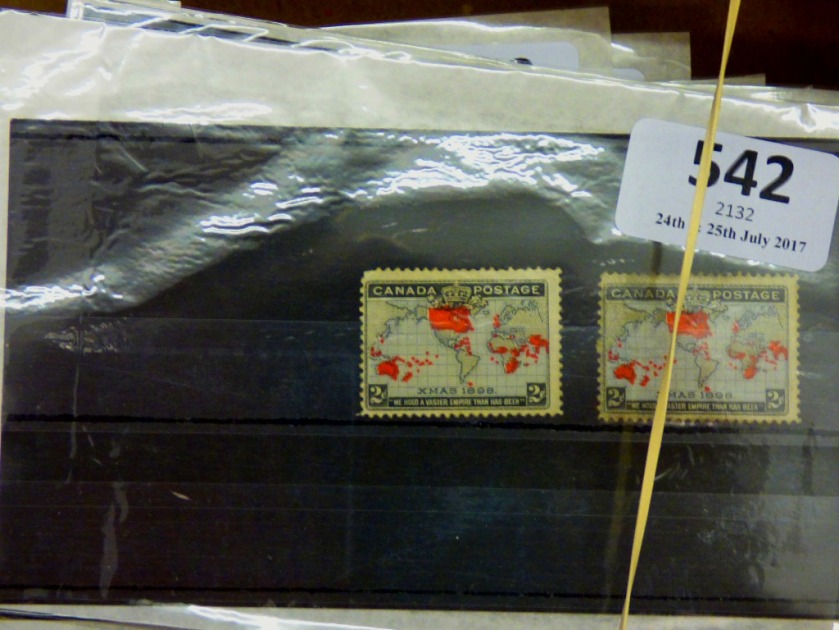
Most of the images on this day were transferred, but there were a few new ones, including lot 405 and some lots in the low 1,000s:
This little lot intrigued me.
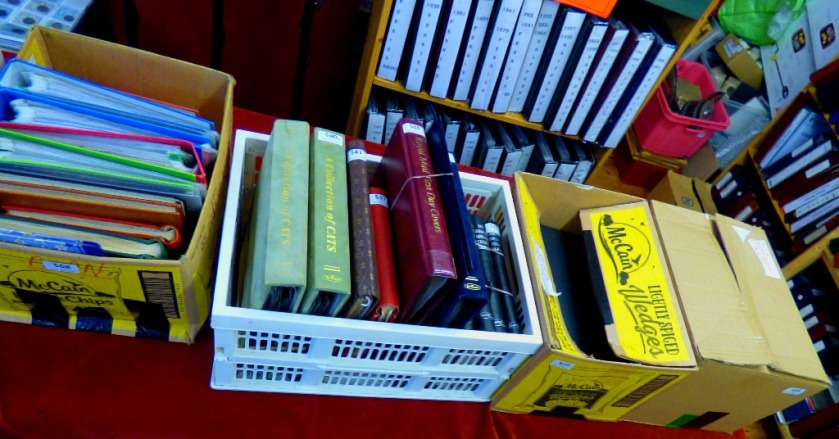
A few lots of cat themed covers, including some with coins.
FRIDAY
I started this day by imaging some lots for the cover:
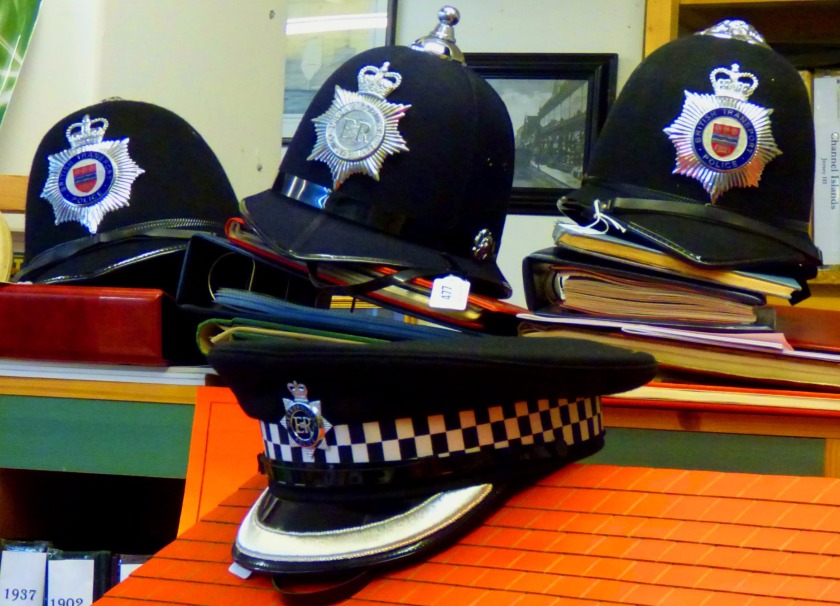
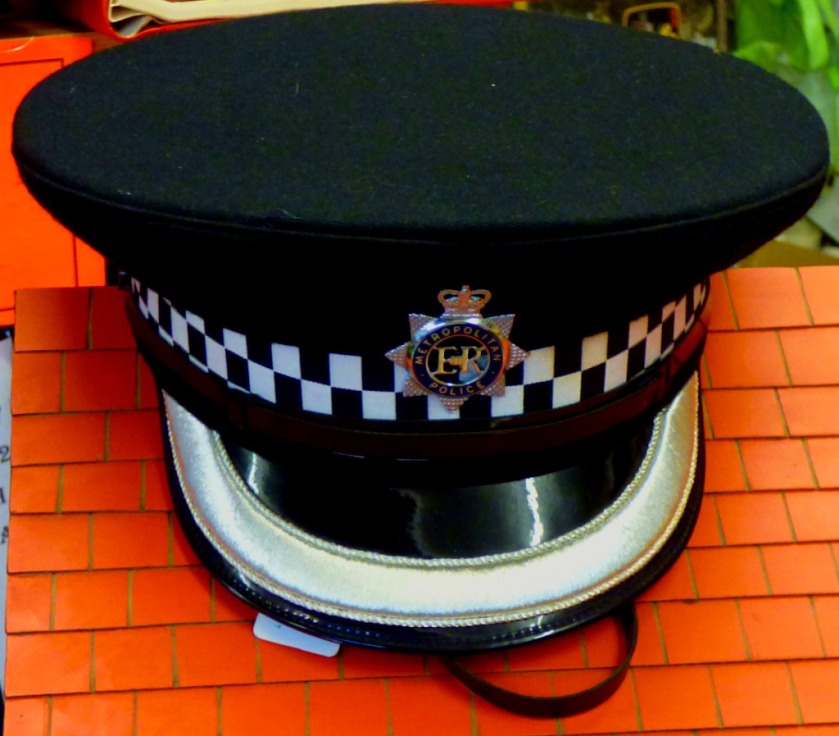
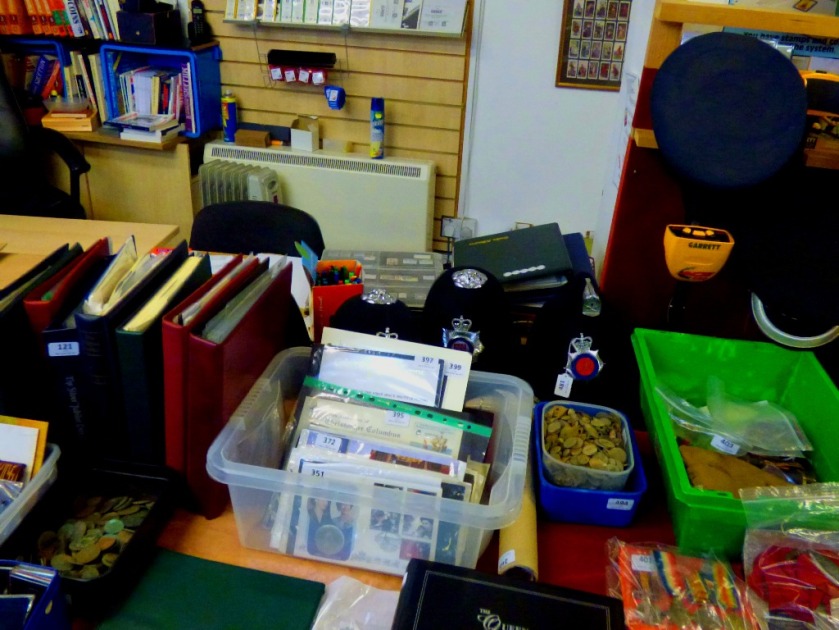
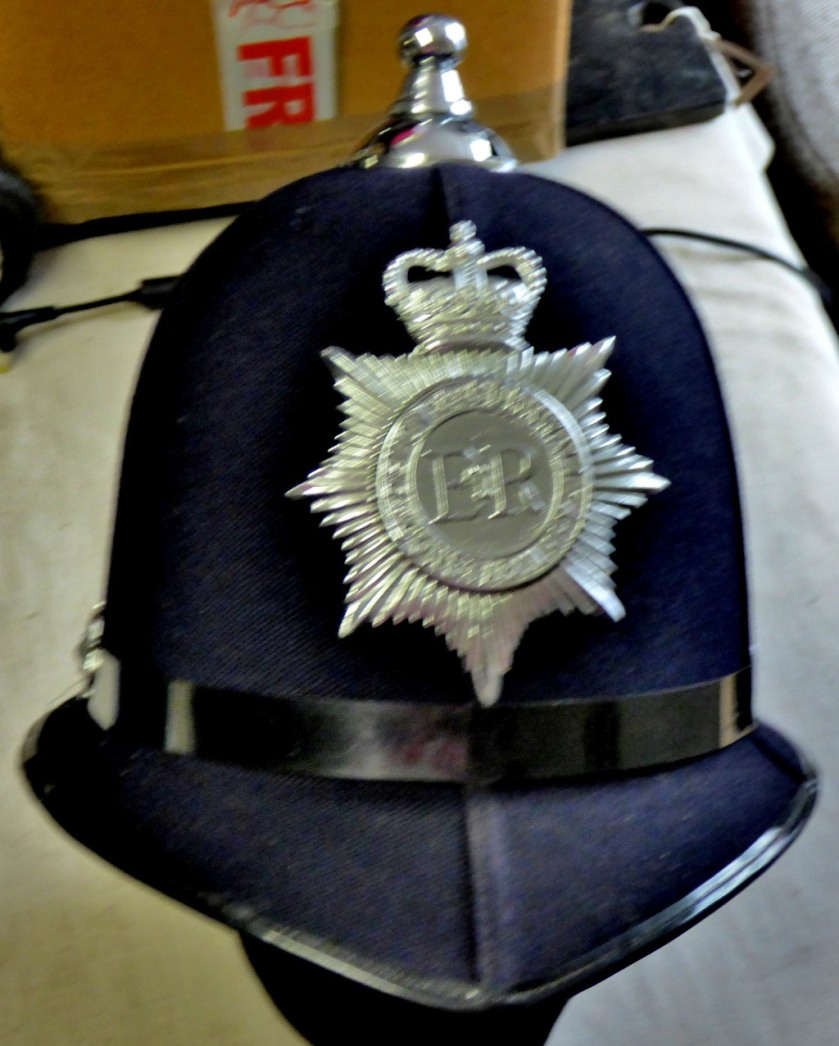
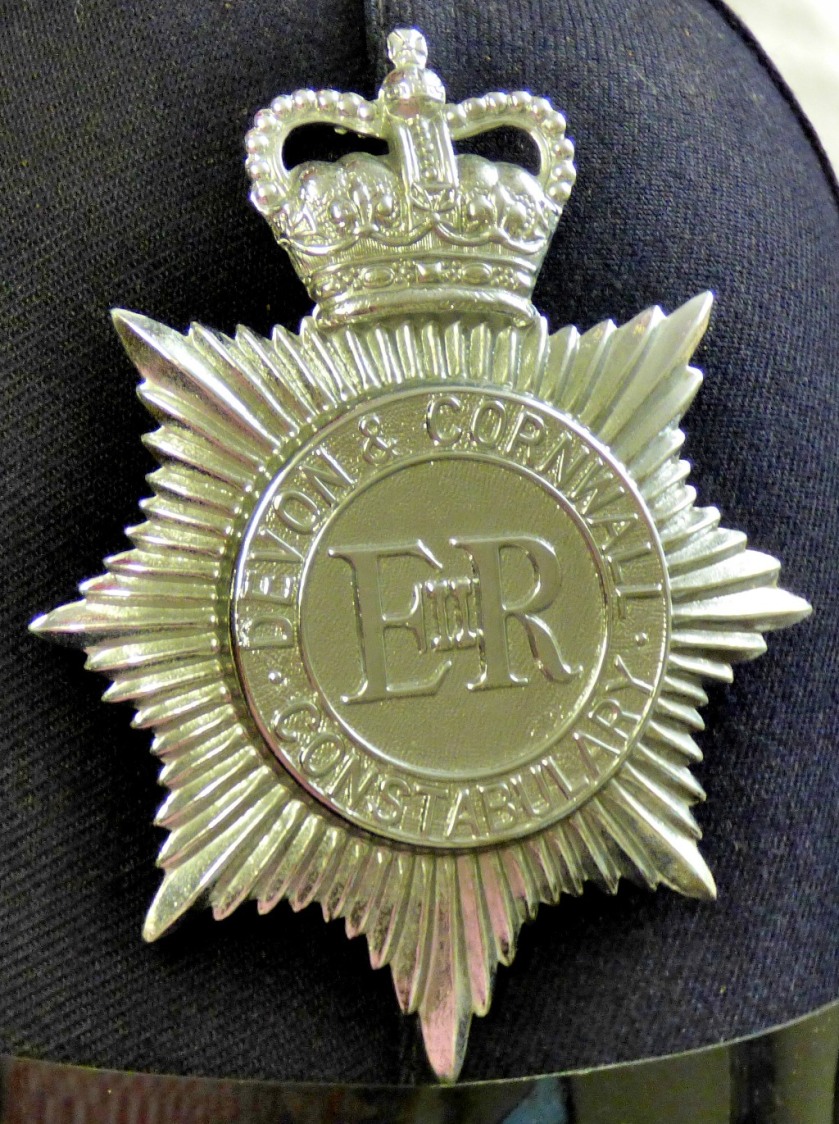
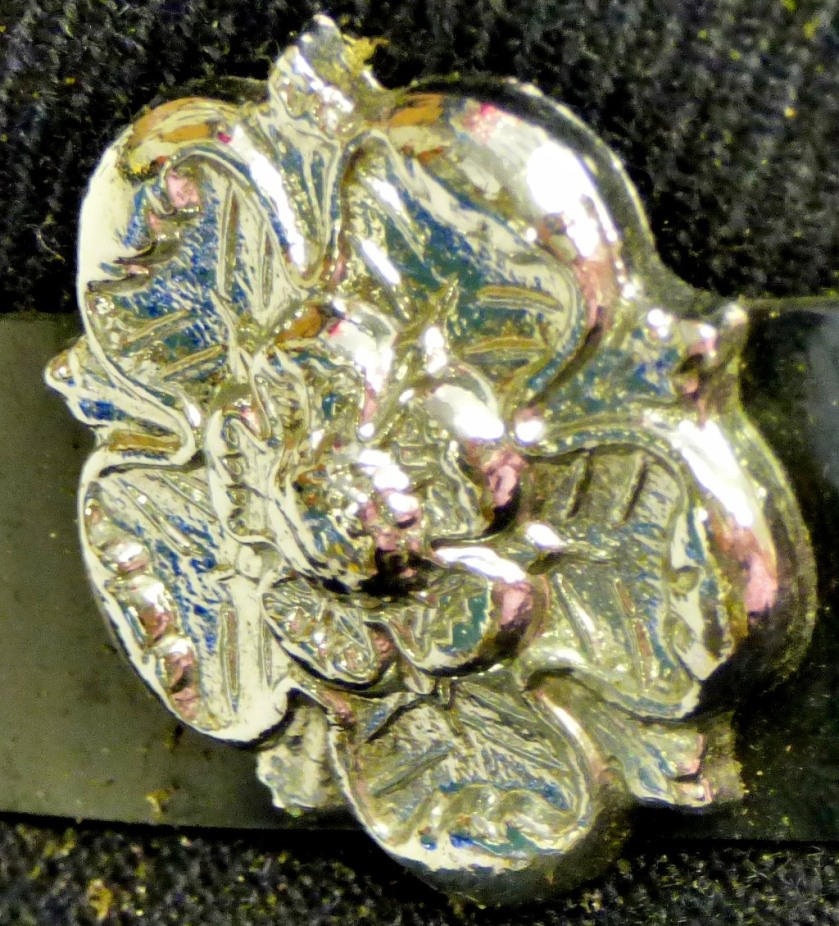
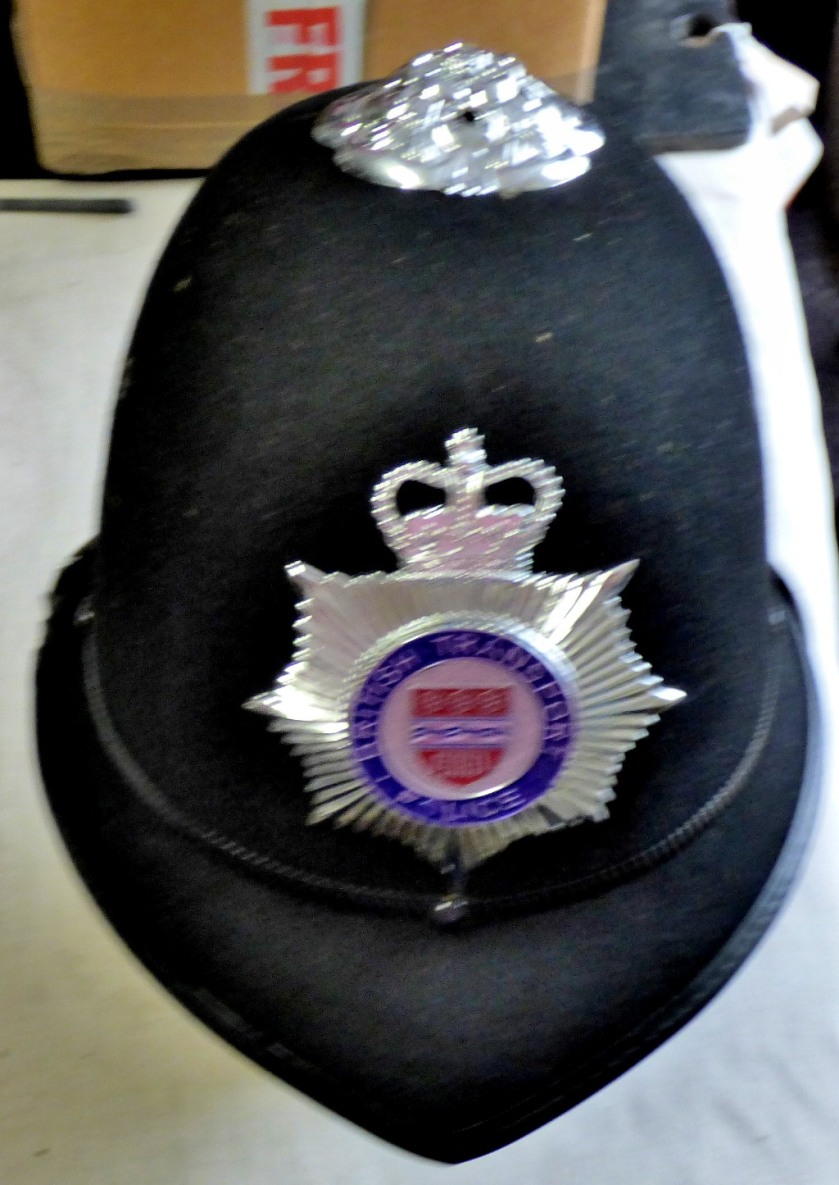
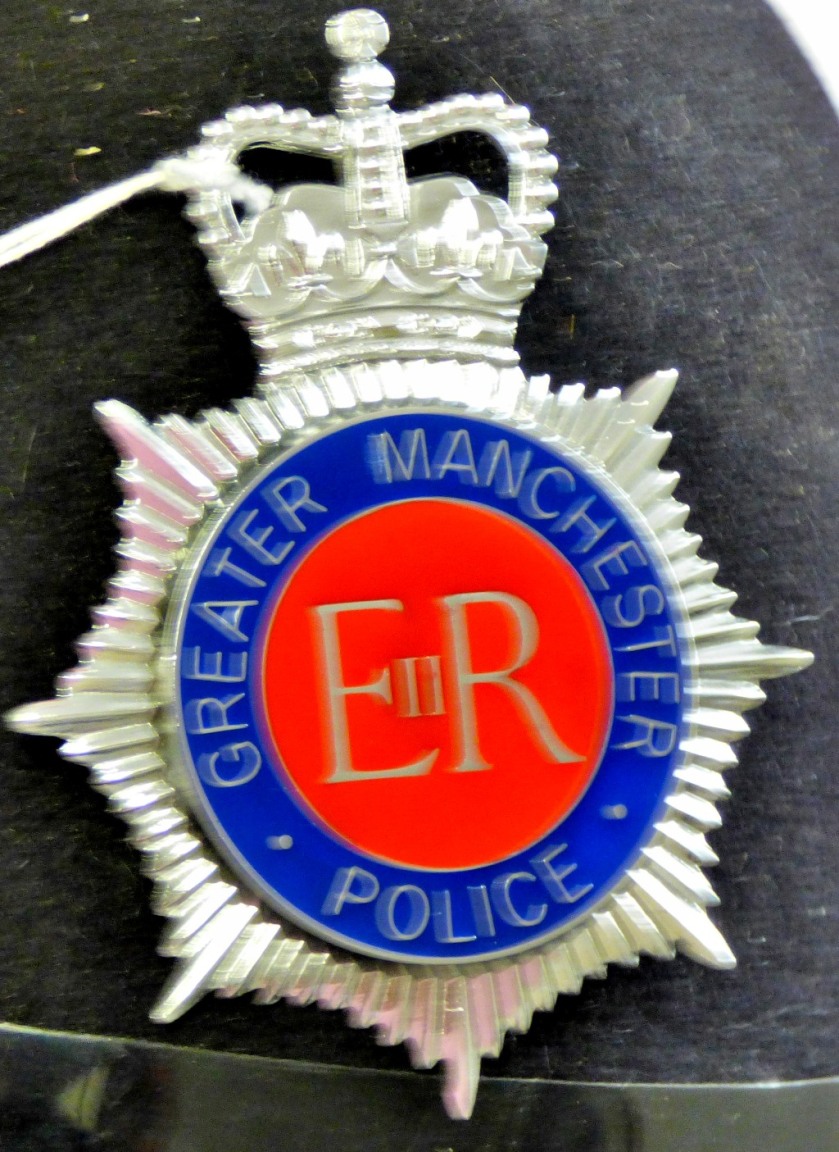
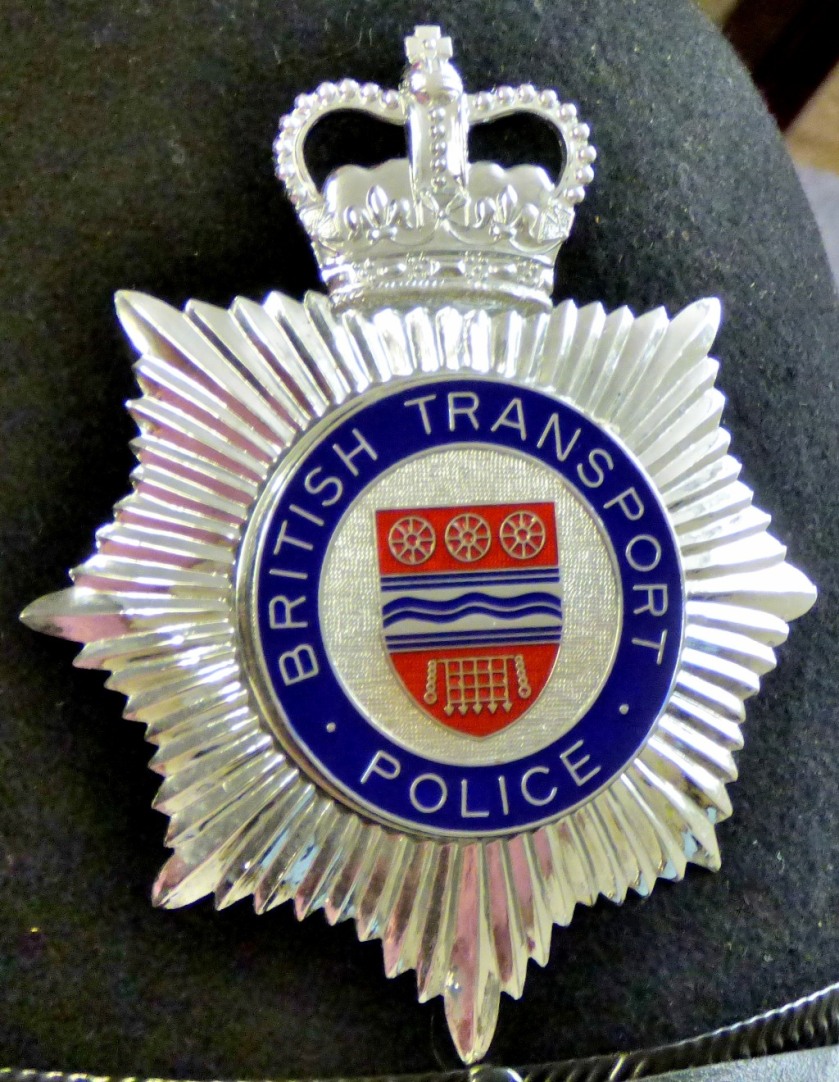
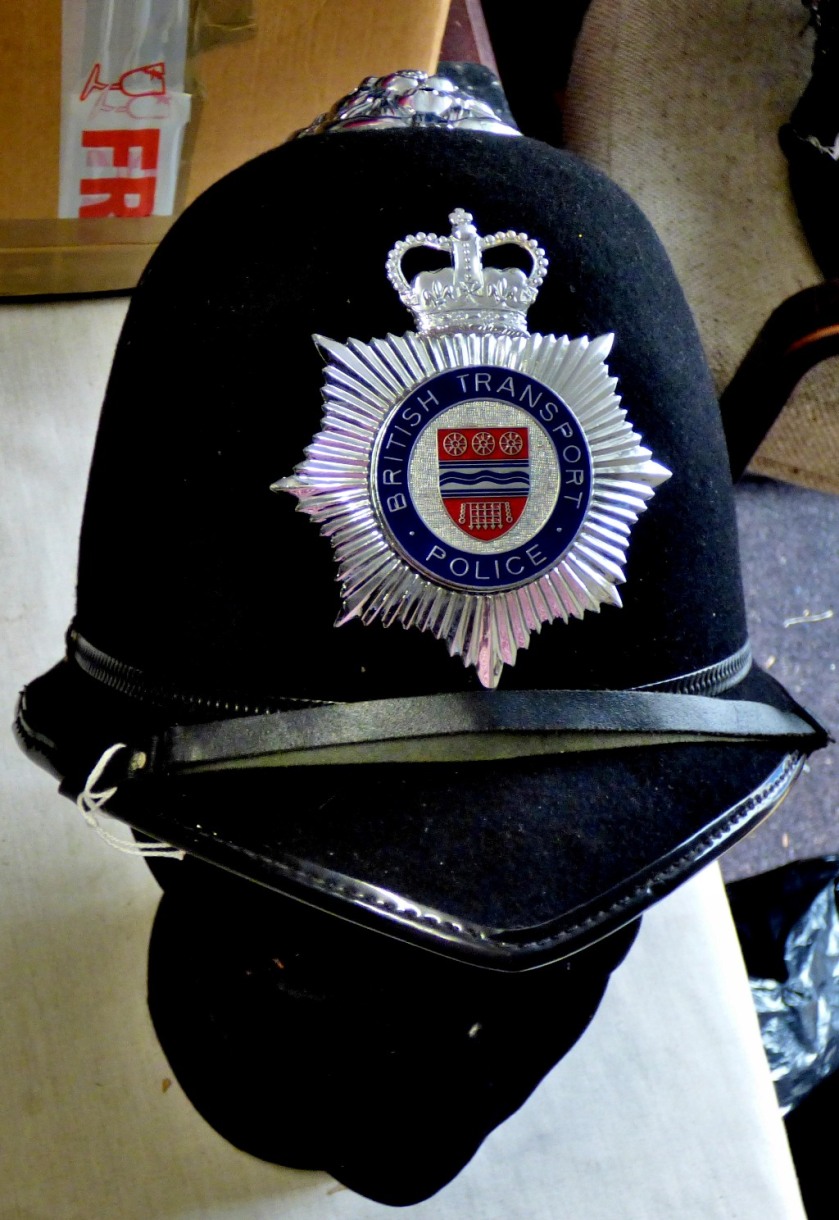
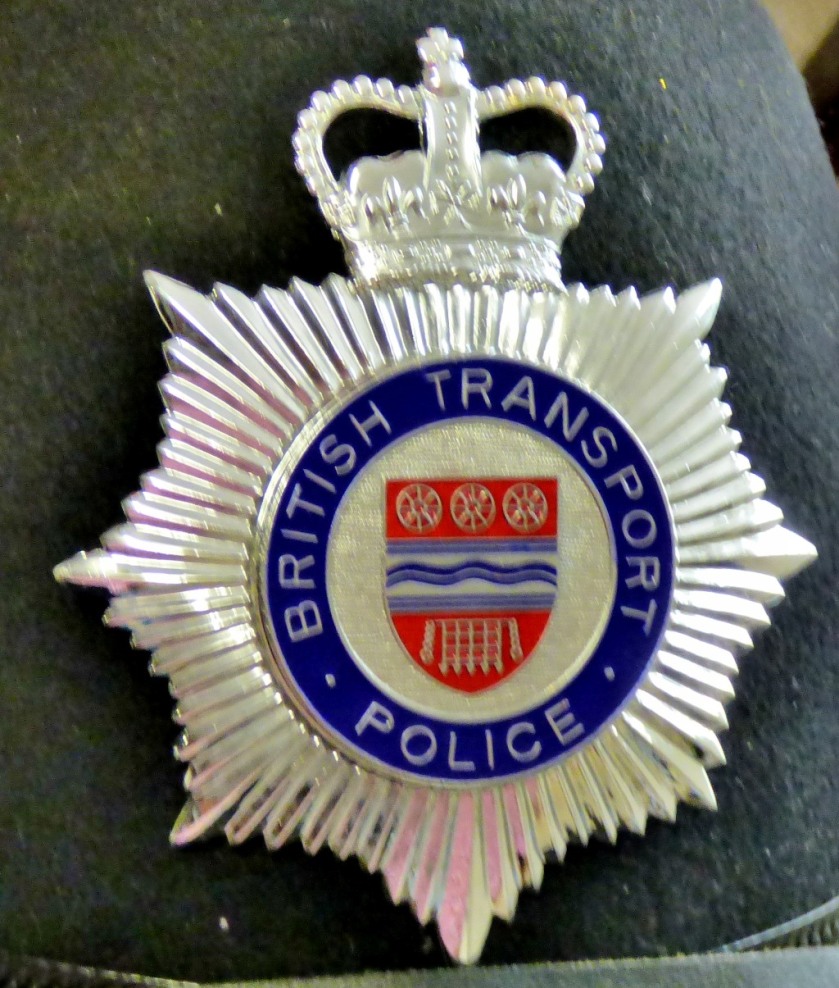
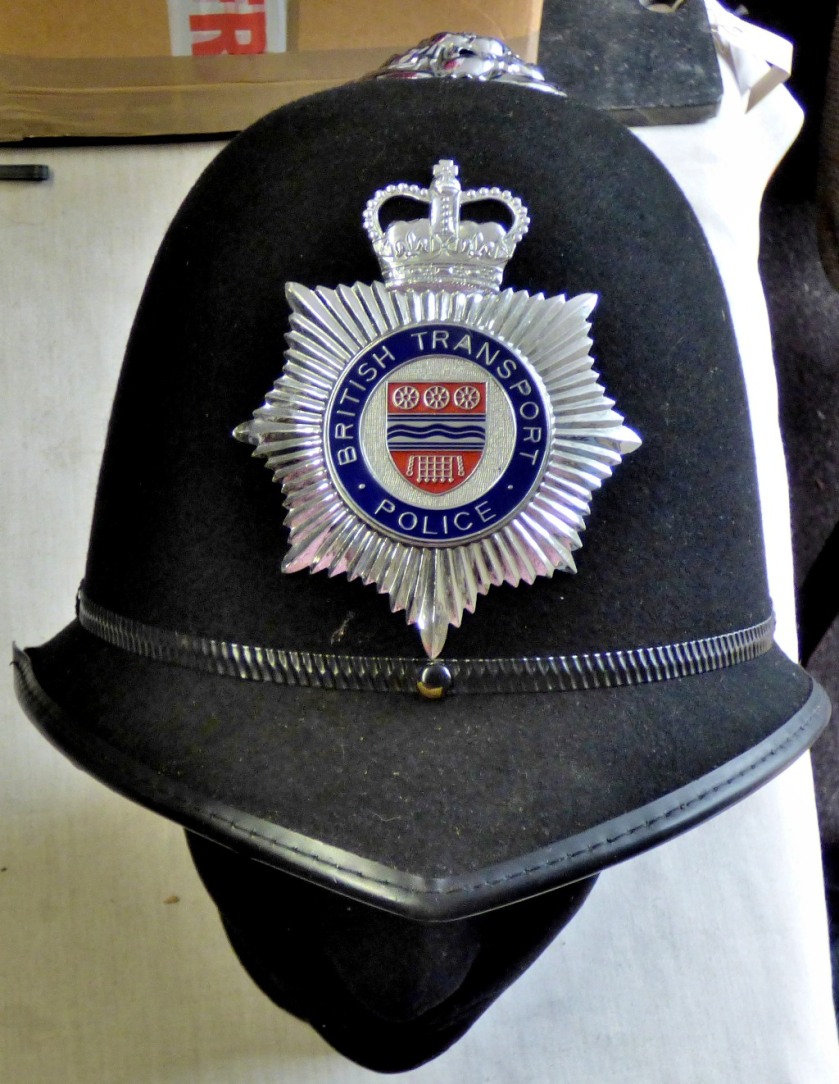
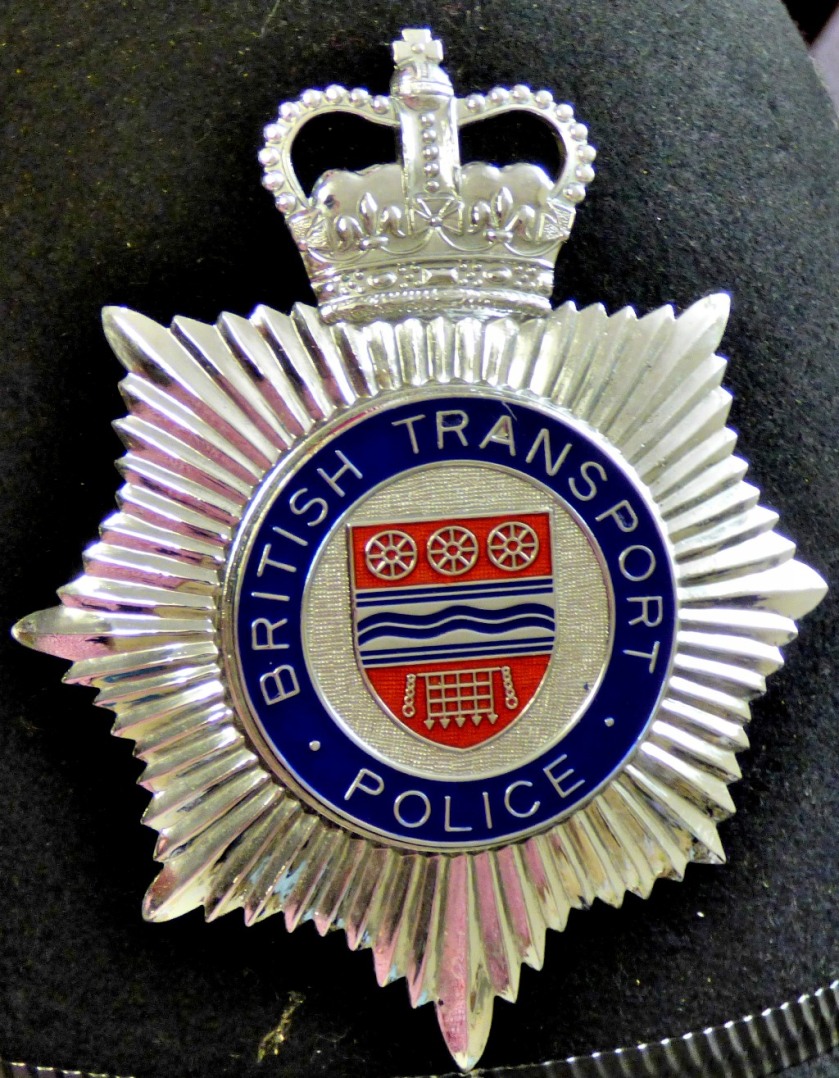
Of the rest of the stuff I imaged yesterday the most interesting lots were some police helmets:
LOOKING AHEAD
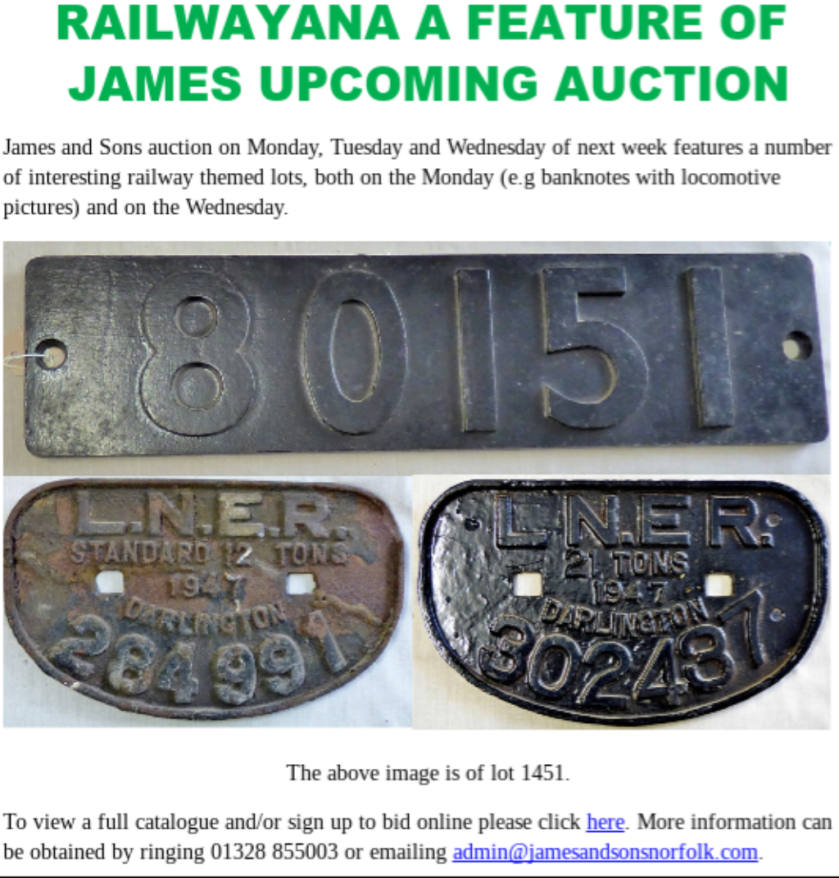
While there remains some imaging to do for this auction, and stuff for August will sloon be ready for imaging I will also have to put out various auction alerts and press releases next week. I will definitely be contacting buyers of banknotes, cigarette cards, railwayana, stamps and postcards. The railwayana email will feature lot 1451:
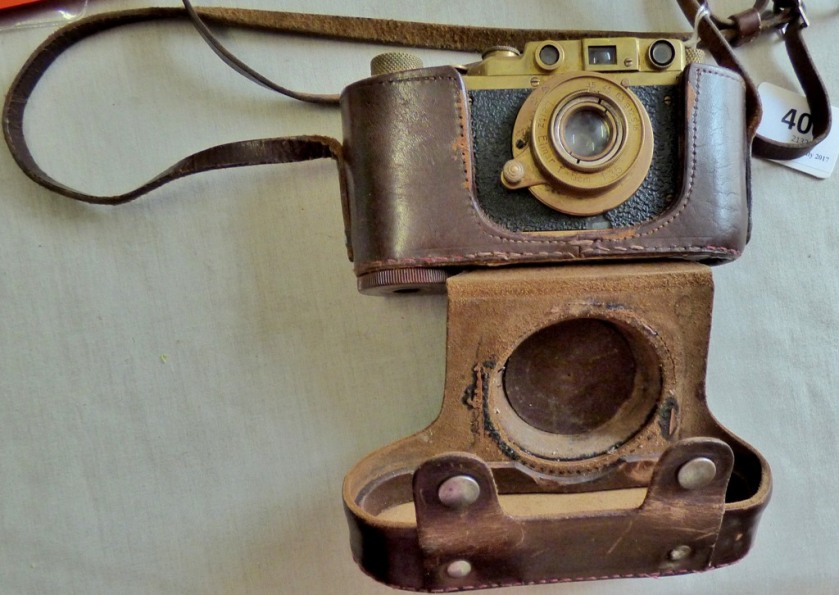
If I have scope (i.e. have not reached an email sending limit) I will also send out an email to militaria buyers. Our best item in this category this month is a camera used by the Luftwaffe:
Continuing my personal account of #Marxism2017 with two disability themed meetings.
INTRODUCTION
Welcome to this continuation of my series about Marxism 2017. This post focusses specifically on the two meetings on disability, which took place during the second and fifth slots on the Saturday.
DISABILITY AND RESISTANCE
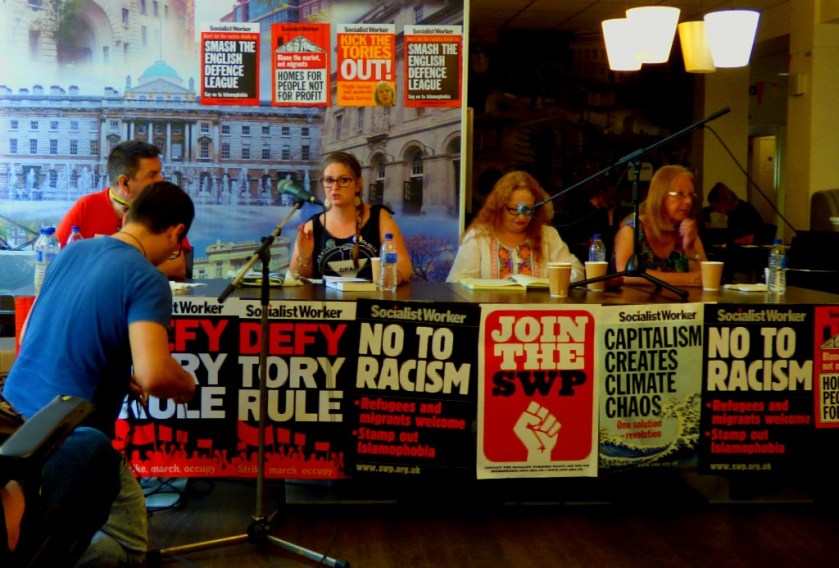
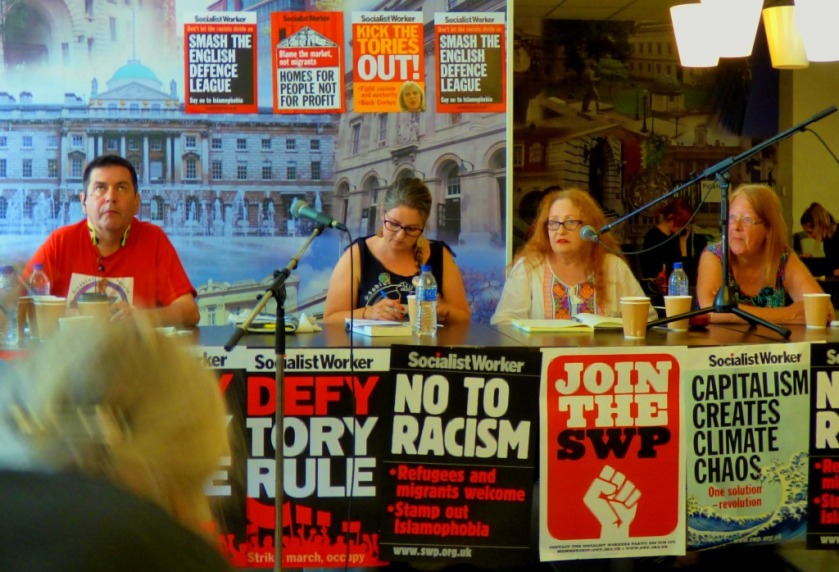
This meeting was scheduled for room 3E, but when the main lift at Student Central broke down and resisted all efforts to get it working again it was rescheduled for the ground floor. As soon as it was known that the lift was busted the organisers of the festival made it clear that refunds would be available for those who thought they could no longer enjoy the event (there was only one ground floor location remotely suitable for meetings, and three meetings in each session were scheduled for rooms on the 3rd floor, which was inacessible to the physically disabled without the lift working.). Although the ersatz meeting venue was not ideal it was the least bad solution for this meeting.
This meeting was packed full of inspirational stories from various campaigns. As an autistic person I identify particularly strongly with struggles for disability rights. I am a member of group of whom (UK figures – feel free to give me others from elsewhere in the world if you know them) 74% are unemployed, and 85% are under-employed.
Here are some pictures:
Amy, organiser of the festival, speaking to the panel before the meeting started.
HOW CAN DISABLED PEOPLE WIN LIBERATION – RODDY SLORACH
The lift appeared to working again during lunch, but then packed up again and could not be coaxed back to life again, so again we were in the ersatz venue. There was an additional problem this time in that the machines in the cafe outside which we were based were shutting down, creating a lot of background noise. Although 6 hours had elapsed since the end of the panel meeting covered above this meeting felt in many ways like a continuation of the other, with every contribution being inspiring. Although I did not speak myself I was pleased to note that three other autistic people did make contributions. I conclude this post with a few photos:
With two meetings being held facing it I got a good look at this ‘internal mural’.
An outline of day 3 at Marxism 2017, setting the stage for two further posts.
INTRODUCTION
Wel come to this latest post in my series about Marxism 2017. The Saturday at Marxism is always the busiest day of the festival. For this reason I am doing three posts about the day, this one, one that covers the two disability themed meetings I attended and one which will also cover a meeting from Sunday devoted to Ian Angus’ two talks, “Facing the Anthropocene” and “A Redder Shade oif Green”.
THE TIMETABLE
Here to show you the scale of the event is the timetable for thia day:
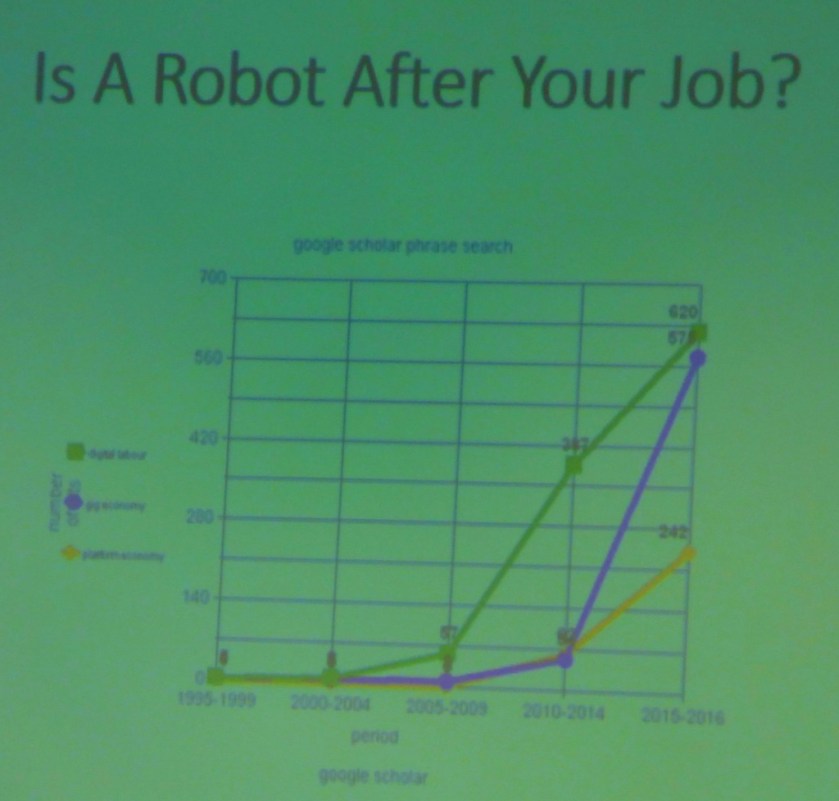
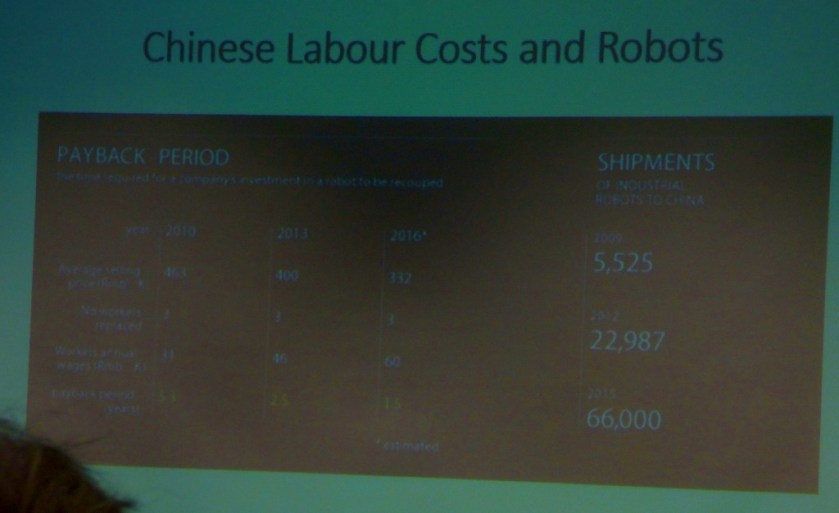
IS A ROBOT AFTER YOUR JOB? MARTIN UPCHURCH – FRIENDS MEETING HOUSE
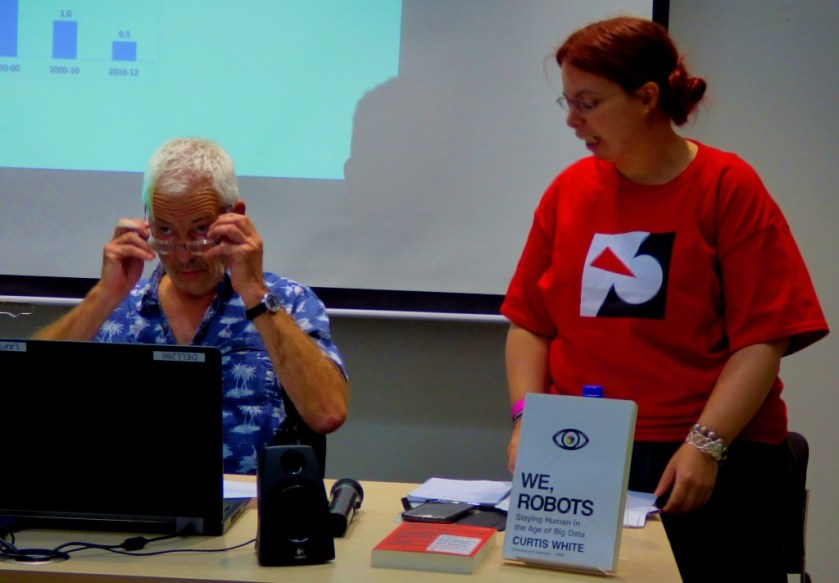
For the Saturday we were using venues at three locations, Student Central, The Institute of Education and Friends Meeting House. This meeting took place in the Hilda Clark room, which is on the first floor of Friends Meeting House. The answer to the question in the meeting title is “probably not”. As yet robots still require humans to watch them to ensure gthat they function as they are supposed to, and that is likely to remain the case for some time. Here are some photographs:
It was announced during this meeting that the main lift had failed in Student Central and gthat as yet the engineer had been unable to fix it. Therefore the panel meeting on disability was moved to a ground-floor location because the backup lifts only went up to the first and second floors (duh!). Barring a brief period at lunchtime this main lift did not work again during the rest of the event.
DISABILITY AND RESISTANCE
I will be dealing with this meeting and the last one of the day in a separate post. For the moment here are a picture from the first and a couple of lunchtime pics:
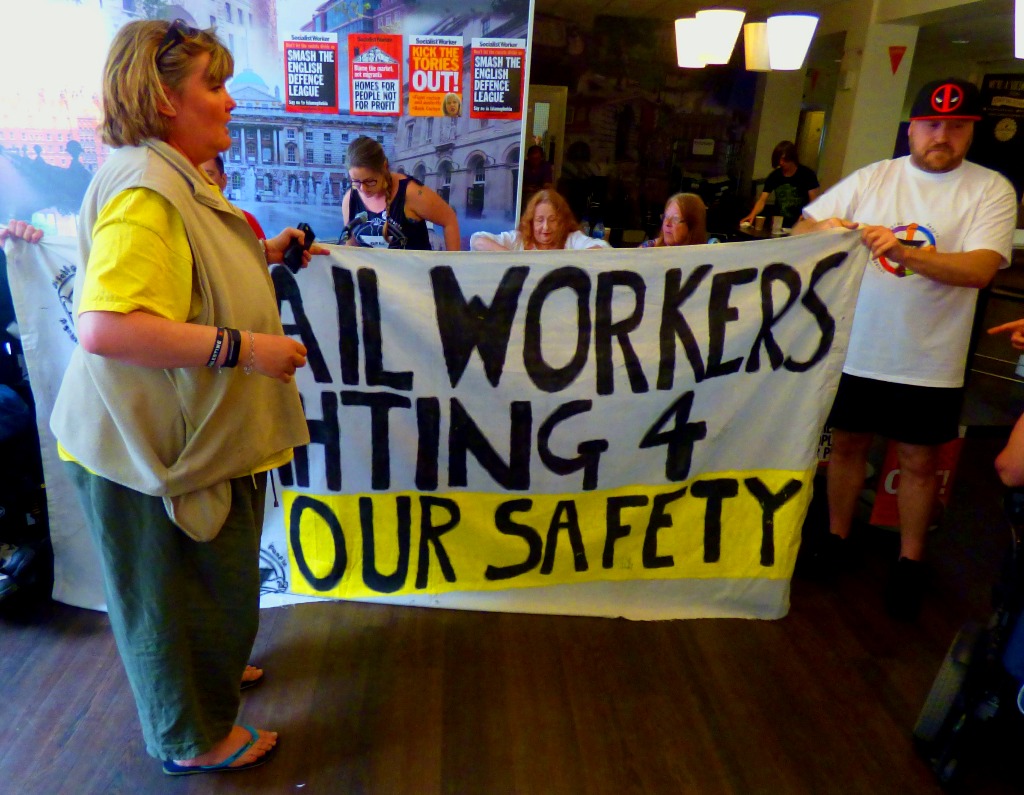
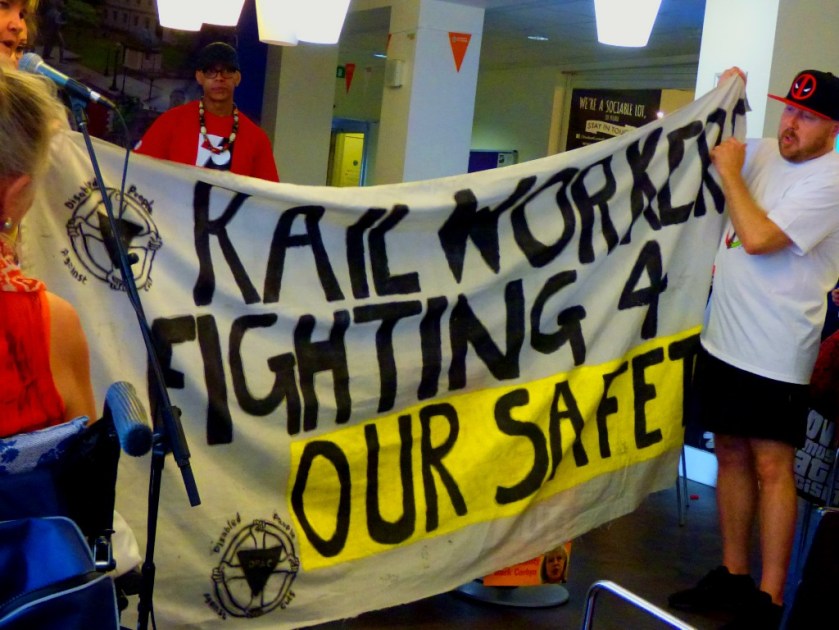
The woman in front of the banner is Paula Peters of Disabled People Against Cuts (DPAC).The Norwich & East Anglia picnic. A small donation buys you a meal – the guide prices are £3 waged and £1 unwaged, and as someone who is employed part-time I split the difference with £2.The canary is the symbol of Norwich City FC, and this specimen can be seen at a fair distance.
HOW THE MEDIA LOST ON JUNE 8TH – IAN TAYLOR (STUDENT CENTRAL)
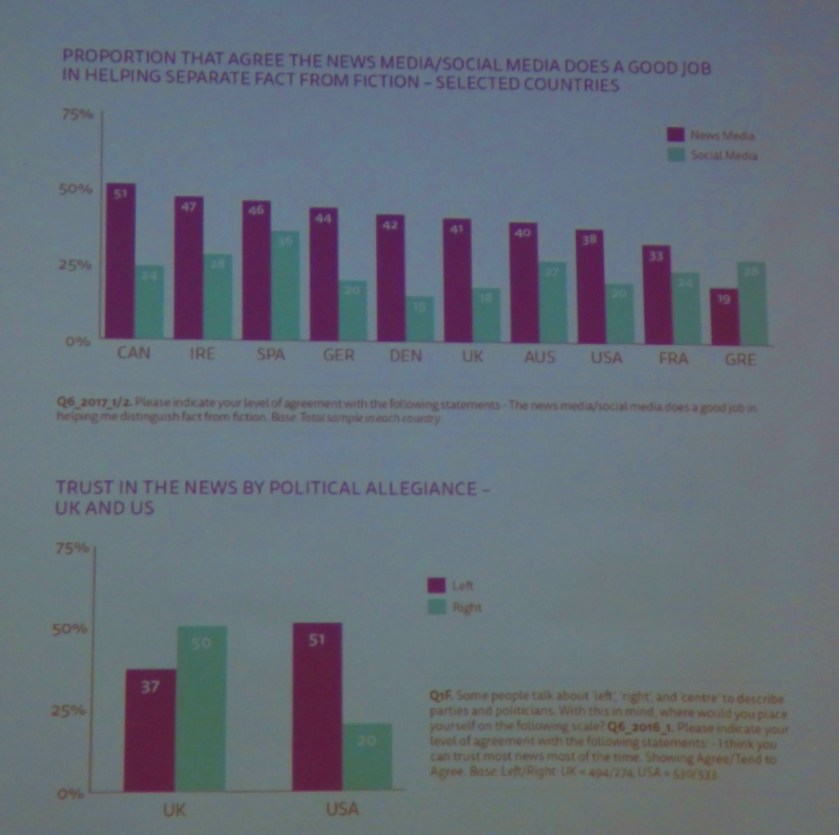
The mainstream media were virtually unanimous in predicting (and in most cases making it obvious that they wanted) a Tory landslide in the June 8th General Election. The fact that the Tories ended up without a majority at all, and that Labour increased their presence by 30MPs was one in the eye for MSM. Newspapers are losing readers at a vast rate, and readers are increasingly not taking their papers on trust. Since this meeting happened we have seen Theresa May begging for policy ideas (“here is a copy of our manifesto!”), and a Prime Ministers Questions where both leaders were absent, and Emily Thornberry starred for Labour while Damien Green for the Tories managed the less than challenging feat of doing a better job than Theresa would have done. Here are some pictures:
FACING THE ANTHROPOCENE – IAN ANGUS – INSTITUTE OF EDUCATION
I am covering this meeting and Ian Angus’ other meeting which took place a day later in a separate post. For the moment here are a few of the pictures from this one:
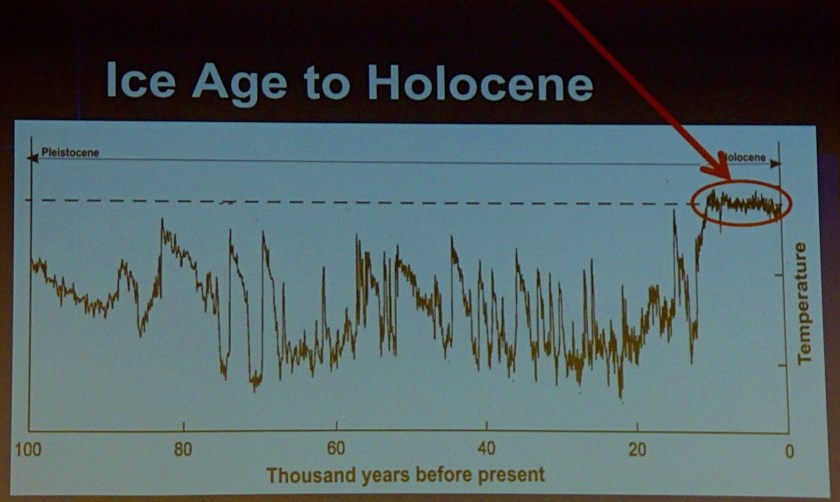
The first seven pictures in this section provide the facts that show us tgo be in the Anthropocene.
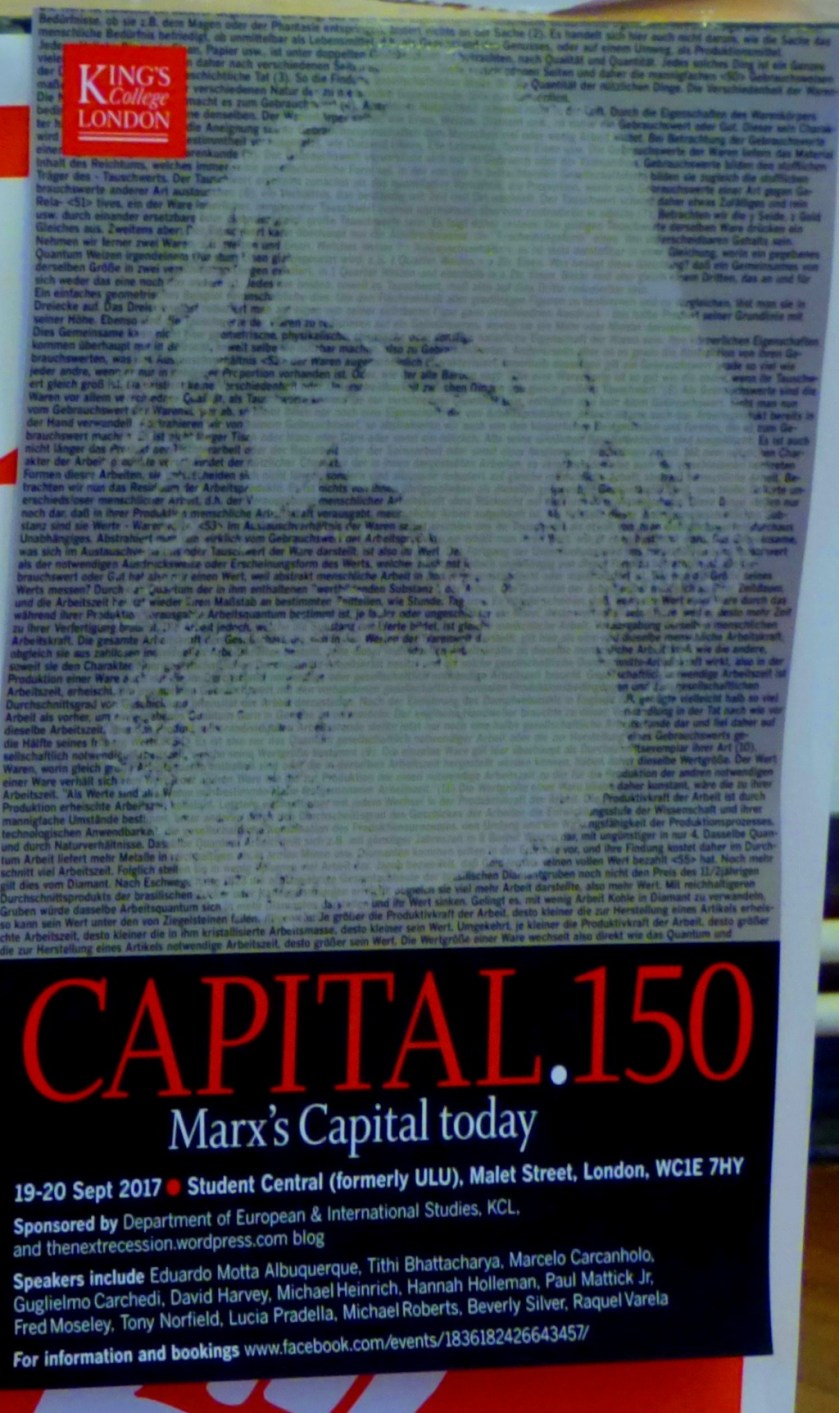
150 years on this remains an excellent summary of our responsibilities tro our planet – and one that has been neglected shamefully.
HOW CAN DISABLED PEOPLE WIN LIBERATION? – RODDY SLORACH – SC
My final meeting of the day was back at Student Central, and as with the earlier panel meeting had been relocated due to the faulty lift and the fact that the backup only went as far up as the second floor. As I will be covering this meeting in more detail in another post, suffice to say that it was an inspirational end to the day. Here to end this post is the chair advertising Roddy’s book:
Welcome to the next post in my series about Marxism 2017. The event finished with the Closing Rally last night, after which I travelled back to King’s Lynn. I have quite a few more posts to do before this series finishes however.
DAY 2
I was staying in a room in a University hall of residence about a 15 minute walk from the event, which suited me very well. I set off at about 9:20AM (the first meeting session started at 10AM, and I wanted to be early because the meeting I had chosen was likely to be very well attended. I arrived at Student Centralat about 9:30 and took the stairs to the third floor as the meeting was scheduled for the Upper Hall (I am old enough to have attended meetings there when it was still called the Badminton Court).
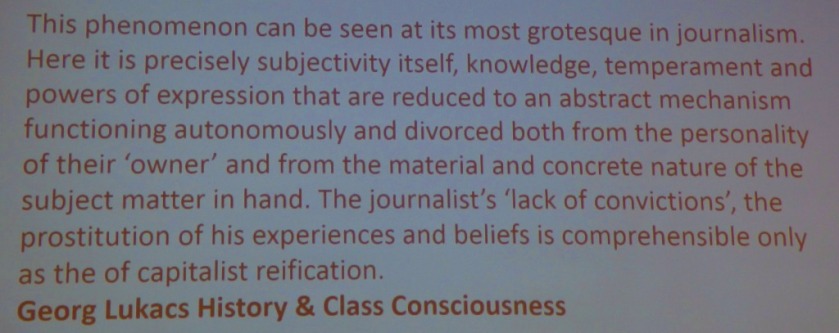
FAKE NEWS: MEDIA, TRUTH AND POWER – SIMON BASKETTER
This was a splendid way to start the day. There was some very entertaining stuff, with serious purpose. The events of June 8th showed everyone who was not already aware that there are limitations to the power of the media – our mass media were universal in predicting (and in most cases wanting) a huge majority for Theresa May and the SelfConservatives and of course she ended up with no majority, dickering with the foul bigots of the DUP to hang on to the power. Of course she is now so desperate that she is asking Labour for ideas (Jeremy Corbyn’s response: “I’ll give you a copy of our manifesto”). Here are some photographs to help tell the story:
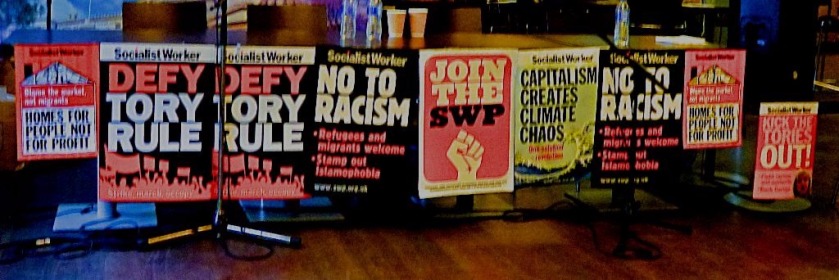
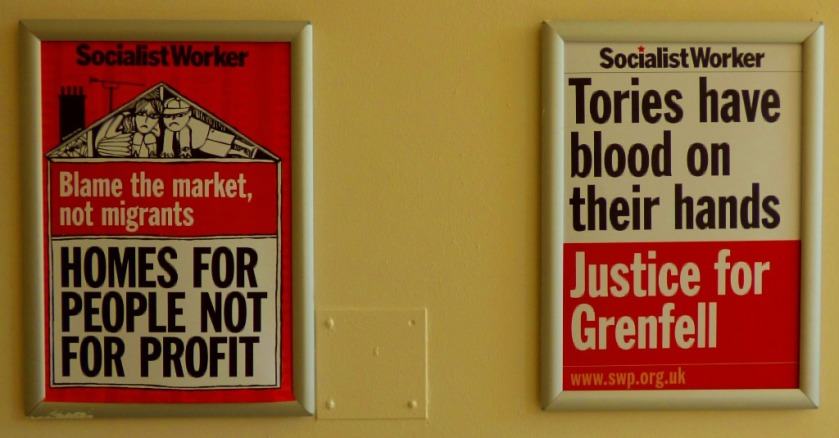
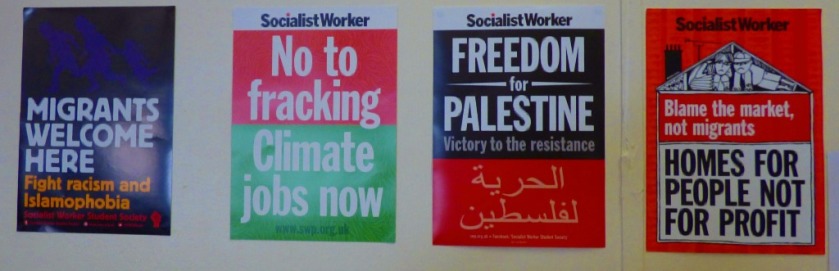
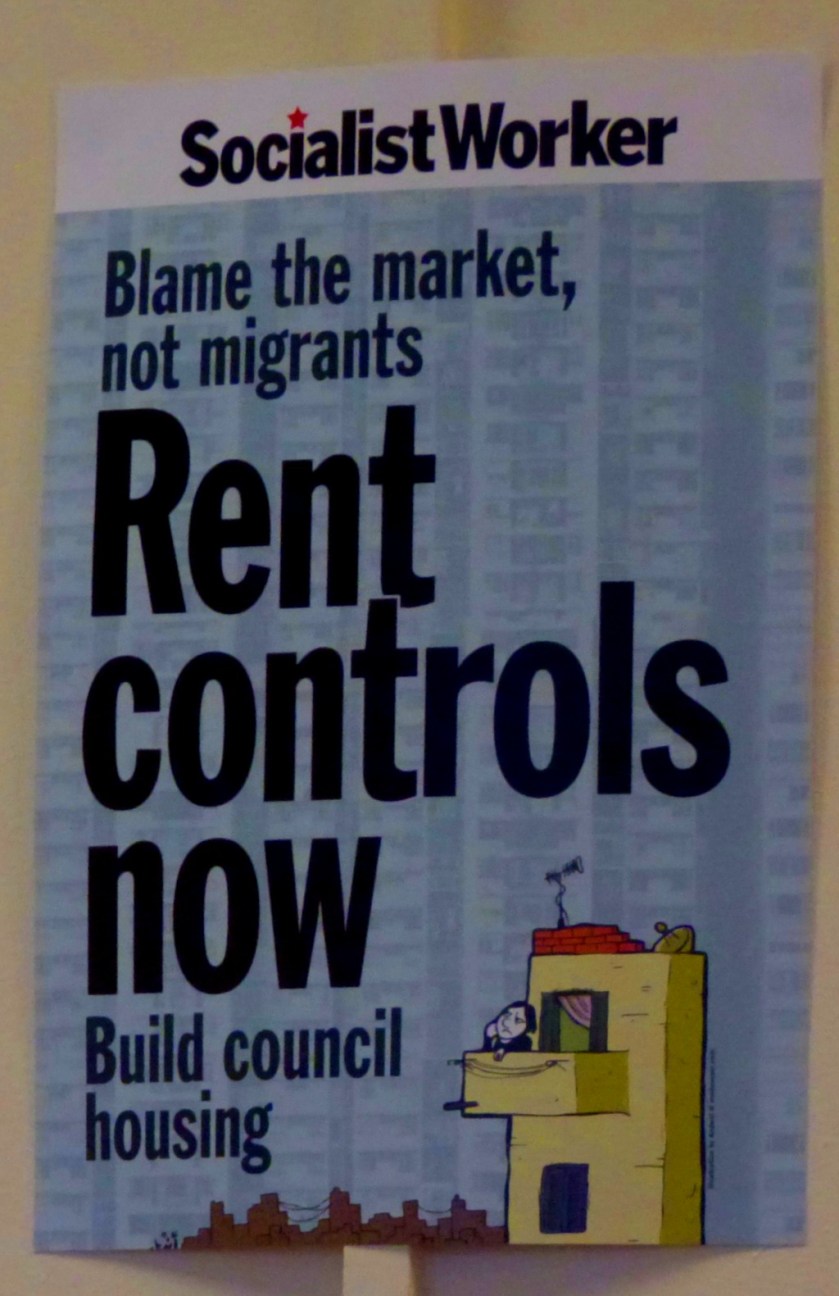
This building caught my eye as I walked past on my way to the event.Posters on the way up.
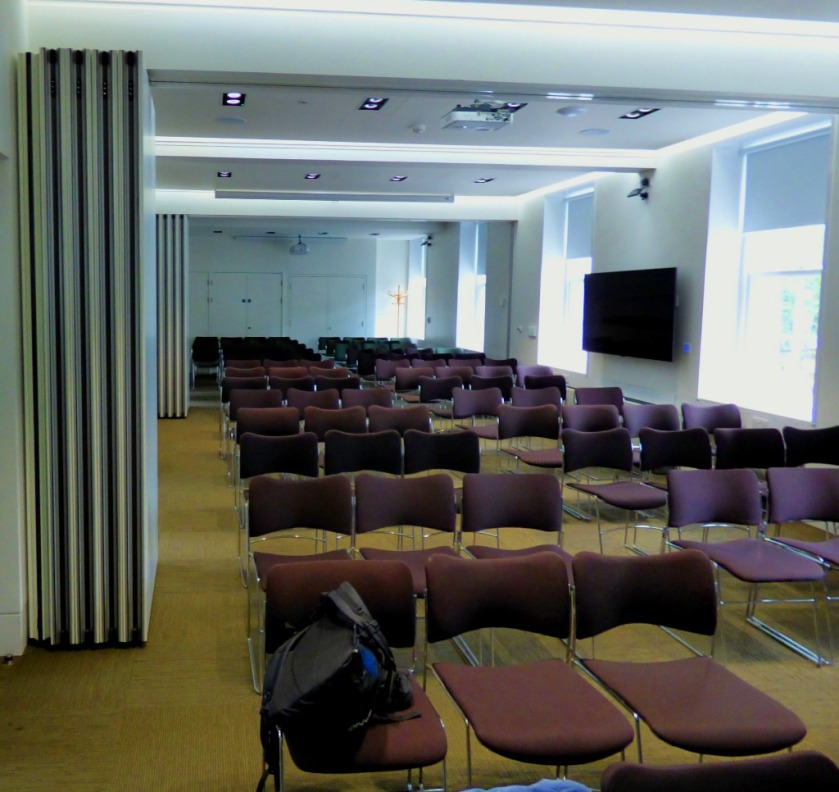
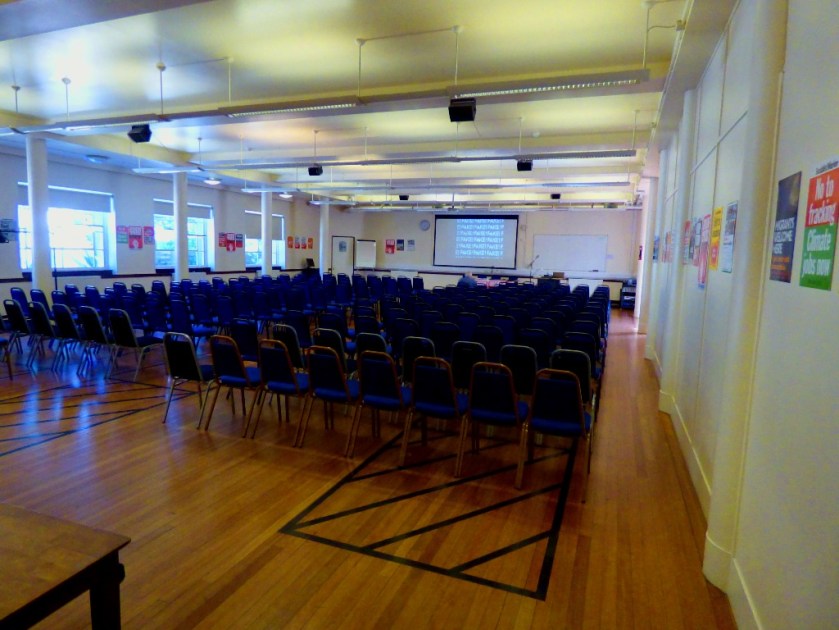
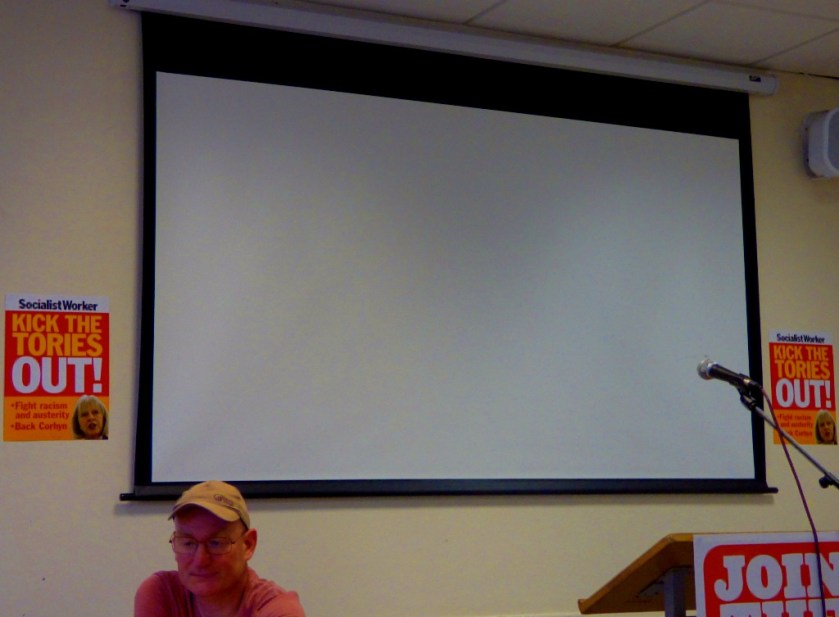
The Upper Hall at 9:30AM
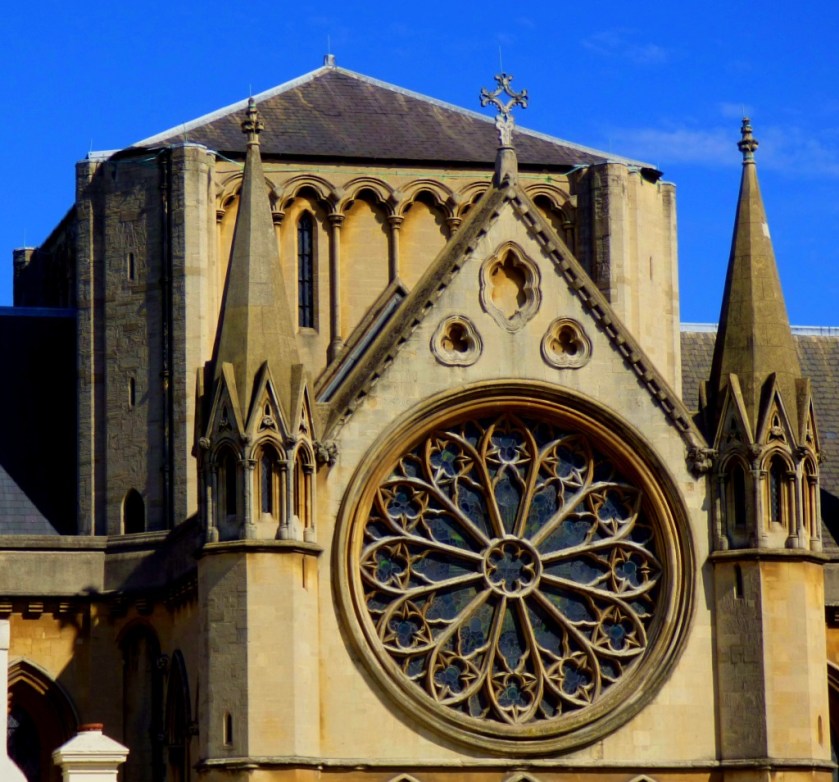
The view through one of the the Upper Hall windowsA food stall (London prices are beyond my means – I was not a cjustomer)Rose window
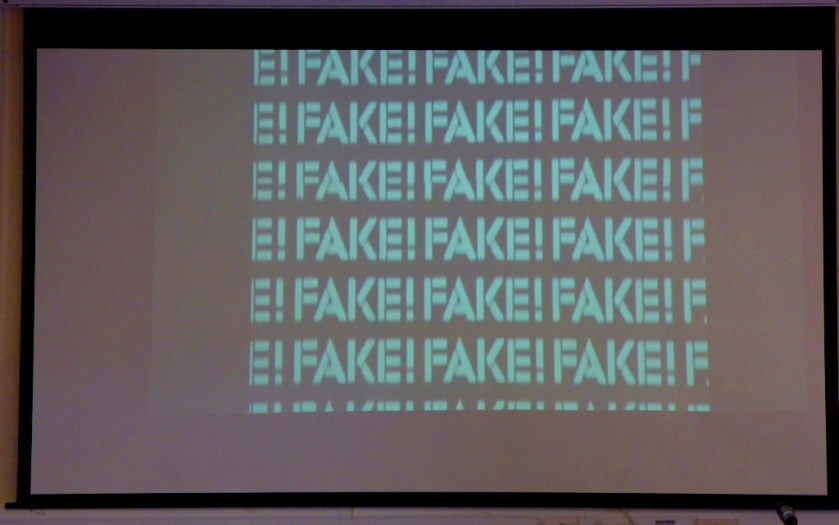
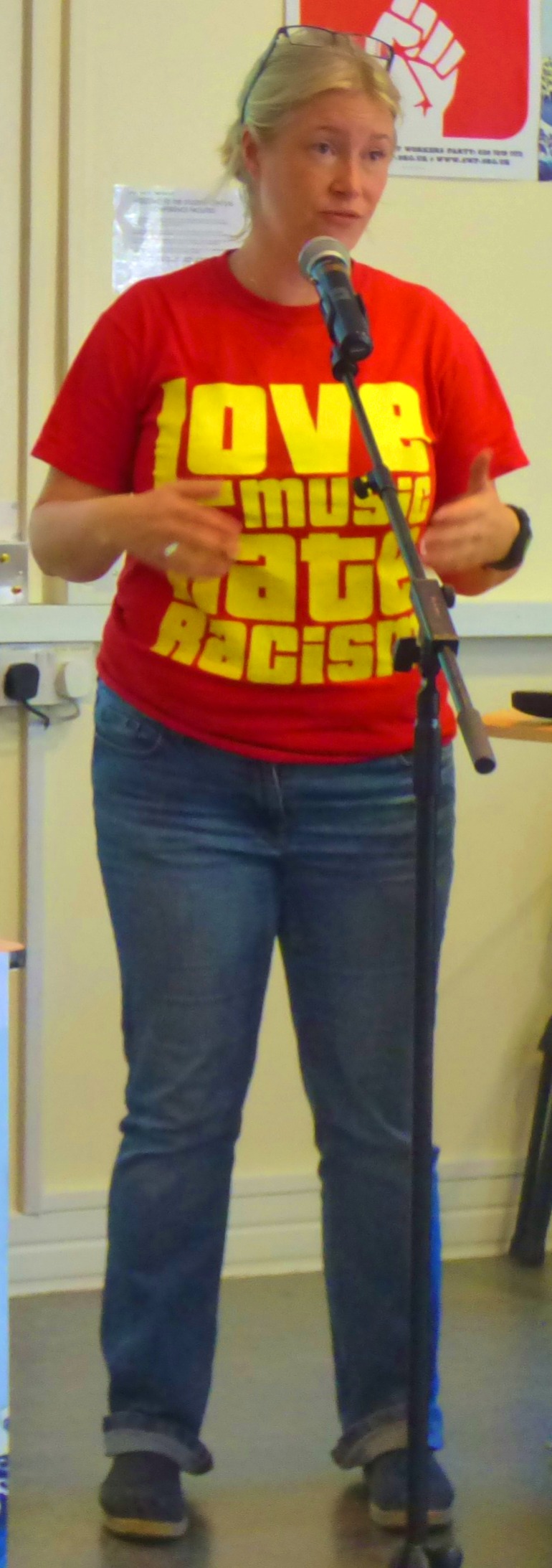
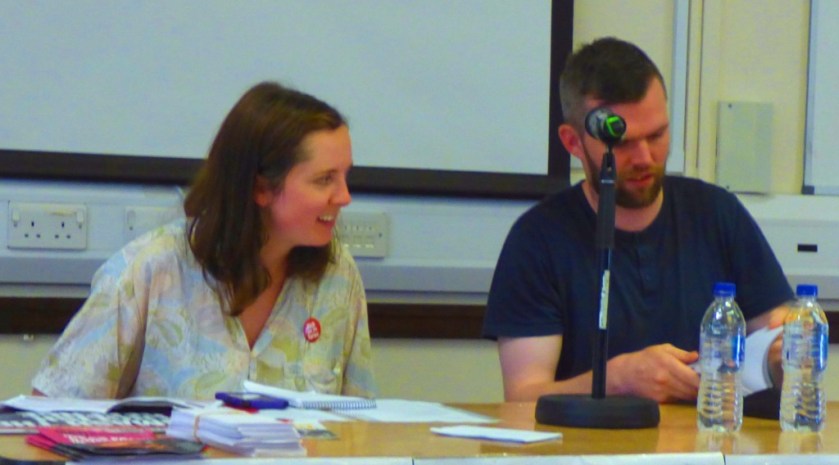
Chair Sarah (one of the speakers at the meeting on Biodiversity and Species Extinction) and speaker Simon Basketter.Sarah introduces the meetingSimon speaking, careful not obstruct the screen.
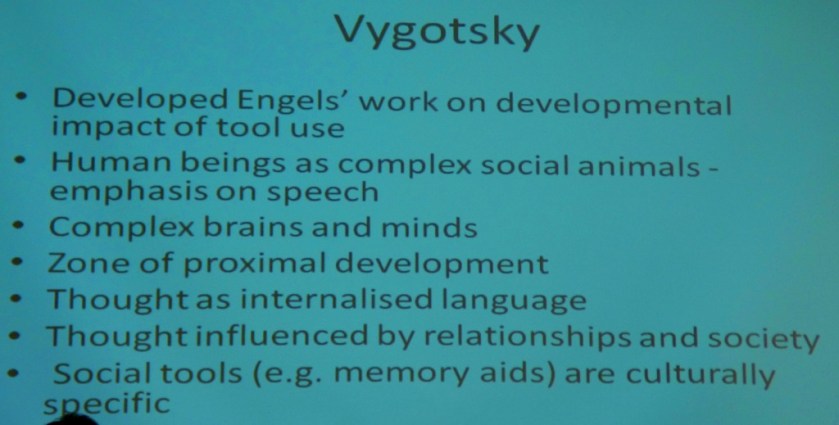
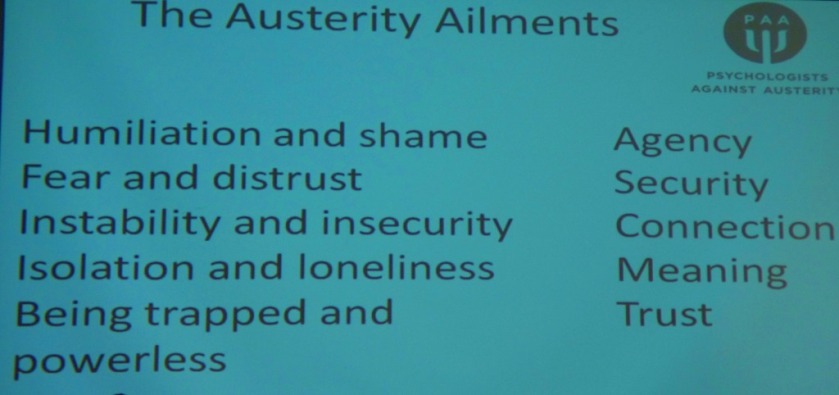
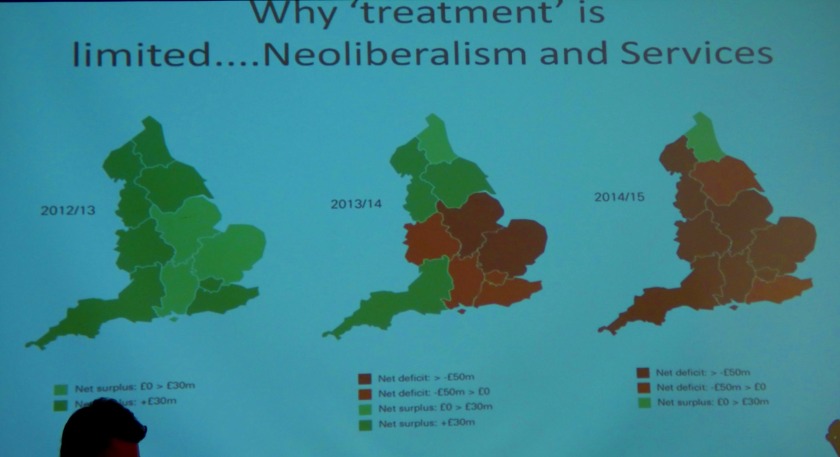
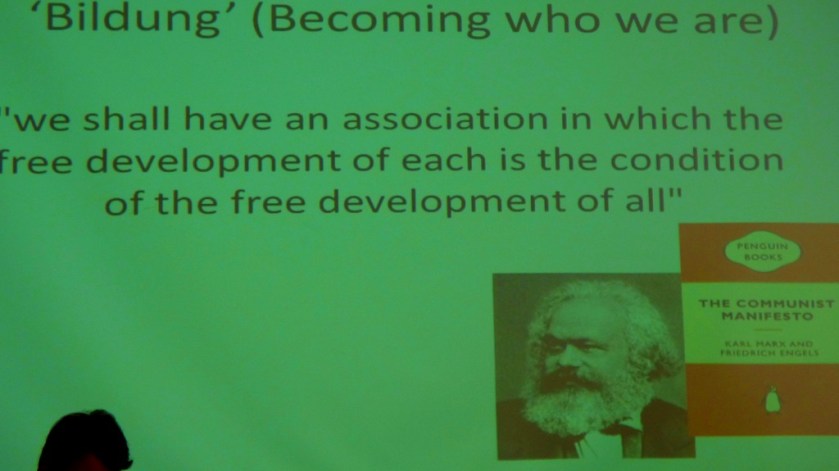
MARXISM AND MENTAL HEALTH – BETH GREENHILL
I will be giving this meeting a full post to itself in due course – it deserves it, and I have asked the speaker to email me all her slides, including those she did not get to use because of the importance I attach to this subject. For the moment here are a few pictures:
A display on the main staircase at Student Central.
MARXISM, NATURE AND SOCIETY – MARTIN EMPSON
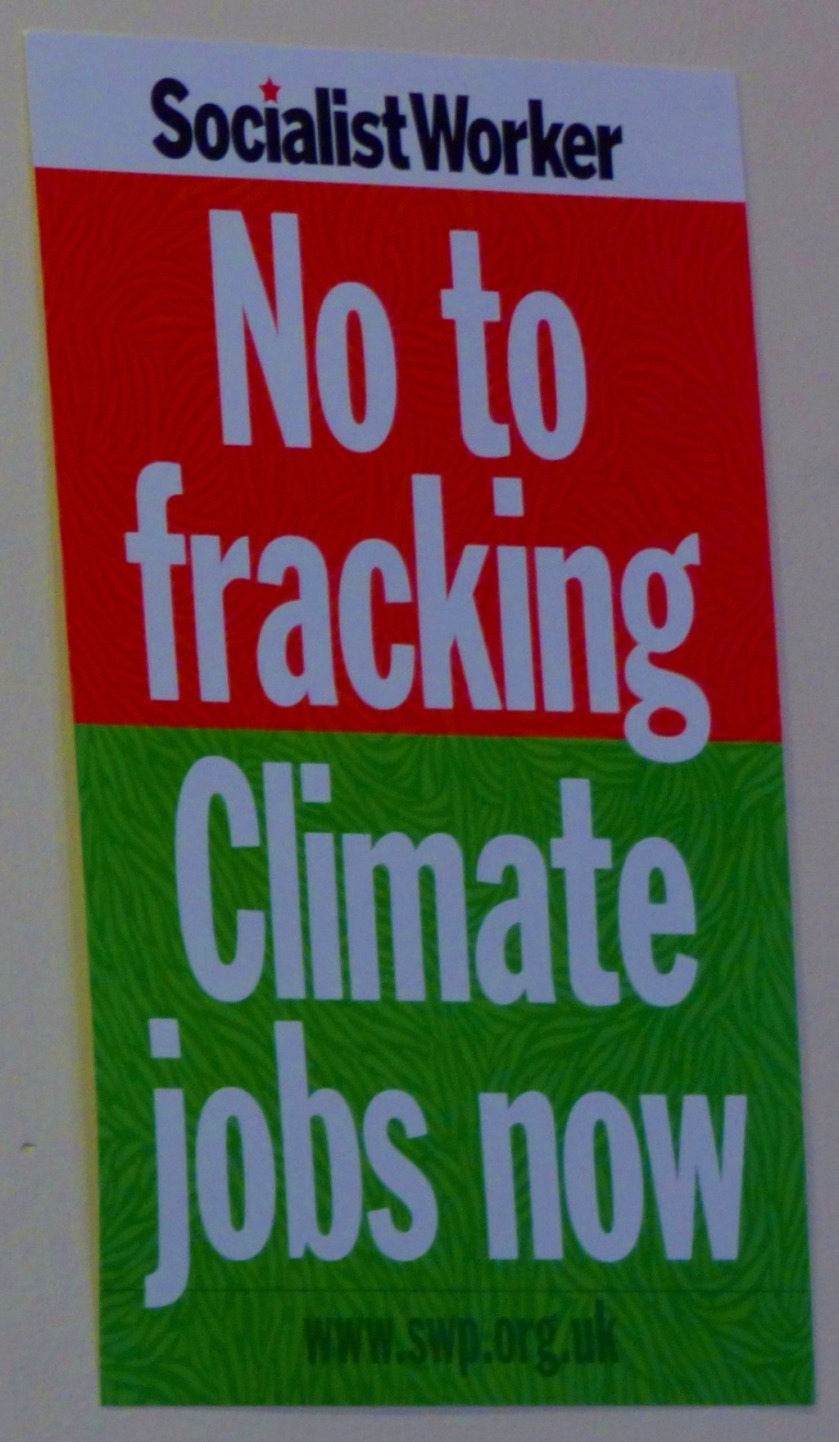
Following the lunch break (picnics are something of a tradition at Marxism festivals, and I participated in the Norwich and East Anglia picnic) I headed to room 3E for this meeting. I would have preferred this talk to have been assigned a bigger room because the topic is so important. It was well attended, as it should have been. There were many outstanding contributions, including from those fighting against fracking (a particularly destructive method of extracting fossil fuels from shale). A woman who was born in Australia and whose father works in mining talked about her arguments with him and how she explains that she does not want people in mining to be jobless – she wants them to have jobs helping the environment, such as developing renewable energy sources etc. Here are some pictures:
IRELAND AND THE RISE OF THE RADICAL LEFT – GERRY CARROLL
Gerry Carroll is one of two members of People Before Profit elected to the Stormont Assembly in the days when that body still functioned. The other was Eamonn McCann. One of Stormont’s less charming features is a register that requires you to state whether you are Nationalist or Unionist – McCann and Carroll both wrote the single word Socialist in this space. People Before Profit are a cross-border organisation and they also boast three members of the Dail (the Irish Republic’s parliament), two of whom, Richard Boyd Barrett and Brid Smith were also at Marxism 2017. Gerry Carroll won his seat in West Belfast – Gerry Adams’ stamping ground. For an avowed non-sectarian to win in the very heartland of Sinn Fein is particularly remarkable. Carroll talked about both his success and that in the Republic. In the Republic much of the radicalism developed around the attempted imposition of water charges (yes – in Europe’s wettest country), but also of course the Republic became the first country in the world to vote in favour of equal marriage.
After Carroll finished his inspiring speech various people in the audience talked further about some of the points he raised, filling out the picture. Here are some pictures…
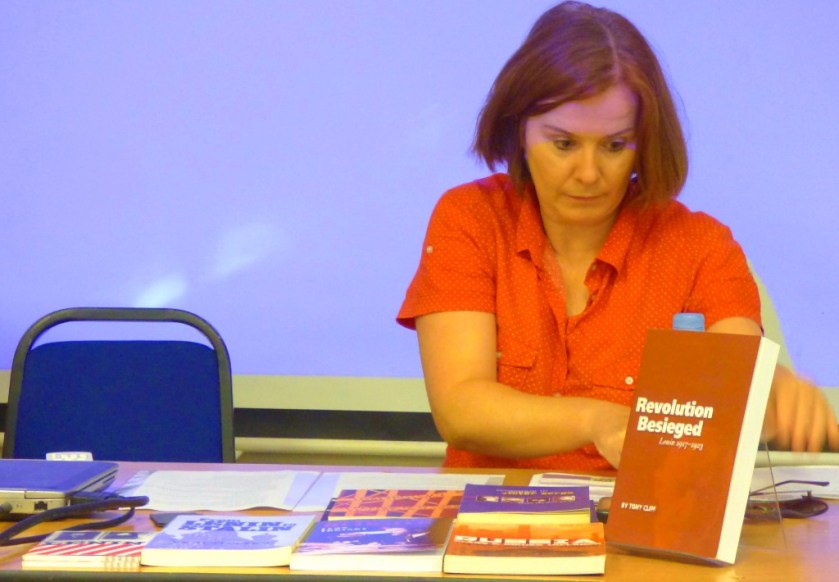
DID LENIN LEAD TO STALIN? – PADDY NIELSEN
After the second long break of the day it was back up to floor 3, this time room 3B for me. This meeting dealt with one of the more persistent accusations flung at the left (note, until the mid 1990s Socialist Worker retained its masthead stating “Neither Washington nor Moscow but International Socialism”). Nielsen set out the counter arguments excellently. Stalinism was a product of the isolation of the Russian Revolution – it did not spread elsewhere as the revolutionaries hoped, and it was separated from the revolutionary movement by a river of blood. Most of the old Bolshevik leadership who were alive when Stalin took power died at his hands. Here are some pictures:










































 are deliveries that are too wide for the batter to be able to play, and no-balls are deliveries that are ruled illegal for some other infraction (bowler overstepping the crease, high full-toss etc). The 21 run difference between the two tallies shown above is of major significance given that England reached the target with just two balls to spare, and there is yet a further point.

















































































 aspiblog